The Central British Fund (CBF) put together a large team of people to look after the Boys.
The Boys were teenage and child-Holocaust survivors, who were brought to the UK after the war for rest and rehabilitation.
The British government offered 1,000 visas to bring the Boys to the UK but the caveat was that the CBF were responsible for their care and would pay all the expenses.
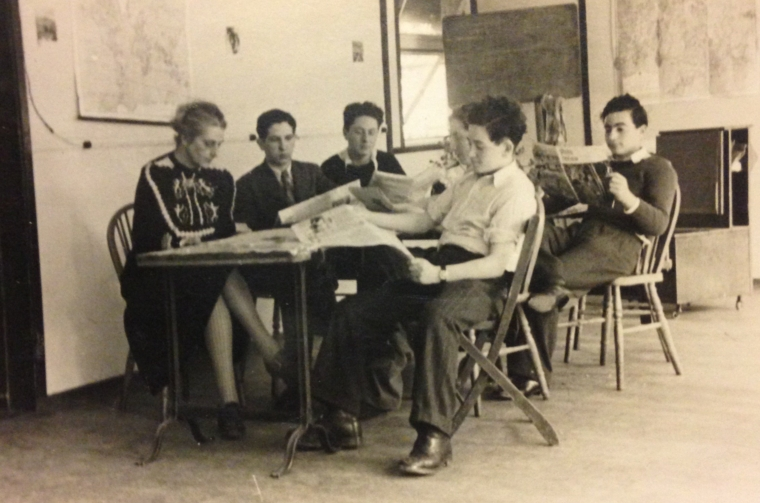
Paneth, a talented painter, art therapist and pedagogue, was born in Sukdall, Austria in 1895 and grew up in an academic family in Vienna. She studied under the portrait painter Franz Cizek, who had a significant impact on how Paneth later used art as a therapy.
Paneth’s husband Otto was Jewish. It was through his father, Joseph Paneth that Marie became acquainted with the founder of psychoanalysis Sigmund Freud. Joseph Paneth was also known for his correspondence with philosopher Friedrich Nietzche.
In the late 1930’s the family moved to Britain where Paneth spent much of World War II working with orphaned and delinquent children alongside Sigmund Freud’s daughter Anna Freud, who was a refuge from Nazism in London. Freud later played a key part in caring for the Boys.
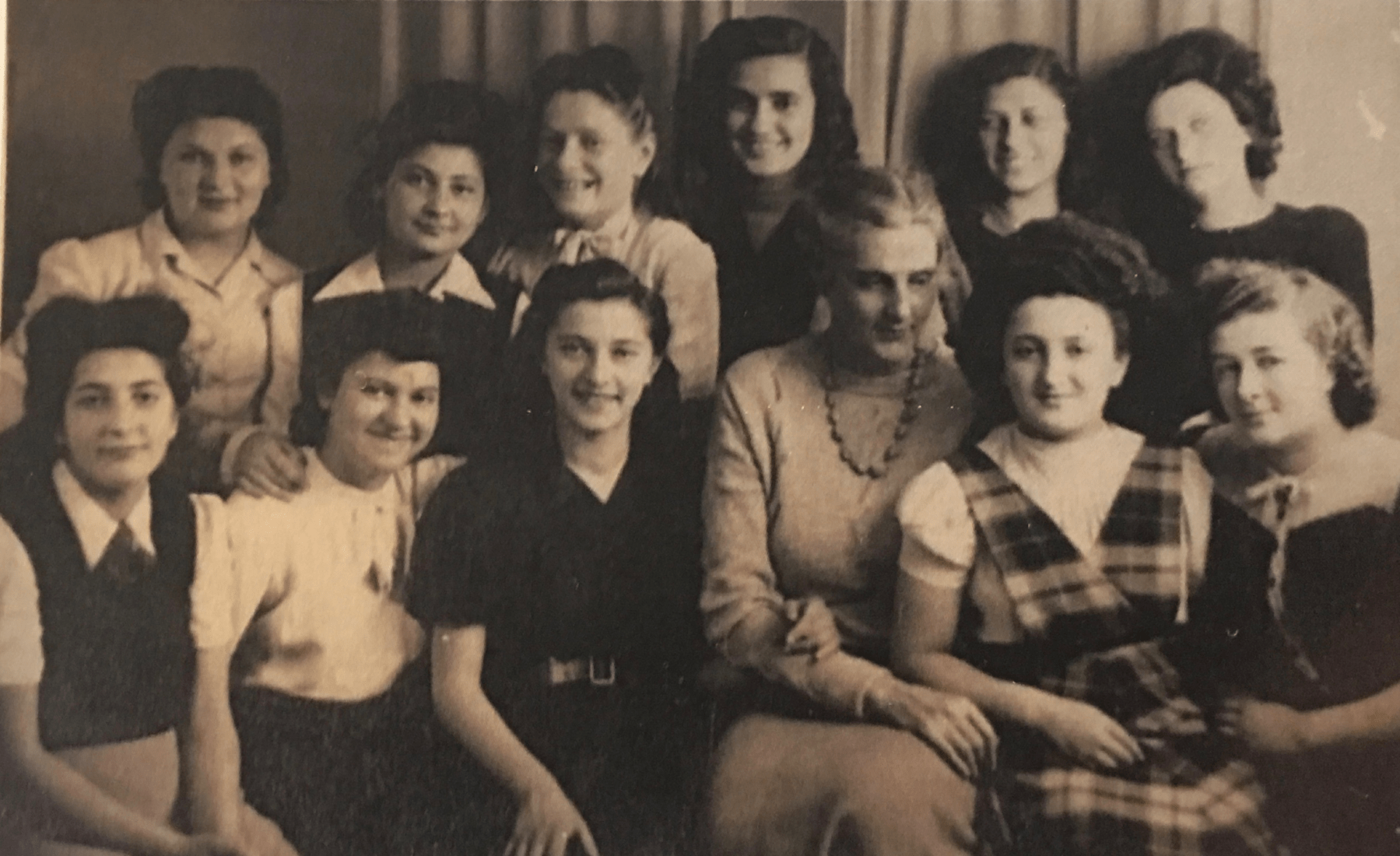
It was during this time that Paneth began using the radical and progressive idea of art as therapy for young people. Paneth brought her skills to the Windermere reception centre, where she held classes each afternoon. Some of the children involved in Paneth’s art groups later travelled to New York to be involved in the launch of an exhibition that featured their work. She then went on to teach the female members of the Boys in the Cazenove Road hostel in London.
Paneth died in 1986.
 About
About History
 Education
 Quilts
 FIlms
FIlms Photos
 News Media & Events
 Publications
 Donate