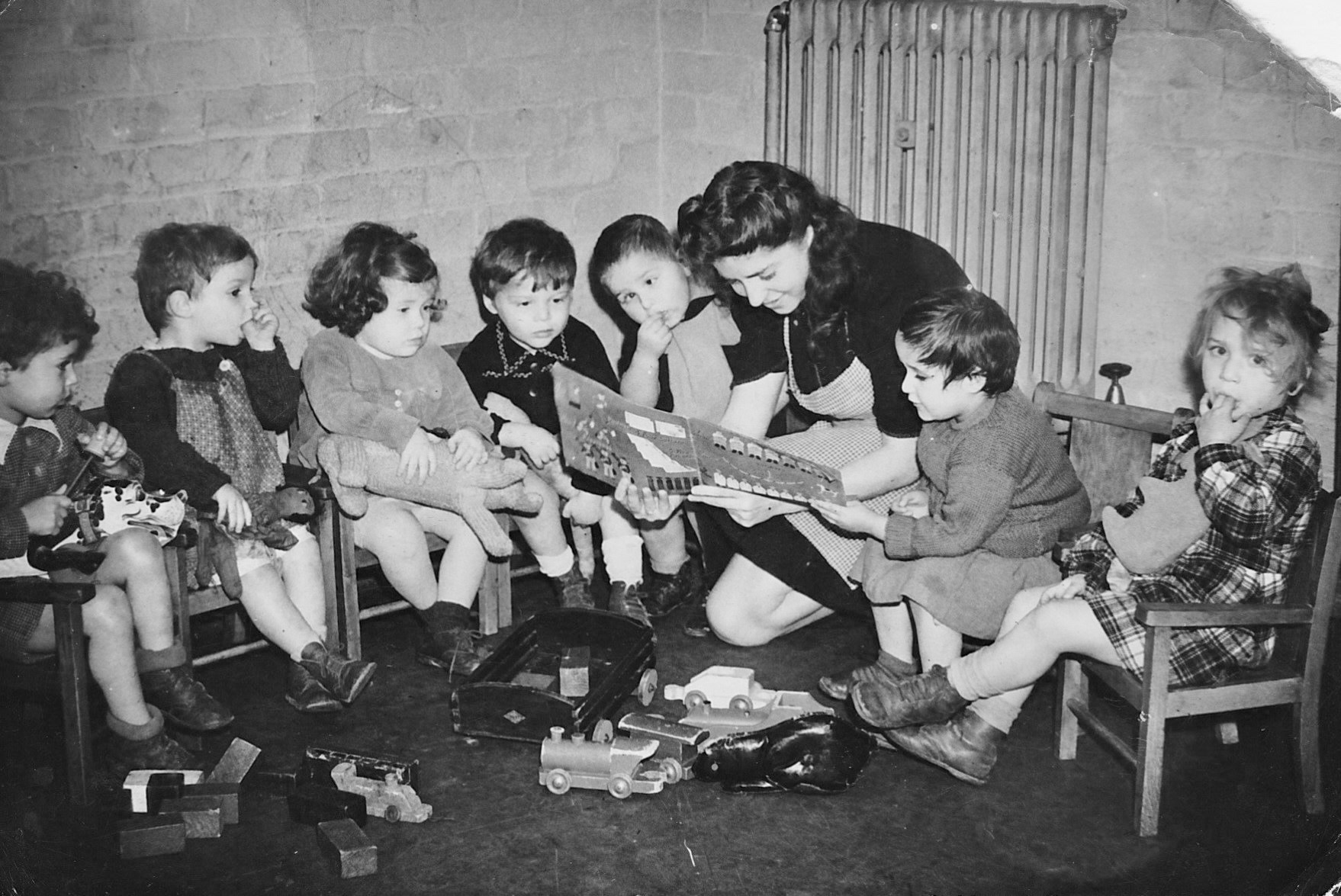
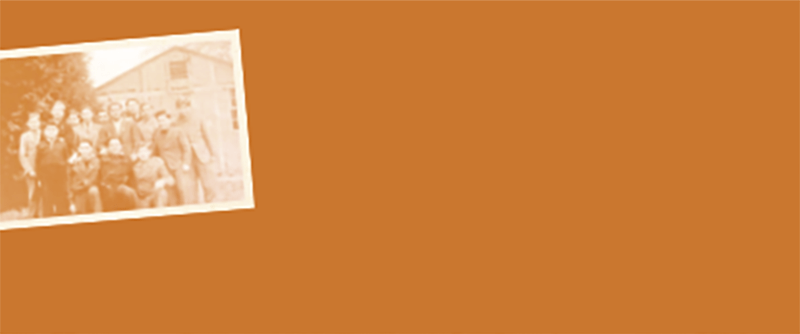
The Central British Fund (CBF) put together a large team of people to look after the Boys.
The Boys were teenage and child-Holocaust survivors, who were brought to the UK after the war for rest and rehabilitation.
The British government offered 1,000 visas to bring the Boys to the UK but the caveat was that the CBF were responsible for their care and would pay all the expenses.
Friedmann was born in Germany in 1903. He spent much of his childhood in an orphanage, with his nine brothers and sisters, before training as a teacher and social worker, specialising in the treatment of delinquent boys.
Before the outbreak of World War II, he was imprisoned in the Sachsenhausen concentration camp and suffered injuries that left part of the left side of his face paralysed.
In 1938, he was asked by the Jewish community to take a group of Jewish children to England. Though he intended to return to Germany, he settled in London where he worked for the Central British Fund. Subsequently his wife, son and daughter joined him in the UK.
In 1945, Friedmann was put in charge of the Windermere reception centre. Friedmann’s believed that the children should learn to contribute to society and not be dependent on handouts and gifts. In 1948, he trained as a psychotherapist. He was either loved or hated by the Boys.
 About
About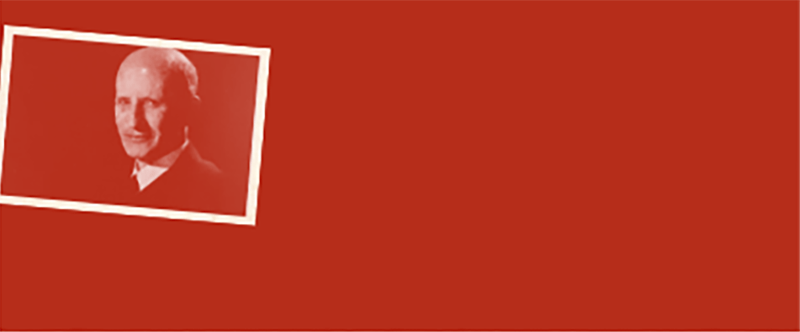 History
 Education
 Quilts
 FIlms
FIlms Photos
 News Media & Events
 Publications
 Donate