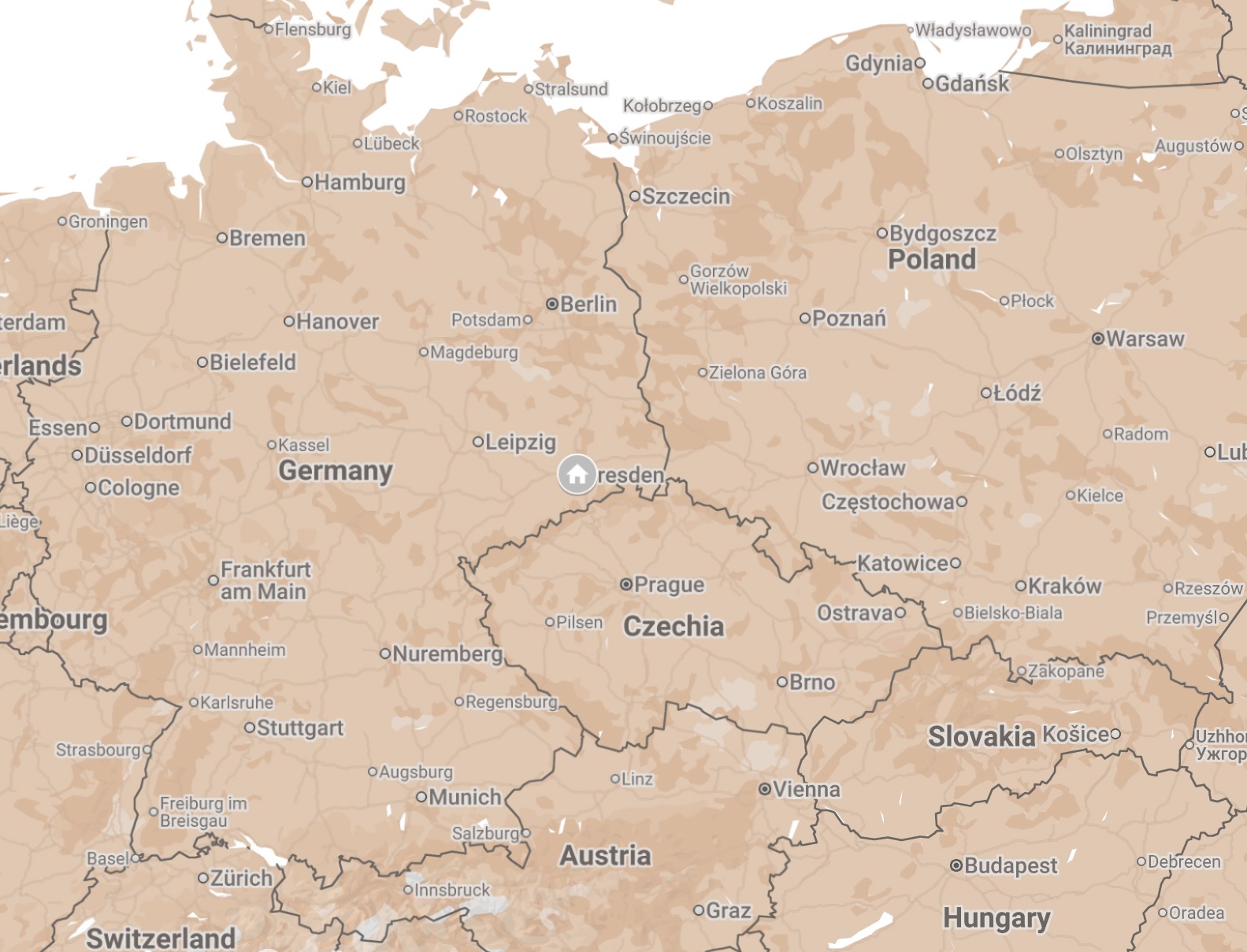
Dresden, Germany

Members of the Boys were born in Dresden in Germany.

The Boys were teenage and child-Holocaust survivors, who were brought to the UK after the war for rest and rehabilitation.

Members of the Boys were held in Nazi labour and concentration camps and used as slave labourers. They had also survived World War II in hiding or as lone children.
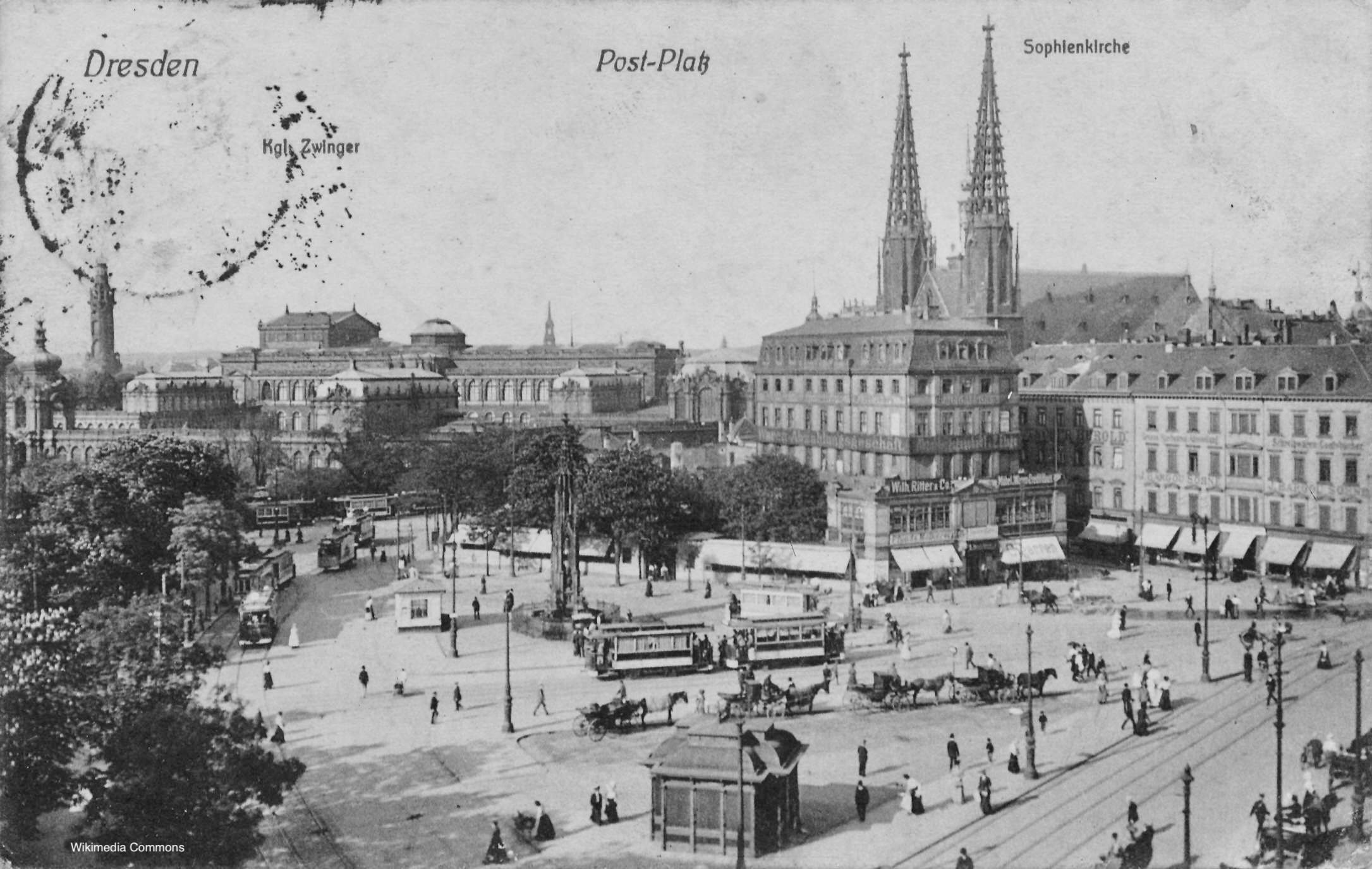
Photograph of an old postcard of Dresden, Germany, 1913.

Old postcard of Dresden, Germany in 1913.

Dresden is the capital of the German state of Saxony. The city was famous for its baroque and rococo architecture but the Allied bombing towards the end of the war destroyed the city centre and killed over 25,000 people.

Although only one member of the Boys was born in Dresden, many of the Boys were held in the labour camps in the city and then endured death marches to the Theresienstadt Ghetto.

Background

The Jewish community in Dresden has a long and complex history, marked by periods of growth, persecution, and resurgence. Initially, Jewish communities were established in Dresden during the 13th century, but were later expelled between 1500 and 1700. Following the granting of equal rights in 1837, the community grew to almost 6,000 members, playing a significant role in Dresden’s social life.

Many Jews from East Europe settled there after World War I. A prosperous and well-endowed community, it owned a valuable library and maintained numerous social and charitable organisations.

Third Reich

In October 1938, 724 Jews of Polish citizenship were deported from Dresden. On Kristallnacht in November 1938, 151 Jews were arrested and taken to Buchenwald. The synagogues were burned, and the Jewish community was presented with a bill for their demolition.

By May 1939, the community had been reduced to 1,600 people because of emigration, deportation, and arrests. There were 12 deportations, dispatching 1,300 Jews, between January 1942 and January 1944. The final deportation was scheduled for February 1945. The Allied bombing of Dresden allowed the deportees to escape.

Aftermath

A small group of survivors, along with former concentration camp prisoners, began to rebuild the community after the war.

The community continued to grow and thrive, eventually establishing a new synagogue in 2023. The synagogue in Dresden was officially inaugurated on September 3, 2023.

Visiting Dresden
>

Getting there Take the train from either Berlin or Prague.

What to see

New Synagogue (Neue Synagoge): Completed in 2001, this modern, cube-shaped structure is a focal point of Jewish life, located on the Elbe riverbank. It was built on the site of the Semper Synagogue destroyed in 1938 and incorporates a salvaged Star of David from the original building.

Old Jewish Cemetery Near the Neustadt train station, this site is historically significant, with some graves dating back to the 18th century.

Labour camp (Schandauer Strasse 68) There is a commemorative plaque on the former Bernsdorf labour camp where many of the Boys were slave labourers. It is now a cigarette factory.
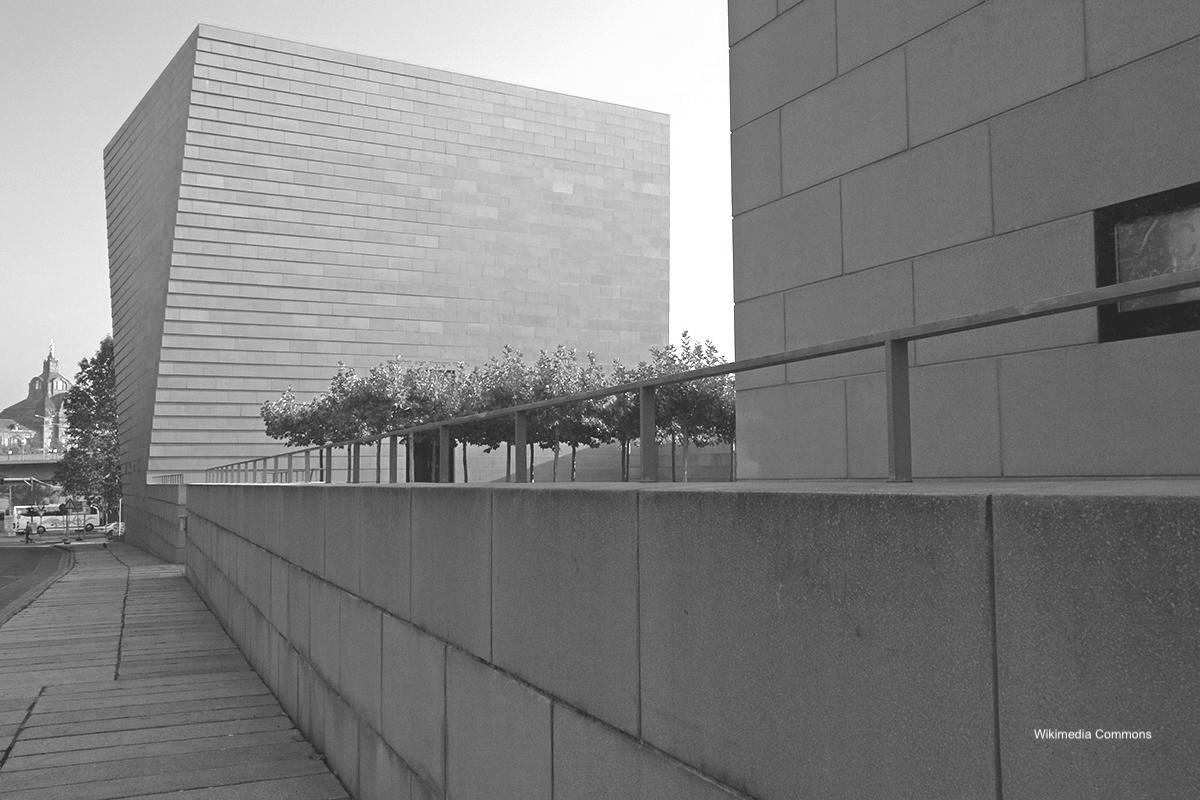

Synagoge Dresden
Present day Country:
Germany
Associated Boys:
‘Harry’ Horst Weiler
Map:
Contact:
team@45aid.org
45 Aid Copyright 2026
45 aid society is a registered charity
in England and Wales (243909)
Design and development:
Graphical