Since 2018, the ’45 Aid Society Historical Advisor, Rosie Whitehouse, has been researching the story of the Boys. In 2020, she was joined by a team of volunteers who are the grandchildren of the Boys.
The Boys were teenage and child-Holocaust survivors, who were brought to the UK after World War II for rest and rehabilitation.
Members of the Boys were held in Nazi labour and concentration camps and used as slave labourers. They had also survived World War II in hiding or as lone children.
Sources
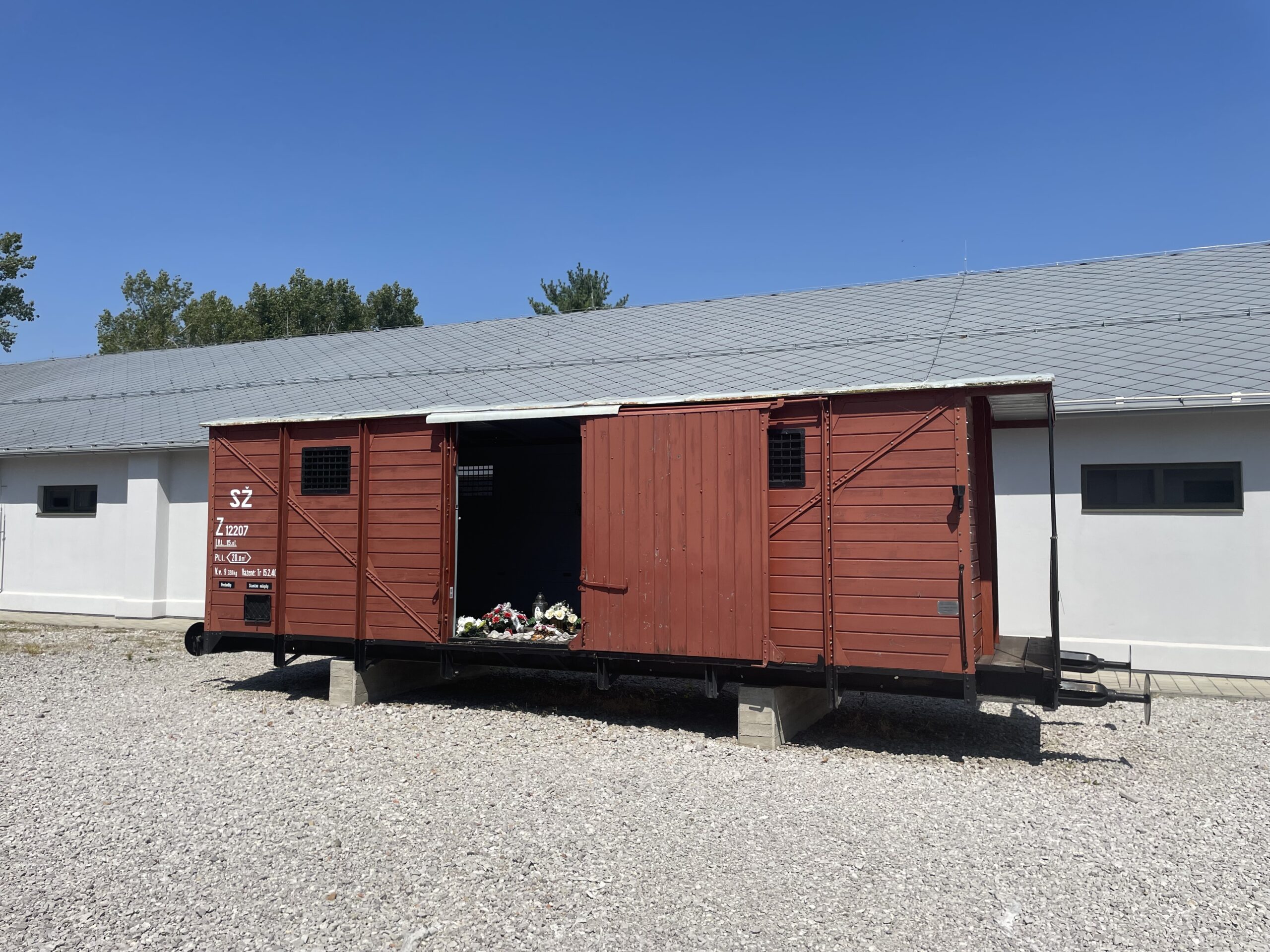
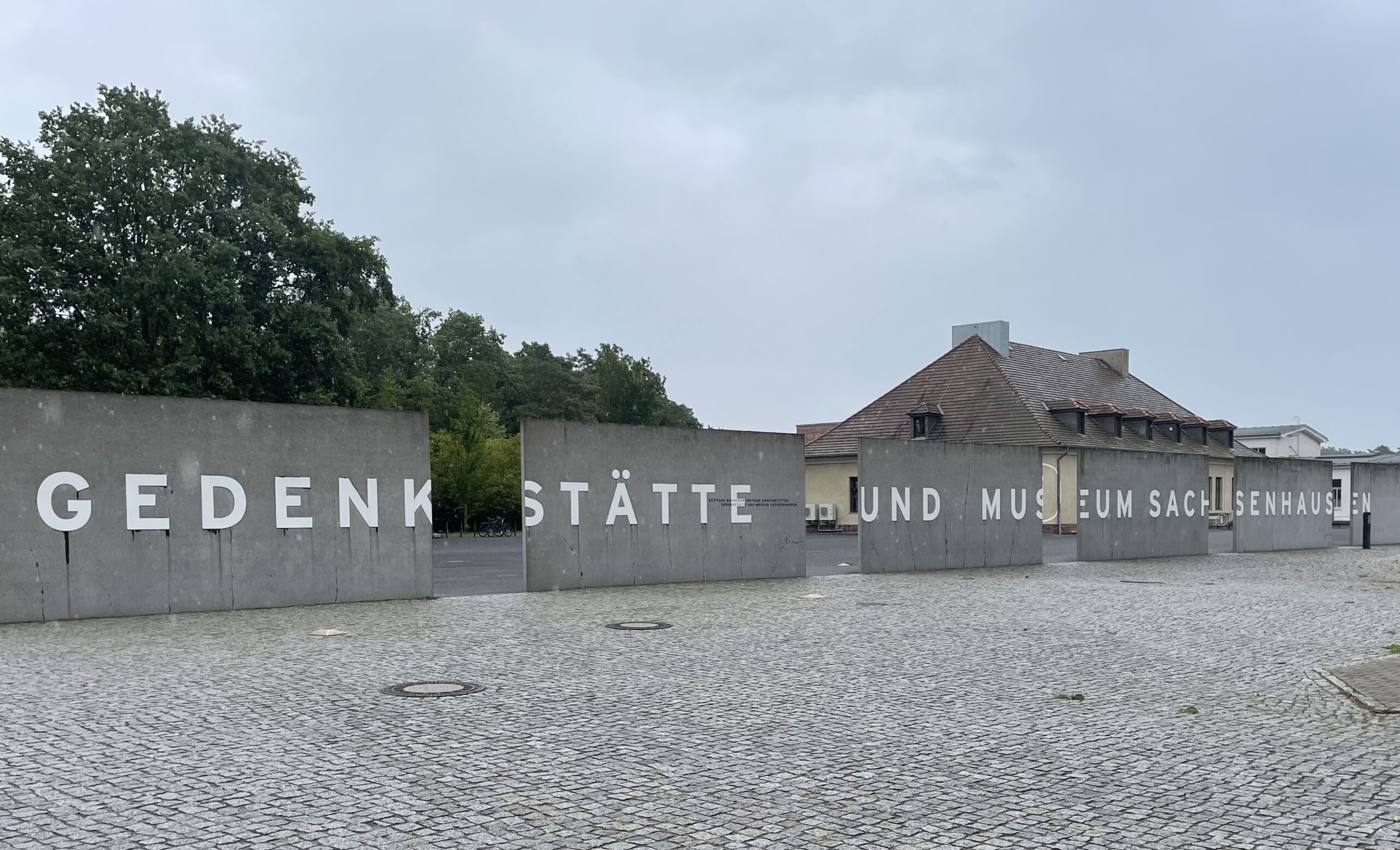
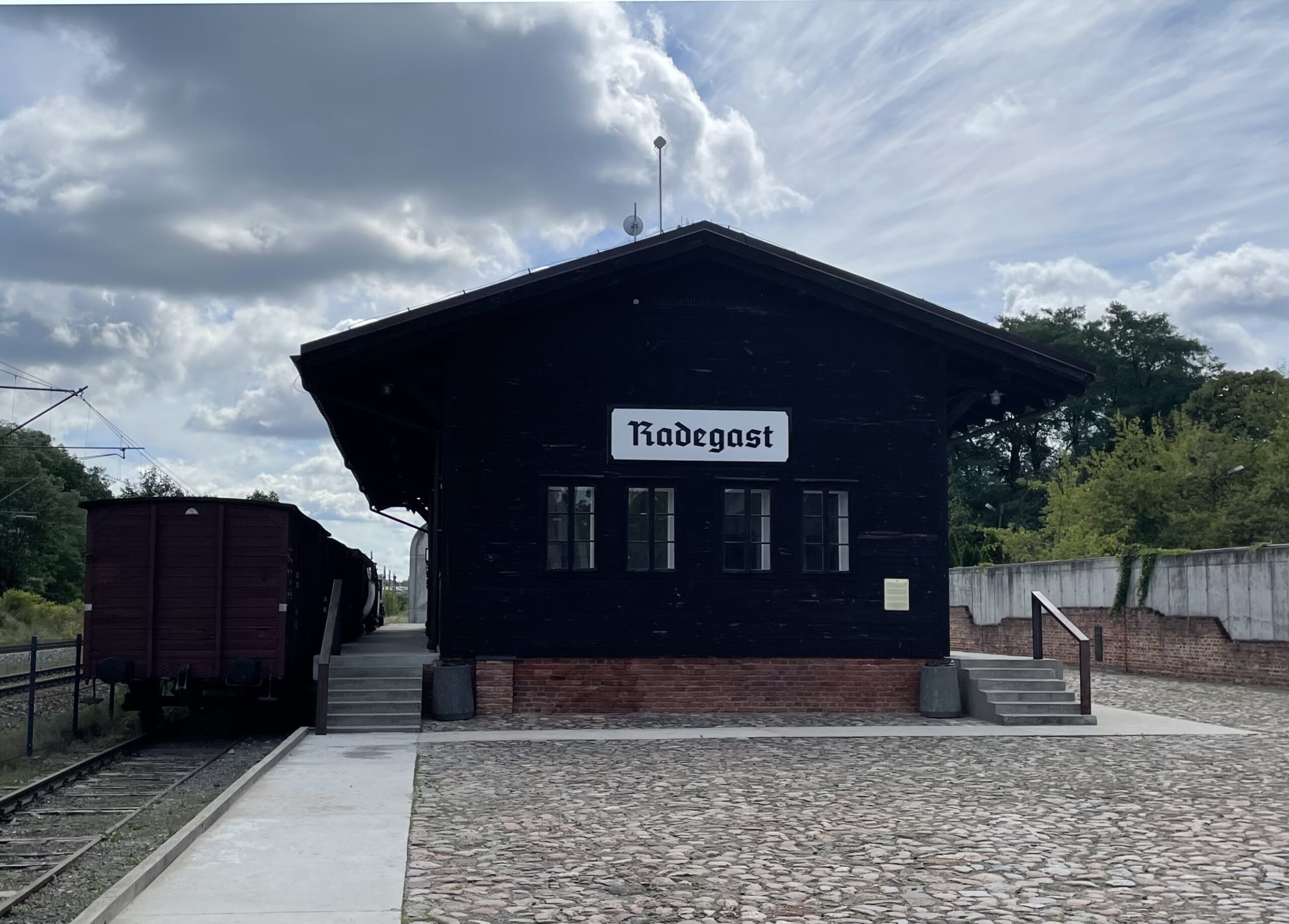
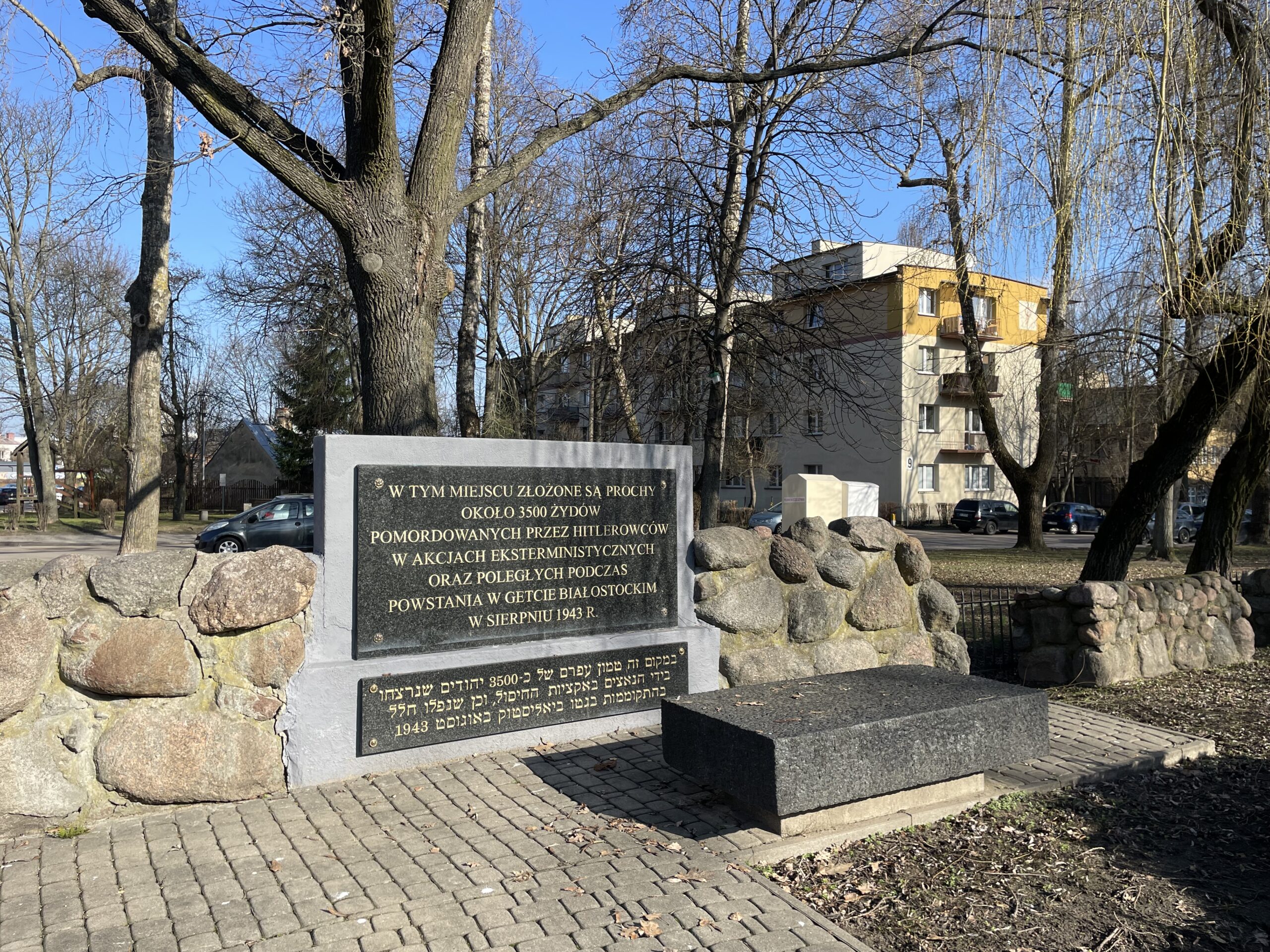
The ’45 Aid Society Historical Advisor, Rosie Whitehouse has travelled extensively across Europe to the principal sites linked to the story of the Boys.
She has interviewed many of the surviving members of the Boys and their families.
In 2019, she also went to Israel to interview the members of the Boys and their families, who had later settled there. While in Israel, she spent time in the archive in Kibbutz Lavi, which played a key part in the Boys’ story.
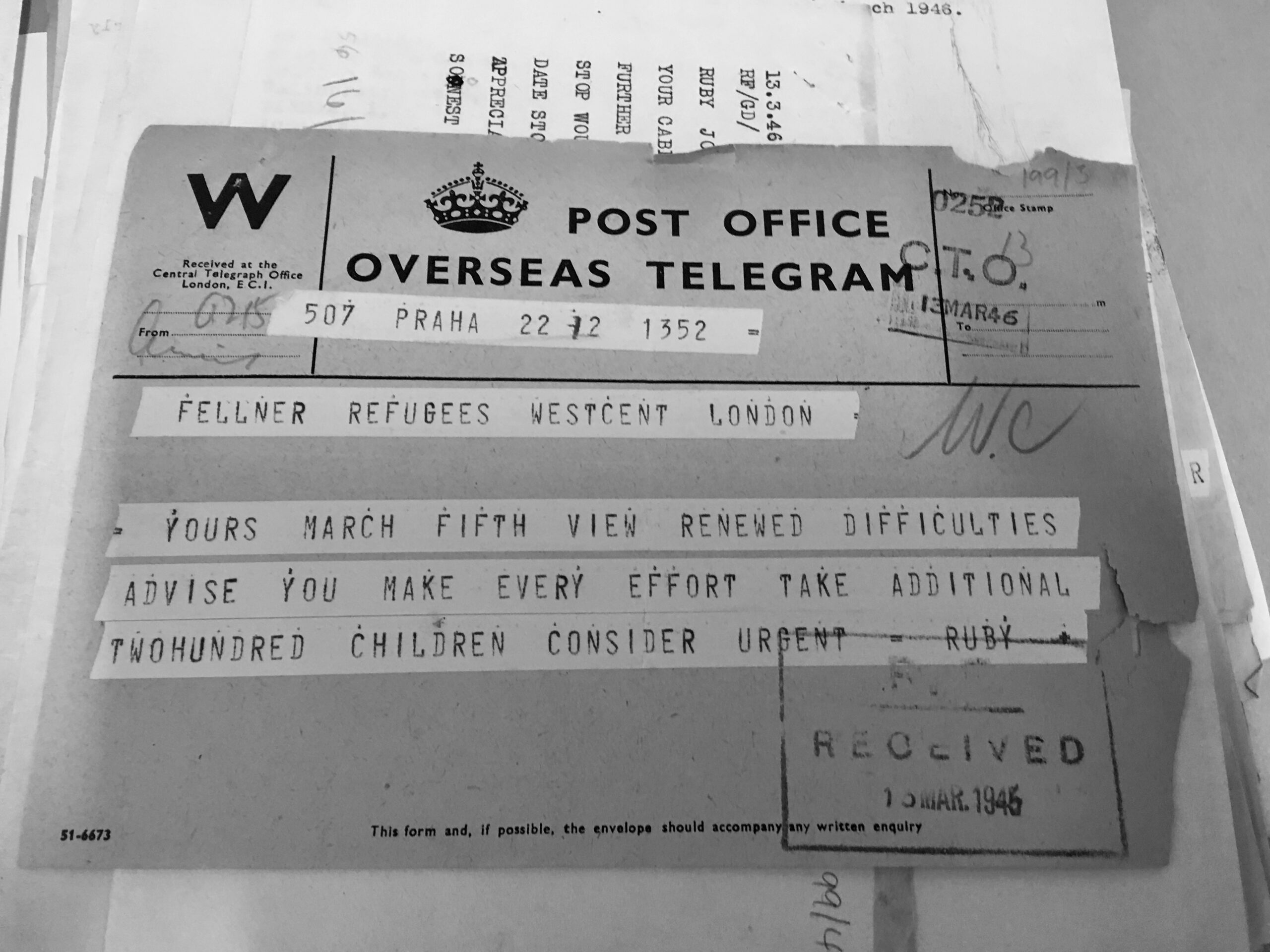
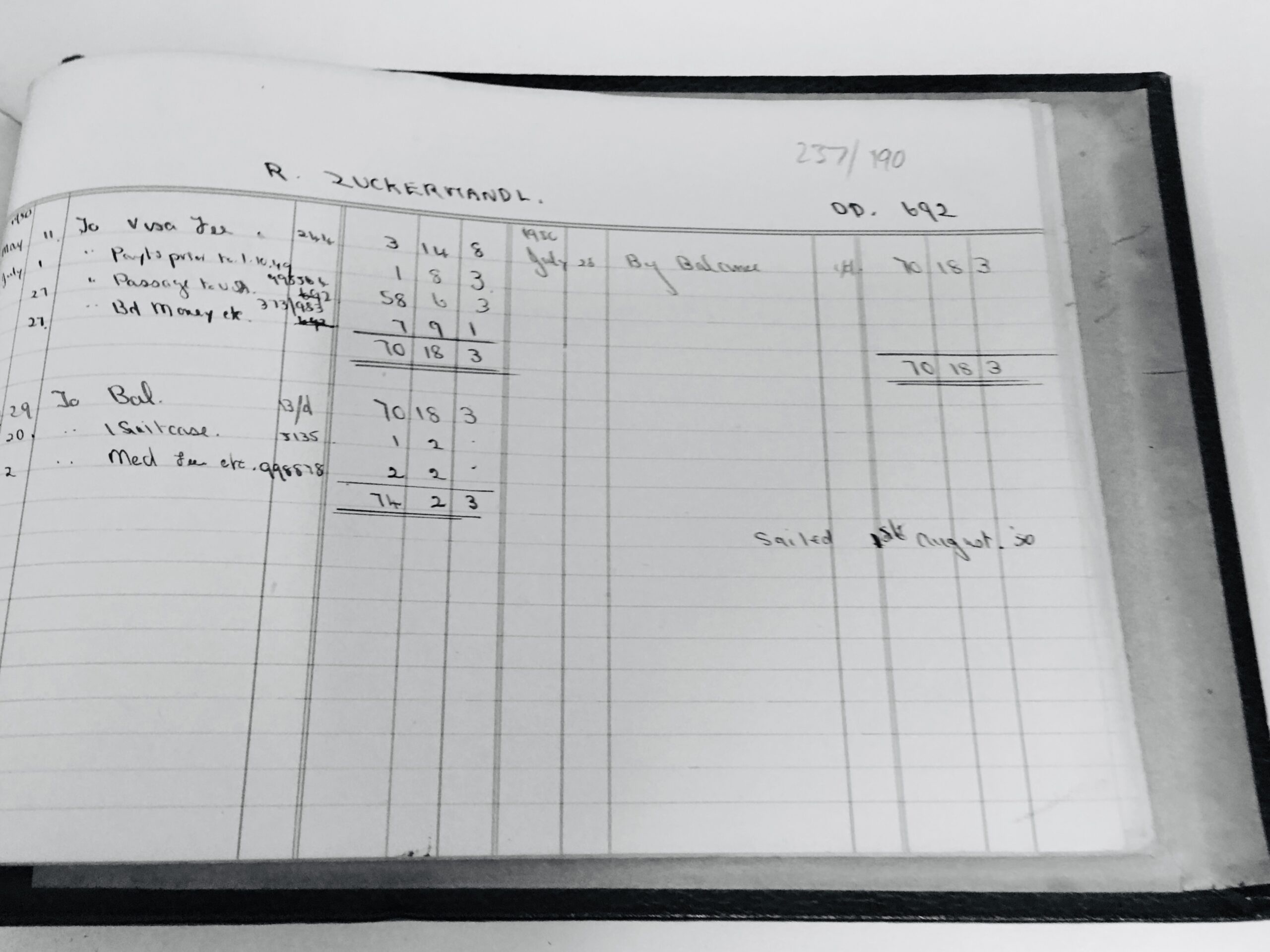
In the UK, Whitehouse examined the papers of the Central British Fund held in the London Metropolitan Archives, the Quaker archives held at the Society of Friends in London and the online archive of the Parkes Institute at Southampton University.
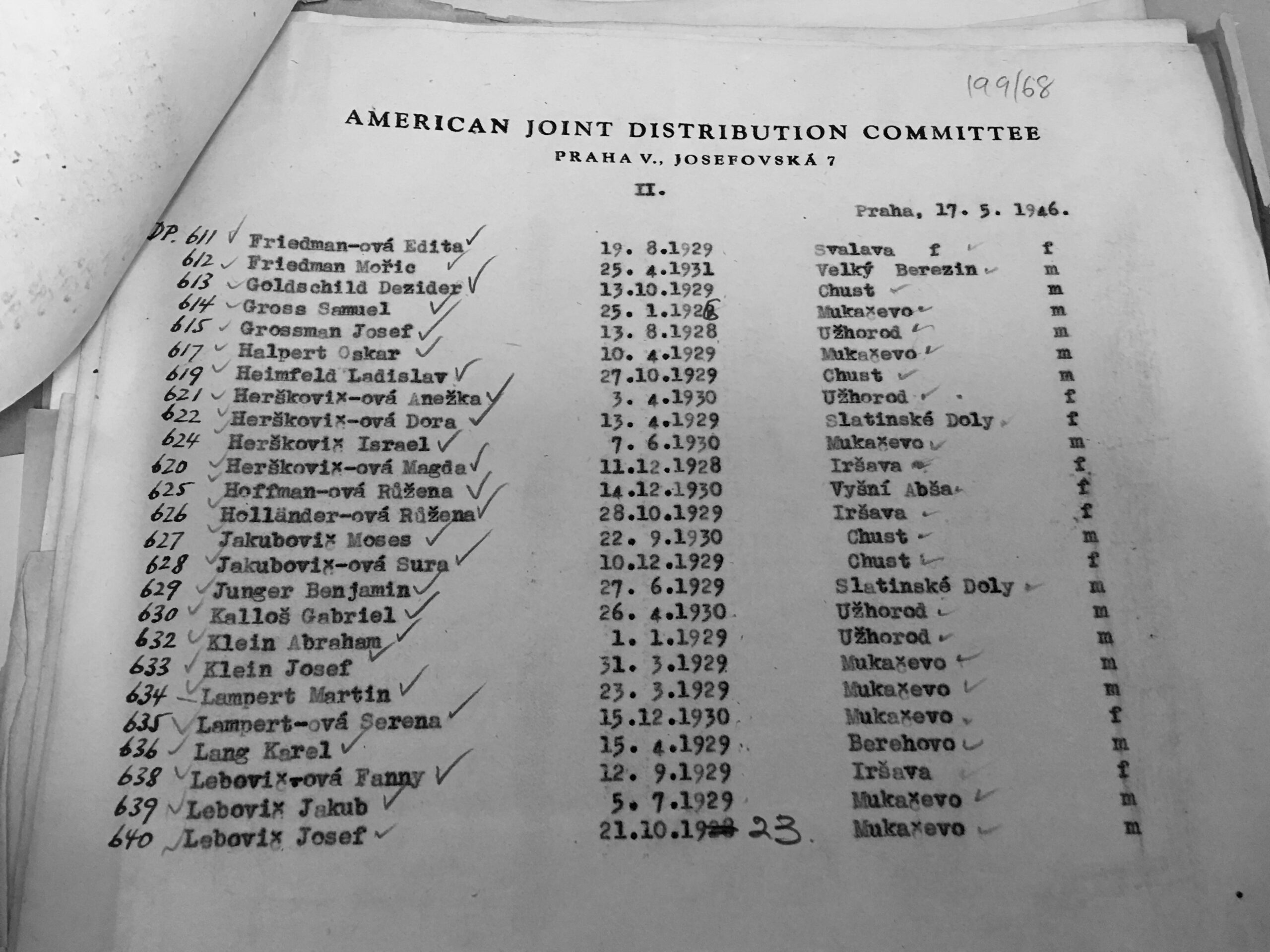
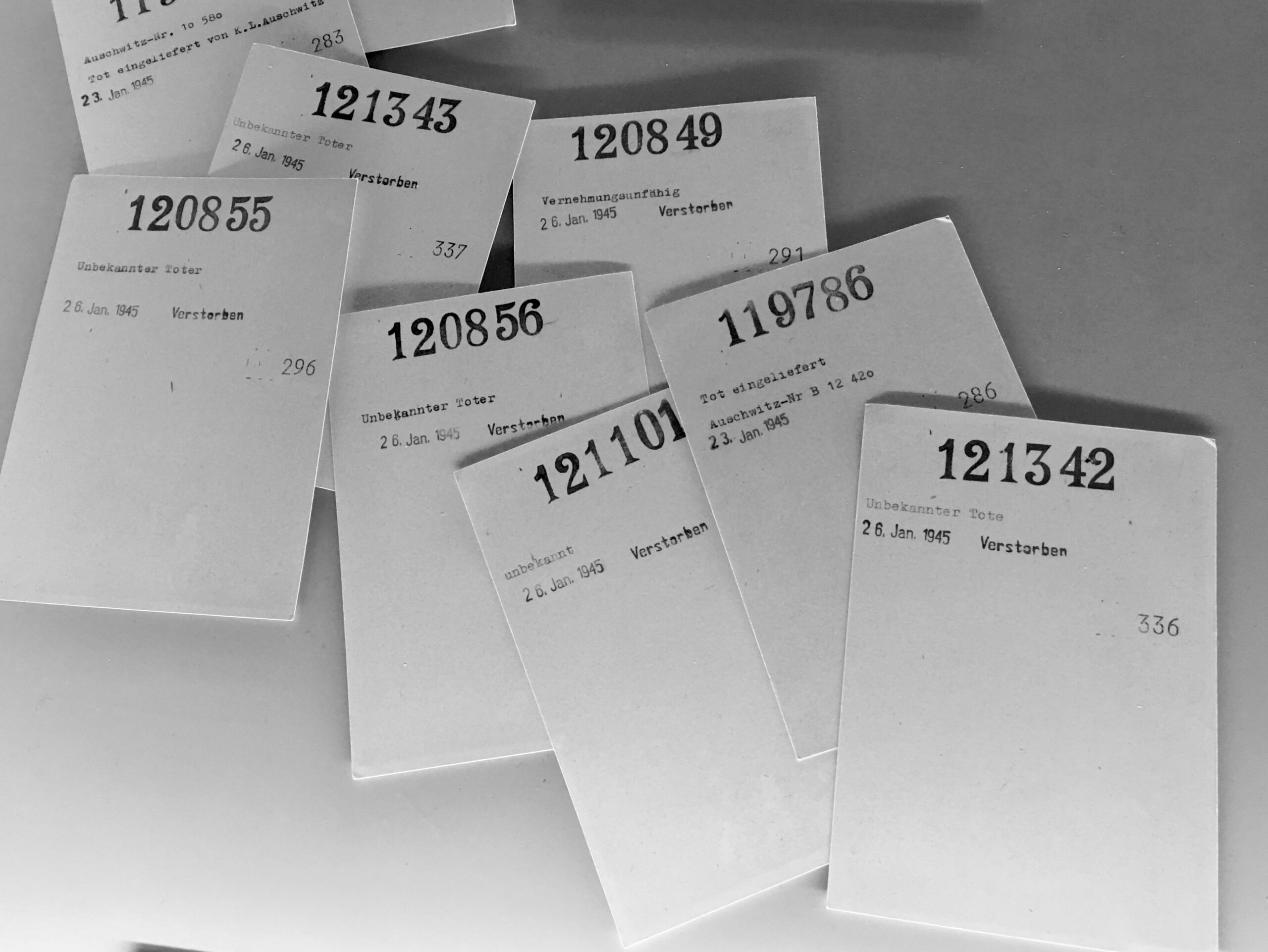
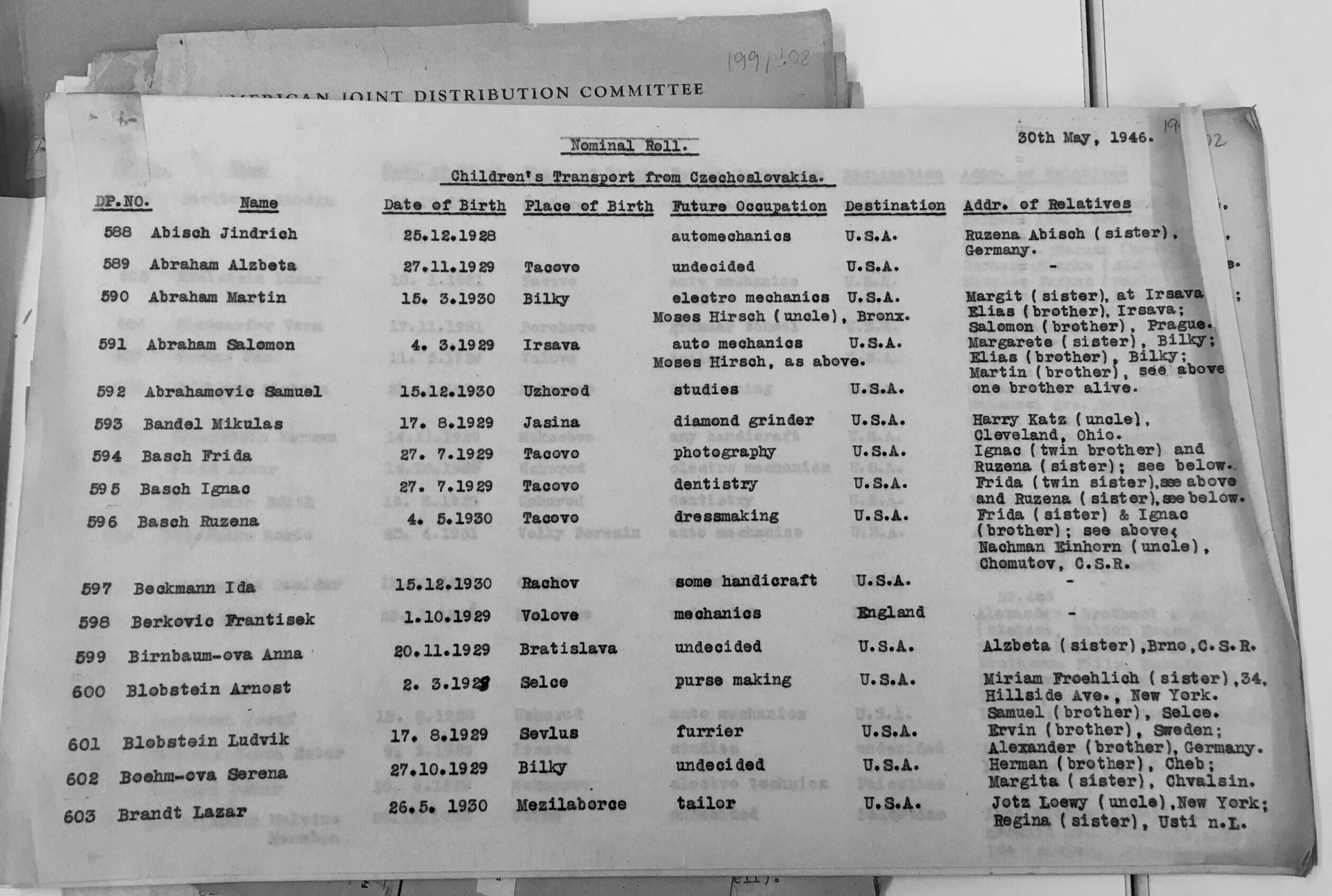
As a result of the research as well as drawing on resources that are held at London’s Wiener Holocaust Library, The London Metropolitan Archives aswell as the Arolsen Archives in Germany, Whitehouse was able to compile the first complete list of the names of the members of the Boys.
The Challenges
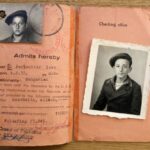
Some elements of these lists are not 100% accurate as some of the Boys travelled on assumed identities, gave a false date of birth and some of the listed names were originally spelt incorrectly.
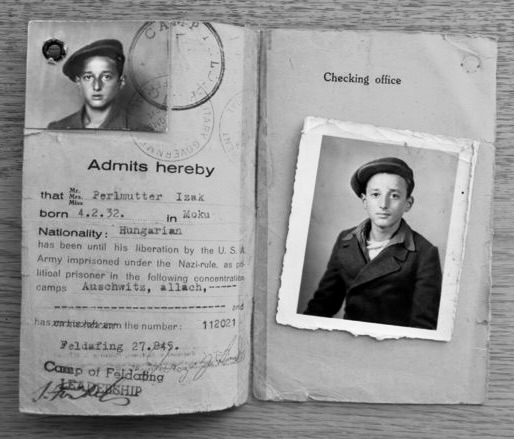
It was therefore necessary to cross check their names on further lists made at a later date – notably The Complete List of Children Under the Care of the Committee for the Care of Children from The Camps, which was drawn up by the Central British Fund in the summer of 1946. In most cases the Boys Displaced Person’s (DP) number remained the same, which facilitated the research.
The A-Z of the Boys names was also cross checked with lists compiled by World Jewish Relief, formerly the Central British Fund. The CBF archives held by World Jewish Relief revealed the details of the fifth group of the Boys. Barbara Barnett’s The Hide and Seek Children (2012) provided crucial background information to this story.
For each of the Boys, these lists provided Whitehouse with names, birthplace, age, Displaced Person (DP) number, point of departure for Britain and the date of arrival in the UK. In some cases, this is all the information that is available so far.
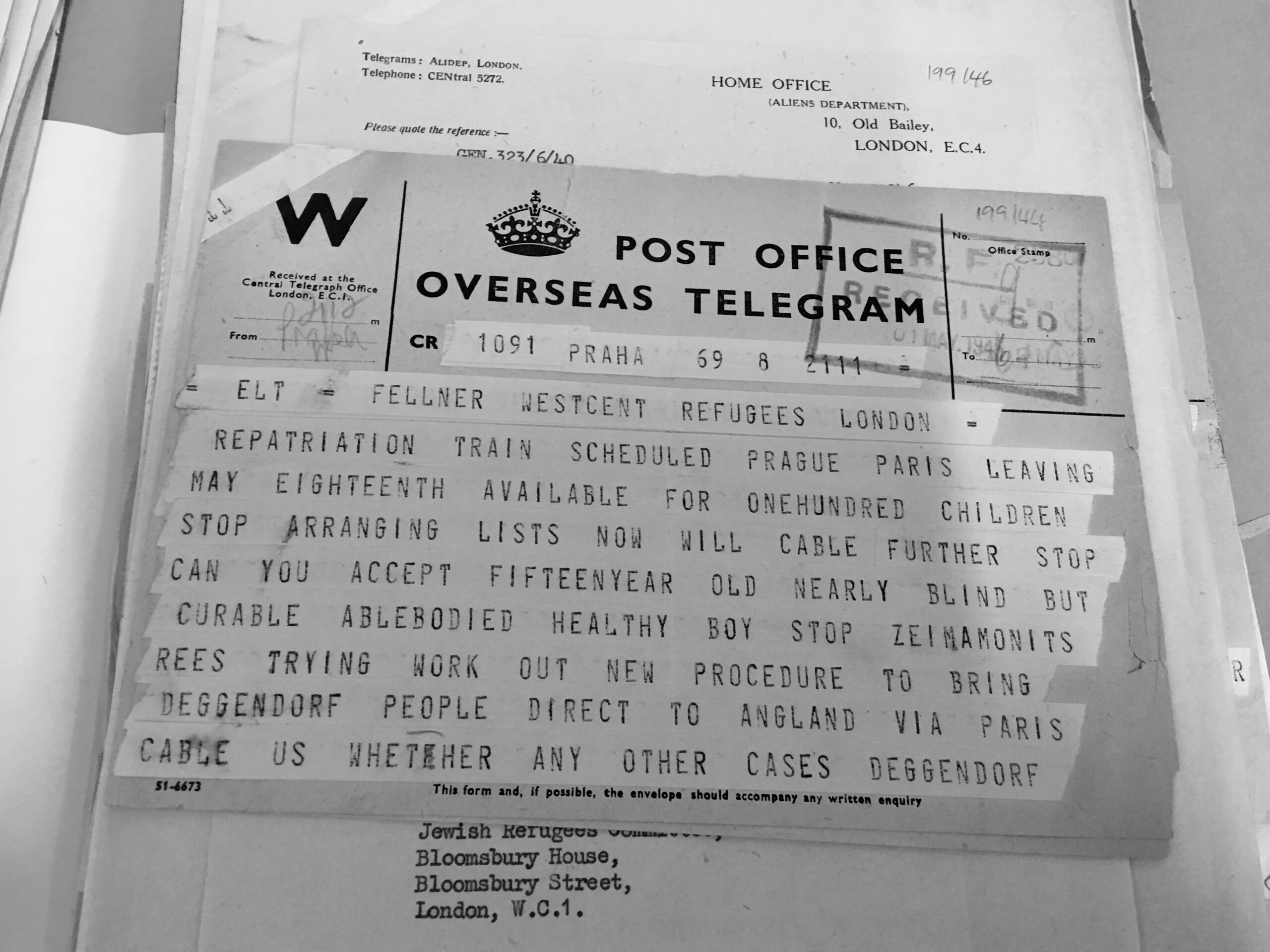
The archives at the Wiener Holocaust Library, the London Metropolitan Archives and the Mémorial de la Shoah in Paris shone considerable light on the Boys Journeys to the UK.
In Prague, Whitehouse visited the the Presmyl Pitter Archives and the children’s homes south of the capital where they were cared for.
The Augustiner Chorherren Museum in Markt Indersdorf in Germany also assisted in her research.
In order to create profiles for each of the Boys, the 2020 research team consulted the online archives at the Arolsen Archives in Germany, the British Library, the UK Imperial War Museum, the United States Holocaust Memorial Museum, the USC Shoah Foundation in the USA and Yad Vashem in Israel, all of which are in the public domain. These archives include testaments, Nazi documentation, survivor registers and lists drawn up by various aid organisations in the immediate aftermath of the Holocaust.
The ’45 Aid Society history archive is a work in progress. If you have any additional information that may help us, please get in touch by sending us an email.
Background
A number of previous initiatives have captured elements of the story of the Boys.
These include ’45 Aid Society journals, a book by Sir Martin Gilbert and a documentary film by Herb Krosney in the 1990s, individual stories published by some of the Boys and a TV drama and documentary in 2020 about the first group of the Boys brought to the UK.
As time has passed, it has become clear that, due to the enormous historical significance of the Boys, the details of their story need to be recorded in one place. This is even more important as we lose the opportunity to hear from the Boys in person. As a result we decided to undertake an ambitious archive project to gather this information online, making it searchable and available to their families for future generations.
In 2020, we launched a project, to research the Boys’ stories further and to present our findings in an archive online. Since then writer and Journalist, Rosie Whitehouse, has headed the research team, working alongside project leader and ‘45 Aid Society Vice Chairman, Philip Burton. A team of interns was recruited from the grandchildren of the Boys (the 3rd generation) and others connected to the ’45 Aid Society, which contributed to research in 2020.
The 2020 research team was tasked with documenting the detail of the Boys’ story, including how they arrived in the UK, where they stayed on arrival and who looked after them. Through this project, the team has created an archive which serves as both a central historical research tool and as a memorial to the communities where the Boys were born as well as a celebration of the lives of the Boys themselves.
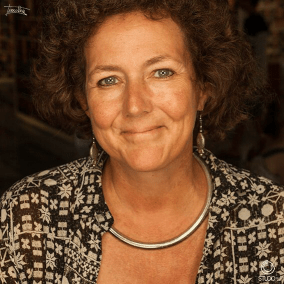
Whitehouse is the ’45 Aid Society’s Historical Advisor and is the head of the research team. She is a journalist specialising in Jewish life after the Holocaust. A graduate of the London School of Economics. She writes for BBC Online, The Observer, The Independent, Tablet magazine, The Jewish Chronicle, Haaretz and others.
Whitehouse is the author of the critically acclaimed The People on the Beach: Journeys to Freedom After the Holocaust (Hurst, 2020), The Holocaust: A Guide to Memorials, Museums and Sites (Bradt, 2024) and Two Sisters: Love Betrayal and Resistance in Wartime France (Hurst, 2025).
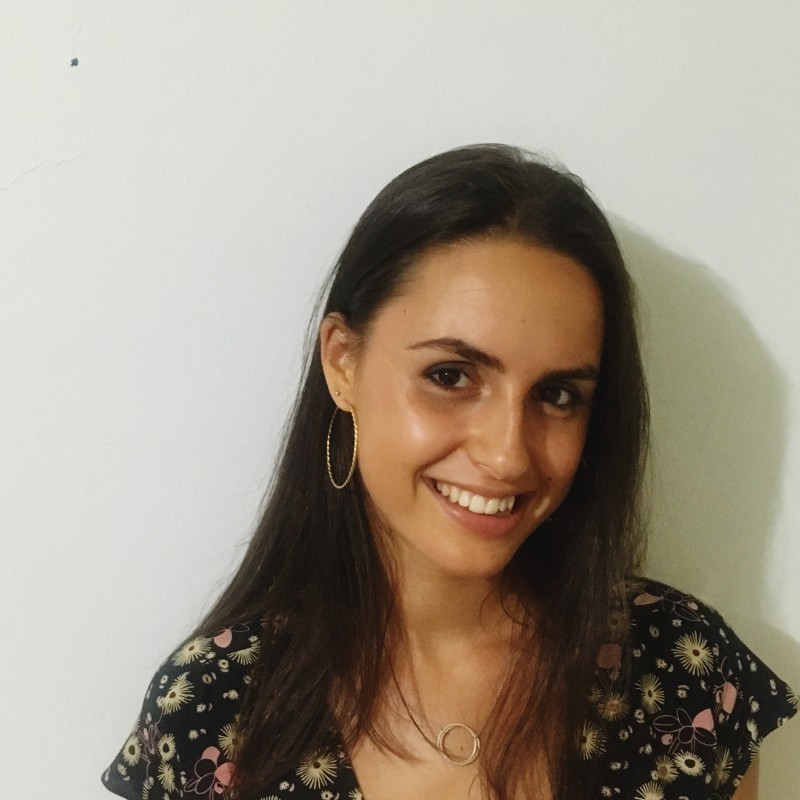
Burton is the granddaughter of David Herman, one of the Boys. She has a Masters degree in Food Policy and a BA in History and Spanish. In 2020, she coordinated the work of the research team together with Rosie Whitehouse, producing the content of the History section of the website and overseeing a team of third generation interns.
In 2025, she and Whitehouse led the content production for the updated website, researching and developing content on the birthplaces, ghettos, camps, organisations and carers in the Boys’ story. Burton is based in Rio de Janeiro, Brazil, where she has continued to give testimonials of David’s story to audiences in Portuguese.
Gaby is currently doing a Master’s degree in History at Oxford University. While working for the ’45 Aid Society, she researched and wrote profiles of The Boys, mostly from the second group. She also worked closely with Rosie and Emily to compile the map of The Boys’ hometowns.
Amy is the granddaughter of Victor Greenberg, one of The Boys who came to the UK as part of the third group. Amy helped to write profiles for many of The Boys, researching and retelling the stories of their time in the war and how they came to the UK. She is a student at the University of Bristol, studying Geography with Innovation (MSci).
Hannah Hopkins is Victor Greenberg’s granddaughter. She is currently attending Oxford University, reading English language and literature. She worked on the project with her cousin Amy Greenberg, researching the stories of the Boys. She helped write the biographies for the Boys, mapping out their individual journeys.
Zac was responsible for researching and creating several of the biographical profiles on the website. Zac is currently a student at Bristol University studying Economics and Management and is the grandson of one of the Boys, Victor Greenberg. Primarily responsible for completing the profiles of the fourth group of the Boys, who almost all came from the Carpathian Mountains, Zac was able to explore stories similar to that of his grandfather’s, who was also born in the area.
Ruby has recently completed an English Literature BA at the University of Birmingham and is about to begin a master’s degree in World Literatures at Oxford University. During her time volunteering for the ’45 Aid Society, she researched and wrote profiles about the lives of The Boys and the people who helped them, both in Europe and the UK.
The ’45 Aid Society asked writer and journalist, Rosie Whitehouse, to begin research into the story of the Boys. Whitehouse’s work in tracing the Boys in the Ascot hostel inspired a wider scale research project – to research each of the 40+ hostels where the Boys were cared for after their arrival in the UK.
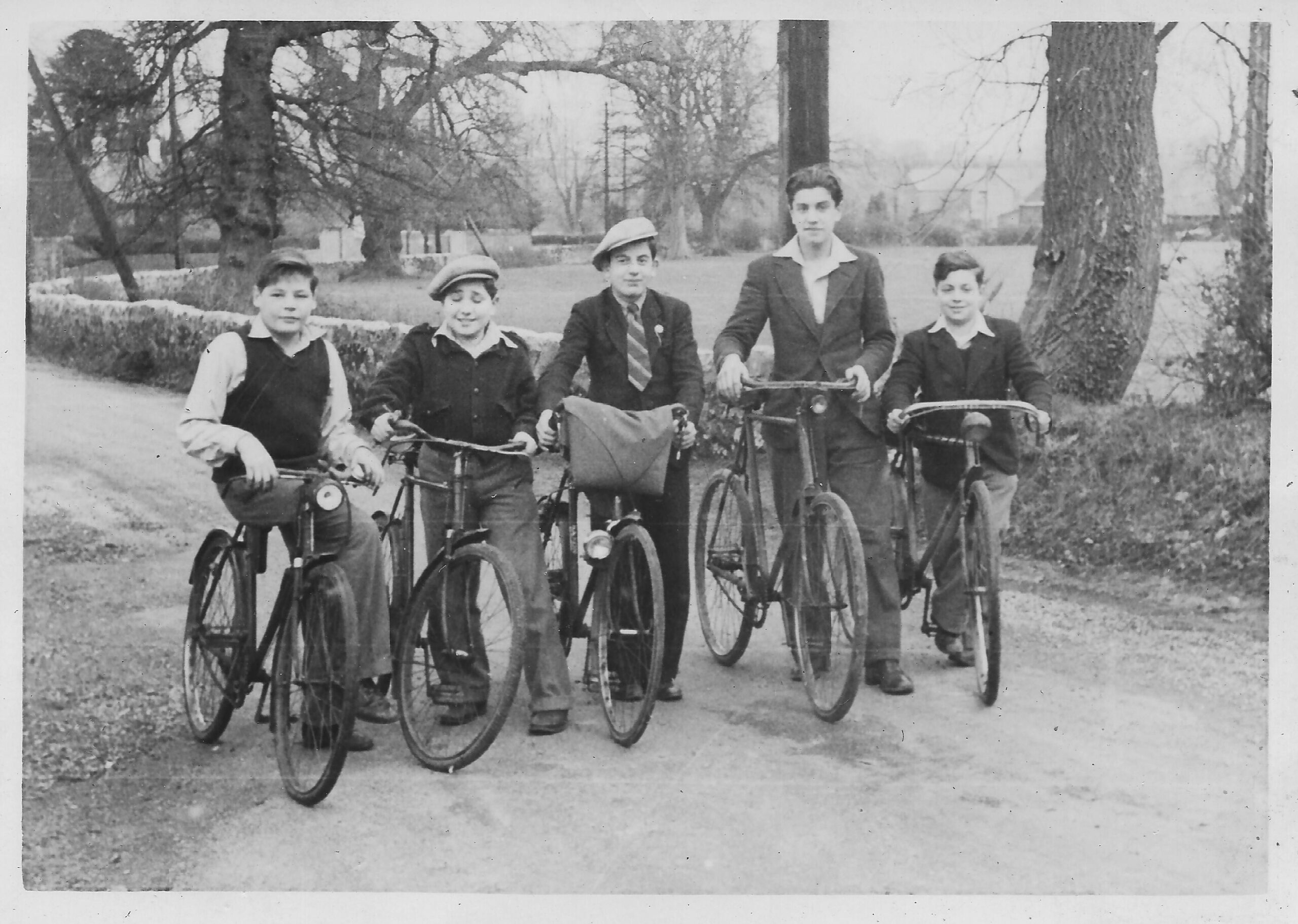
Further research was undertaken by Whitehouse in 2019, in archives in London, Prague and Yad Vashem, Jerusalem. This revealed a more complex narrative about the Boys, unearthing further details of their story that were previously undiscovered.
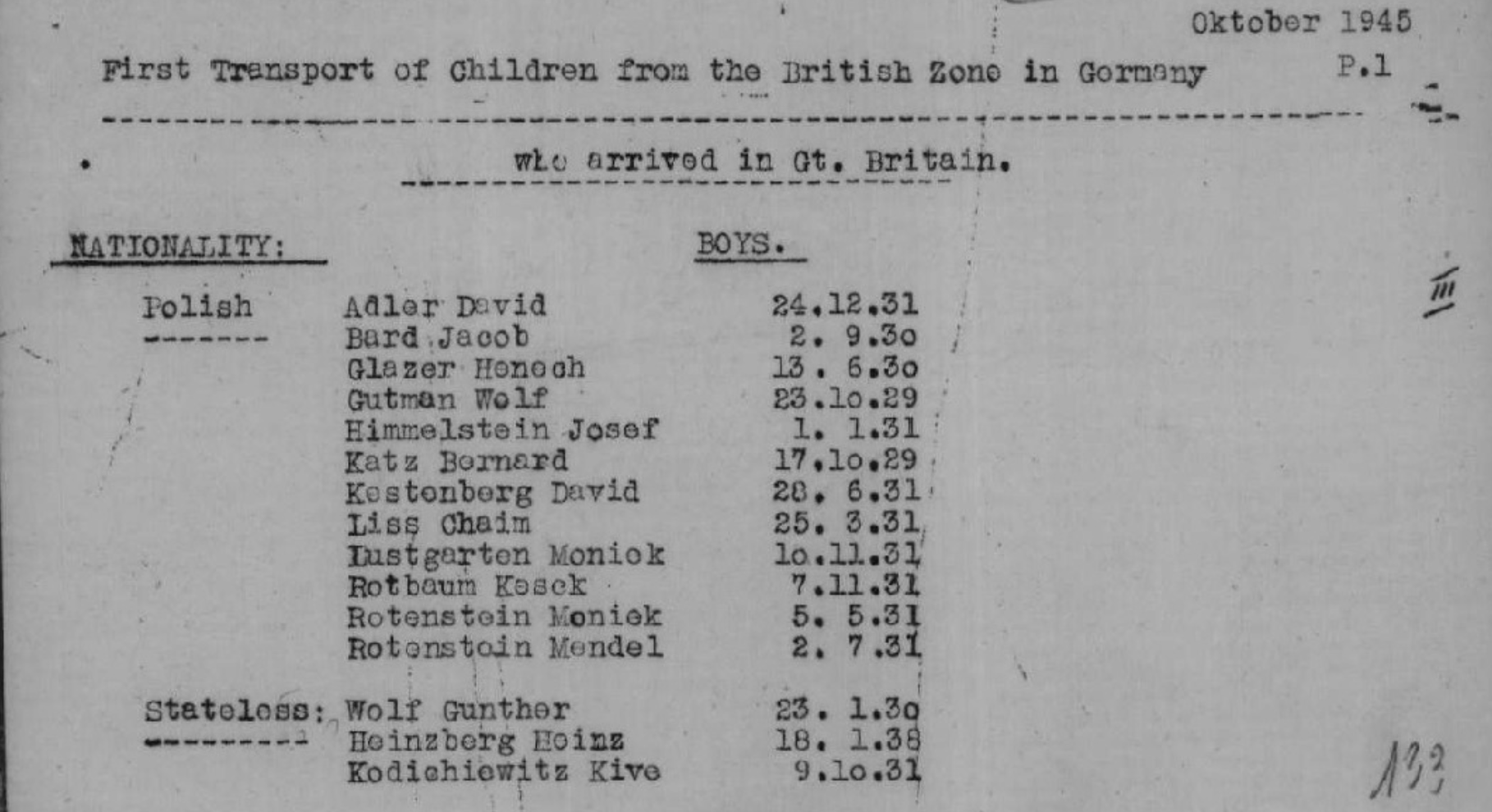
The research team created a short profile on each of the Boys. Inevitably, some profiles are more detailed than others, due to the information available, and as many Boys moved abroad making them more difficult to trace. The profiles are ongoing research and continue to be open to contributions from families and organisations.
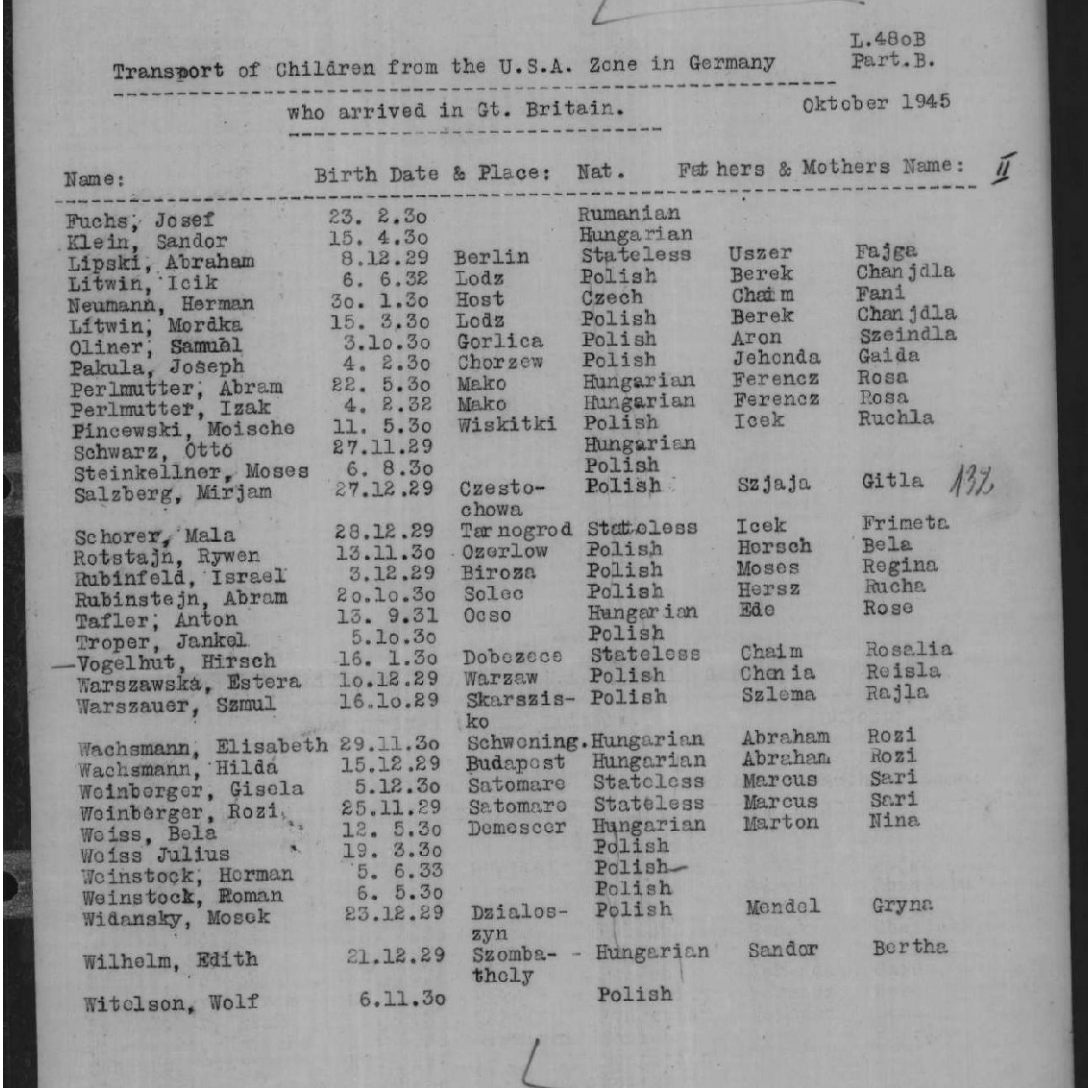
The next phase of the project was completed with publication of the online archive in the History section of the website. Details were made available for the first time of the Boys, their origins, the hostels and key figures who cared for them in the UK.
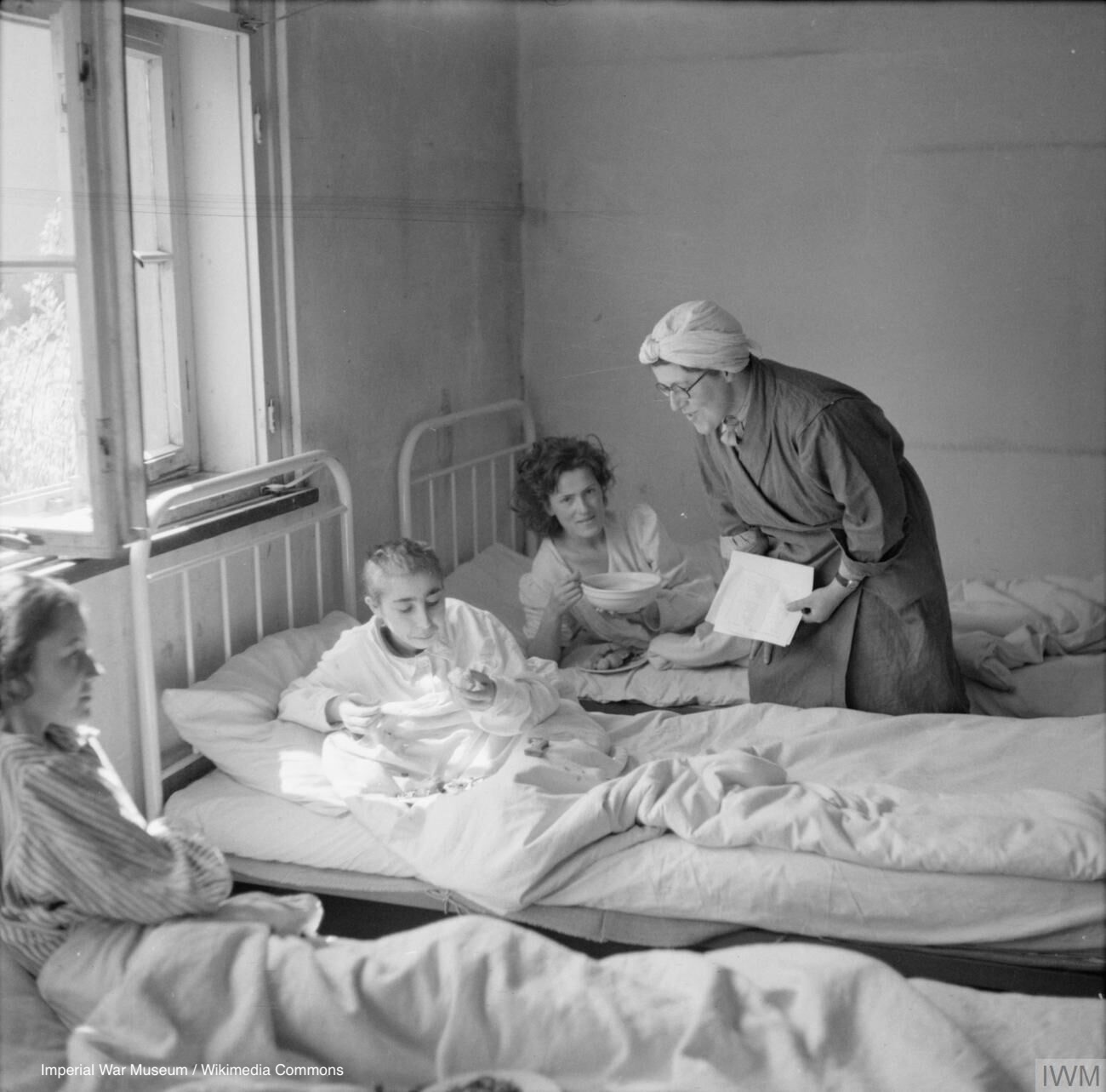
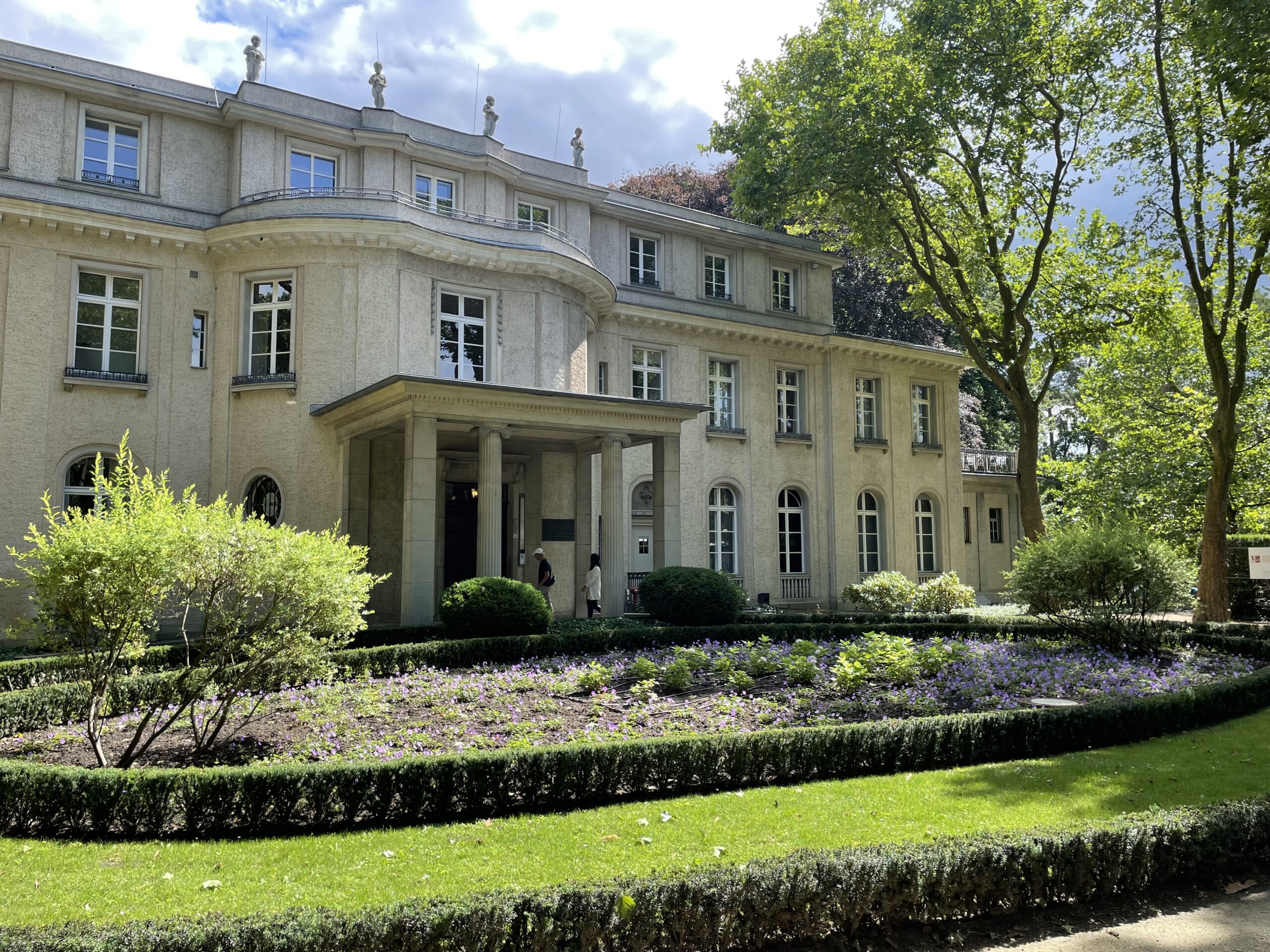
In autumn of 2024, Whitehouse began in-depth research into the ghettos, concentration camps, death marches, DP camps and children homes in the Boys’ story. She also looked into their lives after the liberation, discovering the places where they built new lives.
This work was published on this website in 2026.
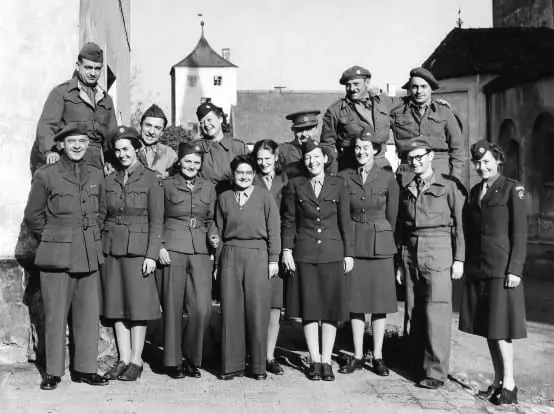
This research is work in progress. If you have any further information, photos or feedback, please drop us an email at info@45aid.org.
 About
About History
 Education
 Quilts
 FIlms
FIlms Photos
 News Media & Events
 Publications
 Donate