Members of the Boys were held in Nazi labour and concentration camps and used as slave labourers.
From 1933-1945 Nazi Germany operated over 1,000 concentration camps and subcamps in its own territory and across German occupied Europe.
The Boys were teenage and child-Holocaust survivors, who were brought to the UK after the war for rest and rehabilitation.
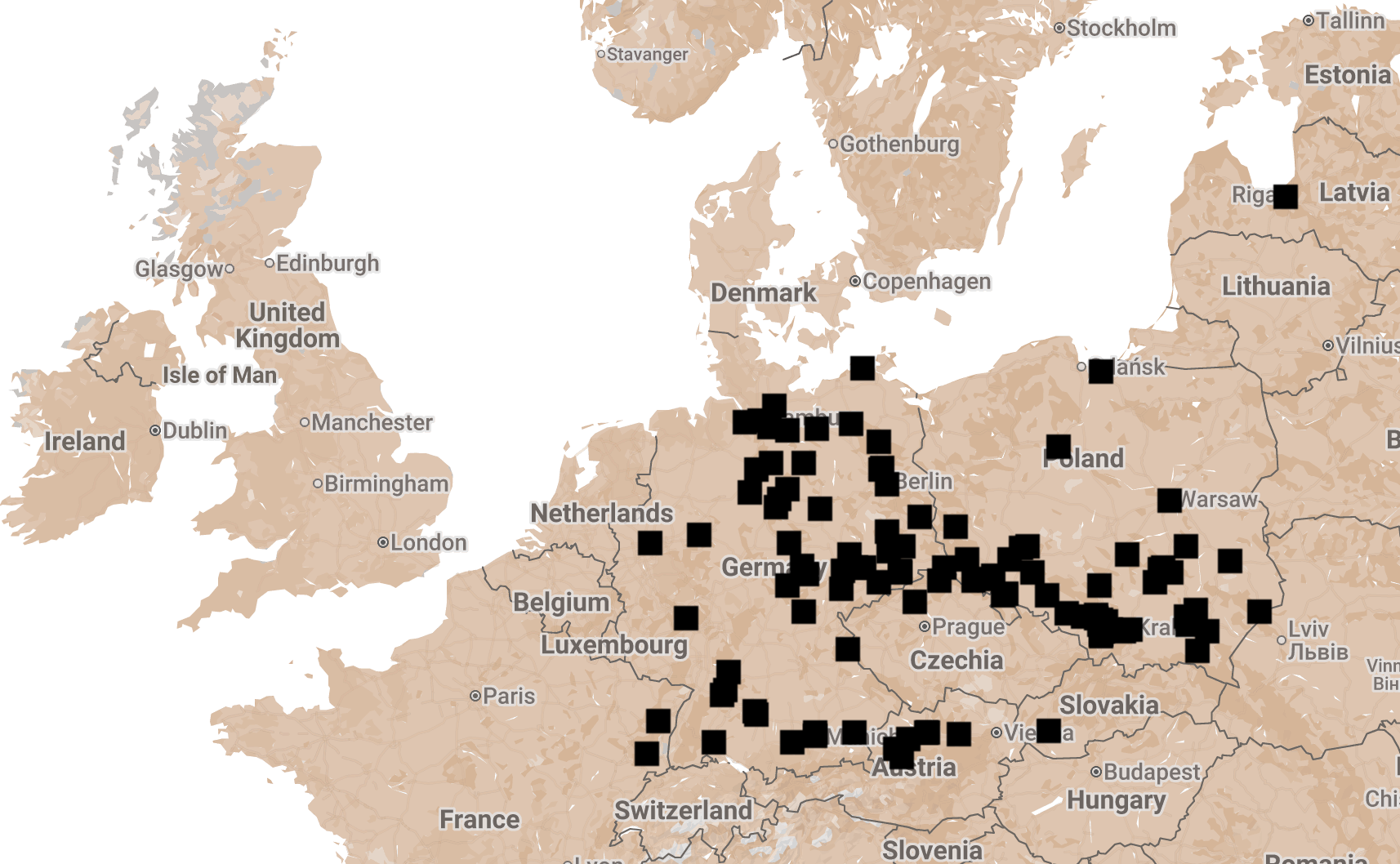
Identifying the camps where members of the Boys were imprisoned is ongoing historical research.
Timeline
1933-1939 Before World War II broke out in September 1939 most of the prisoners held in the Nazi concentration camps were German political prisoners, criminals and those considered ‘asocials’ by the Nazi regime.
1938 A significant number of German, Czech and Austrian Jews were held in concentration camps after the 1938 November Kristallnacht pogrom.
1939-1945 Hard labour was a key component of the concentration camp system and became increasingly important as the economy was put on a war footing. The need for armaments increased when World War II broke out and after the invasion of the Soviet Union in June 1941.
The concentration camps that the SS controlled offered a cheap and expendable source of labour. That labour force could put to work for its own enterprises or hired out to the army and commercial enterprises.
World War II After the outbreak of war resistance leaders in occupied territories and Soviet prisoners of war were also interned in concentration camps.
Until 1942, very few Jews were interned in the camps. At this point in occupied Poland, the Baltic States and occupied Soviet territory they were held in ghettos. Some forced labour was unpaid but most Jews who worked received pay even if it was minimal.
1941 Everything changed when the invasion of the Soviet Union failed to proceed at a blitzkrieg pace and the Nazi plan to resettle Europe’s Jews in Siberia was abandoned. In its place genocidal policies were adopted.
When the ghettos were liquidated selections were made and those Jews considered fit for work were chosen to be exploited by the SS. They were to be worked to death in the concentration camp system. Allied bombing made the need for slave labour even more pressing as armaments plants were moved underground. As the Allies advanced, Jews were brought into the Reich to work as slaves.
Using Jews as slave labourers did not herald a change in Nazi policy of carrying out the ‘Final Solution’ to murder Europe’s Jews but the needs of the German economy dictated the need to set Jews to work for the benefit of the military effort. The SS deliberately kept the camps in a state of dereliction and issued starvation rations.
Types of Camps
Some camps were to hold specific groups such as Prisoner of War Camps and Zigeunerlager (lit. ‘Gypsy camps’), while others held a variety of prisoners among them members of the Boys.
It is important to distinguish concentration and labour camps from both the extermination camps set up to murder Jews as part of the Nazis genocidal policy of the ‘Final Solution’ and the transit camps for Jews set up to transfer Jewish prisoners to the extermination camps.
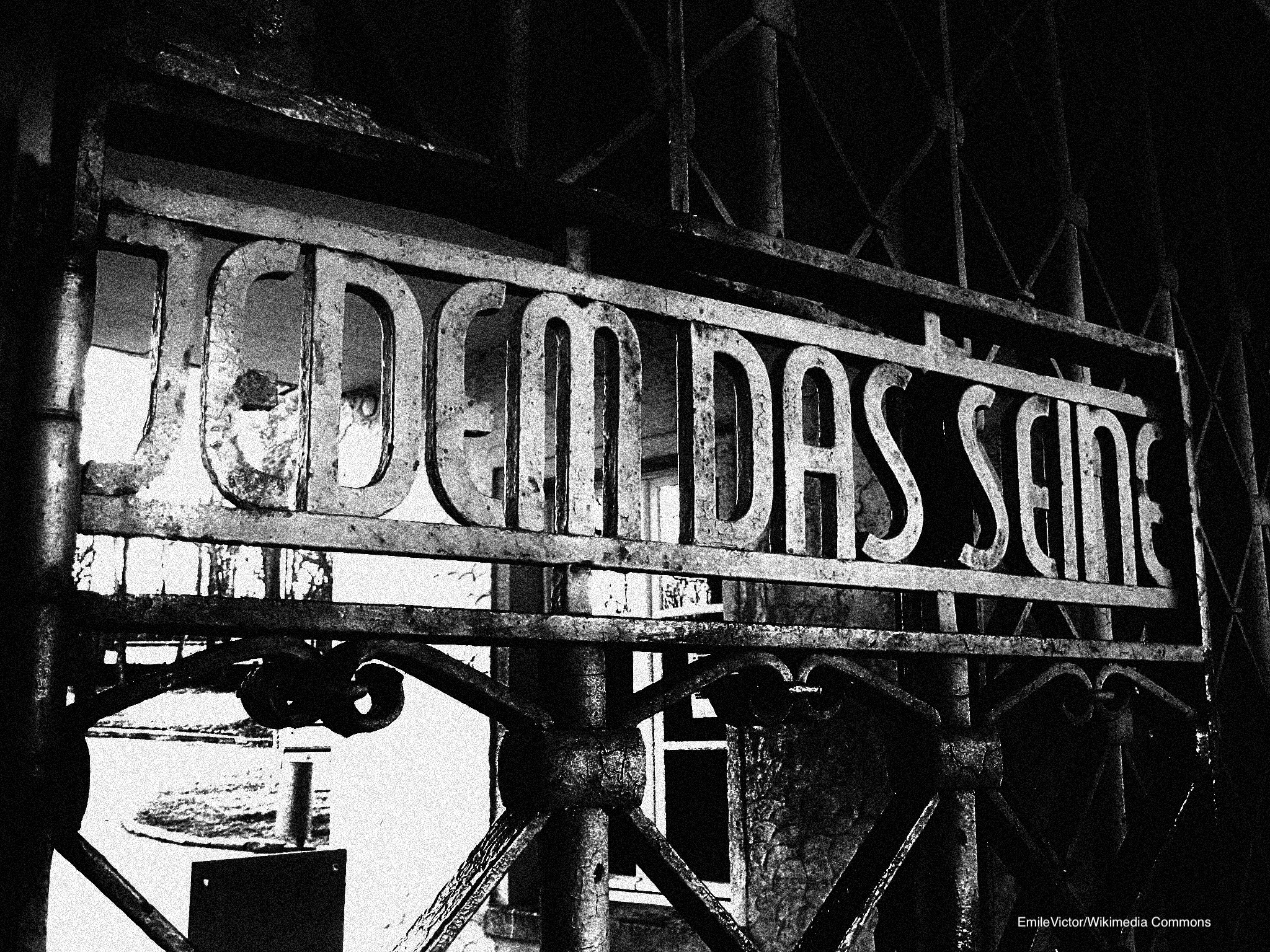
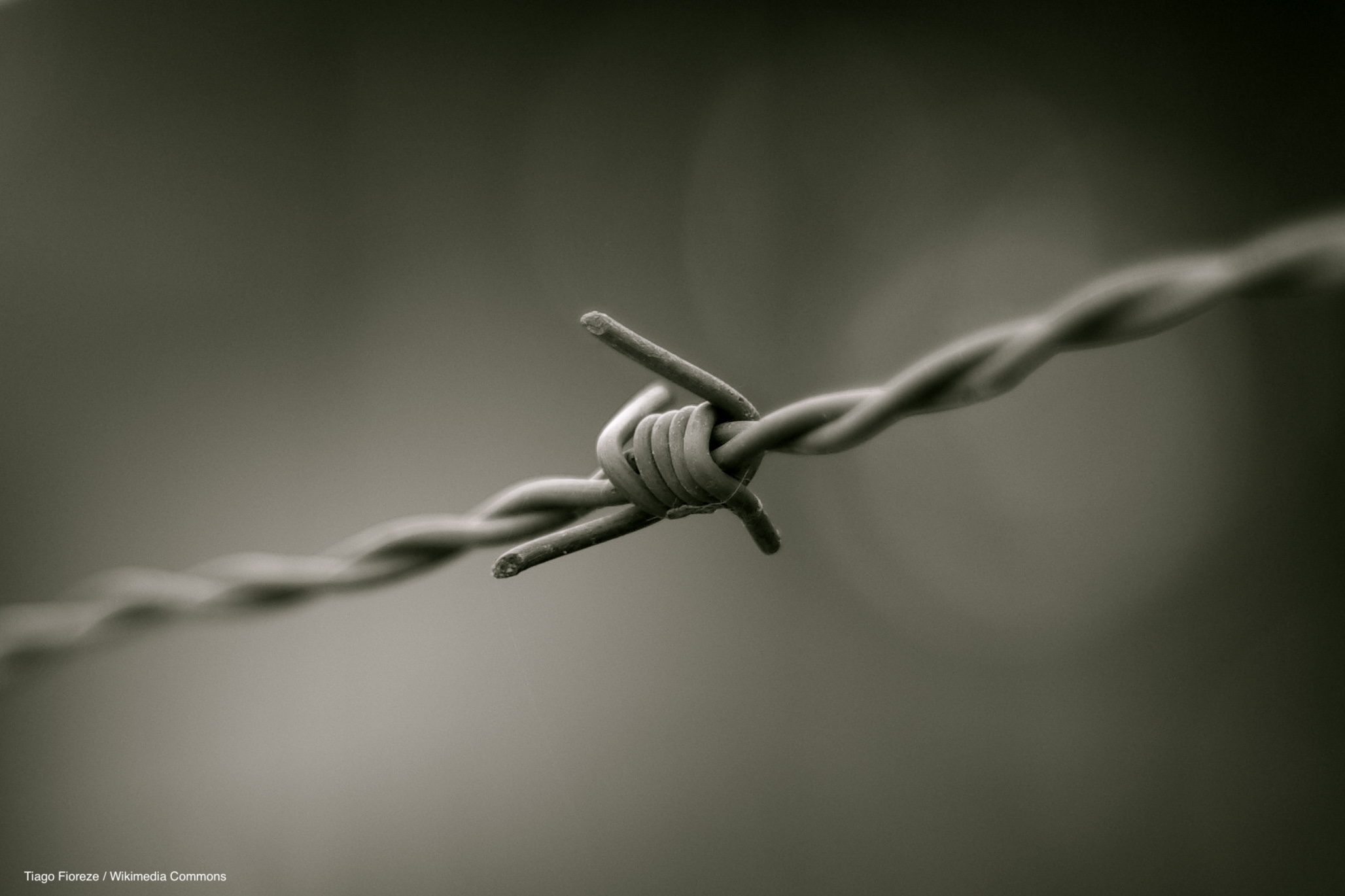
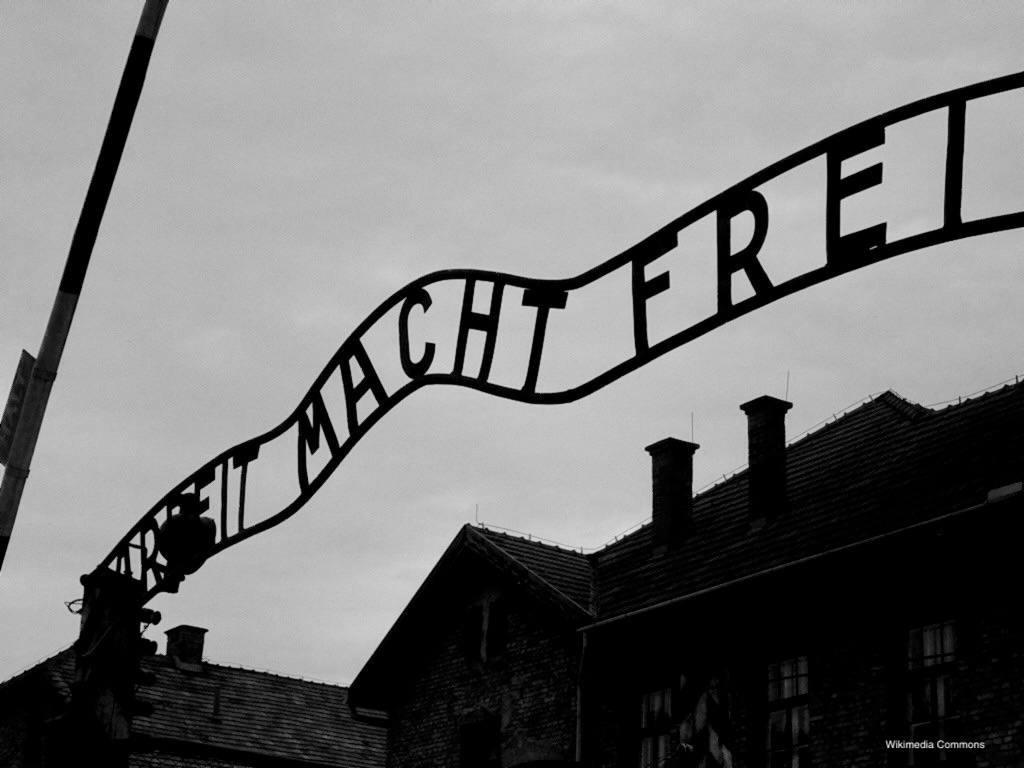
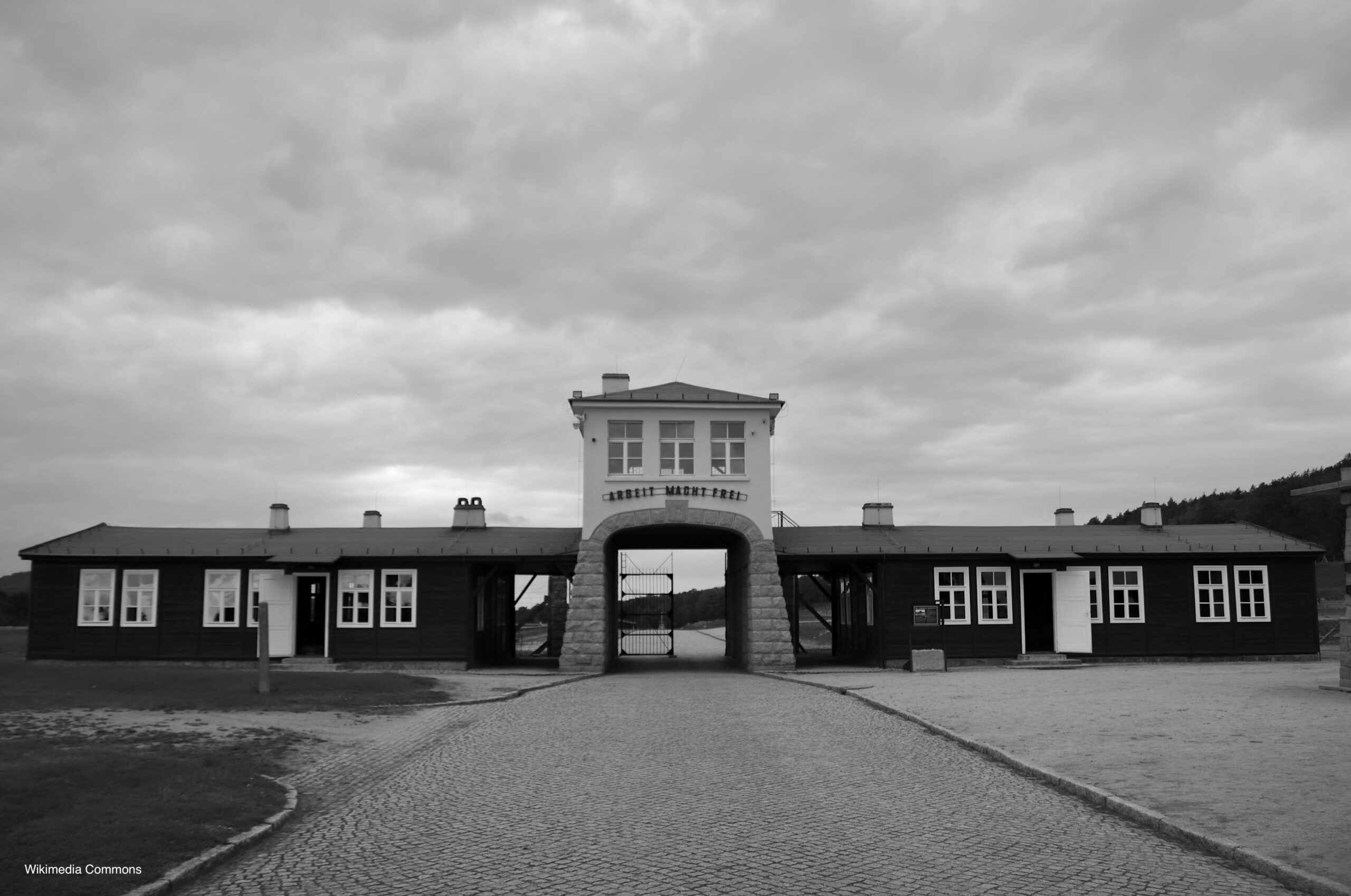
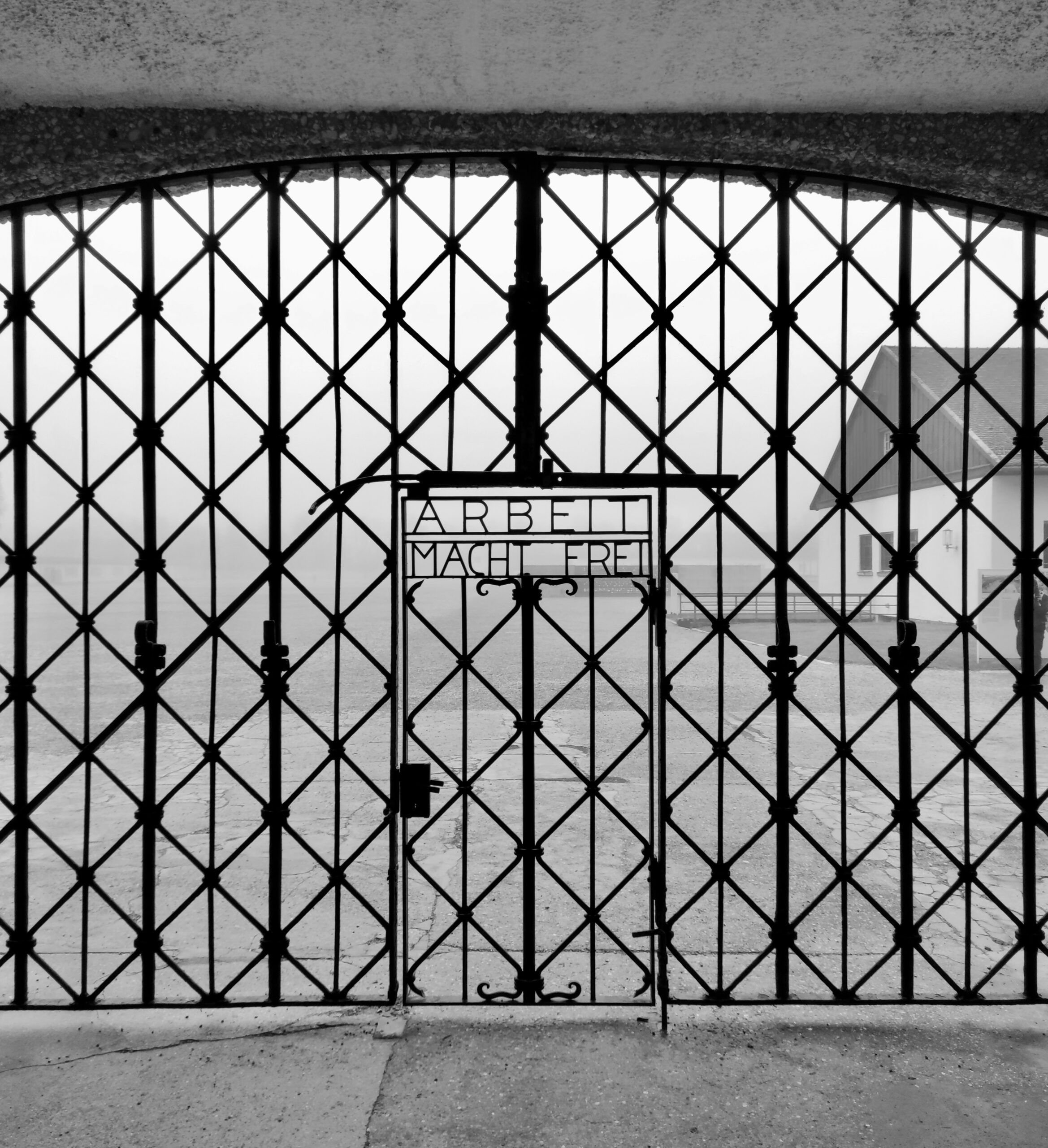
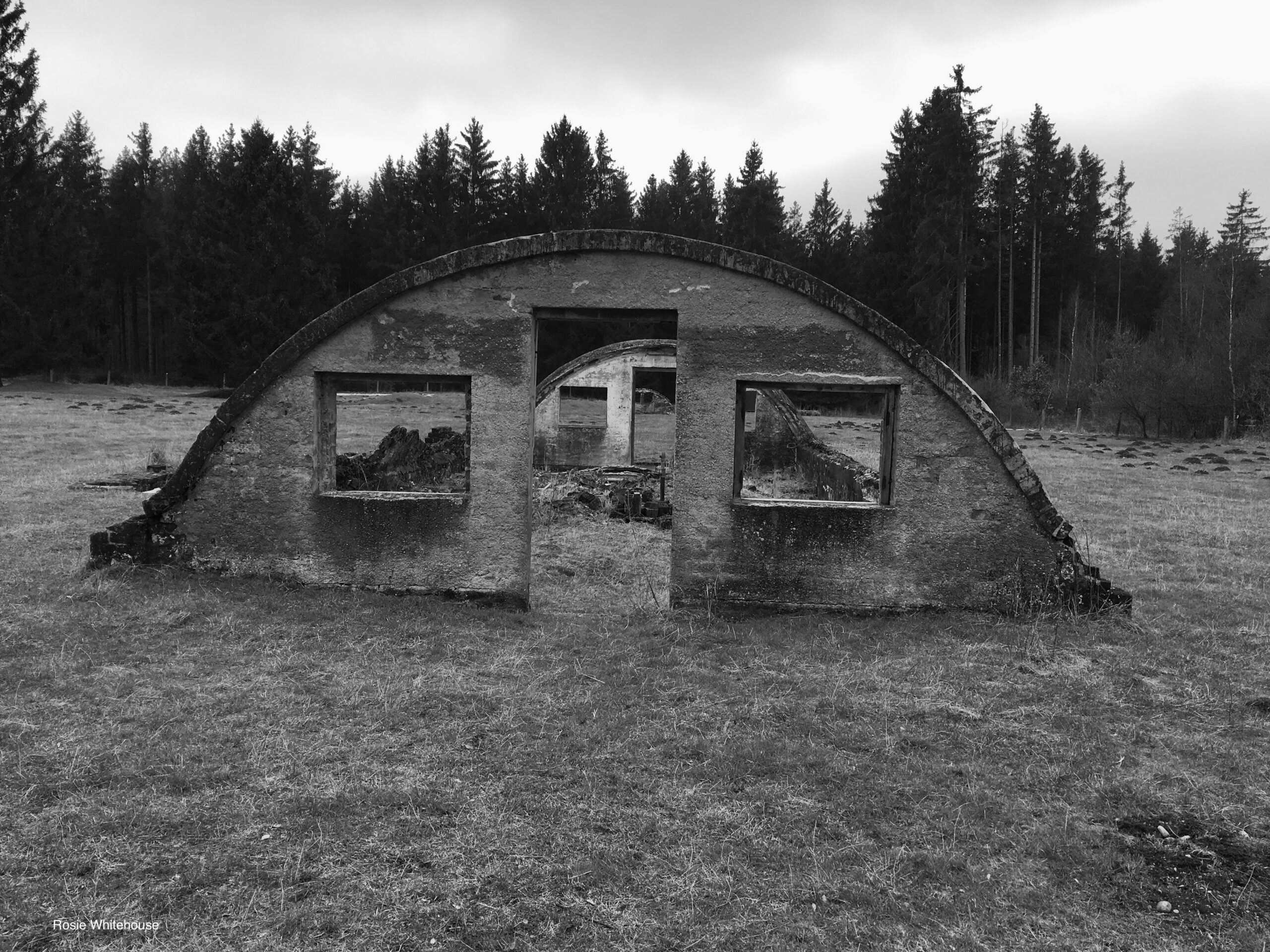
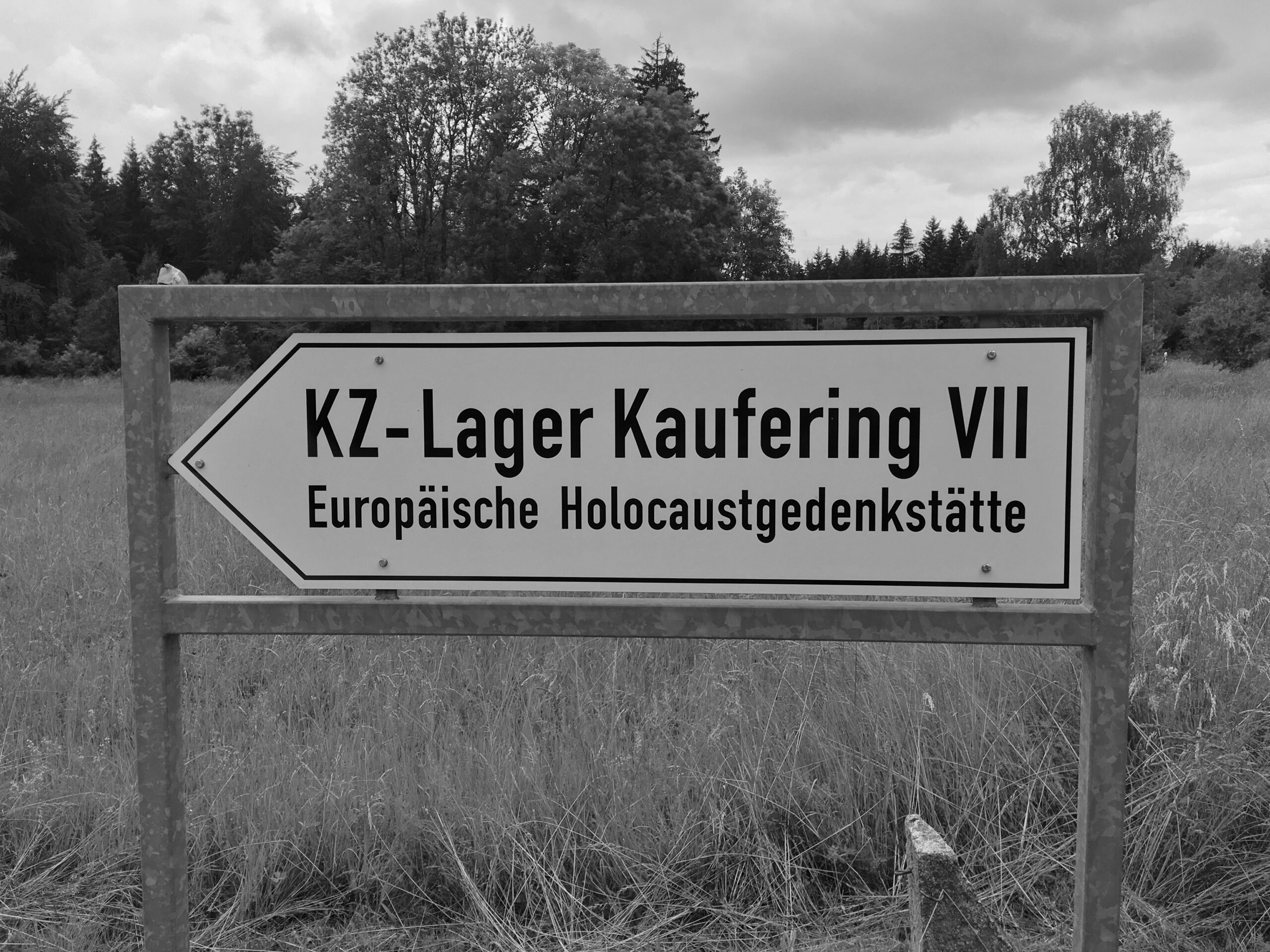
Nazi concentration camps – Konzentrationslager – were a specific type of Nazi camp administered by the SS (Schutzstaffel, Protection Squadron). Initially, the Nazi regime used concentration camps to terrorise and incarcerate political opponents. But over time, the Nazis also imprisoned other groups in the concentration camp system.
The first official SS concentration camp, Dachau, was established in March 1933. This camp became the model for the administration and organisation of SS concentration camps. The Nazi concentration camp system transformed over time. Eventually, it was organised into main camps and satellite camps (often called subcamps).
In addition to Dachau, the Nazis established other concentration camps in Germany before World War II, including: Buchenwald, Flossenbürg, Mauthausen, Ravensbrück and Sachsenhausen. During World War II, the Nazis continued to expand the concentration camp system.
From 1934, the SS Inspectorate of Concentration Camps (Inspektion der Konzentrationslager, IKL) administered the concentration camp system. Later, concentration camps were under the SS Economic-Administration Main Office (SS-Wirtschafts-Verwaltungshauptamt, SS-WVHA).
The SS created a standardised system for its concentration camps. Prisoners were detained without trial and for an indefinite period of time. They were brutally exploited as slave labourers. Barbed wire fences and watchtowers surrounded the camps, which were guarded by SS units.
The SS dehumanised prisoners. Their hair was shorn and prisoners were forced to wear prison uniforms. They were assigned prisoner numbers, which camp staff used instead of their names. The SS used badges to mark prisoners as belonging to different prisoner groups. They fed the prisoners a starvation diet and provided inadequate clothing and medical care. SS guards and prisoner functionaries beat, tortured, abused, and sexually assaulted prisoners with little or no repercussions.
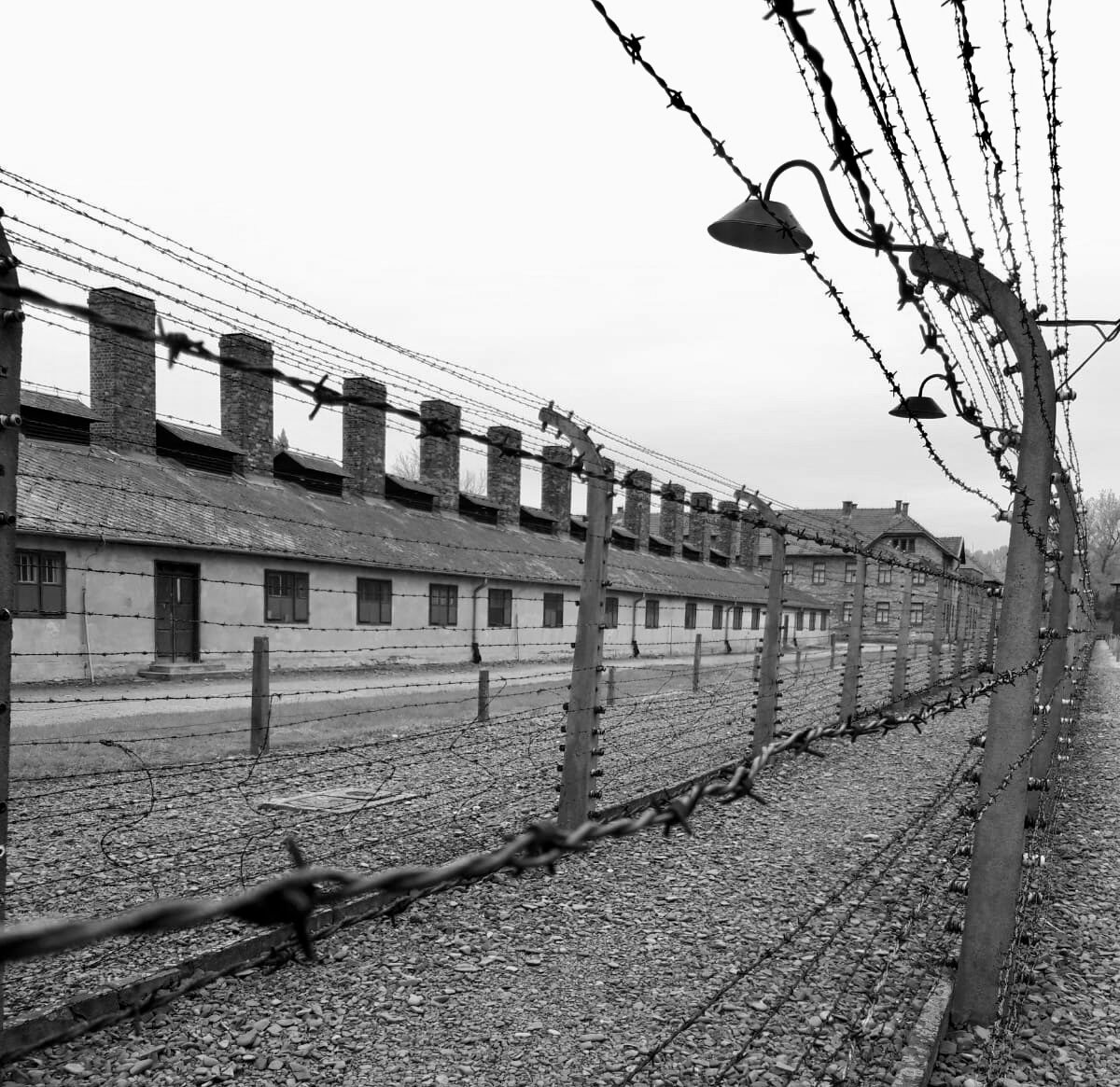
The Nazis began using Arbeitslager – forced labour camps – shortly after their rise to power. The system expanded after the outbreak of World War II to meet the demands of the war economy. The labour camps were separate from the SS-run concentration camps, where prisoners were also forced to perform labour. They were run by the Nazi regime as well as by private companies.
The major types of forced labour camps included:
Although concentration camps and forced labour camps shared some similarities, concentration camps were standardised, forced labour camps fell under various administrative authorities.
Typically, prisoners in forced labour camps did not wear prison uniforms or have prisoner numbers. The distinction between these camp types became increasingly blurred near the end of the war as some forced labour camps became subcamps of concentration camps. For example: Blechhammer became a subcamp of Auschwitz in 1944.
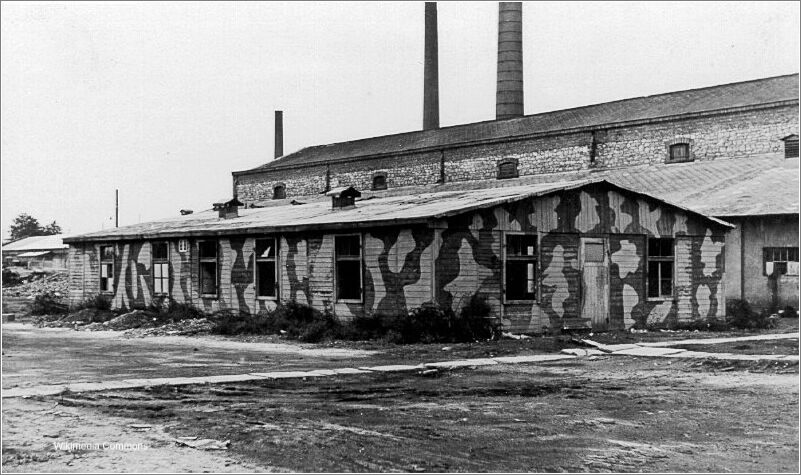
A system of transit camps was set up in western Europe in the areas occupied by the Germans to gather Jews prior to deportation.
Typically, Jews were imprisoned in transit camps and collection camps for several days or weeks.
Major transit camps included:
Westerbork in the Netherlands
Drancy in France
Mechelen/Malines, also known as the Kazerne Dossin, in Belgium.
Theresienstadt Ghetto also functioned as a transit camp for Czech Jews.
Major collection camps included:
Kleine Sperlgasse, Castellezgasse, and Malzgasse in Vienna
&
Grosse Hamburger Strasse in Berlin.
Overall, the conditions in the transit camps were similar to that of concentration camps. Facilities were poor and unsanitary, and overcrowding was common.
Unlike most of the concentration camps within Germany not all of the transit camps were run by the SS. The transit camp of Drancy, near Paris in France, was run by the French Police until 1943.
In eastern Europe and the Balkans Jews were gathered in ghettos prior to deportation or mass shootings.
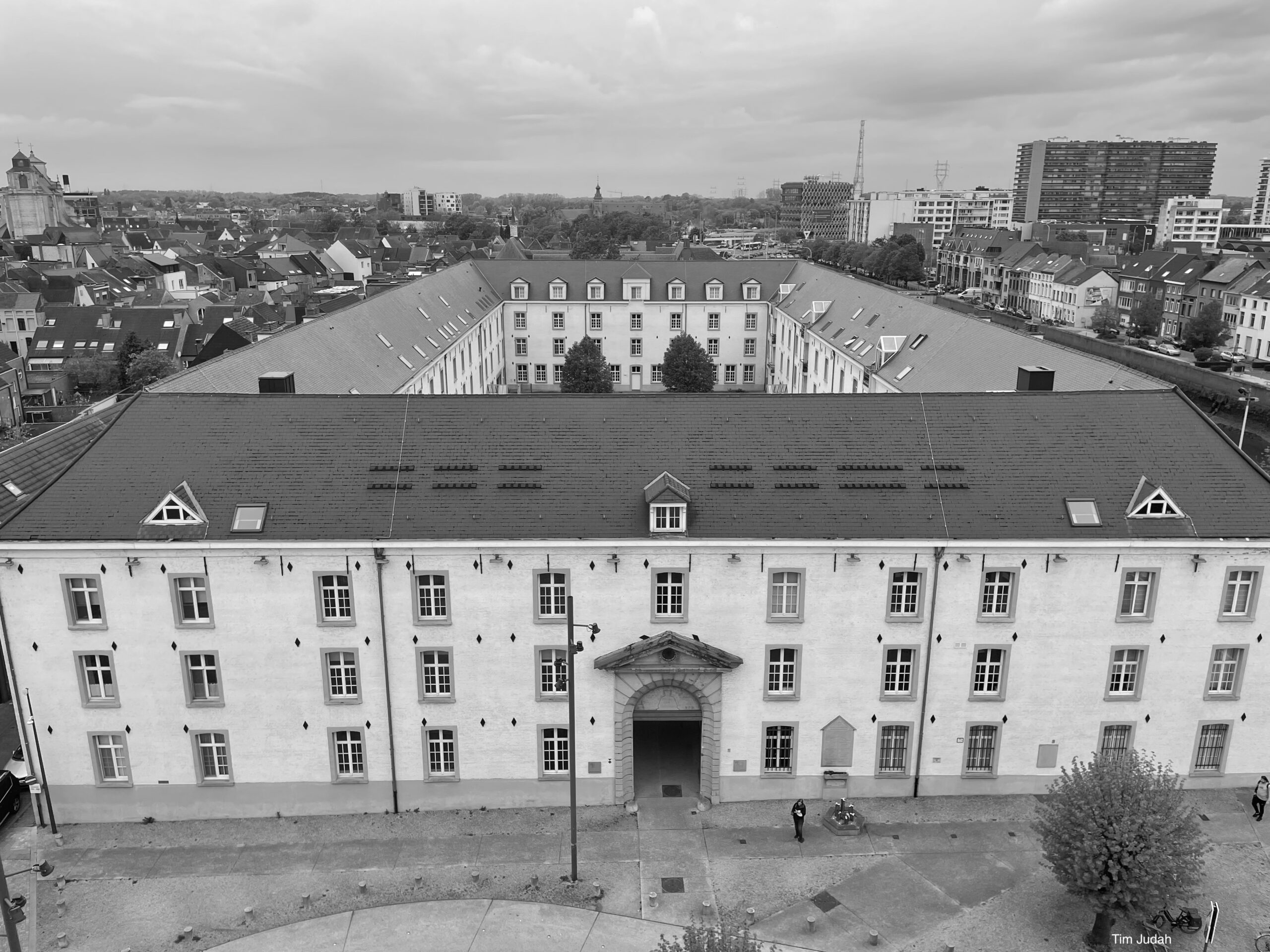
The post-war trials of concentration camps officials and policy makers, including the Nuremberg Trials for leading Nazi officials, involved military tribunals in Allied-occupied zones and national courts that prosecuted camp personnel, such as guards, commandants, and doctors, for war crimes.
These trials, including the Dachau, Bergen-Belsen, Auschwitz, and Majdanek trials, presented graphic evidence from the liberated camps, leading to convictions and sentences that ranged from imprisonment to death.
While Nuremberg focused on the top leadership, the majority of post-war trials involved lower-level officials, including concentration camp guards, doctors, and police officers. At these trials members of the Boys gave evidence.
Sentences varied based on the severity of the crimes and ranged from life imprisonment to execution.
The initial trials often focused on the crime of aggressive war, and the specific persecution of Jews was often treated as part of “crimes against humanity” rather than a distinct focus, which was addressed more directly in later trials such as that of Adolf Eichmann.
The trials were significant because they established foundational principles of international law, revealed the full extent of the Holocaust to the world, and set a precedent for holding individuals accountable for atrocities.
Yet, despite their significance, most perpetrators of Nazi crimes were never brought to trial or punished, and many received light sentences or were released early due to Cold War political considerations.
The Extermination Camps
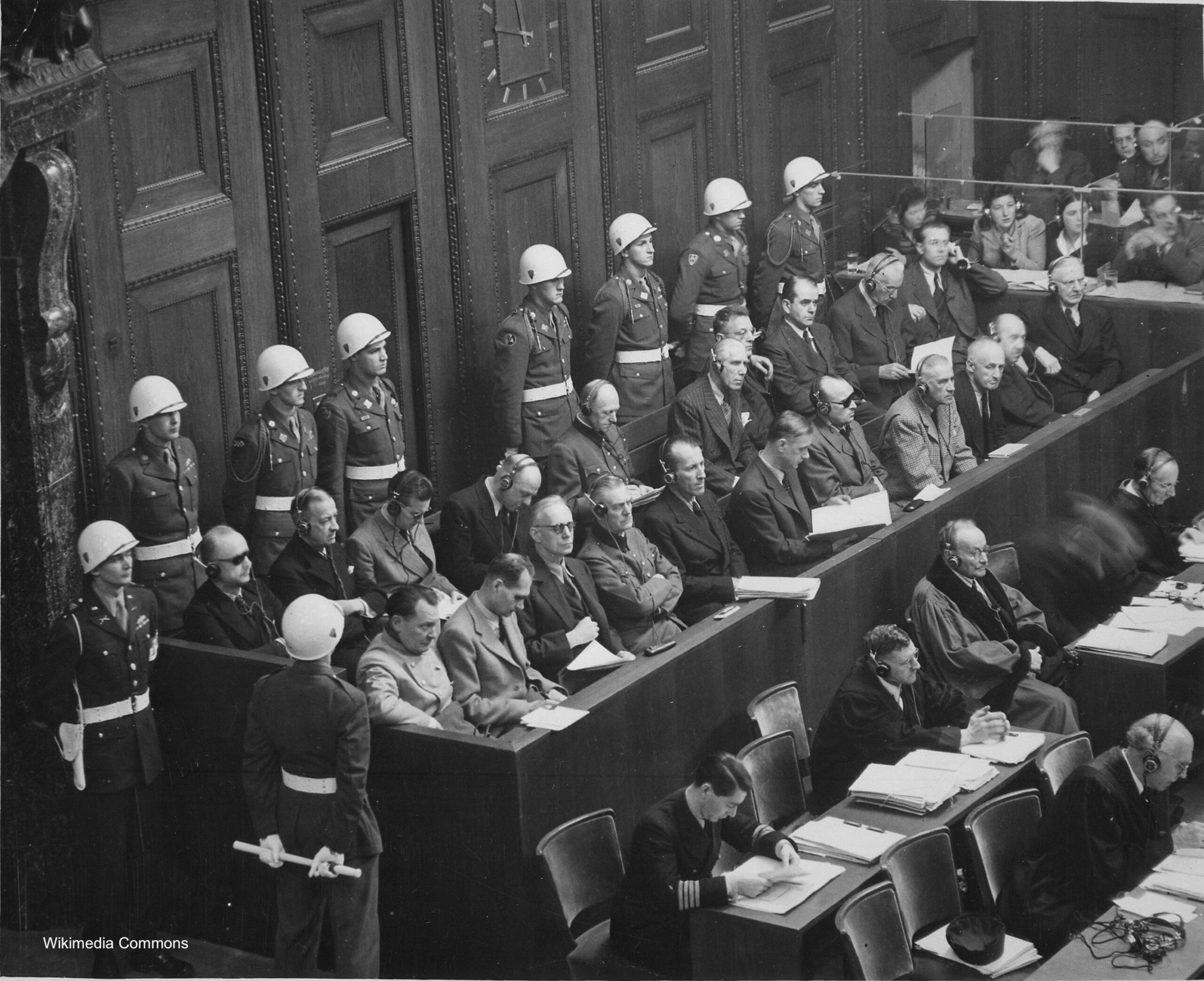
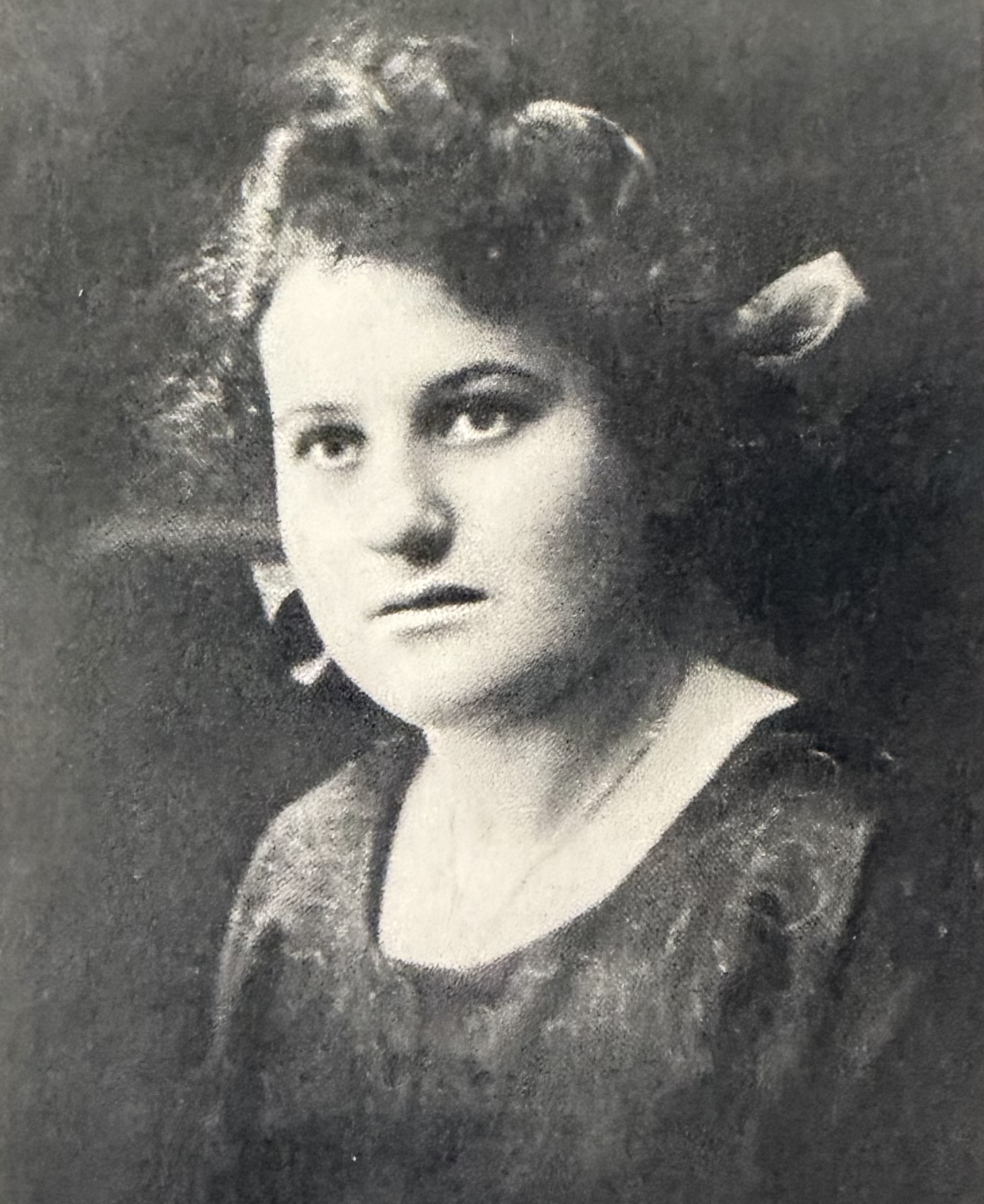
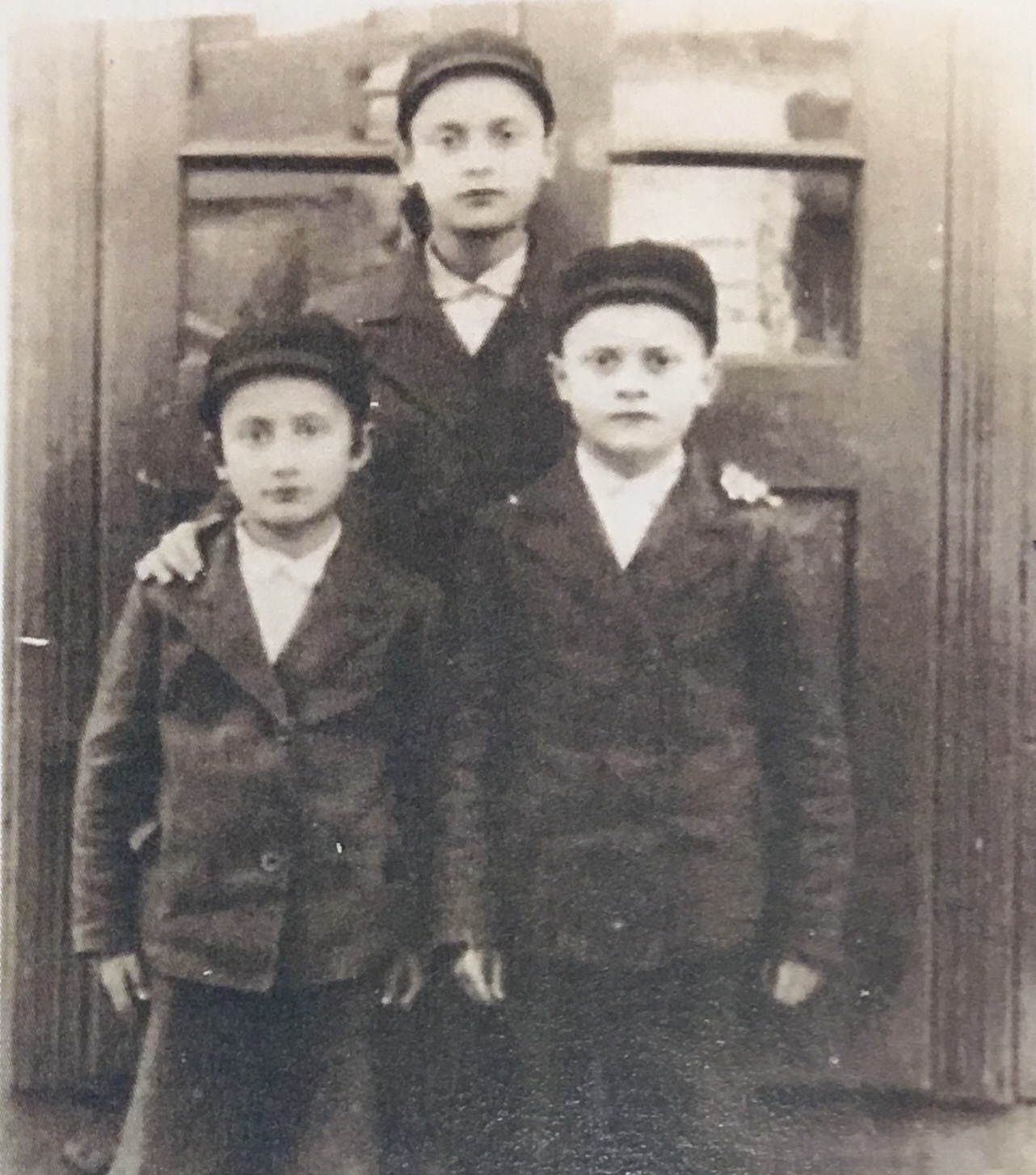
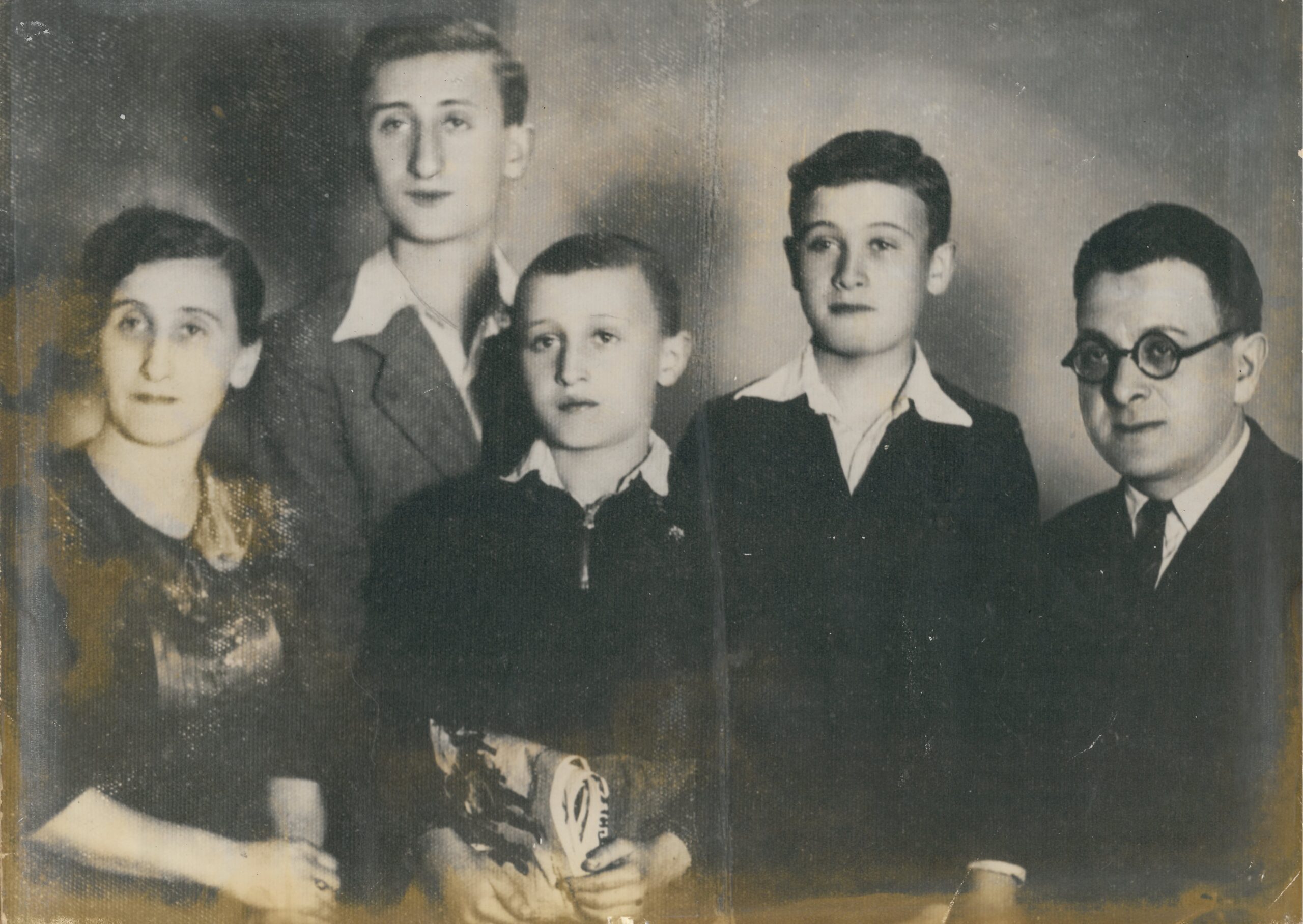
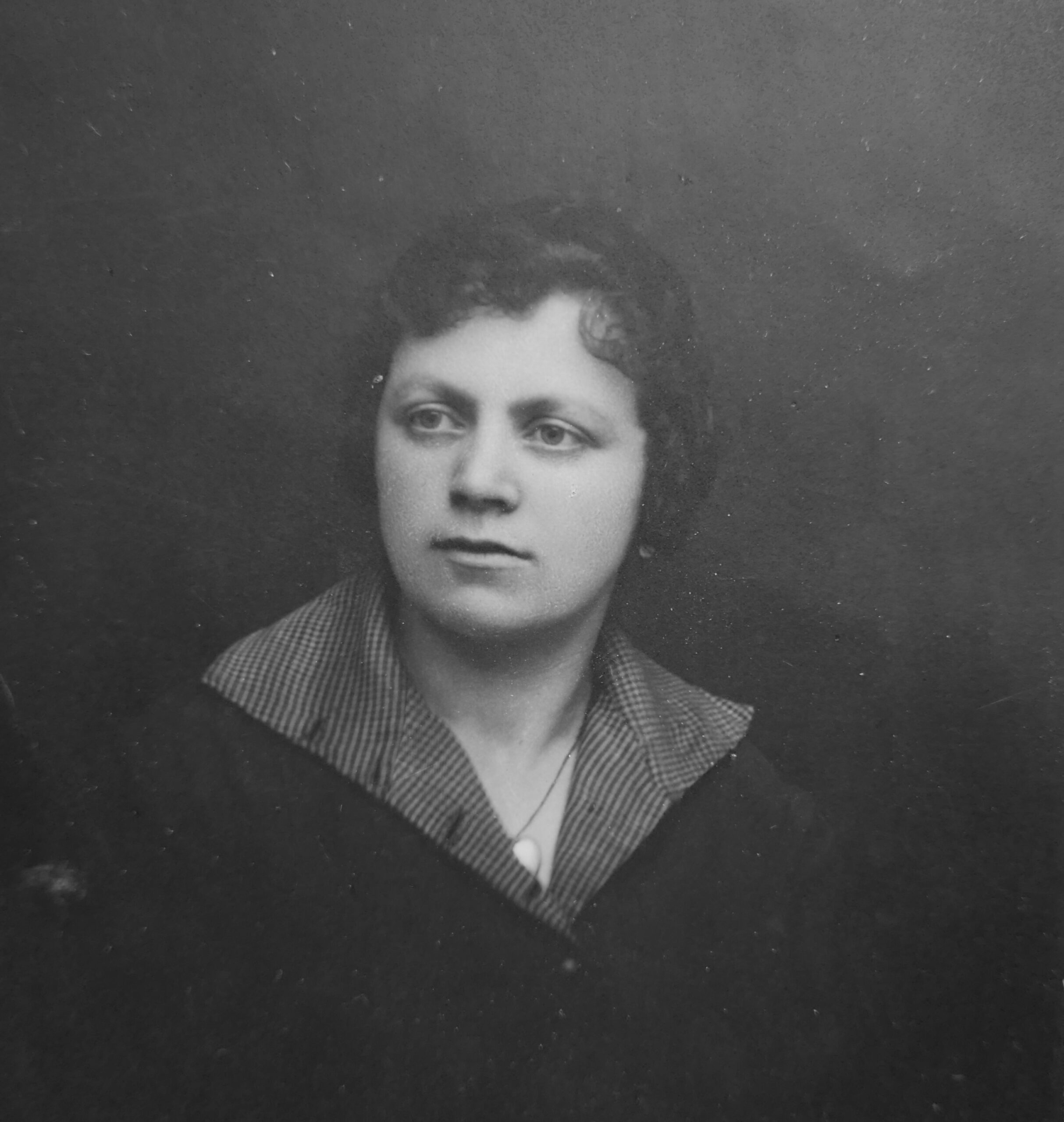
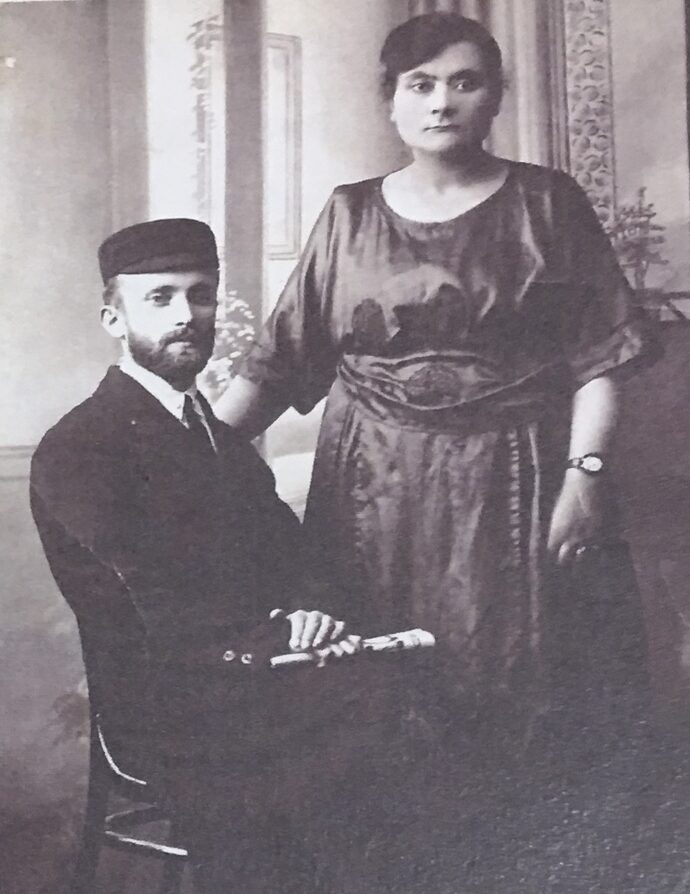
The families of the Boys were murdered in both mass shootings and in the extermination camps.
Some of their photographs can be seen on the left of this page.
The Boys were separated from their families in brutal selections in the ghettos and on arrival in Auschwitz and Majdanek. There were no selections in Chełmno, Bełżec, Sobibór and Treblinka.
It is important to remember that many of the 6m Jews who were persecuted and killed during the Holocaust were never prisoners in concentration camps. They had never heard of Auschwitz and died in a hail of bullets.
Many of the Boys families lie in the mass graves across eastern Europe.
Mass shootings began in the summer of 1941, but were time consuming and left crucial evidence in the form of mass graves. The Nazis then experimented with other forms of mass murder and set up extermination camps to carry out what they called the ‘Final Solution’, a euphemism for the mass murder of the Jews of Europe.
The primary means of murder at the extermination camps was poisonous gas released into sealed gas chambers.
Although Roma and Sinti were also murdered in extermination camps, they were primarily set up to murder Jews.
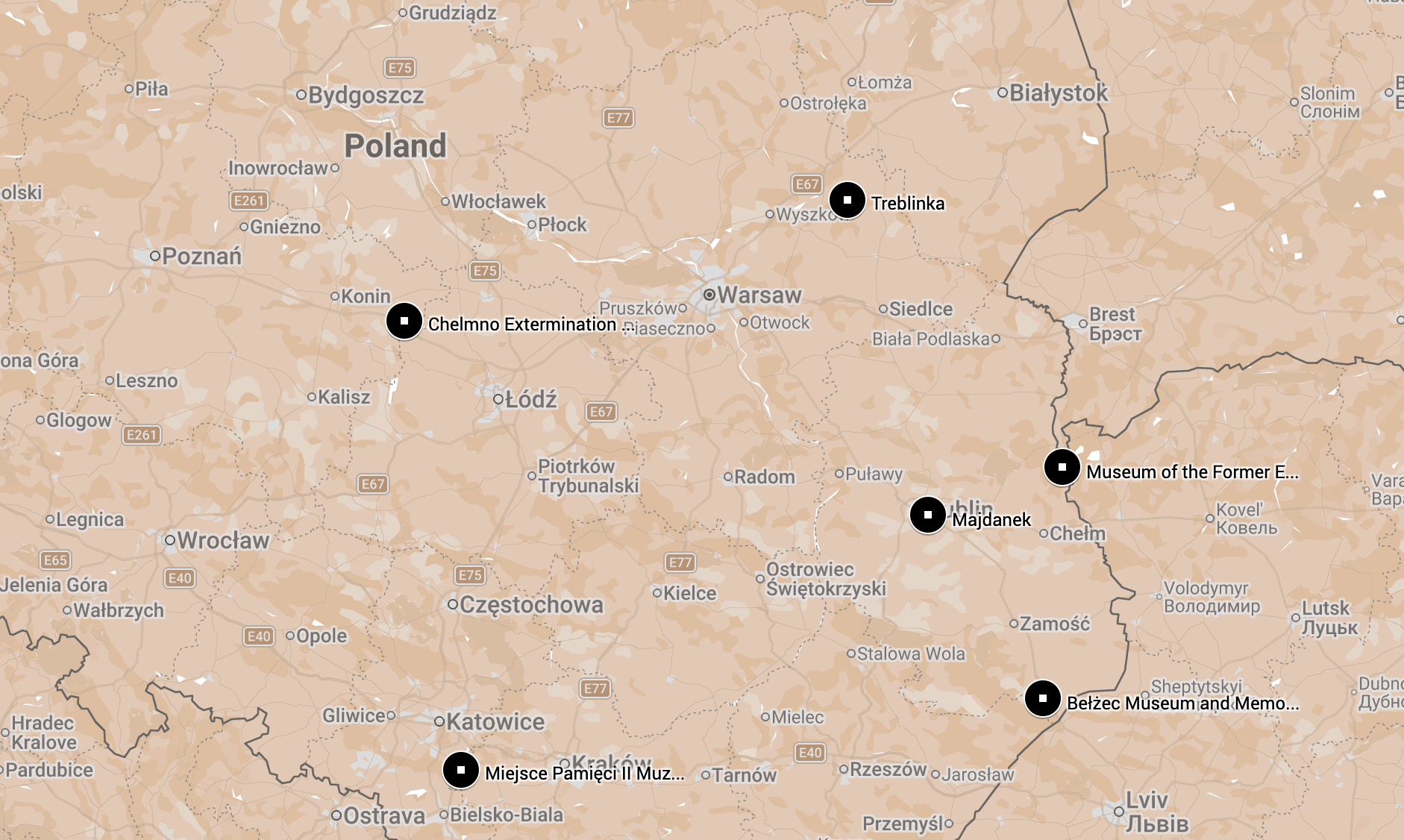
The families of the Boys were murdered in both mass shootings and in the extermination camps at:
Chełmno
Period of operation: December 1941-January 1945
Bełżec
Period of operation: March-December 1942
Sobibór
Period of operation: May-July 1942 & October 1942-October 1943
Treblinka
Period of operation: July 1942-August 1943
Majdanek
Period of operation: September 1942-July 1944
Auschwitz II-Birkenau
Period of operation: March 1942-January 1945
In December 1941, Chełmno became the first operational extermination camp.
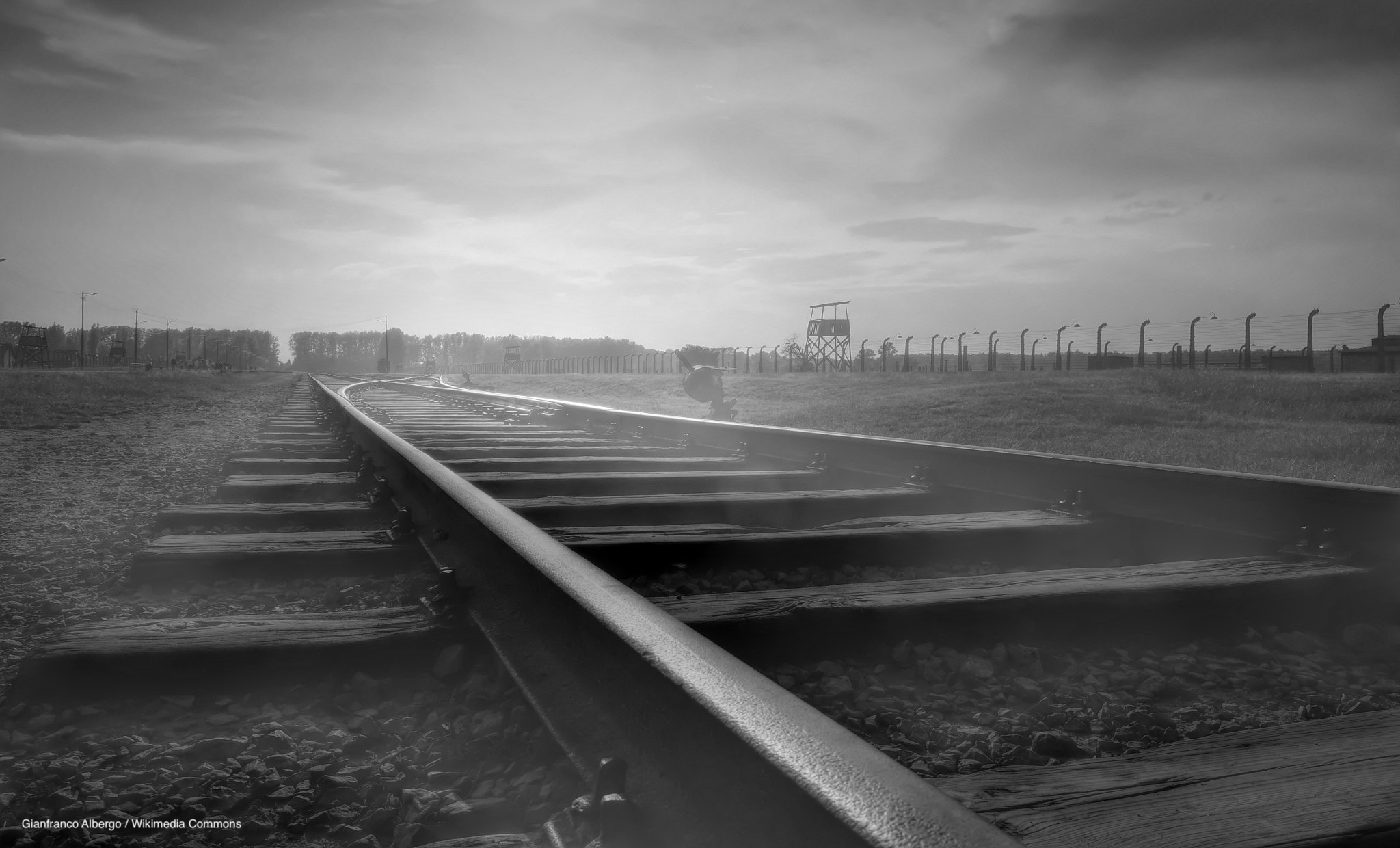
After the Wannsee Conference of 1942, the Nazis built additional extermination camps at Bełżec, Sobibór and Treblinka. These camps were specifically built near railway lines to make transportation easier.
Auschwitz-Birkenau was a complex that consisted of a concentration camp, a forced labour camp and an extermination camp. Following tests in September 1941, the lethal gas Zyklon B was selected as the method of murder. Majdanek also functioned as a labour and concentration camp.
The ’45 Aid Society is active in Holocaust education.
To find out more about the resources we offer click here.
Our Education Team can advise on how to deliver the story of the Boys by booking a suitable speaker and can help teachers devise lesson plans.
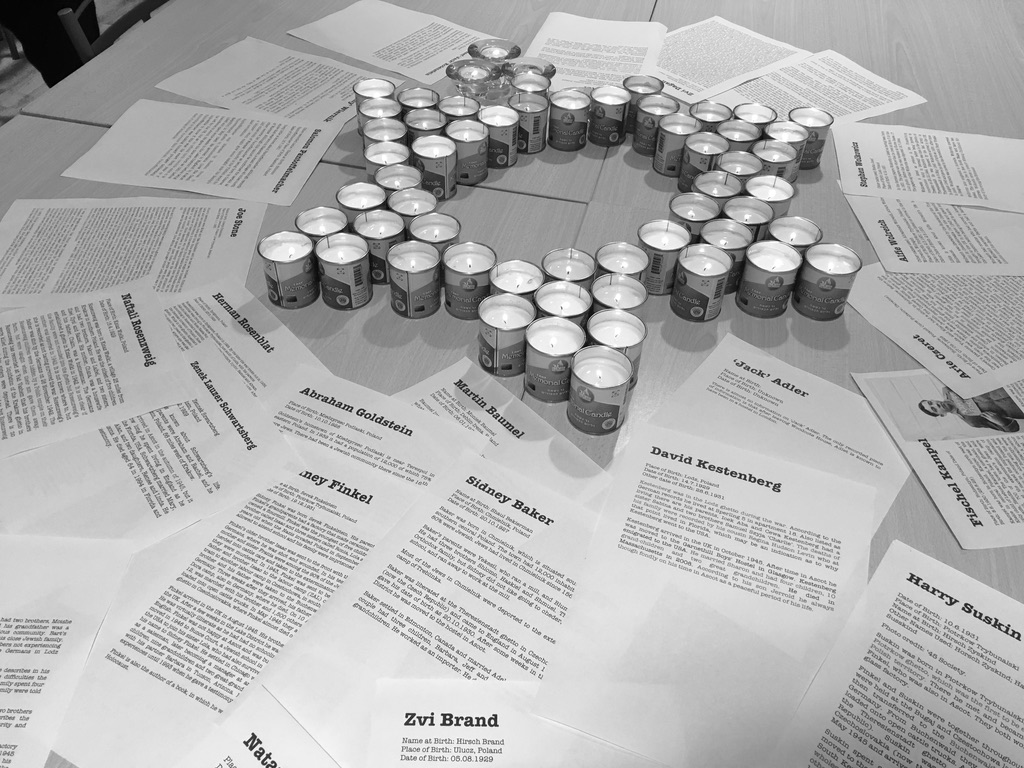
For a full list of Critical Thinking Questions click here.
Appellplatz German for the square where prisoners were forced to assemble for roll calls.
Appel German term for the roll call of prisoners in concentration camps
Asocial The Nazis used the terms ‘asocial’ to categorise together a group of people who did not conform to their social norms. This group included beggars, alcoholics, drug addicts, prostitutes, and pacifists. People who were categorised as ‘asocials’ were persecuted and some were taken to concentration camps where they were forced to wear black triangles. Roma and Sinti were often classed as ‘asocial’.
Blockältester (plural: Blockälteste) Jewish inmates in concentration camps who were chosen to be barrack leaders. Within the camp hierarchy they were just below Kapos.
Concentration Camp A prison camp used to detain those deemed enemies of the Nazi state, including Jews, Gypsies, political and religious opponents, members of national resistance movements, homosexuals, and others. Imprisonment was of unlimited duration, not linked to a specific act, and not subject to any judicial review. Inmates were often forced to undertake hard labour.
Death March A forced march of prisoners, especially Jews, from the concentration and slave labour camps in eastern Europe to camps further west that began in the autumn of 1944 in face of the advance of the Red Army.
Extermination Camp A camp set up by the Nazis for the mass murder of Jews, primarily by poison gas.
Final Solution Translation of the German word Endlösung, a Nazi euphemism for the plan to murder all European Jews.
Kommando German word for ‘detachment,’ referring to a group of concentration camp prisoners assigned to forced labour.
Kapo A concentration camp prisoner selected to oversee other prisoners.
Labour Camp Camp where Jews and other prisoners were subjected to forced slave labour for either military or government purposes. Inmates were detained for periods of unlimited duration without judicial review.
Muselmann A term widely used by concentration camp prisoners to refer to inmates who were on the verge of death from starvation, exhaustion, and despair.
Red Army The Workers’ and Peasants’ Red Army, usually referred to as the Red Army, was the army and air force of the Soviet Union from 1922-1946, when it was renamed the Soviet Army.
Selection A term for the process of separating Jews deemed suitable for hard labour from the remainder, who were then sent to their deaths. This usually took place either in a ghetto roundup or on arrival at a concentration camp.
Slave Labour Camp Camp where Jews and other prisoners were subjected to forced slave labour for either military or government purposes. Inmates were detained for periods of unlimited duration without judicial review.
Sonderkommando A term meaning ‘special detachment’ in German that was used to describe an SS or Einsatzgruppe detachment. It also refers to the Jewish slave labour units in extermination camps who were forced to work in and around the gas chambers.
SS An abbreviation of Schutzstaffel, German for ‘protection squad’. The SS was a paramilitary formation of the Nazi party created to serve as bodyguards to Hitler and other Nazi leaders. The SS later took charge of political intelligence gathering, the German police and the central security apparatus, the concentration camps, and the systematic mass murder of Jews and other victims.
Transit camp A camp in which Jews were held before deportation to extermination camps.
Transport Word used to describe the forced movement of prisoners from one place to another. The word was also used to refer to the movement of refugees both before and after the war.
Zyklon B A chemical developed as an insecticide, later used by the Nazis in gas chambers to kill victims.
For a full Glossary click here.
 About
About History
 Education
 Quilts
 FIlms
FIlms Photos
 News Media & Events
 Publications
 Donate