Aktion A Nazi military or police operation to forcibly assemble Jews prior to shootings or deportation.
Allies A group of 26 nations led by Great Britain, the United States, and the Soviet Union that opposed the Axis powers during World War II.
Appellplatz German for the square where prisoners were forced to assemble for roll calls.
Appel German term for the roll call of prisoners in concentration camps
Aryan Term used in Nazi Germany to refer to non-Jewish and non-Gypsy Caucasians — white Europeans, especially northern Europeans with blonde hair and blue eyes — who were considered by the Nazis to be the most superior of races and members of a “master race.”
Aryanisation The Nazi term for the seizure of Jewish property and its transfer to non-Jews.
Ashkenazi A Jewish diaspora population that emerged in the Holy Roman Empire in the 8th and 9th centuries. Ashkenazim traditionally spoke Yiddish and largely migrated towards northern and eastern Europe during the late Middle Ages to escape persecution.
Asocial The Nazis used the terms ‘asocial’ to categorise together a group of people who did not conform to their social norms. This group included beggars, alcoholics, drug addicts, prostitutes, and pacifists. People who were categorised as ‘asocials’ were persecuted and some were taken to concentration camps where they were forced to wear black triangles. Roma and Sinti were often classed as ‘asocial’.
Axis A political, military and ideological alliance created by Nazi Germany, Italy and Japan in Berlin on 27 September 1940. Bulgaria, Croatia, Serbia, Hungary, Romania and Slovakia eventually also joined the Axis.
Blockältester (plural: Blockälteste) Jewish inmates in concentration camps who were chosen to be barrack leaders. Within the camp hierarchy they were just below Kapos.
Central British Fund (CBF) The UK-based charitable organisation that was instrumental in bringing the Boys to the UK. Formerly known as the Central British Fund for German Jewry, it is known today as World Jewish Relief.
Deportation Forced removal of Jews in the Third Reich and German occupied countries from their homes.
Displaced Persons Camp (“DP Camp”) A series of camps established by the Allies after World War II to house survivors of Nazi persecution and refugees from eastern Europe, known as displaced persons, or DPs, while they awaited repatriation to their home countries or resettlement in a new destination.
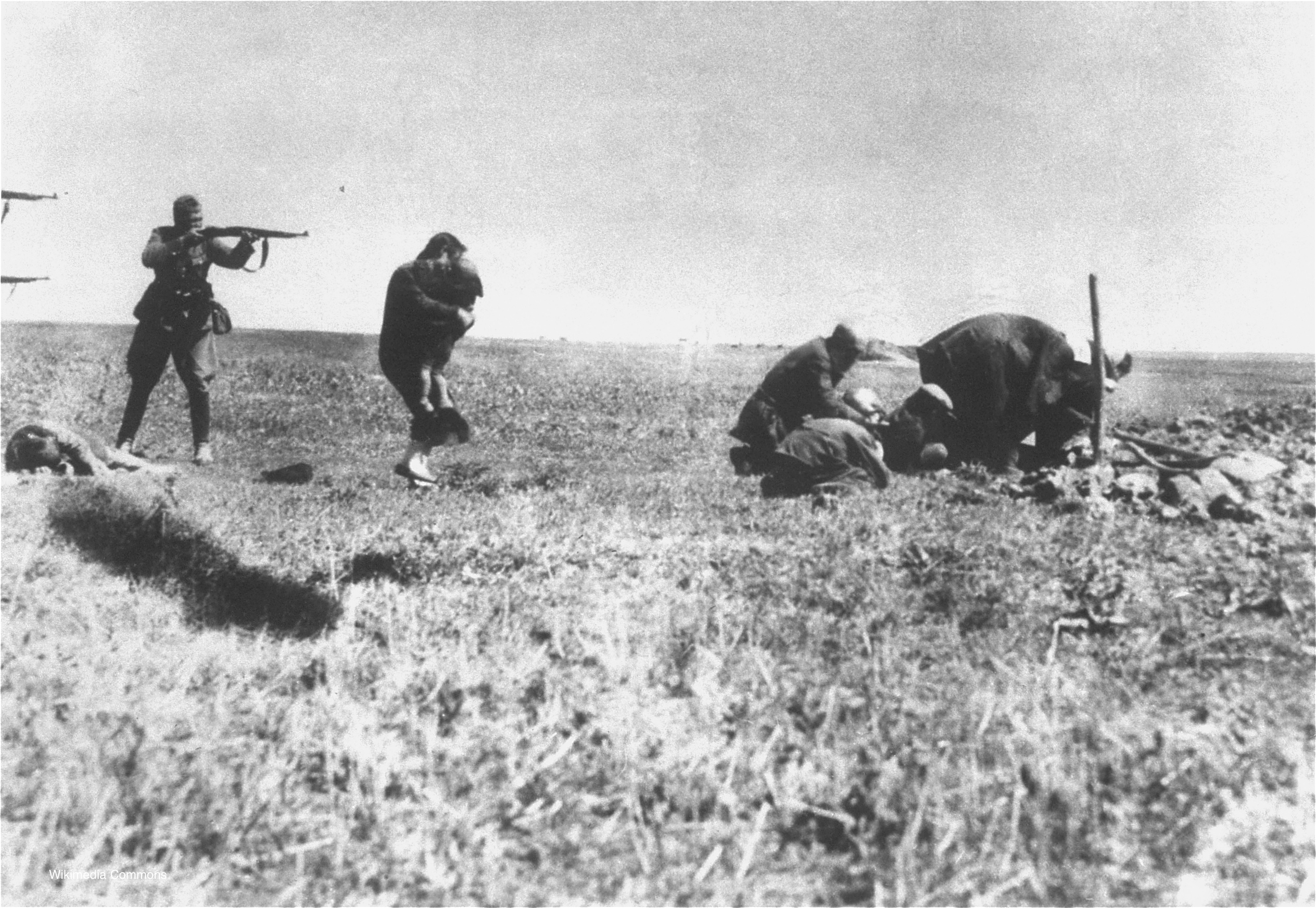
Einsatzgruppen The German word for an Operational Task Force. Einsatzgruppen were mobile SS and SD killing units that were supported by Order Police, Waffen-SS personnel and auxiliary units of Ukrainian, Latvian, Lithuanian and Estonian volunteers. The units followed the German army as it invaded the nations of central and eastern Europe. Their duties included the arrest or murder of political opponents and potential resistance.
Extermination Camp A camp set up by the Nazis for the mass murder of Jews, primarily by poison gas.
Final Solution Translation of the German word Endlösung, a Nazi euphemism for the plan to murder all European Jews.
Gas Van Vehicle whose exhaust was redirected to its rear compartment to kill those locked inside.
Gestapo The SS controlled German Secret State Police responsible for investigating political crimes and opposition activities. “Gestapo” is a contraction of Geheime Staatspolizei.
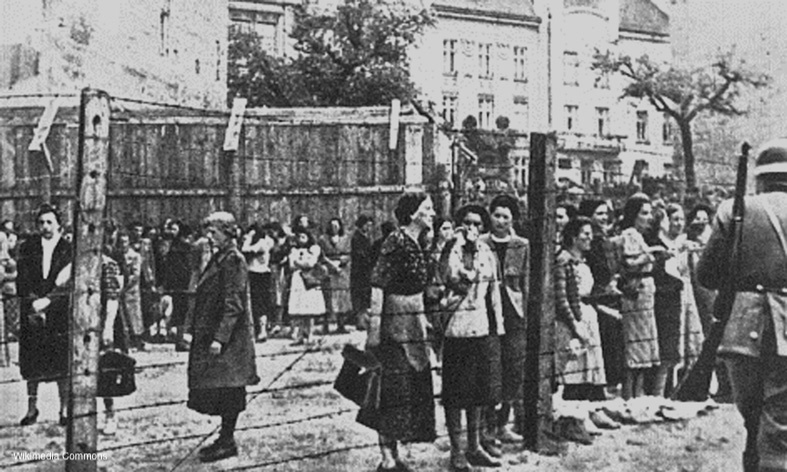
Ghetto Under the Nazis a ghetto was a very clearly defined district, often walled or fenced in and surrounded by armed guards, in which only Jews were forced to live in the worst possible conditions. All, except the Theresienstadt Ghetto, were eventually dissolved and the Jews were murdered. The word ghetto was first used in Venice in 1516 to describe an area of a town or city where Jews were required to live.
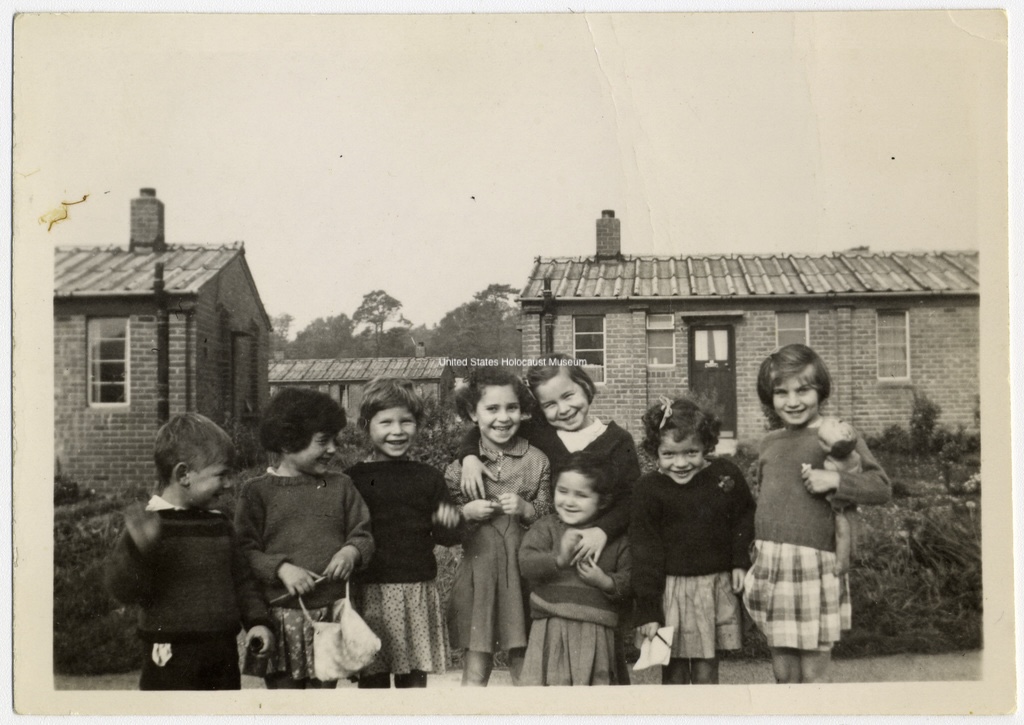
Hostel The locations in the UK where the Boys were received and given time, space, health care, and education necessary for rehabilitation, recovery, and learning English.
Judenrat Jewish councils set up to maintain order and carry out the orders of the German army.
 About
About History
 Education
 Quilts
 FIlms
FIlms Photos
 News Media & Events
 Publications
 Donate