Widespread pogroms in the Russian Empire in the late 19th century prompt mass emigration of Jewish communities from eastern Europe.
The Dreyfus Affair. A French Jewish army officer was wrongfully convicted of treason. It profoundly shocks emancipated Jews and infuses political Zionism with a new urgency.
First congress of the World Zionist Organisation held in Basel.
Kishinev Pogrom leads many Jews to feel that there is no future for Jews in eastern Europe. The pogrom fuels antisemitism and leads to the publication of the infamous antisemitic forgery The Protocols of the Elders of Zion.
Attacks on Jews continue during localised conflicts in eastern Europe. The period sees the rise of the Judeo-Bolshevik myth.
Hungary introduces an anti-Jewish quota for admission to universities, making Hungary the first country in Europe to pass antisemitic legislation in the post-World War I period.
30 January
Adolf Hitler is appointed Chancellor of Germany.
22 March
Dachau concentration camp opens.
1 April
Boycott of Jewish shops and businesses.
7 April
Jewish people are barred from holding civil service, university, and state positions.
14 July
Naturalised Jewish immigrants stripped of their German citizenship.
2 August
Hitler proclaims himself Führer and Reich Chancellor. Armed forces must now swear allegiance to him.
1935
May
Jewish people are barred from serving in the German armed forces.
September
The Nuremberg Laws are declared
7 March
Germany occupies the Rhineland demilitarised in the Treaty of Versailles.
4 June
Economic boycott of the Jews becomes formal government policy in Poland.
August
Four Year Plan Memorandum sets the German economy on a war footing.
25 October
Hitler and Mussolini form the Rome Berlin Axis
Polish universities introduce quotas for Jewish students.
22 January
Romania passes a law to review the citizenship of Jews.
3 March
Austria is incorporated into the Third Reich.
26 April
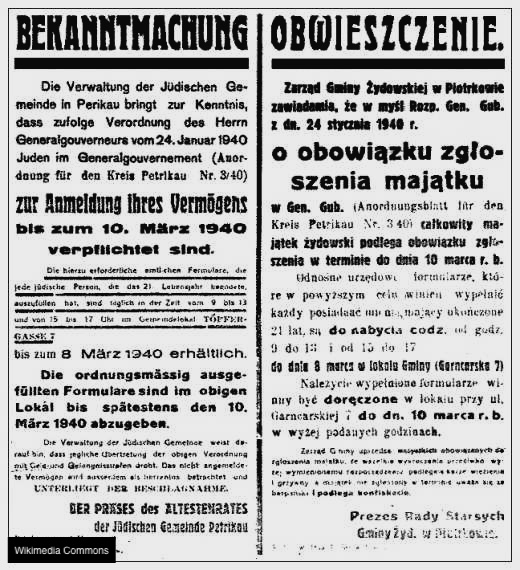
Mandatory registration of all Jewish property over 5,000 Reichsmarks.
29 May
Hungary adopts comprehensive anti-Jewish laws.
6 July
Evian Conference is held in France on the problem of Jewish refugees.
August
Eichmann establishes the Office of Jewish Emigration in Vienna to force Jews to leave Austria.
August/December
Italy introduces sweeping antisemitic legislation.
30 September
Munich Conference. Britain and France agree to German occupation of the Sudetenland.
5 October
Germans mark all Jewish passports with a letter ‘J’ at the request of the Swiss authorities.
27 October
17,000 Polish Jews living in Germany are expelled.
9-10 November
Kristallnacht a nation-wide anti-Jewish pogrom organised by the Nazis takes place throughout Germany, Austria and the Sudetenland region of Czechoslovakia.
12 November
Jewish Germans are forced to transfer businesses to Aryan owners.
15 November
Jewish pupils are expelled from German schools.
30 January
Hitler says ‘if war erupts it will mean the Vernichtung (extermination) of European Jews’.
15 March
Germany occupies Czechoslovakia, which is dismembered.
Slovak Republic declares independence. Carpathian region of eastern Czechoslovakia occupied and later annexed by Hungary. Anti-Jewish laws are extended to the area.
23 May
British government severely restricts immigration to the Palestine Mandate in the 1939 White Paper.
23 August
Nazi-Soviet Pact signed.
1 September
Germany invades Poland.
28 October
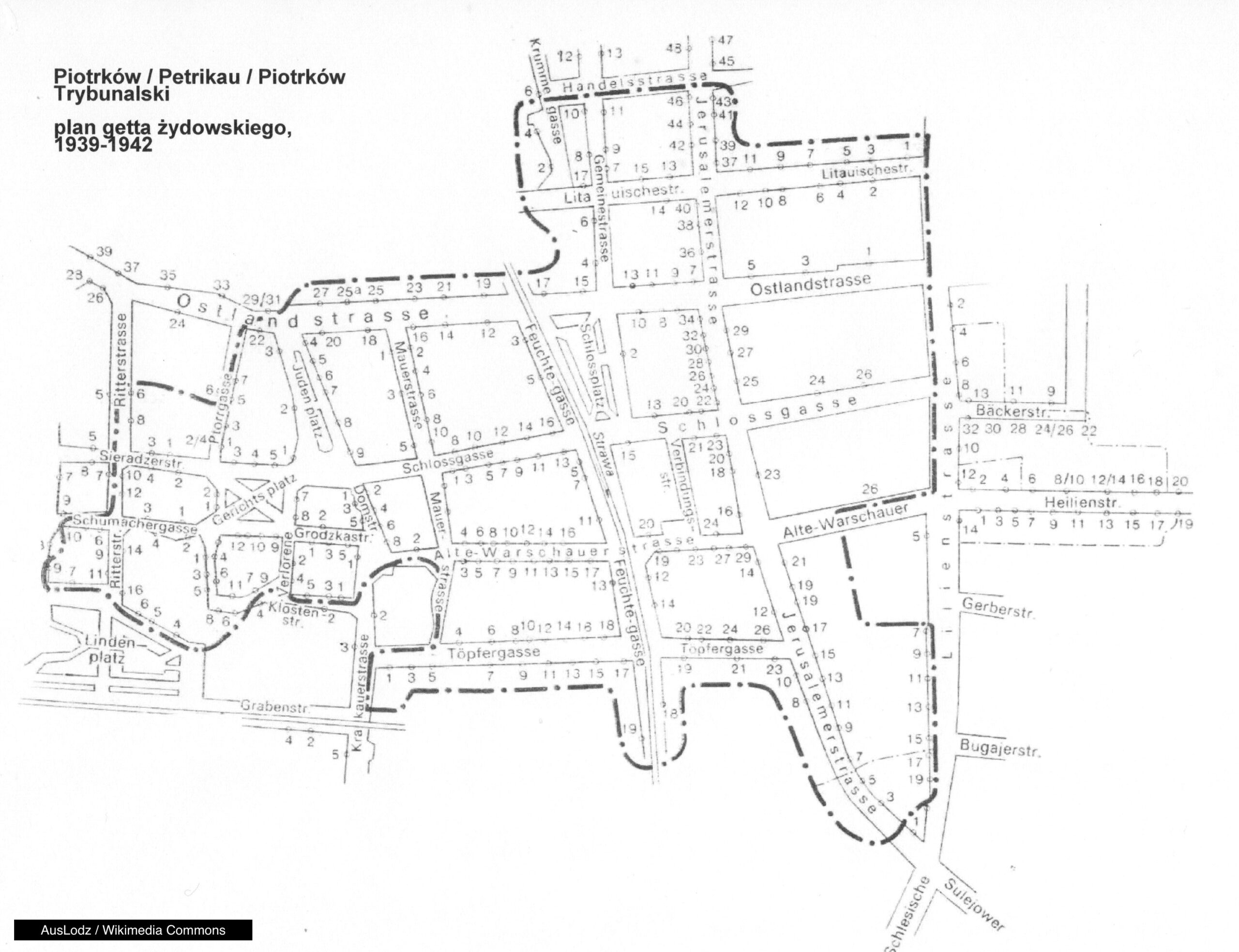
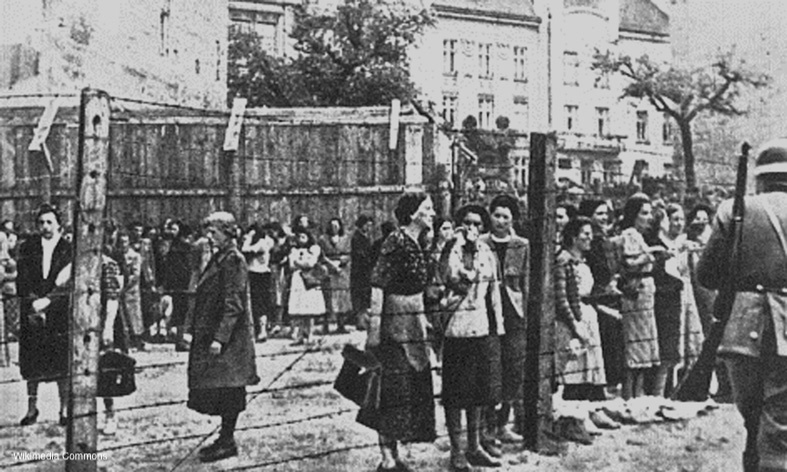
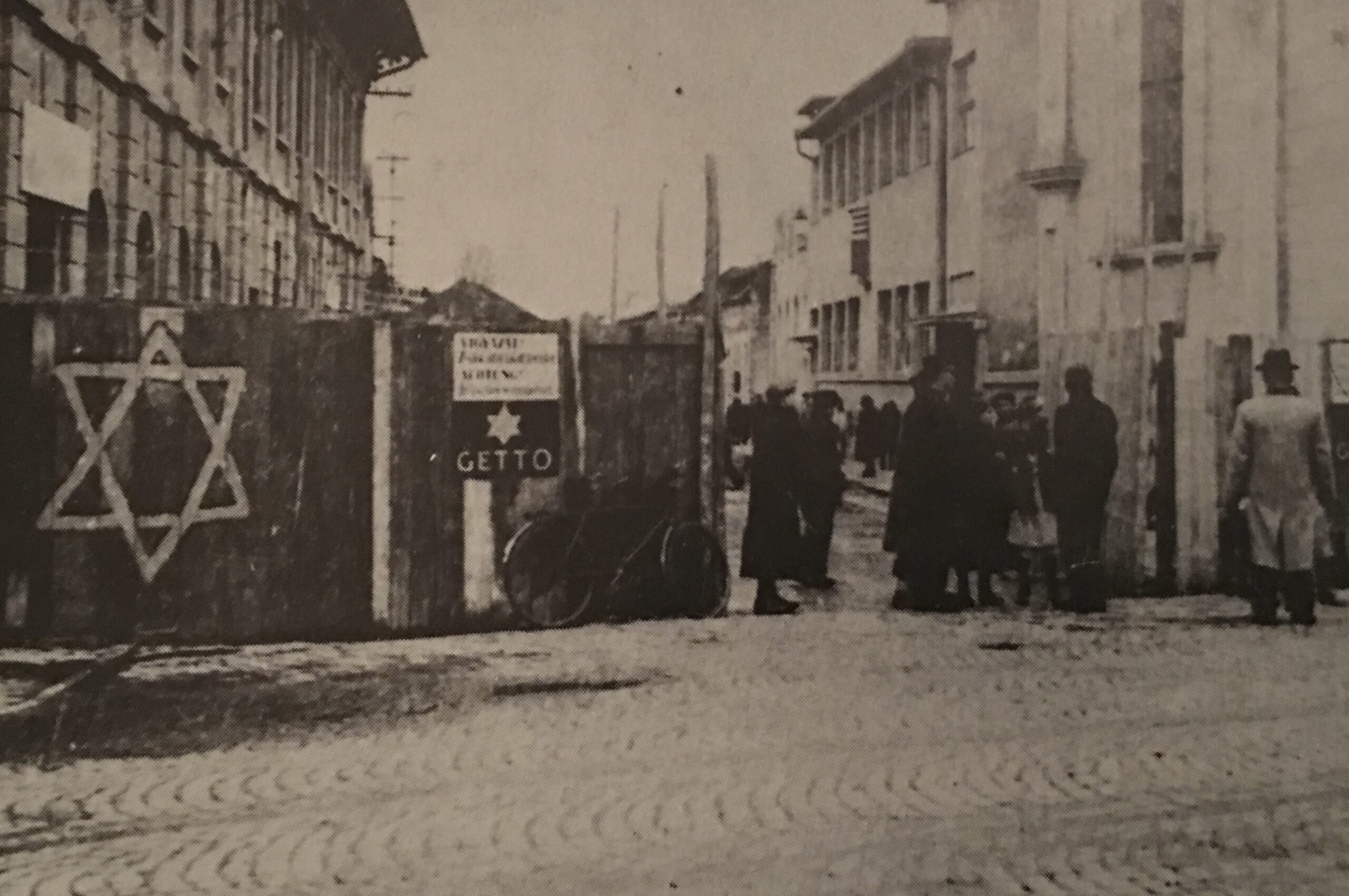
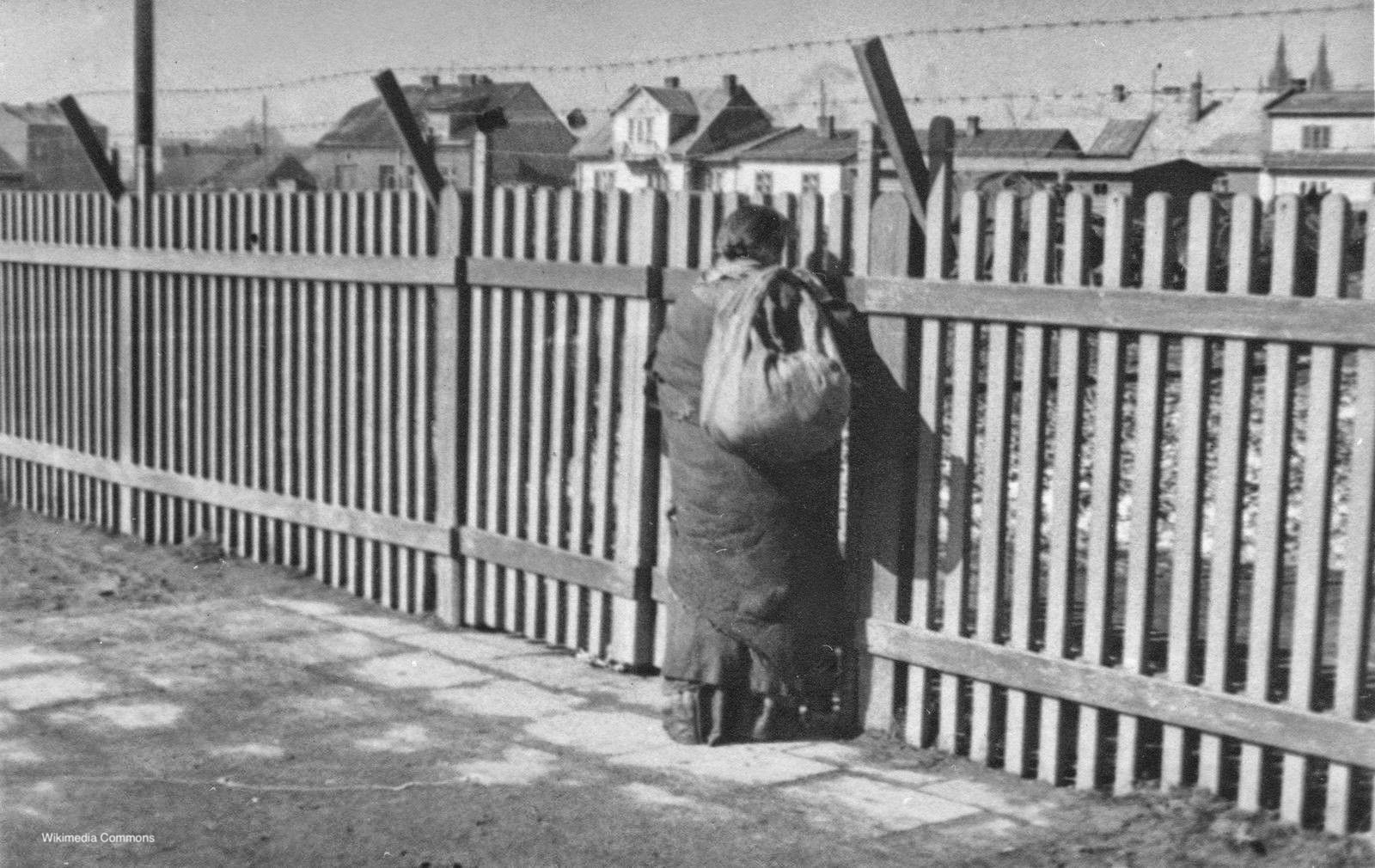
First Polish ghetto established in Piotrków.
2 November
Under the First Vienna Award the Second Czechoslovak Republic is forced to cede the southern third of Slovakia.
10 May
Germany invades the Netherlands, Belgium, Luxembourg and France.
22 June
France surrenders.
30 August
Second Vienna Award cedes the Romania territory of Northern Transylvania to Hungary.
July-October
Battle of Britain.
6 April
Germany attacks Yugoslavia and Greece.
22 June
Germany invades the Soviet Union.
August
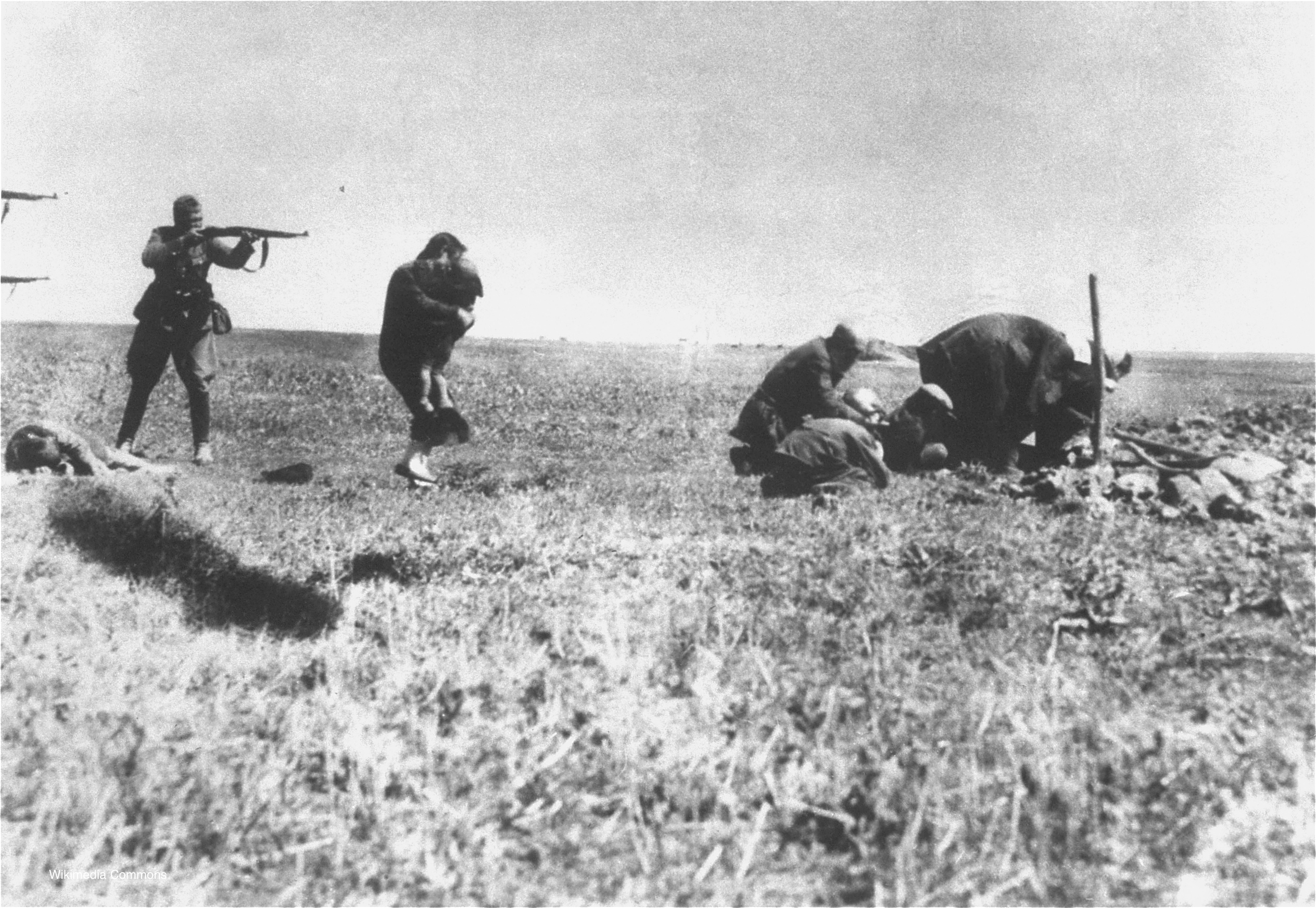
Massacres of Jews in territories occupied by German forces, such as the massacre at Kamianets-Podilskyi, include women and children. The persecution of the Jews becomes genocidal.
3-5 September
First experimental gassing at the Auschwitz concentration camp.
15-17 September
Hitler orders the deportation of German Jews to ghettos in the east prompting the mass murder of those Jews already living in the ghettos.
7 December
Japan attacks Pearl Harbour.
11 December
Germany declares war on the USA.
20 January
Wannsee Conference.
1 March
Auschwitz II-Birkenau begins operation.
4 May
SS carry out the first selection at the ramp in Auschwitz II-Birkenau.
July
Operation Reinhardt, the code name for the systematic murder all Jews and Roma in the General Government in German occupied Poland begins. Between July 1942 and October 1943, 1.6-1.8 million Jews and about 50,000 Roma are murdered in the extermination camps of Bełžec, Sobibór and Treblinka, where there were no selections.
November
Allied victory in North Africa.
February
Germany surrenders at Stalingrad.
19 April
Warsaw Ghetto Uprising begins.
8 September
Italy capitulates.
19 March
Germany invades Hungary.
6 June
Allied Invasion of Normandy.
Summer
The massive Soviet offensive prompts SS chief Heinrich Himmler to order prisoners in all concentration camps and sub-camps be forcibly evacuated toward the interior of the Reich.
October
Carpathian Ruthenia occupied by the Red Army. The Soviet administration declares the independent state of Transcarpathian Ukraine.
Winter
SS authorities increasingly evacuate concentration camp prisoners from both east and west on foot.
27 January
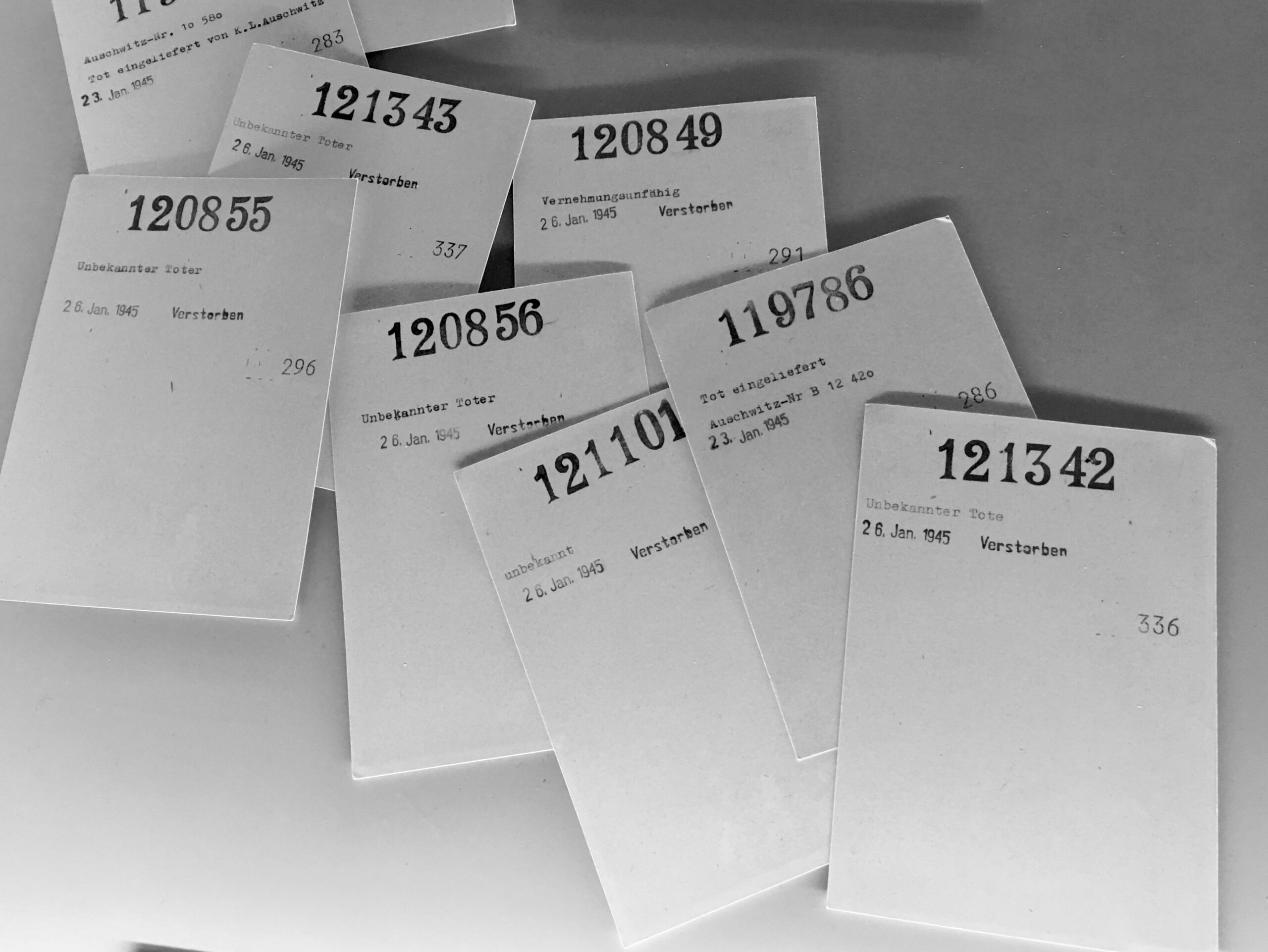
Auschwitz is liberated by the Red Army.
15 April
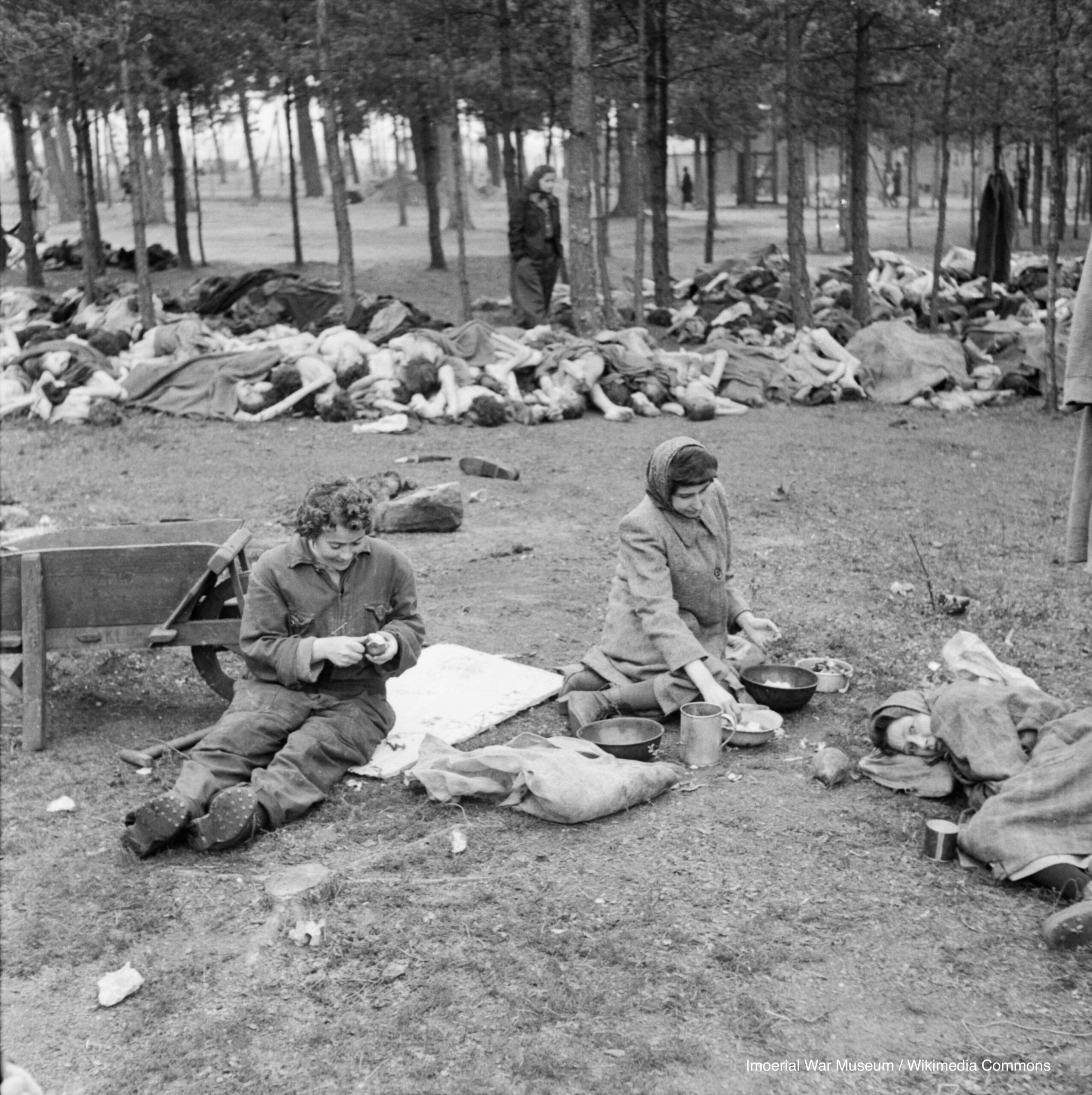
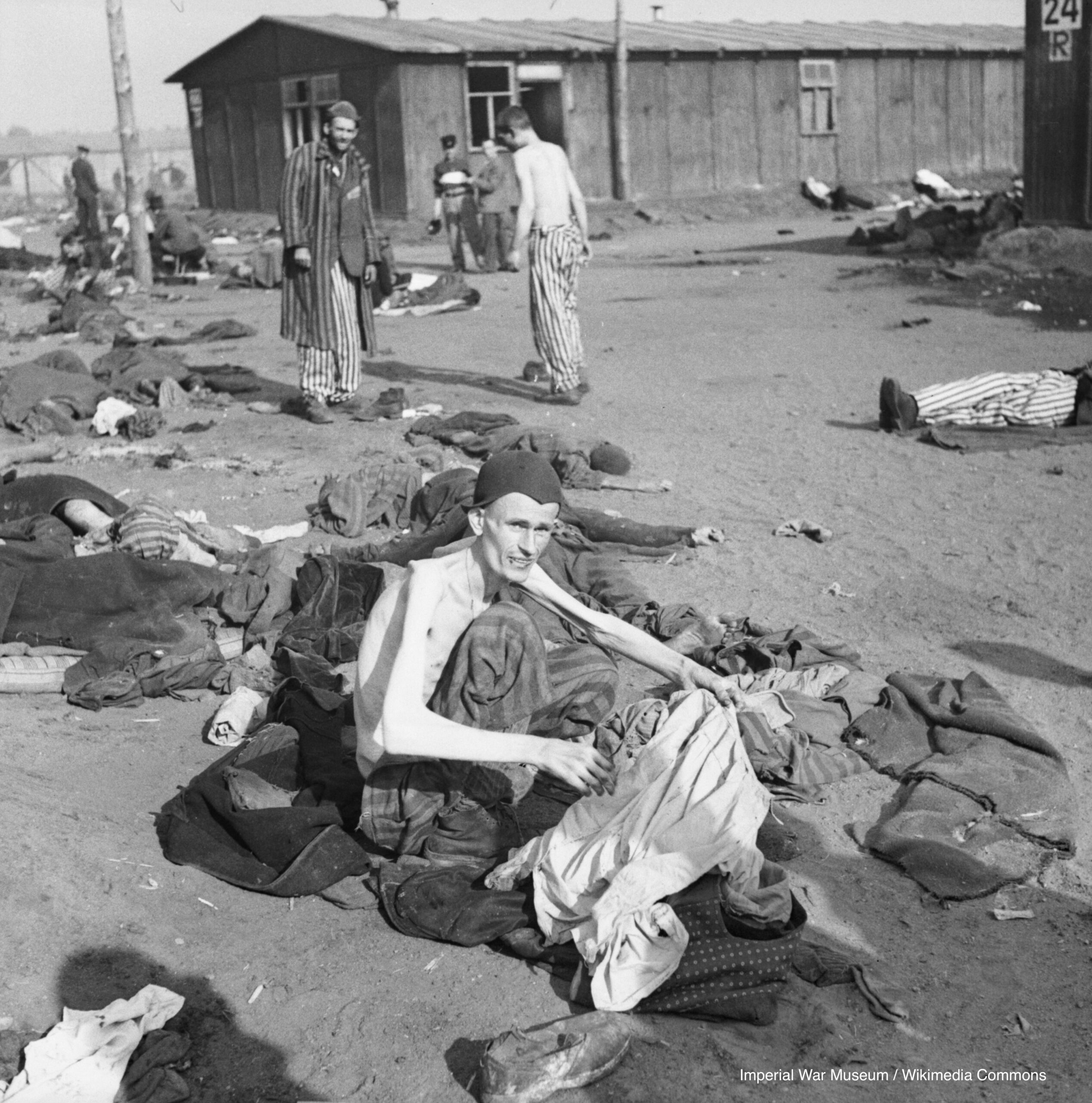
British Army liberates Bergen-Belsen.
29 April
Dachau is liberated by the American Army.
30 April
Hitler commits suicide.
8 May
Germany surrenders. End of the Third Reich. Liberation of Theresienstadt.
29 June
Czechoslovakia officially cedes Carpathian Ruthenia to the Soviet Union.
14 August
The first group of the Boys arrives in Windermere.
October
The second group of the Boys arrives in Southampton.
February/March
The third group of the Boys arrive in London, Northern Ireland and Scotland.
June
The fourth group of the Boys arrives in London.
Central British Fund announces it no longer has the resources to bring child survivors to the UK.
4 July
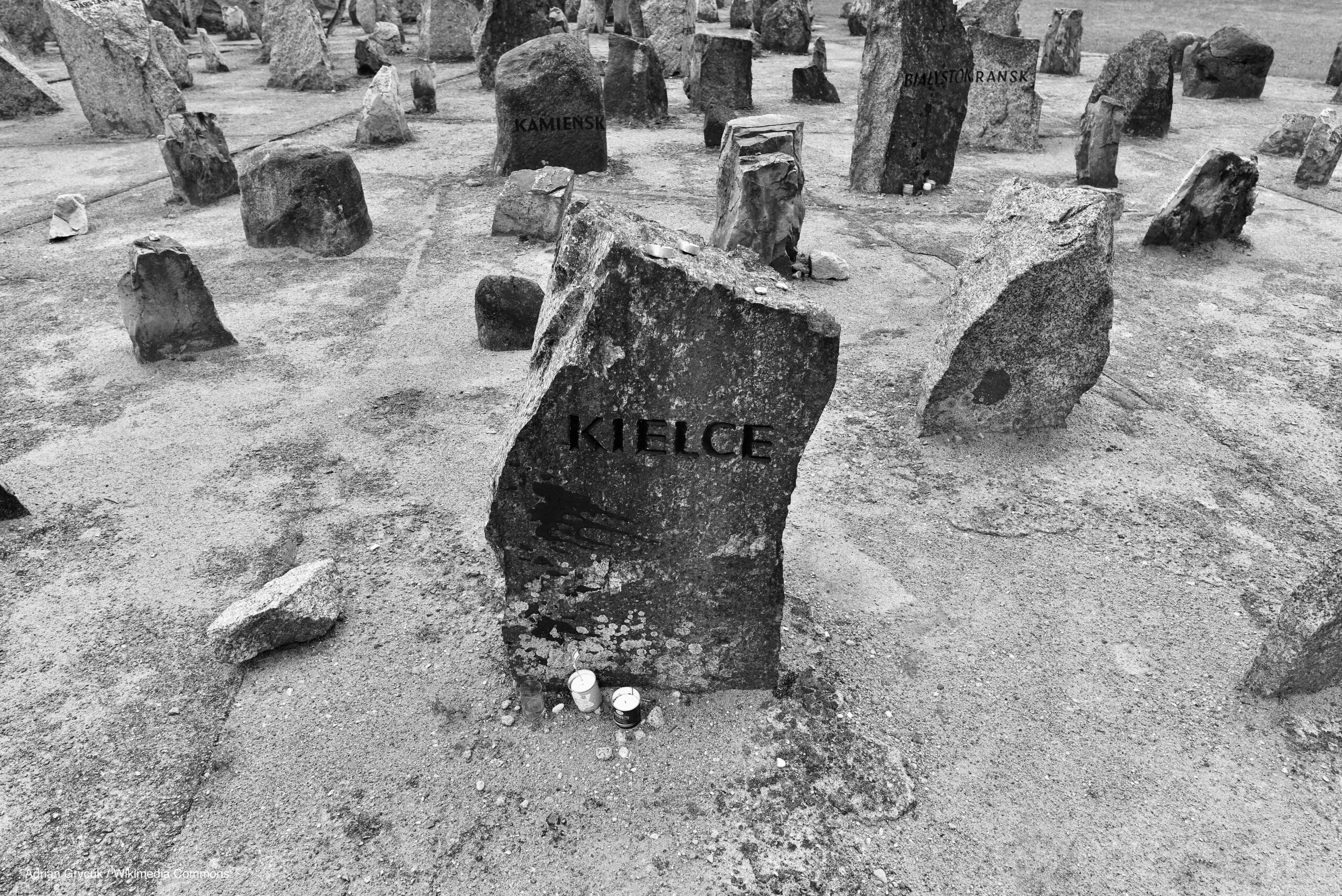
The Kielce Pogrom prompts the exodus of a large part of the surviving Polish Jewish population.
14 May
Foundation of the State of Israel.
October
The Claims Conference is founded to seek compensation for individual survivors and organisations and the return of Jewish property stolen during the Holocaust.
The majority of Displaced Persons camps are closed.
 About
About History
 Education
 Quilts
 FIlms
FIlms Photos
 News Media & Events
 Publications
 Donate