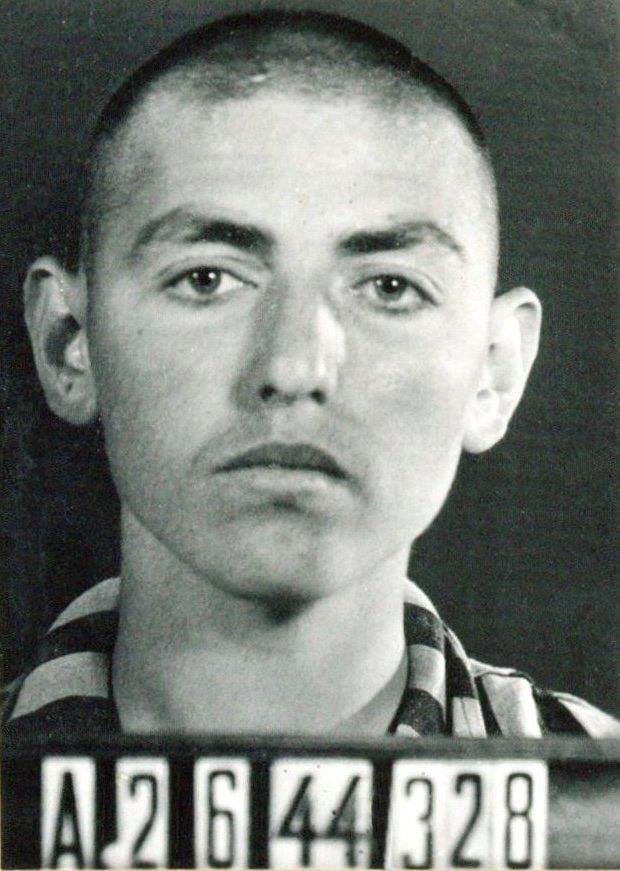
Many members of the Boys were deported to the Buchenwald concentration camp in Germany.
Buchenwald was a major site of forced labour and mass imprisonment. It had a network of 139 subcamps spread across the Reich.
The Boys were teenage and child-Holocaust survivors, who were brought to the UK after the war for rest and rehabilitation.
Overview
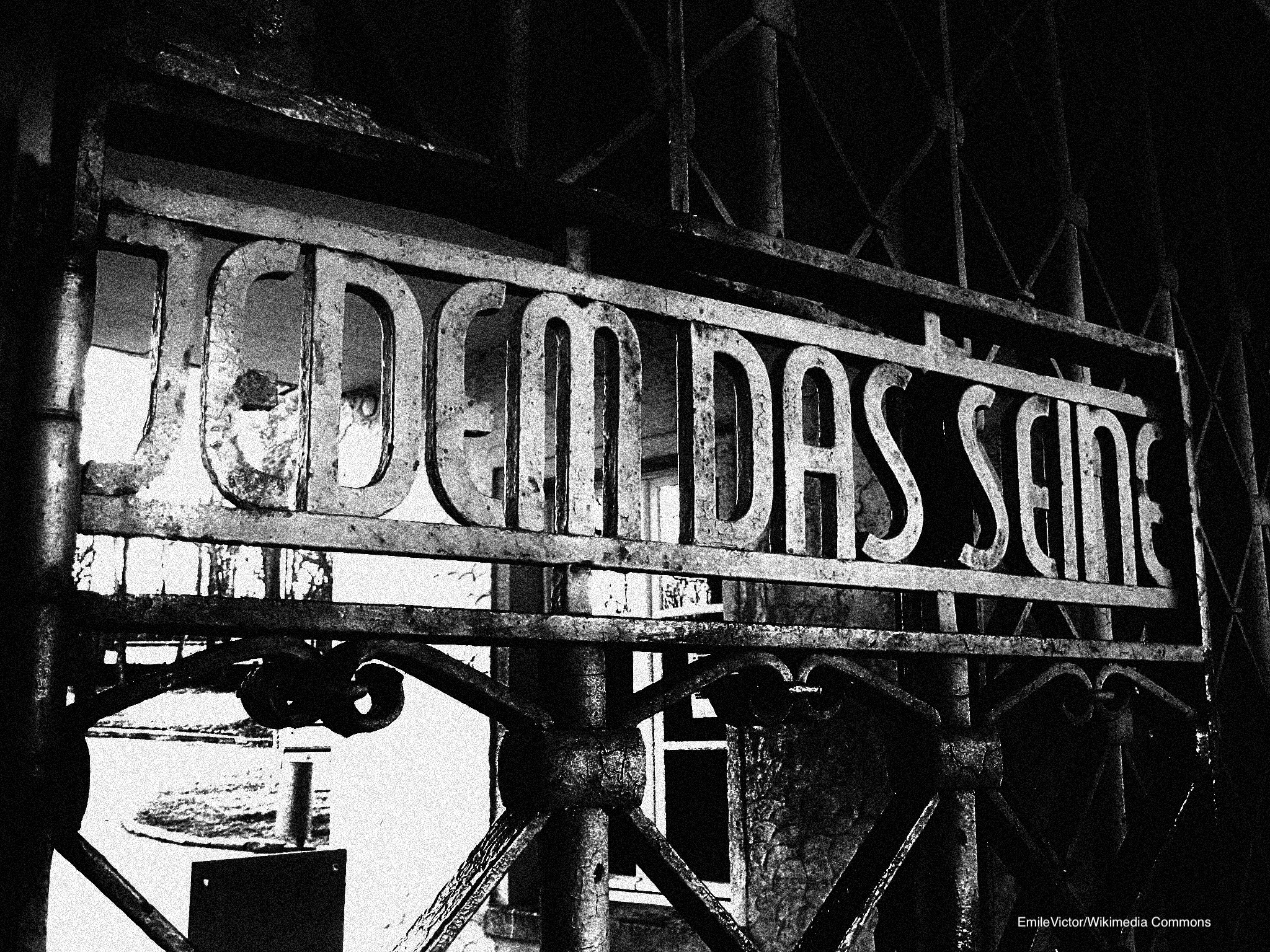
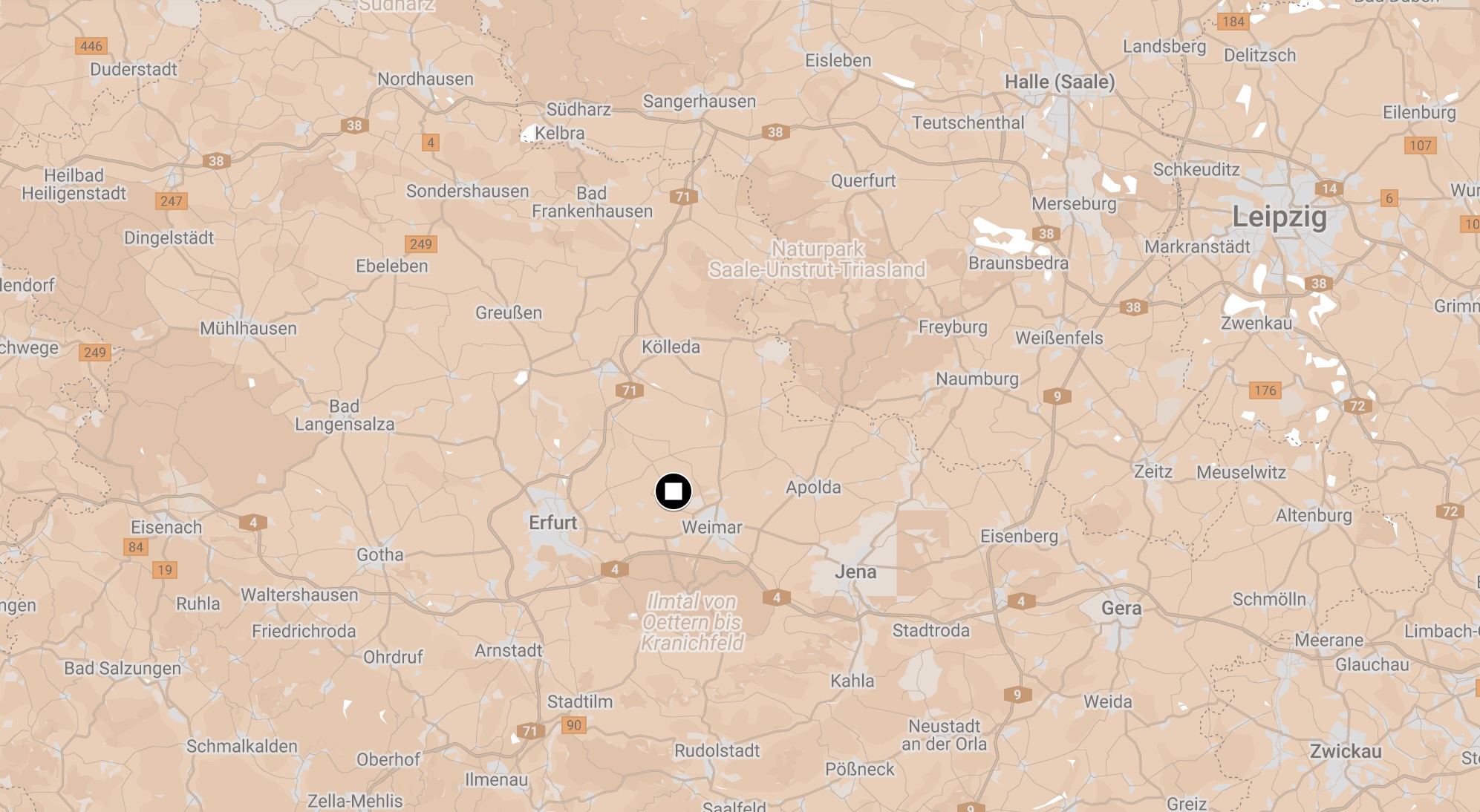
The Buchenwald concentration camp was located on Ettersberg Mountain, 10km north of the German city of Weimar, which was famous as a centre for German culture.
Weimar was the home of the literary giants Johann Wolfgang von Goethe (1749–1832) and Friedrich Schiller (1759–1805), as well as the cradle of the humanistic cultural movement. The city gave its name to the Weimar Republic which lasted from the end of World War I until 1933.
Both Weimar and Thuringia, the region surrounding Weimar, were one of the first Nazi strongholds. As early as 1932, the Nazi Party achieved a governing majority in Thuringia. The city was of key interest to the Nazis not only because they opposed the Weimar Republic but as a centre of German culture Weimar had important propaganda potential. The entire city and its cultural activities were redesigned in order to correspond to the Nazi ideal of a ‘German culture’ for the ‘national community’, the Volksgemeinschaft.
History
Buchenwald was established in July 1937 as one of the first large concentration camps within Nazi Germany.
The camp’s name means “beech forest,” and is set in a forest.
It originally held men who were political prisoners, so-called asocials, criminals, homosexuals, Jehovah’s Witnesses, Jews, Sinti and Roma.
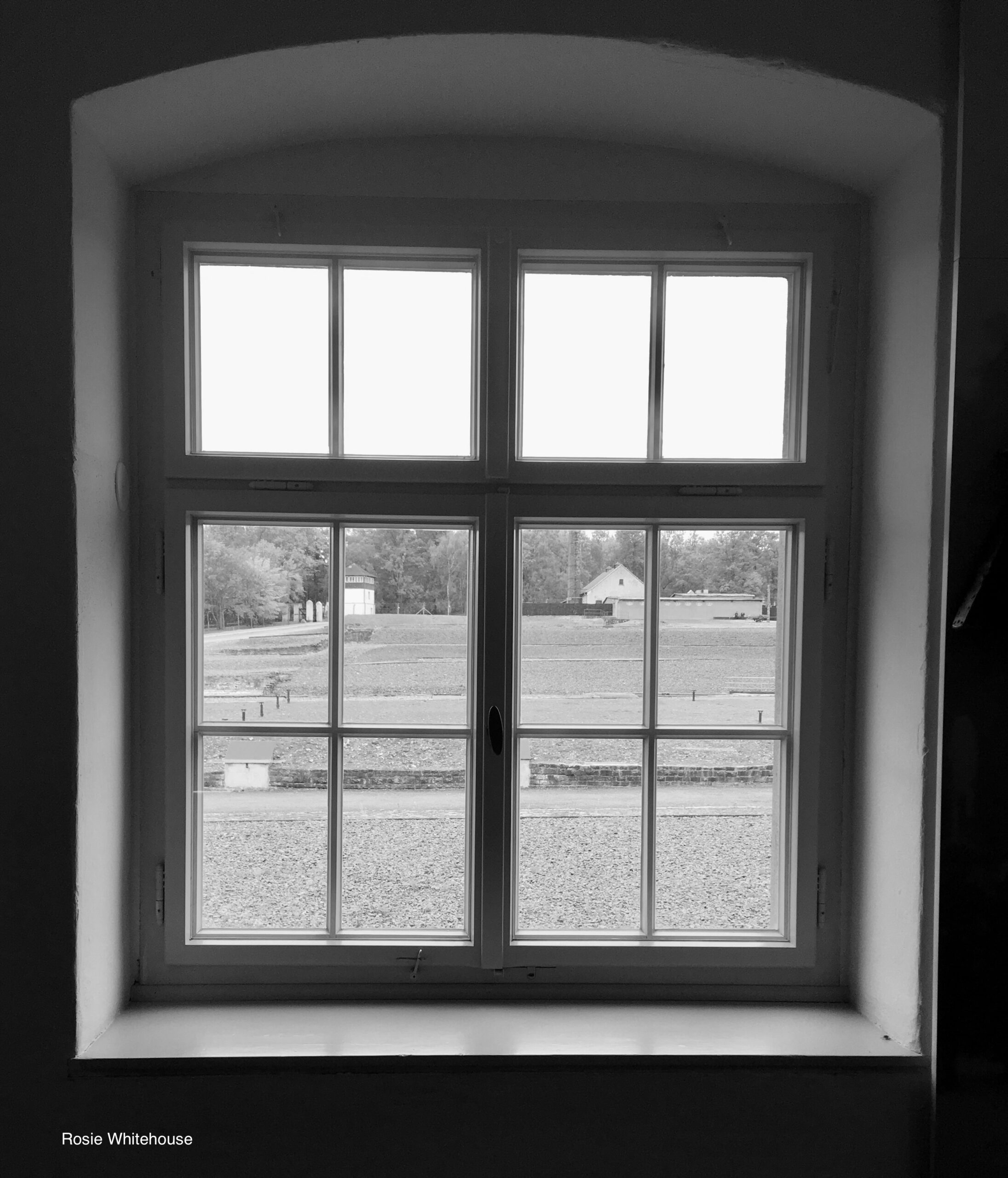
The access road to the camp was built by inmates in 1938–39 and is known as the Blood Road. In the iron work of the gates were the words ‘Jedem Das Seine’ (to each his own).
Prisoners were initially from the Reich and in 1938, in the aftermath of the Kristallnacht pogrom almost 10,000 Jews were sent to Buchenwald. After the outbreak of war prisoners came from across occupied Europe. Between 1937 and 1945 more than 280,000 people from over 50 countries were held here, among them the French politician Léon Blum.
Harry Spiro described his arrival at the camp at a Chabad meeting in Oxford in 2019:
An estimated 54,000 people, among them 8,000 Soviet prisoners of war, were killed in the camp and its subcamps, where in 1944 women and girls were also used as forced labourers in the armaments industry.
The majority of women prisoners came from Auschwitz, Ravensbrück and Bergen-Belsen. All the women prisoners were quickly moved to one of Buchenwald’s female satellite camps.
From 1941, medical experiments were carried out in the camp.
Structure
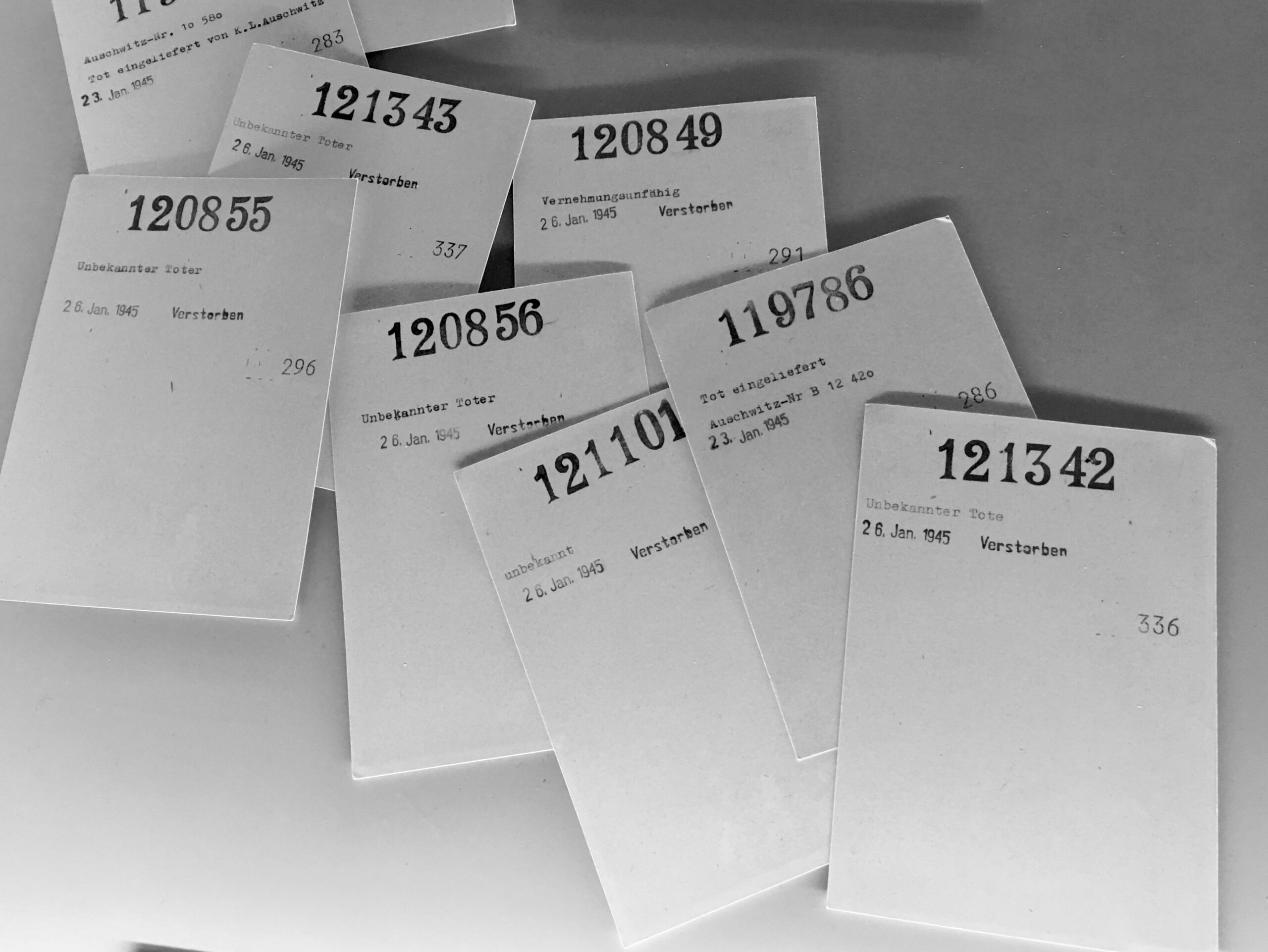
Prisoners lived in the Buchenwald main camp. This area was surrounded by an electrified barbed-wire fence, watchtowers, and a chain of sentries outfitted with automatic machine guns.
The notorious punishment block, known as the Bunker, was located at the entrance to the main camp. This is where prisoners who violated camp regulations were punished and often tortured to death.
There were 33 wooden barracks and 15 two-story stone buildings as well as an infirmary, kitchen, warehouses and workshops. The camp also eventually had a station, brothel, and crematorium. The SS living quarters, which included a zoo, were located outside the perimeter fence.
The Boys in Buchenwald
The story of the Boys in Buchenwald begins in the camps later phase when mass transports of prisoners from further east arrived at the camp.
Krulik Wilder arrived in the camp from Częstochowa with his father on 25 December 1944:
“We were completely stripped naked in the freezing cold and were herded into a large shower room, we thought this was a gas chamber, many people were screaming and crying, but we were relieved to discover that it was a shower room.
Our hair was shaved and then we went through to the disinfecting chamber and one of the inmates was brushing disinfectant on our private parts, it was very painful. When it was over we were given striped trousers and jackets and sent to the barracks. On the first day after this I became totally paralysed out of fear, I could not move my arms or legs for 24 hours, luckily I had my father with me and he was able to look after me.”
After long, brutal death marches over 10,000 prisoners from Auschwitz and Gross Rosen arrived in the camp. By February 1945, the number of prisoners in Buchenwald reached 112,000. The Little Camp, originally set up as a quarantine zone, was used to house the children who arrived at the camp in January 1945, this included many members of the Boys.
There was a significant resistance movement in Buchenwald which was run by the communist underground, who managed to persuade the SS to let them look after
more than 1,000 children in Kinderblock 66 among them. The Kinderblock, or Children’s Block was located in the Little Camp, which was separated from the rest of the camp by barbed wire.
The block was led by Antonín Kalina, a Czech communist political prisoner. The children who were not put to work were in extreme danger as they were considered useless prisoners. Kalina helped to care for the children and disguised their Jewish identity. Among those he saved was the writer Elie Wiesel. Kalina was recognised as Righteous Among Nations by the Israeli Holocaust memorial Yad Vashem in 2012.
Some of the children were evacuated on death marches but 902 remained in the camp when it was liberated. The majority of the members of the Boys were sent on a death march to the Thereseinstadt Ghetto.
The members of the Boys, that have so far been identified, saved in Kinderblock 66 were:
Buchenwald had 139 subcamps located across Germany, from Düsseldorf in the west to Germany’s eastern border with the Protectorate of Bohemia and Moravia. While some subcamps were state-owned, others were private enterprises.
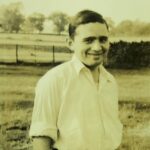
“While we were in Buchenwald we had to get up at half past three in the morning and be outside for the Appel by four o’clock. Then we used to travel into the city of Weimar by train, which was about ten kilometres away.We were assigned to work in the bombed houses. The Germans were frightened to go in as it was dangerous because of the falling masonry, but we were expendable.We had to bring out all the dead bodies and anything else we could see.
While we were working in the houses if we found any food we used to hide it in out trouser bottoms with string so that the food wouldn’t fall out.
Very often when we returned the guards would notice that we were hiding something and they would make us strip. They then confiscated the few miserable scraps of food that we had smuggled in and gave us a good beating.”
Sender Riseman, To Hell and Back (1994).
Rajzman was 18 years old when he was in the Buchenwald concentration camp.
Dissolution & Liberation
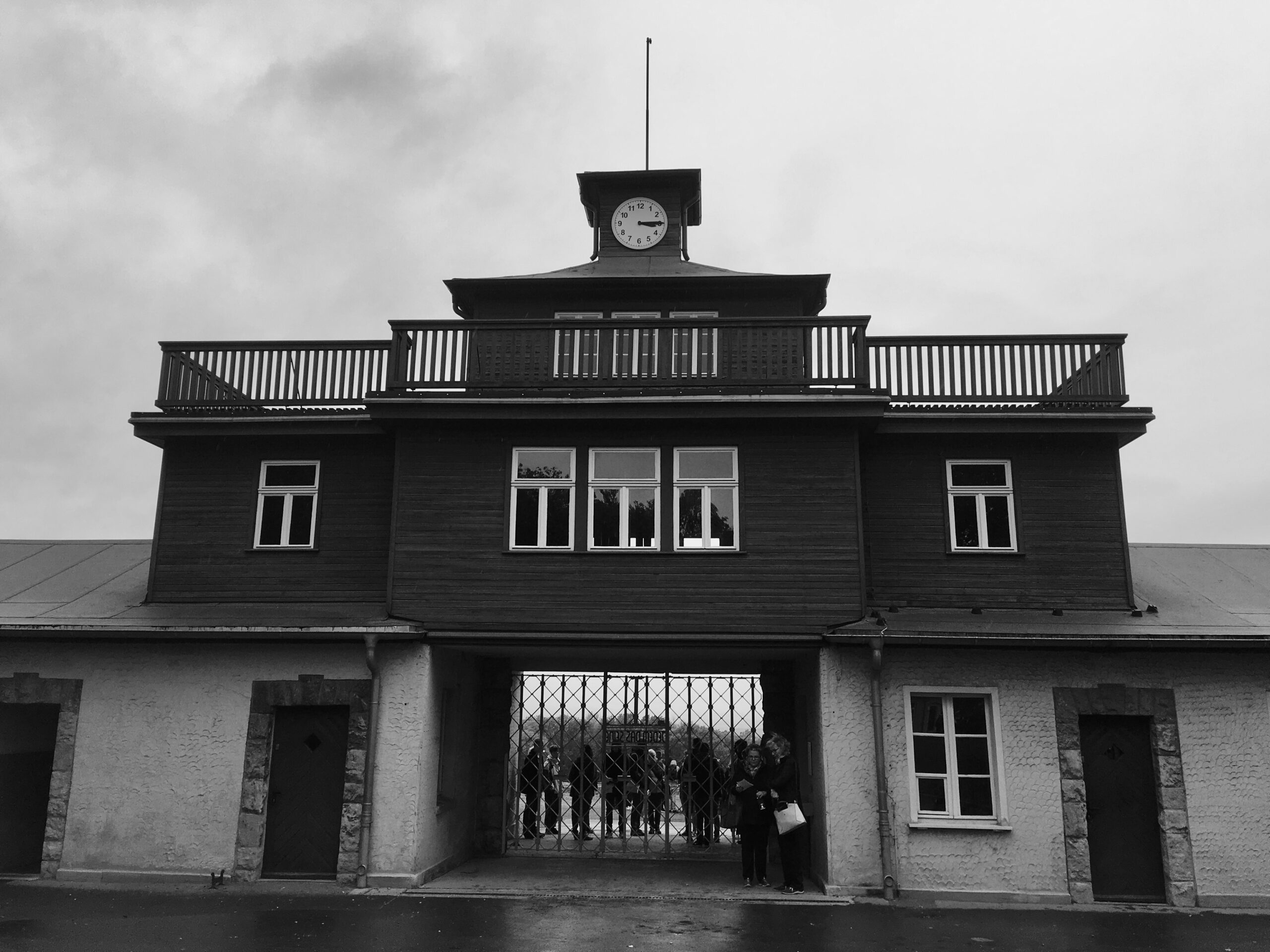
In April 1945, 28,000 prisoners were evacuated on death marches. Many of those who came to the UK in the First Group of the Boys were among them.
On 11 April as the Americans drew near the underground resistance took control of the camp. Later that day US soldiers entered the camp and liberated the remaining 21,000 prisoners
The clock above the main gate was stopped at the moment the Americans liberated the camp.
The US army filmed the weak and emaciated survivors in order to document Nazi crimes against humanity.
Aftermath
From August 1945 to March 1950, the camp was used by the Soviet secret police the NKVD. The NKVD detained 28,455 prisoners here of whom 7,113 died.
The second commandant of the camp, who was in charge between 1942 and 1945, which included the period that the Boys were in Buchenwald was SS-Oberführer He was tried in 1947 Dachau Trials and sentenced to death, but on 28 September 1948 he died in Landesburg Prison of a heart attack.
In 2009 President Barack Obama visited Buchenwald memorial. In a speech at the site, he repudiated Holocaust denial. His great-uncle had helped liberate the nearby Ohrdruf subcamp.
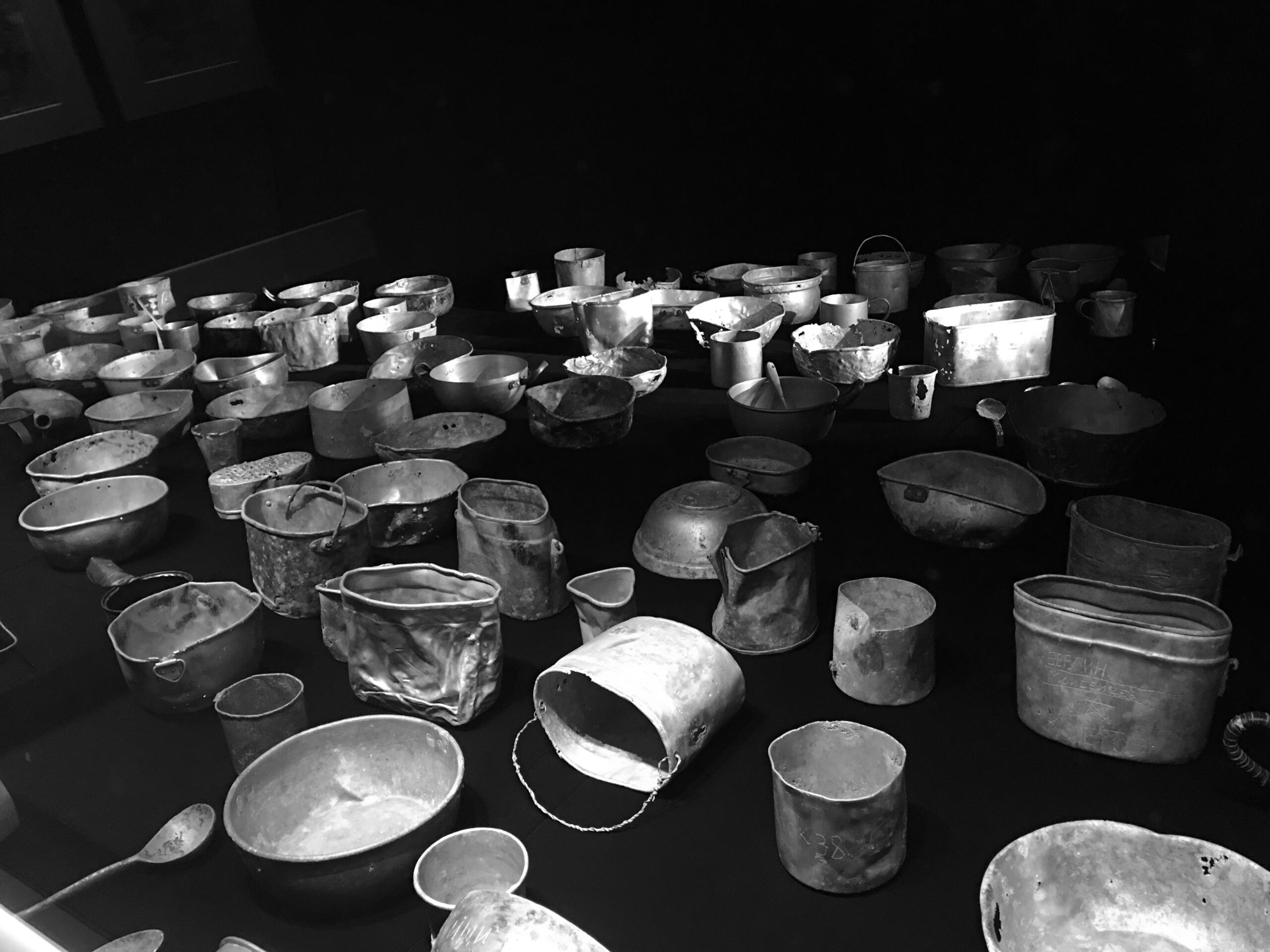
Today, Buchenwald is preserved as a memorial and museum, commemorating both Nazi victims and those imprisoned under Soviet rule.
 About
About History
 Education
 Quilts
 FIlms
FIlms Photos
 News Media & Events
 Publications
 Donate