Members of the Boys were slave labourers in the HASAG armaments factory in Colditz, a subcamp of the Buchenwald concentration camp.
Buchenwald concentration camp was operated by Nazi Germany. The camp had 139 subcamps.
The Boys were teenage and child-Holocaust survivors, who were brought to the UK after the war for rest and rehabilitation.
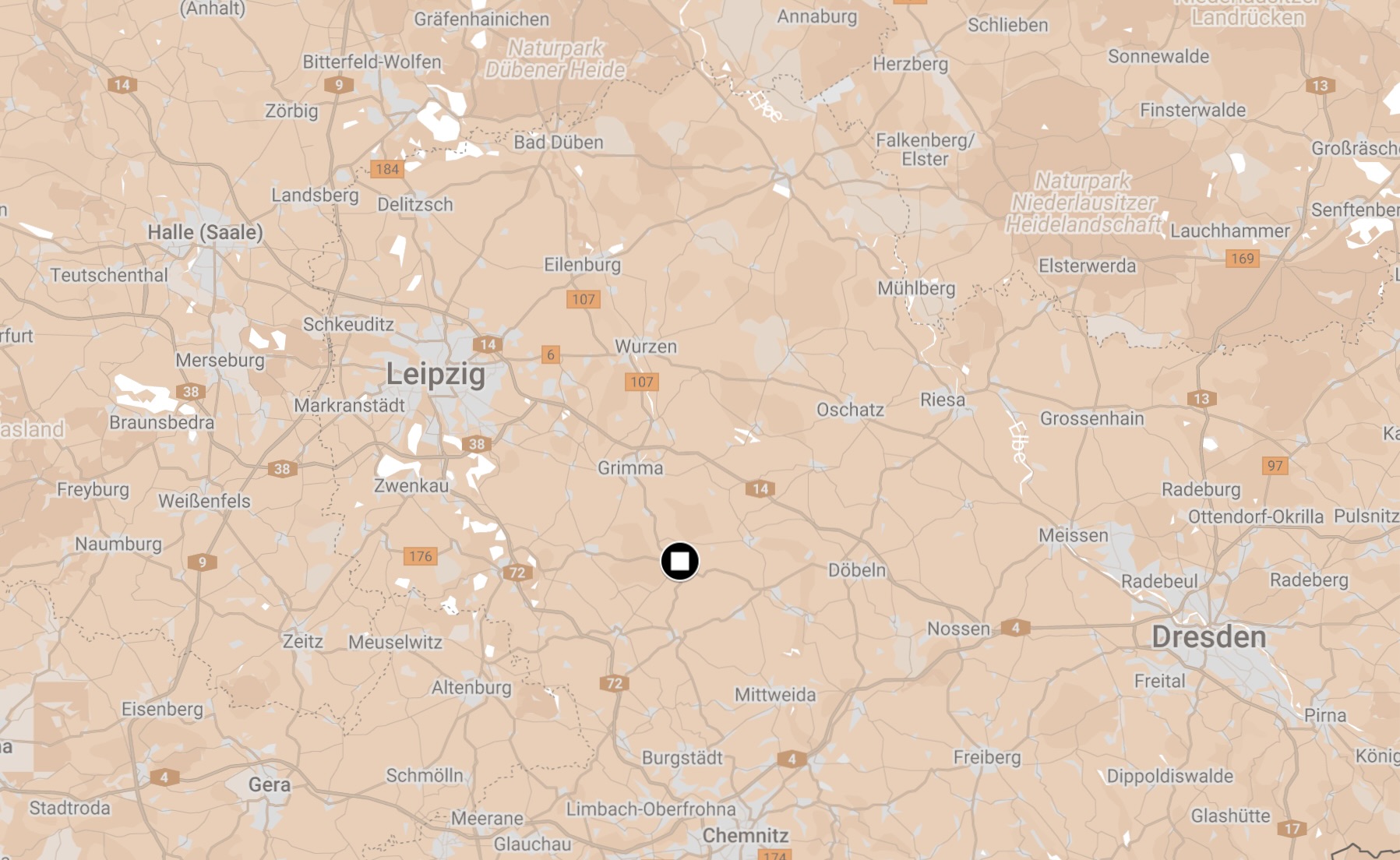
Colditz is 50km southeast of Leipzig.
In the Third Reich, the Leipzig-based company HASAG (Hugo Schneider AG) became a Nazi arms-manufacturing conglomerate with dozens of factories across German occupied Europe. They used slave labour on a vast scale and tens of thousands of Jews from Poland died producing armaments in HASAG factories.
History
As the Red Army advanced through Eastern Europe, HASAG evacuated its plants in occupied Poland, relocating operations westward.
In Colditz, HASAG took over a former stoneware factory operated by Aktie AG, converting it into an armaments production site. HASAG paid rent for the facility in advance.
The slave labourers, among them members of the Boys were taken to Buchenwald concentration camp and then transferred to Colditz.
The factory was converted into a makeshift camp, with large industrial halls fitted with wooden bunks for sleeping. Conditions were harsh, and at least 64 prisoners died while imprisoned in Colditz.
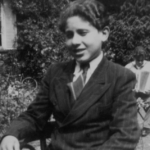
“We were shipped to Colditz, famous for its castle. We didn’t arrive at a camp so much as a factory, where huge halls had been converted and outfitted with bunks for workers.
The commandant of the camp was a middle-aged SS man, like most of the SS men there. I suppose that all the young ones were fighting at the front. The commander wasn’t even an officer; he was an Oberscharführer, a senior sergeant. He looked us over and said, in German, that all the youngsters must step out. Of course, no one wanted to step out. Youngsters couldn’t work as hard and we all knew what that meant.”
Gutter was the only one to step forward and was taken to work in the kitchen.
The commandant was not being kind but had an ulterior motive. He wanted Gutter to steal food for him.
“We both knew if I got caught, I would be shot, but nevertheless I did as I was supposed to do. Thank God, I was never caught.”
There is very little documentation about the factory and some of the Boys arrived in Colditz as late as March 1945. In the final weeks of the war, the camp was evacuated and the prisoners were forced on a death march that ended in the Theresienstadt Ghetto, where they were liberated by the Red Army in May 1945.
 About
About History
 Education
 Quilts
 FIlms
FIlms Photos
 News Media & Events
 Publications
 Donate