Members of the Boys were slave labourers in the Berga an der Elster labour camp, a subcamp of the Buchenwald concentration camp.
Buchenwald concentration camp was operated by Nazi Germany. The camp had 139 subcamps.
The Boys were teenage and child-Holocaust survivors, who were brought to the UK after the war for rest and rehabilitation.
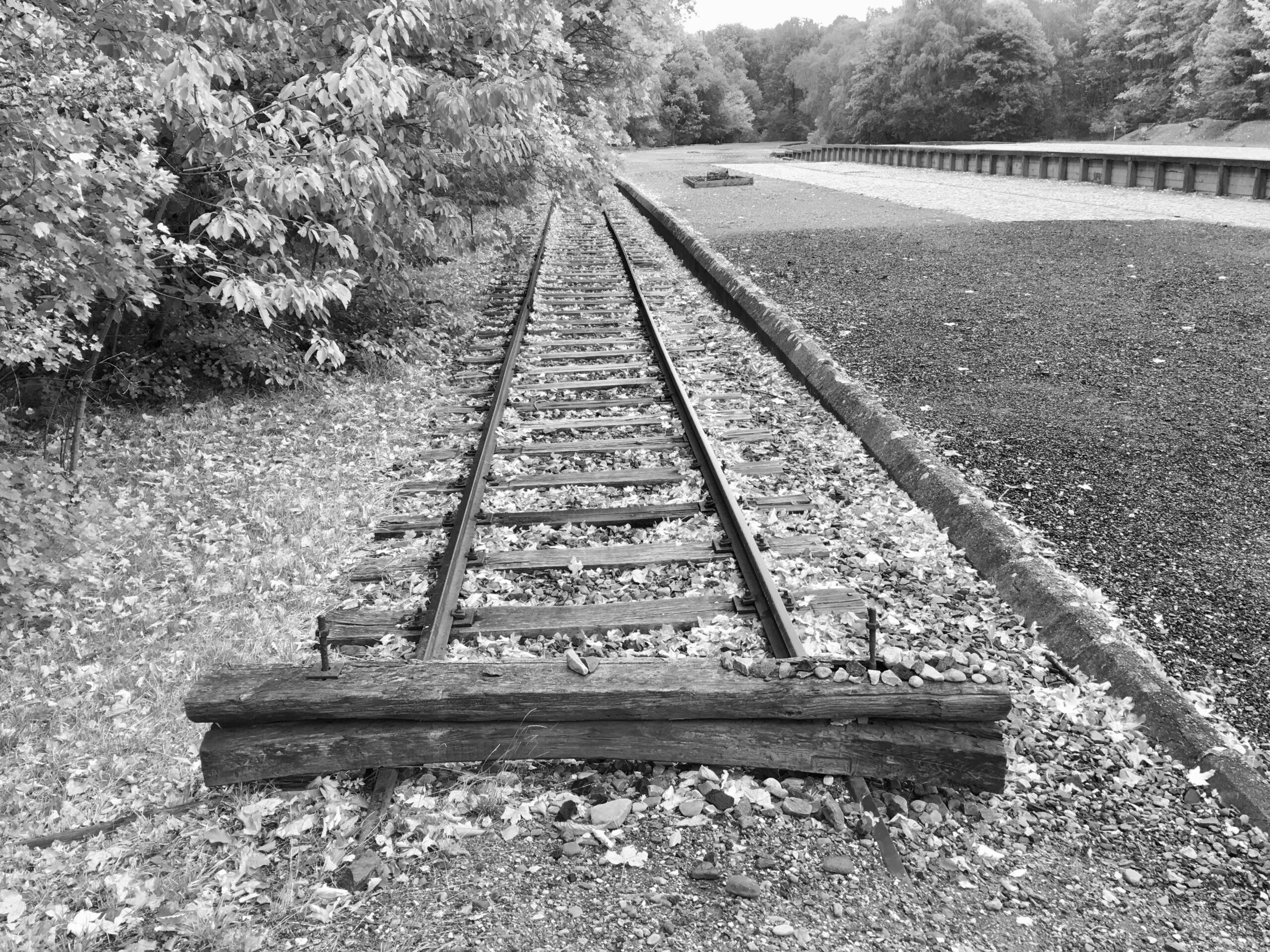
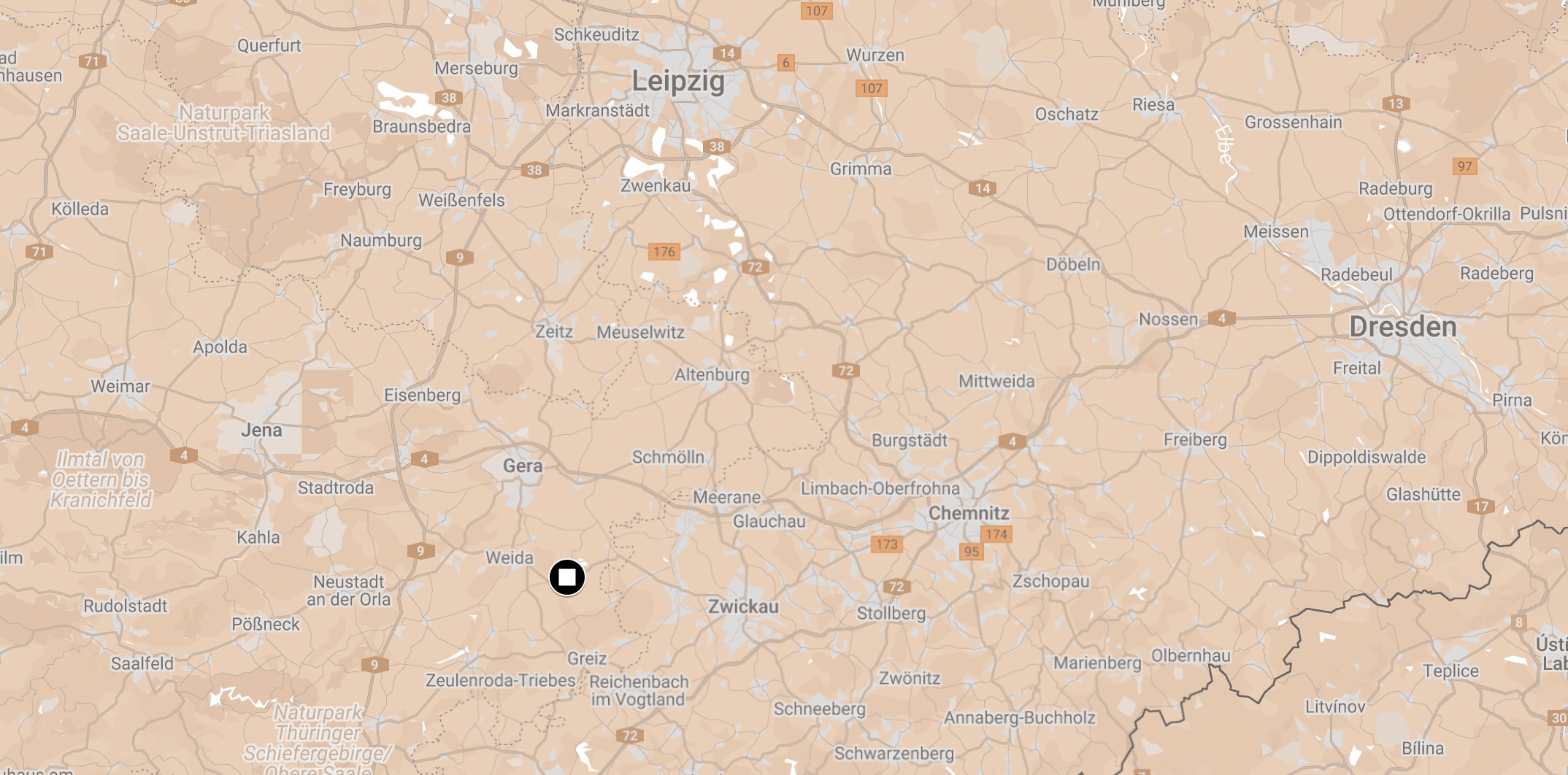
The Berga forced labour camp was located on the outskirts of the village of Schlieben in what is now Berga-Wünschendorf, eastern Germany. The camp was used for transformation of lignite (brown coal) into petrol and run by Braunkohle- Benzin AG (Brown Coal-Gasoline AG, known as Brabag).
History
As a result of increasing Allied bombing attacks, Germany’s fuel reserves sunk to a dangerously low level, so in August 1944, as part of the Geilenberg Program, the Armaments Ministry had established the Petroleum Securing Plan. Braun und Co. Schieferverwaltung, a cover name for Brabag-Zeitz, functioned as the owner and Reich trustee.
Brabag planned to dig 18 interconnected tunnels in the Zikraer Berg mountain, where the plant would be located. The first male prisoners arrived on 13 November 1944, transported from Buchenwald concentration camp, to begin construction. Many of the prisoners were deliberately worked to death or starved. The excavation work was exceptionally hard and dangerous.
The first large transport of 500 prisoners arrived on 1 December 1944, from the Buchenwald labour group Wille in Rehmsdorf near Zeitz, another Brabag camp. Further transports followed between December 1944 and February 1945. In all, over 3,300 prisoners were dispatched to Berga. The largest prisoner groups were Jewish men, but US prisoners of war were also held in camp.
A large group of teenage boys in Berga mostly peeled potatoes in the prisoner and SS kitchens. Working in shifts, like the adult prisoners, some delivered food and coal briquettes from the city’s rail station to the camp and cleaned the SS officers’ rooms.
Between November 1944 and April 1945, 313 prisoners died in the camp. A roll call on 11 March 1945 counted 1,767 prisoners in Berga.
Dissolution & Liberation
On 11 April 1945, the SS ordered the prisoners to form rows of five and issued them with blankets and bowls. About 1,500 men were forced on a death march towards Theresienstadt-Leitmeritz, traveling in a southeasterly direction for 160km. On the way they climbed a height of over 1,200 meters in the Erz Mountains. The final climb from Goldenhöhe to a point somewhere between Schmiedeberg and Oberhals was extremely difficult, as many prisoners died on the way. Other groups may have taken routes through the Erz Mountains via Zwickau and Chemnitz.
In the evening of on 21 April 1945, approximately 850 arrived at their destination during a blizzard. The remainder had either escaped or died on route.
Small groups also arrived by rail in Theresienstadt and went by in a westerly direction and were moved west along the crest of the Erz Mountains. About 500 prisoners were sent by train to Dachau.
Aftermath
After the war, the commandant of the camp SS-Obersturnfûhrer Willy Hack lived under his real name in Weissensand near Reichenbach in Saxony. He was arrested and eventually executed in Dresden in 1952.
After the war the firm and its remaining assets were dissolved. Brabag denied any responsibility for the treatment of prisoners and rejected all claims for compensation by survivors.

 About
About History
 Education
 Quilts
 FIlms
FIlms Photos
 News Media & Events
 Publications
 Donate