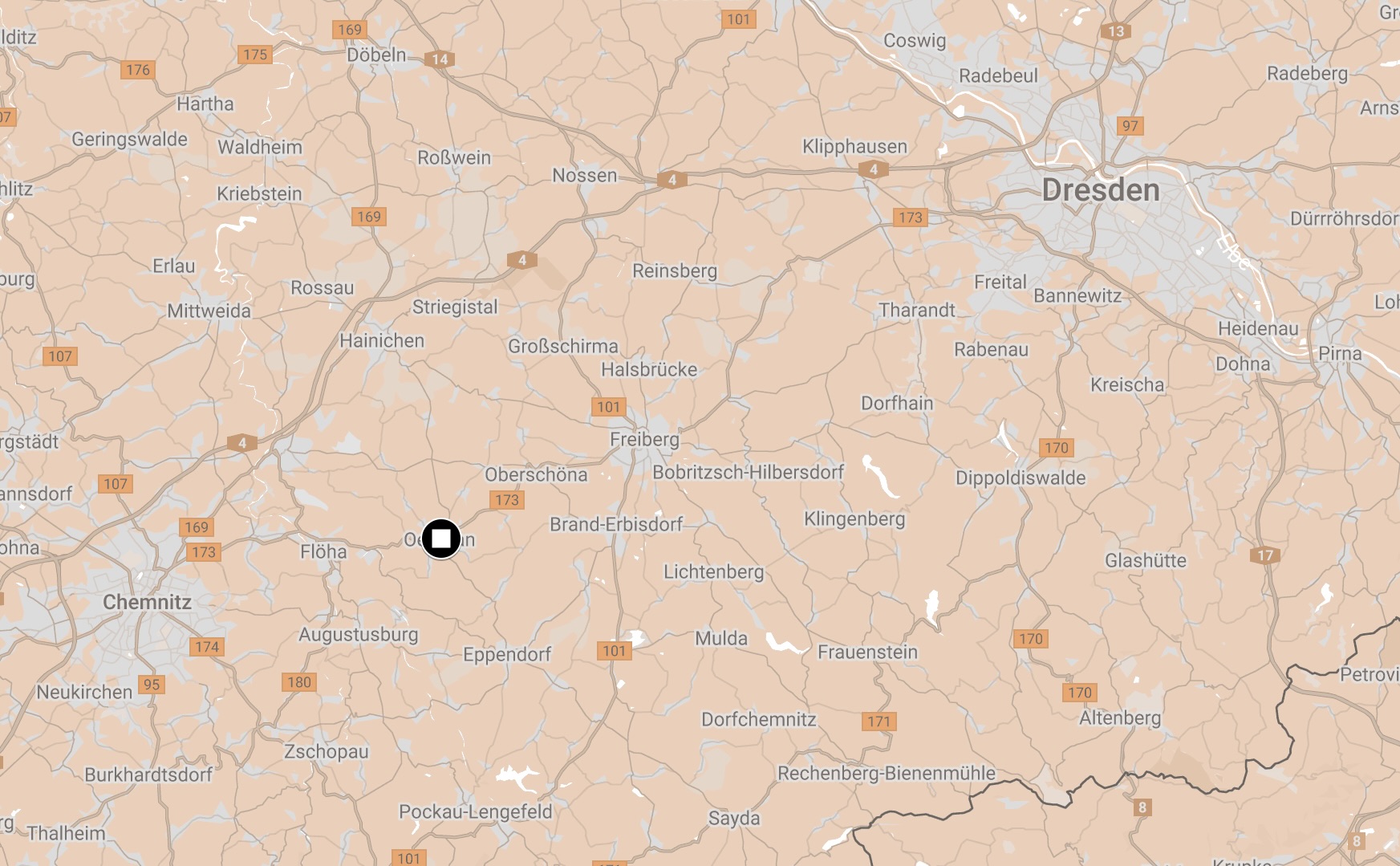
Members of the Boys were slave labourers in the Oederan labour camp in Germany, a subcamp of the Flossenbürg concentration camp.
Flossenbürg concentration camp was operated by Nazi Germany. The camp had 80 subcamps.
The Boys were teenage and child-Holocaust survivors, who were brought to the UK after the war for rest and rehabilitation.
History
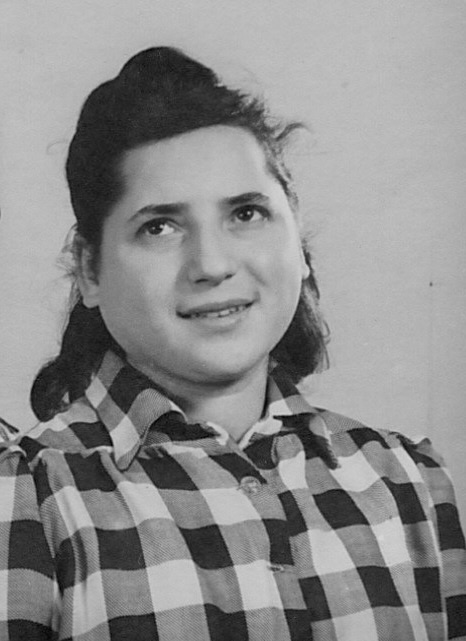
In the autumn of 1944, 500 women were selected in Auschwitz to work as slave labourers in the German GmbH (DKK), a subsidiary of Auto-Union, in Oederan. The factory located in a former textile mill made armaments, drilling holes in bullets.
The women were transported in three convoys on 13 September, 9 October and 30 October. Among them were survivors of the Łódź Ghetto and Theresienstadt. Others came from Hungary.
The women were housed in a large, two- or three-story stone building, in which Italian prisoners of war had previously been allocated. To the right of the refectory was the kitchen; on each floor there were a few dormitories; in each, about 30 to 40 women slept on multi-level bunks. Survivors say that the accommodation was clean and above all better than at Auschwitz; the food, on the other hand, was insufficient.
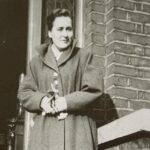
“I remember one death in Oederan. One of the Polish girls died of TB, which I suspect she already had before she came to the camp. I was sent to help bury her, along with another girl who was her friend …
We had to dig a grave for her. The other girl had found a little vial and put a prayer in it to bury with her friend. These girls were orthodox Jews, so religious that they wouldn’t eat the bits of non-kosher horse meat we occasionally had in our soup. The guard wanted us to take off the blanket and throw the girl naked into the grave, but her friend would not allow it. To her it would have been a sacrilege. She argued with the guard for I don’t know how long. She would have let herself be killed rather than let her friend be buried naked. She won the argument, and we buried the girl in the grey blanket. I wasn’t religious but, for me, that was a very important lesson in the strength of belief.”
Dissolution
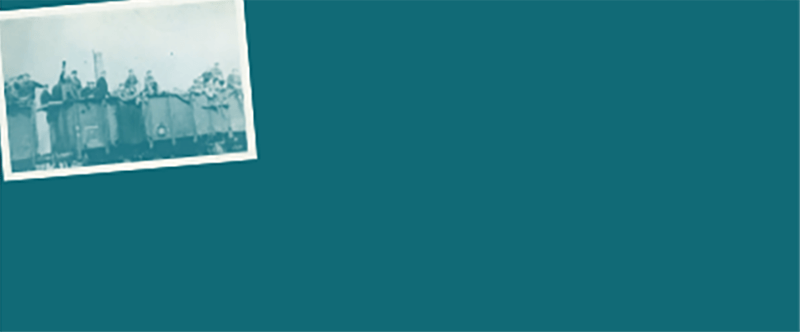
The Oederan camp was evacuated on 14 April 1945. The women were taken by train in open topped wagons cattle cars to the Thereseinstadt Ghetto. The journey took a week. They were finally liberated at Thereseinstadt by the red Army.
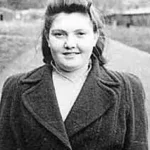
“In Oederan my tuberculosis worsened and I had to be sent to the Kranken Stübe (hospital). Several girls died from tuberculosis while I was there, but they always gave me their food because I was so thin. I stayed there until 1945 (-February). I was then sent in an open train backwards and forwards for about ten days. We never believed that we would survive … One day, all of a sudden the train stopped, we were all told to get out and we were lined up in fives and sent to Theresienstadt. In Theresienstadt they gave us portions of soup; after two spoonfuls I collapsed on the ground, bleeding terribly from my lungs. No one thought I would survive.”
Aftermath
There is a memorial plaque on factory, which is now a private sewing thread factory.

 About
About History
 Education
 Quilts
 FIlms
FIlms Photos
 News Media & Events
 Publications
 Donate