Members of the Boys were slave labourers in the Gröditz labour camp, a subcamp of the Flossenbürg concentration camp in former Sudetenland.
Flossenbürg concentration camp was operated by Nazi Germany. The camp had 80 subcamps.
The Boys were teenage and child-Holocaust survivors, who were brought to the UK after the war for rest and rehabilitation.
History
The camp supplied slave labour for the Mitteldeutsche Stahlwerke, where prisoners made anti-aircraft guns.
The first transport of prisoners arrived from the Flossenbürg on 1 October 1944. Prisoners from the Warsaw Uprising followed. The camp was the most northerly of the Flossenbürg subcamp network located north of Dresden.
Structure
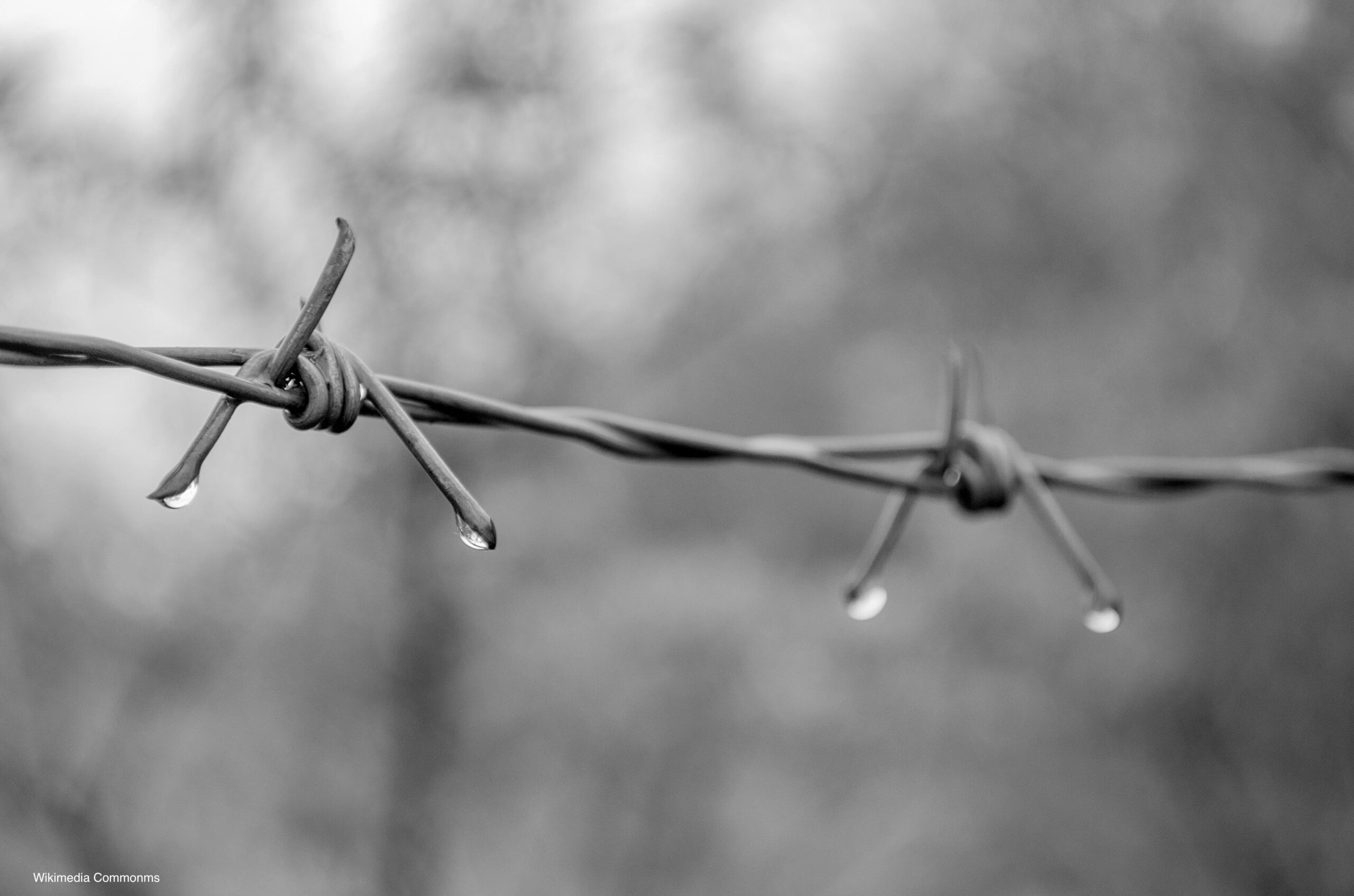
The production floor and its vicinity were fenced with barbed wire and the towers for SS guards were erected. New prisoners were housed in an attic above the production floor.
Workers were abused, overworked and underfed. Prisoners transferred from Auschwitz brought typhus into the camp and the disease spread rapidly.
Dissolution & Liberation
Between 400-500 prisoners were moved by truck to Radebeul. From there the prisoners were then forced on a march to the Theresienstadt Ghetto, where they were liberated. The remaining 186 prisoners who were too weak to walk were shot dead in a sandpit in nearby Koselitz. A work detail of 30 prisoners then had to remove all traces of the camp. They were liberated on a death march by the Red Army in the vicinity of Zinnwald.
Aftermath
There are memorials at Koselitz and in the cemetery.

 About
About History
 Education
 Quilts
 FIlms
FIlms Photos
 News Media & Events
 Publications
 Donate