Member of the Boys were taken as slave labours to the Bolkenhain labour camp, a subcamp of the Gross Rosen concentration camp.
The Gross Rosen concentration camp was operated by Nazi Germany. The camp had 100 subcamps located in what is now the Czech Republic, Germany and Poland.
The Boys were child-Holocaust survivors, who were brought to the UK after the war for rest and rehabilitation.
History
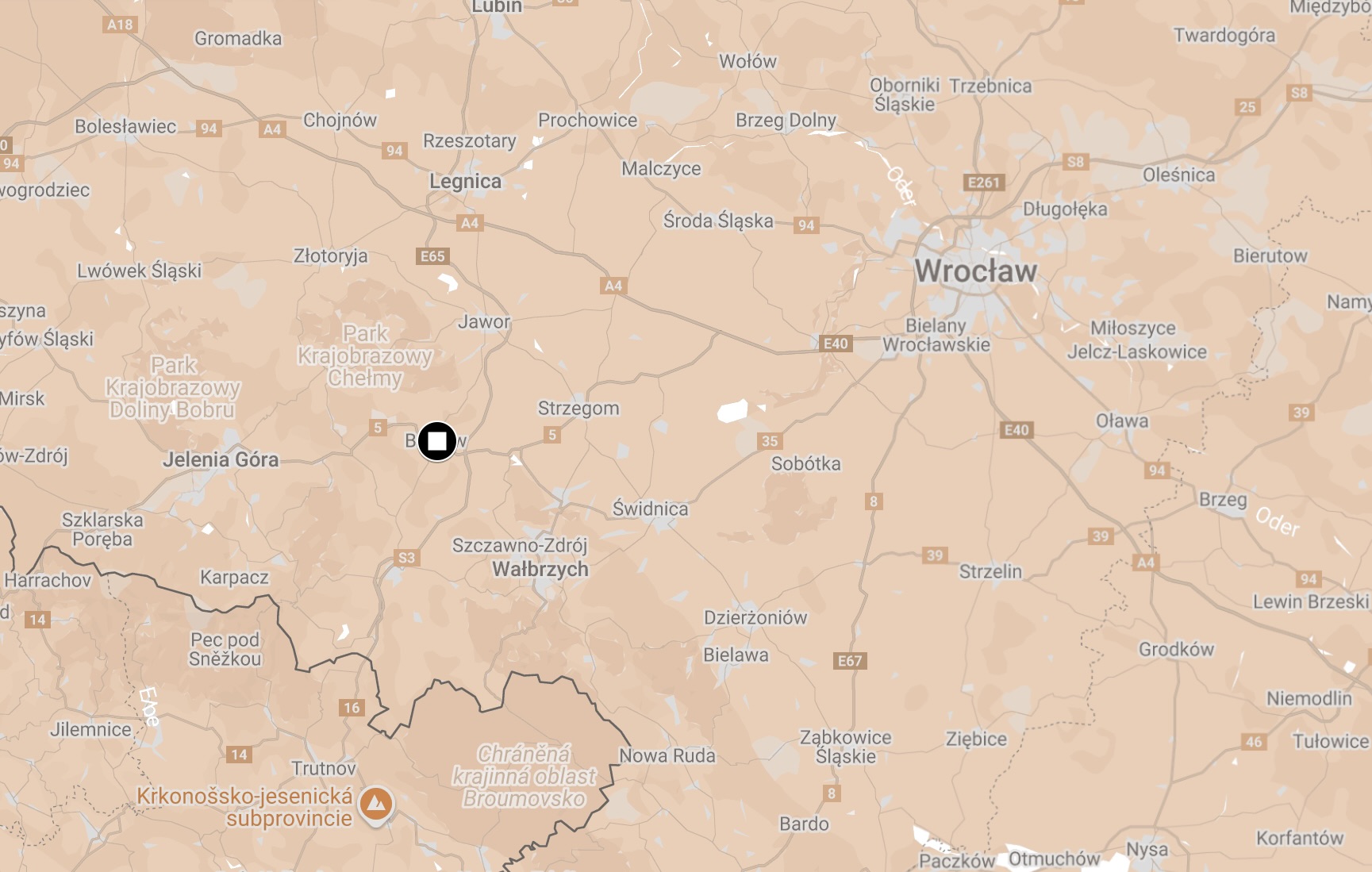
The camp was established in August 1944 and was located near Wolmsdorf, Wolbromek which is now in Poland.
It consisted of 13 barracks which held 1,500 mainly Jewish prisoners. They were used as slave labourers in tunnels where aircraft were made but also for logging and building roads.
“Lice were a constant problem in every camp and Bolkenhain had its own way of dealing with it. Every two weeks, we would have to strip and stand in the appel quad whilst our clothes were deloused by other prisoners. By heating and eliminating many lice in the factory ovens, we often shortened the time we had to stand naked and wait for our clothes. One day, after we had walked back to the camp from our day-shift at the factory, we were told to strip for delousing. It was a bitterly cold night and snow was thick on the ground. We had been ordered to stand in rows of five, but as the night wore on we huddled closer together for some warmth. In the early hours of the morning, our clothes were returned to us and we were ordered to return to the factory for our next shift. We had not been able to sit down all night and had received no food or water. Those who had been standing around the edge of our huddled pack had succumbed to the elements and frozen to death where they stood.”
When the Red Army crossed the border into Poland in January 1945, another 200 prisoners from Auschwitz and Kraków-Płaszów.
Liquidation
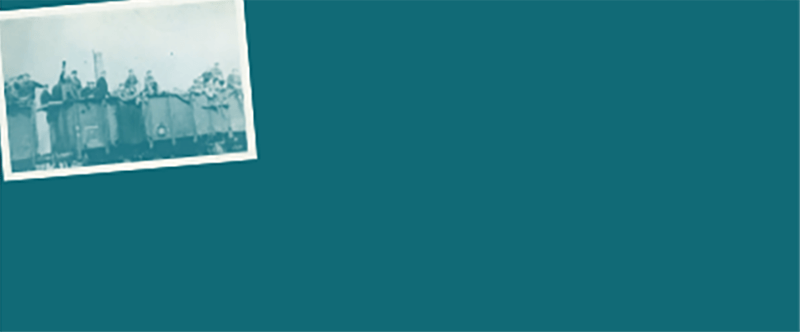
The camp was evacuated in mid-February 1945. 500 prisoners were taken to the Hirschberg subcamp of Gross Rosen and after two weeks they were transferred to the Buchenwald concentration camp in German in freight wagons. Those who were considered unfit to walk were murdered.
Aftermath
After the war, Bolkenhain was investigated and faced trial alongside other subcamps of Gross-Rosen. Today, Bolków (formerly Bolkenhain) in southwestern Poland bears few physical traces of the former camp.
While there is no major memorial on site, the history of the entire camp network is documented at the Gross-Rosen State Museum.
 About
About History
 Education
 Quilts
 FIlms
FIlms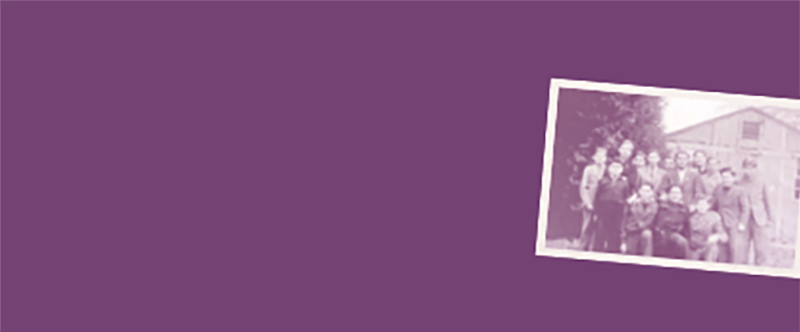 Photos
 News Media & Events
 Publications
 Donate