Member of the Boys were taken as slave labours to the Dyhernfurth labour camp, a subcamp of the Gross Rosen concentration camp.
The Gross Rosen concentration camp was operated by Nazi Germany. The camp had 100 subcamps located in what is now the Czech Republic, Germany and Poland.
The Boys were child-Holocaust survivors, who were brought to the UK after the war for rest and rehabilitation.
History
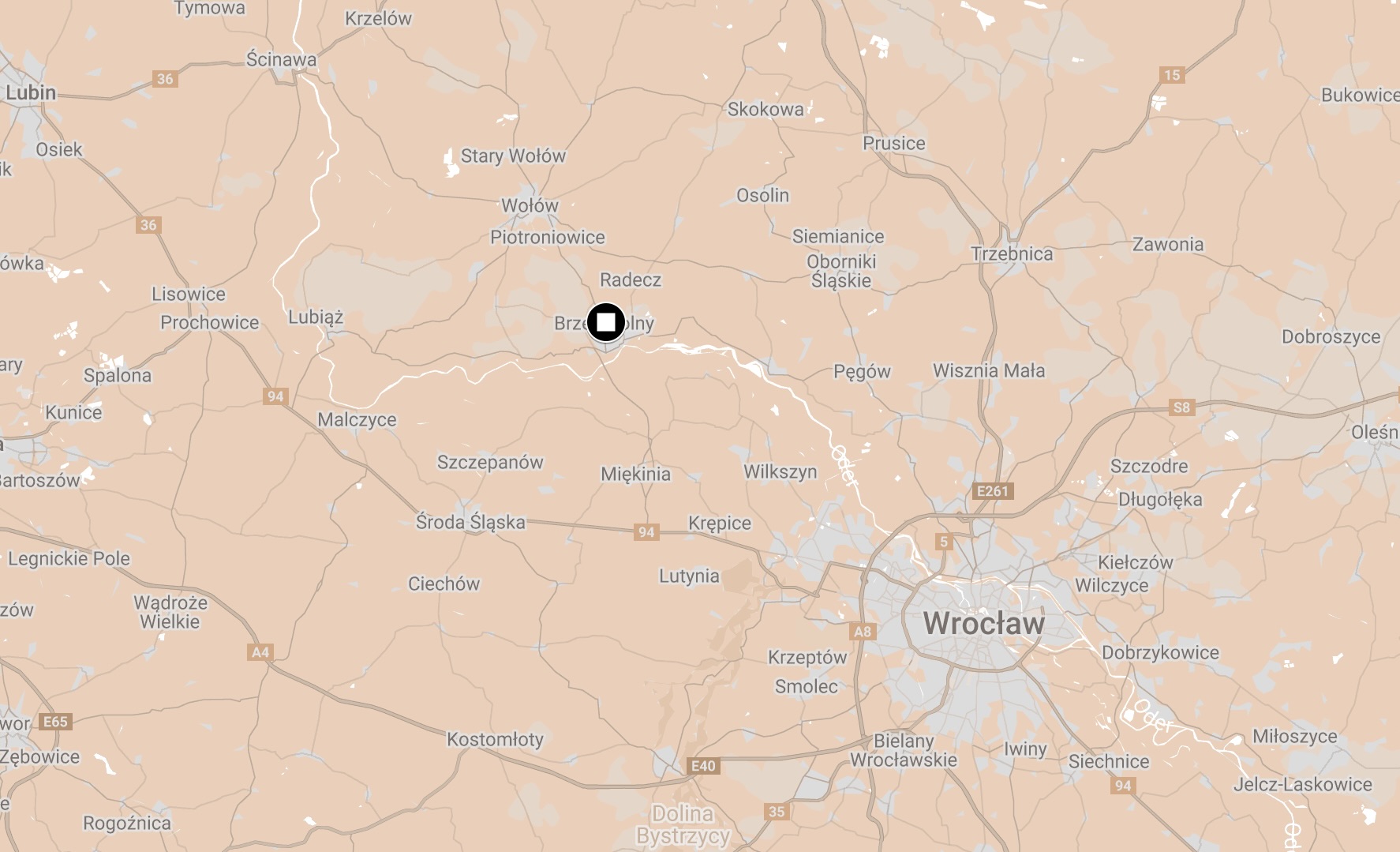
The camp was in Brzeg Dolny in southwestern Poland. The area was part of Germany before World War II and the town was known by its German name of Dyhernfurth.
In 1942, the Nazis established a plant to manufacture the highly toxic nerve agent tabun. It was run by a branch of the German company I.G. Farben. The prisoners, Poles, Jews and Soviet prisoners of war, were held in two camps, Dyhernfurth I and Dyhernfurth II. Jewish prisoners were held in Dyhernfurth II. The camps operated from mid-1943 until January 1945.
Conditions in both camps were brutal, but particularly in Dyhernfurth II (Lager Elfenhain), which had a very high mortality rate due to the harsh physical labor, minimal rations, and exposure to toxic chemicals.
The work was a state secret. Prisoners were marked “RU” (Rückkehr unerwünscht – return undesirable), meaning they were not expected to survive and leave the camp. Experimentation with the nerve agents on prisoners also occurred.
Dissolution & Liberation
As the Soviet Red Army advanced, the healthy prisoners were forced on a death march to the main Gross-Rosen camp on January 24, 1945. Many died from the cold and starvation during the journey.
The German forces attempted to destroy the evidence of chemical weapons production but failed. The facilities were captured by Soviet troops, dismantled, and moved to the Soviet Union. The site is now home to one of Poland’s largest chemical companies, PCC Rokita.
 About
About History
 Education
 Quilts
 FIlms
FIlms Photos
 News Media & Events
 Publications
 Donate