Members of the Boys were slave labourers in the Fallersleben-Volkswagenwerke labour camp, a subcamp of the Neuengamme concentration camp in Hamburg, Germany.
Neuengamme was operated by Nazi Germany. The camp had 99 subcamps.
The Boys were child-Holocaust survivors, who were brought to the UK after the war for rest and rehabilitation.
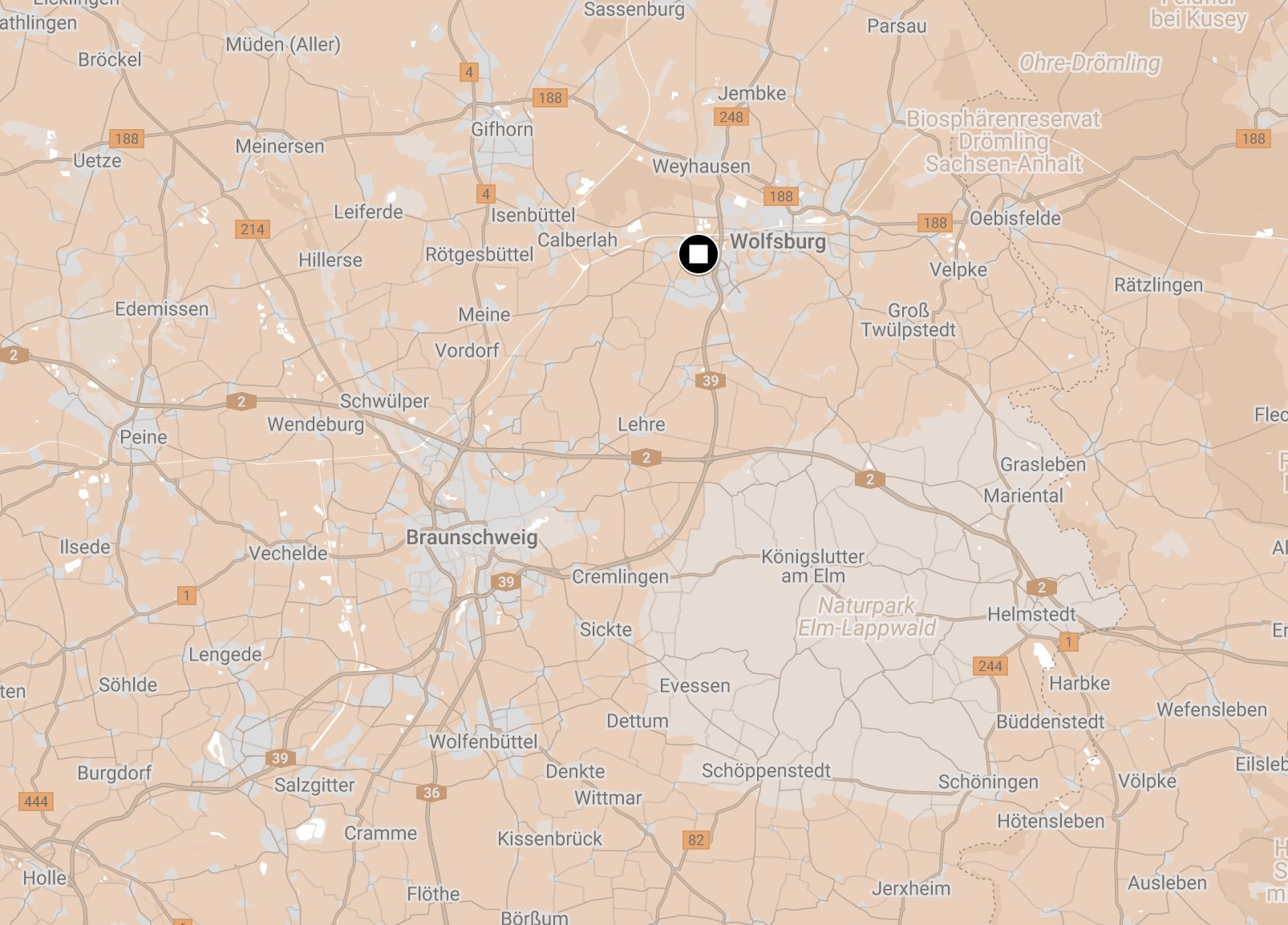
The camp was located in the Volkswagen corporation’s main factory in the Lower Saxon city of Wolfsburg in Germany.
Volkswagen was one of the first companies to set up a labour camp for slave labourers and it initially housed workers in a camp constructed in 1942 but later abandoned.
History
The Fallersleben-Volkswagenwerke concentration camp was a subcamp of the Neuengamme concentration camp and operated from early June 1944 to 7 April 1945.
The camp provided slave laborers for V-1 and small arms production in the VW factory.
Until July 5, 1944, the camp held 300 male Hungarian Jewish prisoners brought from Auschwitz in the summer of 1944. They had been recruited by a VW engineer and SS-Hauptscharführer in Auschwitz as metalworkers, technicians, and civil engineers for the manufacturing of cruise missiles in a top-secret area of the factory just above the prisoners’ quarters.
After Allied air raids had partly destroyed the factory, V-1 production was moved to underground facilities in Schönebeck an der Elbe near Magdeburg and Tiercelet in occupied Lorraine.
During the second period, from August 1944 to April 7, 1945, a larger number of female prisoners, the majority of them Hungarian Jews who had been selected for slave labor in Auschwitz, manufactured land mines and bazookas at assembly lines located next to the concentration camp area. They were taken to the camp from Auschwitz on three transports. Additional women were brought to Fallersleben on two transports in November 1944 and January 1945 from the Bergen-Belsen concentration camp.
Layout
The women were housed on the factory grounds in a converted shower room in factory hall 1 and had to produce anti-tank mines and rocket launchers at the plant.
Hygiene in the Fallersleben camp was good, but food was insufficient. By the time of liberation, most prisoners were severely undernourished.
Dissolution
On 7 April 1945, some 1,600 remaining female inmates of the Fallersleben-Volkswagenwerke camp were evacuated by train to Salzwedel, another subcamp of Neuengamme. They were liberated by U.S. Army troops a week later.
Aftermath
The name of the Fallersleben camp commander is not known.
It was only in 1986 that Volkswagen began to address its past and provided recompense for those it had used as both slave and forced labourers.

 About
About History
 Education
 Quilts
 FIlms
FIlms Photos
 News Media & Events
 Publications
 Donate