Members of the Boys were slave labourers in the Hamburg-Eidelstedt labour camp, a subcamp of the Neuengamme concentration camp.
Neuengamme concentration camp was operated by Nazi Germany. The camp had 99 subcamps.
The Boys were teenage and child-Holocaust survivors, who were brought to the UK after the war for rest and rehabilitation.
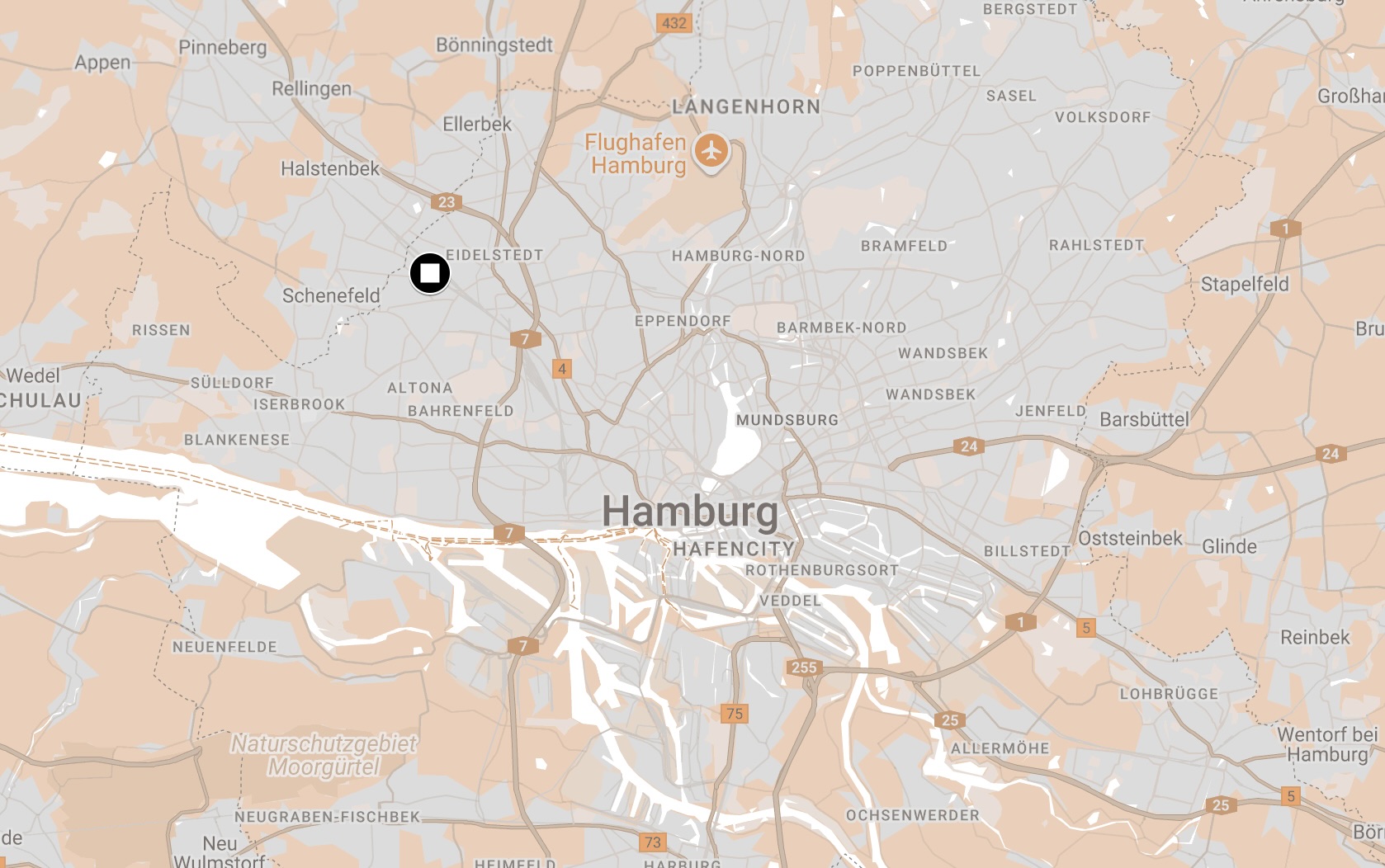
About 500 Jewish women from Hungary and Czechoslovakia were imprisoned in Eidelstedt camp on Friedrichshulder Weg in Hamburg from 27 September 1944 until April 1945.
History
Hamburg had been subjected to heavy Allied bombing and the women were used by the Hamburg city council to clear rubble and later snow, as well as build temporary prefabricated housing near the camp.
During the bombing many residents of Hamburg had fled to the sparsely populated Eidelstedter Heide suburb on the edge of the city. Prefabricated houses were needed to accommodate them. For this reason, the camp was located here as the prisoners were used in construction work.
It is not clear when the camp became a Neuengamme subcamp in 1944, as all the relevant paperwork was destroyed by the Germans at the end of the war.
The 500 Czech and Hungarian prisoners were selected in the Auschwitz II-Birkenau extermination camp. Among them was one of the girls, Gita Papir. At first in mid-July 1944, they were taken to the Hamburg-Dessauer Ufer satellite camp. From there, they were transported to the Wedel satellite camp for women on 13 September 1944. They arrived at the Eidelstedt camp on 27 September.
Structure
The barracks camp consisted of two large sleeping barracks, each with several sleeping rooms, and another large barracks housing the washroom, the toilets, and a storage room. There was also a sick bay and a clothing store as well as a canteen for the prisoners. Outside the camp, an air-raid bunker was built for the guards at the main gate next to the guardhouse. The women were taken to work in the inner city by means of a special tram.
Dissolution & Liberation
In early April, the SS evacuated the camp and transported the women to the Bergen-Belsen concentration camp. They went without food for several days and arrived half-starved. In Bergen-Belsen they were liberated together with thousands of other prisoners by British troops on 15 April 1945.
On 20/21 April 1945, several hundred more women who had been evacuated to Hamburg from the Helmstedt-Beendorf satellite camp arrived at Eidelstedt. In early May, more prisoners came to Eidelstedt from the Langenhorn/Ochsenzoll and Wandsbek satellite camps for women in Hamburg. These prisoners were liberated by British soldiers on 5 May 1945.
Aftermath
The commander of the satellite camp was SS-Unterscharführer Walter Kümmel. Kümmel was sentenced by a British military tribunal in 1946 to ten years in prison, but he was released early in 1952.

 About
About History
 Education
 Quilts
 FIlms
FIlms Photos
 News Media & Events
 Publications
 Donate