Members of the Boys were slave labourers in the Hanover-Ahlem labour camp, a subcamp of the Neuengamme concentration camp.
Neuengamme was operated by Nazi Germany. The camp had 99 subcamps.
The Boys were teenage and child-Holocaust survivors, who were brought to the UK after the war for rest and rehabilitation.
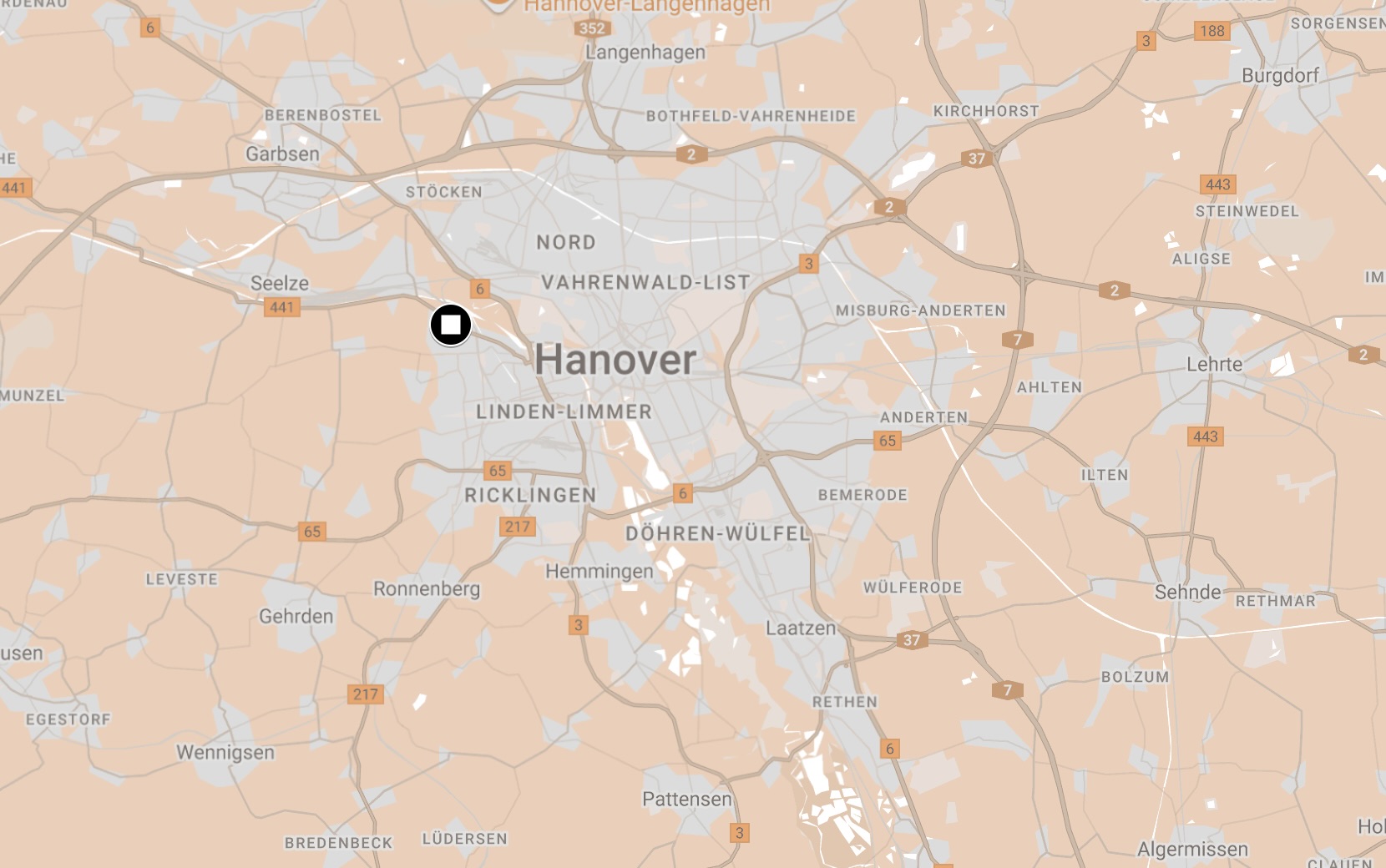
The Continental Gummiwerke company used slave labour at their factories in Hannover-Stöcken, Hannover-Limmer and Hannover-Ahlem, all subcamps of the Neuengamme concentration camp.
History
At the end of November 1944, an advance commando consisting of around 100 concentration camp prisoners from the Hannover-Stöcken satellite camp reached Ahlem, where they were forced to set up huts on property belonging to Continental Gummi-Werke AG and build washrooms and housing for the SS.
On 30 November 1944, most of the prisoners from the Stöcken satellite camp were transferred to Ahlem, bringing the total number of prisoners to about 840 men, most of whom were Jewish. The prisoners were forced to construct an underground tunnel to house the Continental Gummi-Werke rubber factory and the Maschinenfabrik Niedersachsen Hannover. The project was code named “A 12”.
The work was back breaking, and the deathrate was high.
Structure
The camp was located in the fields outside Hamburg. It was surrounded by an electric barbed wire fence. Four watchtowers flanked the camp’s perimeter, and the SS barracks stood outside the entrance of the camp. There were five barracks for prisoners. There was no water in the shower block, so prisoners used a ditch near the roll-call area as a toilet. The prisoners slept in narrow, two and three tiered bunks. Often two men to each bunk. Each barracks had two small stoves, but there was virtually no fuel.
The prisoners were woken at 4am. They endured long hours of rollcall standing in the cold. During which time the kapos beat them violently. The men were then marched to asphalt tunnels which were damp and cold. The inmates worked 12-hour shifts day and night.
The high death rate meant further prisoners were brought to the camp. It is not known exactly how many prisoners died at Ahlem but historians estimate the figure between 250-850.
Dissolution
On 6 April, those prisoners who were still able to walk left the concentration camp on foot. Six-hundred men set off in the direction of Bergen-Belsen. It is not known how many prisoners were murdered by SS men along the way.
On April 10, 1945, the 335th Regiment of the 84th Infantry Division of the U.S. Army liberated the remaining 200 six prisoners in the camp. One of the soldiers who liberated the camp was Henry Kissinger, who went on to play an important role in American politics as National Security Adviser, Secretary of State, and confidante of American presidents.
Kissinger said that the scene that he encountered at Ahlem was one of the most horrifying experiences of his life.
Aftermath
The commander SS-Hauptscharführer Otto ‘Tull’ Harder, a well-known former Hamburg football player, was commander of the Ahlem satellite camp. In 1947, a British military tribunal in Hamburg tried several of the Ahlem guards and kapos. Otto Harder was convicted and sentenced to 15 years in prison.

 About
About History
 Education
 Quilts
 FIlms
FIlms Photos
 News Media & Events
 Publications
 Donate