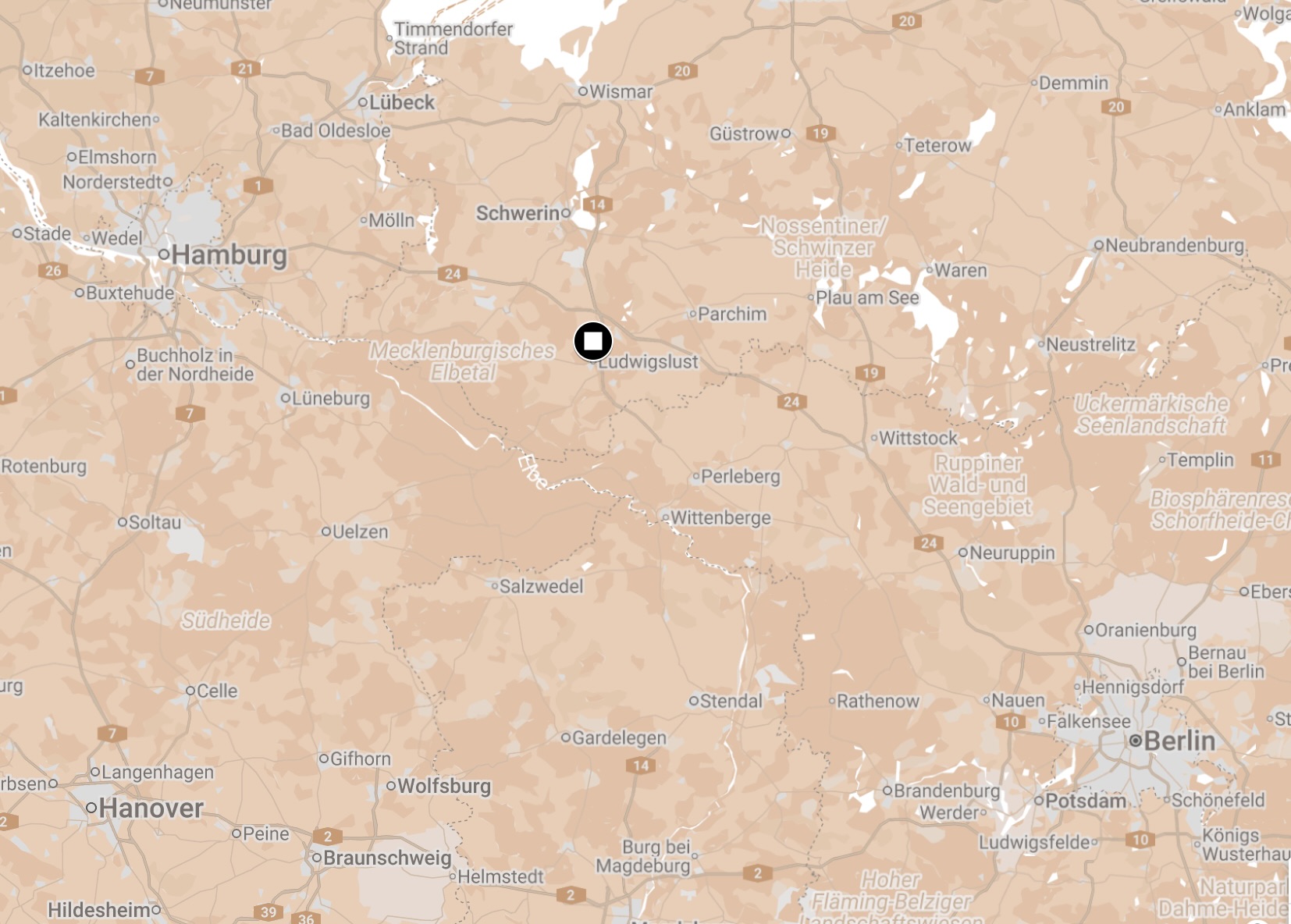
Members of the Boys were taken to the Ludwigslust-Wöbbelin labour camp, a subcamp of the Neuengamme concentration camp in Hamburg, Germany.
Neuengamme concentration camp was operated by Nazi Germany. The camp had 99 subcamps.
The Boys were teenage and child-Holocaust survivors, who were brought to the UK after the war for rest and rehabilitation.
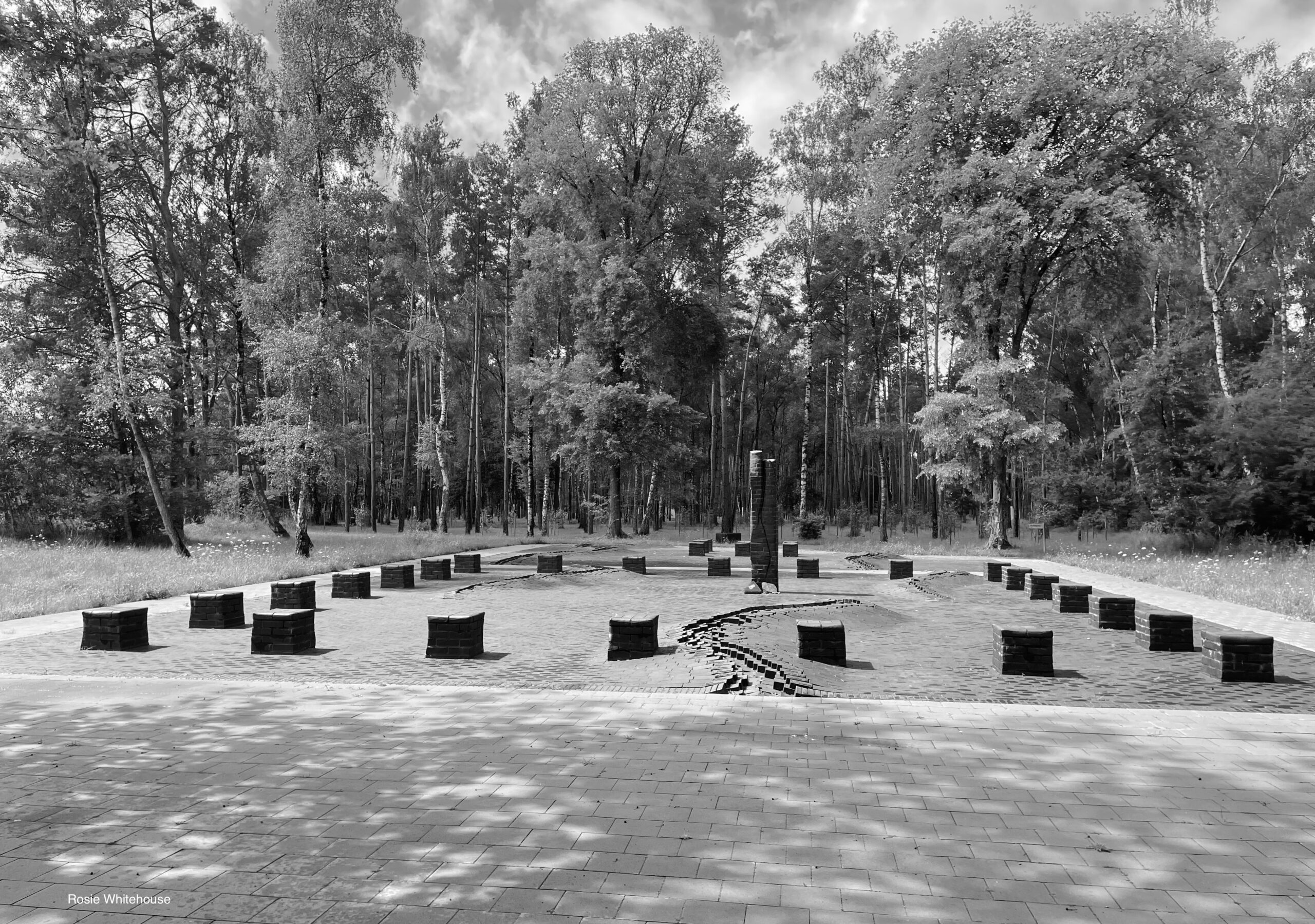
Unlike the rest of subcamps in the Neuengamme system, the camp was not intended to house prisoners to be used as labourers but was designed to receive prisoners evacuated from other camps.
The camp, situated 12km from the town of Ludwiglust, was a sub-camp of Neuengamme concentration camp. Ludwiglust is 92km southeast of Hamburg.
History
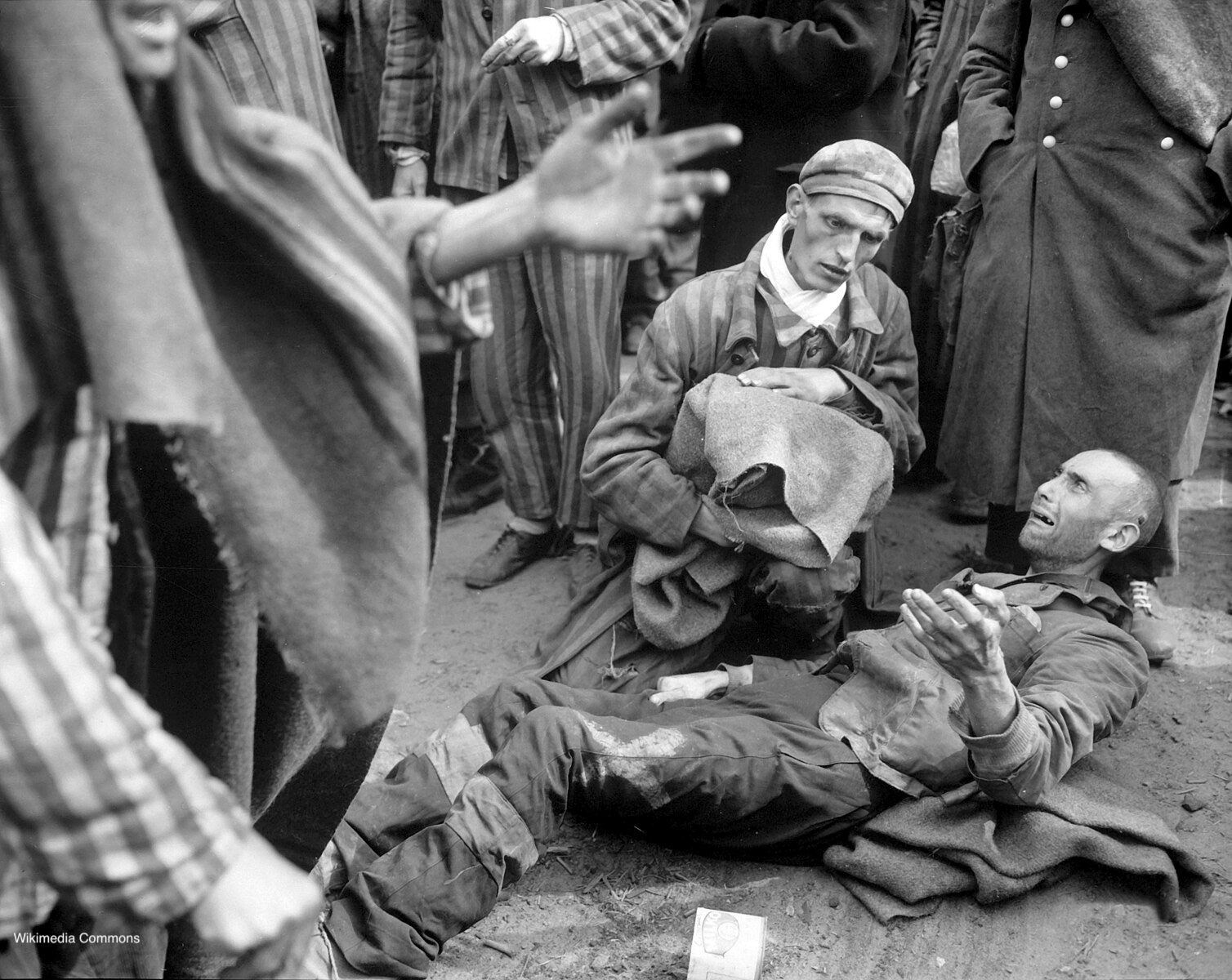
On 12 February 1945, a transport of some hundreds of prisoners were brought to construct the camp but the work had not been completed when over 4,000 prisoners arrived in mid to late April 1945. These prisoners had been moved from other camps to prevent their liberation by the Allies. Disease and starvation was widespread. There was little water and virtually no sanitation.
Paul Gast said in an interview at Holocaust Resource Centre at Kean University, that the camp was the worst he experienced. “It was something awful, unbelievable, it was beyond one’s imagination what happened in Ludwiglust.” He recalled that there were “dead bodies were all over the place” and that Russian prisoners were cooking “human flesh”.
Structure
Barbed wire and watch towers surrounded the camp. The stone buildings were not completed and did not have heating, doors, windows or proper floors. There were no bunks and prisoners slept on the insect infested floors. The more prisoners who arrived in the camp the smaller the food rations became.
During the 10 weeks of the camp’s existence, more than 1,000 inmates died from the conditions and maltreatment by the guards. However, as not every transport was registered, it is difficult to ascertain exact numbers. The only forced labour was a group of prisoners in a commando to remove the corpses.
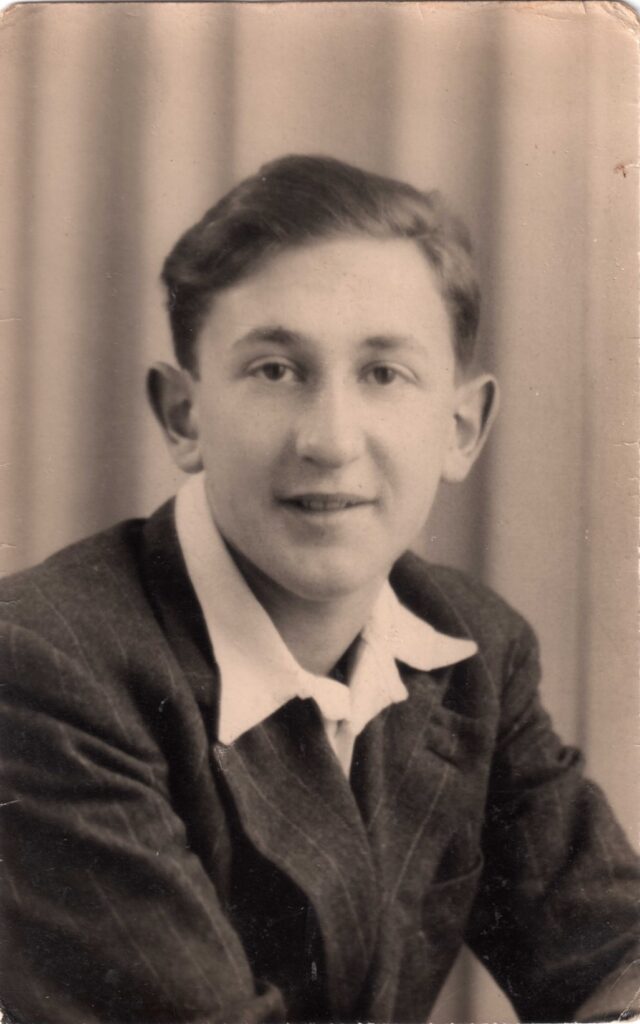
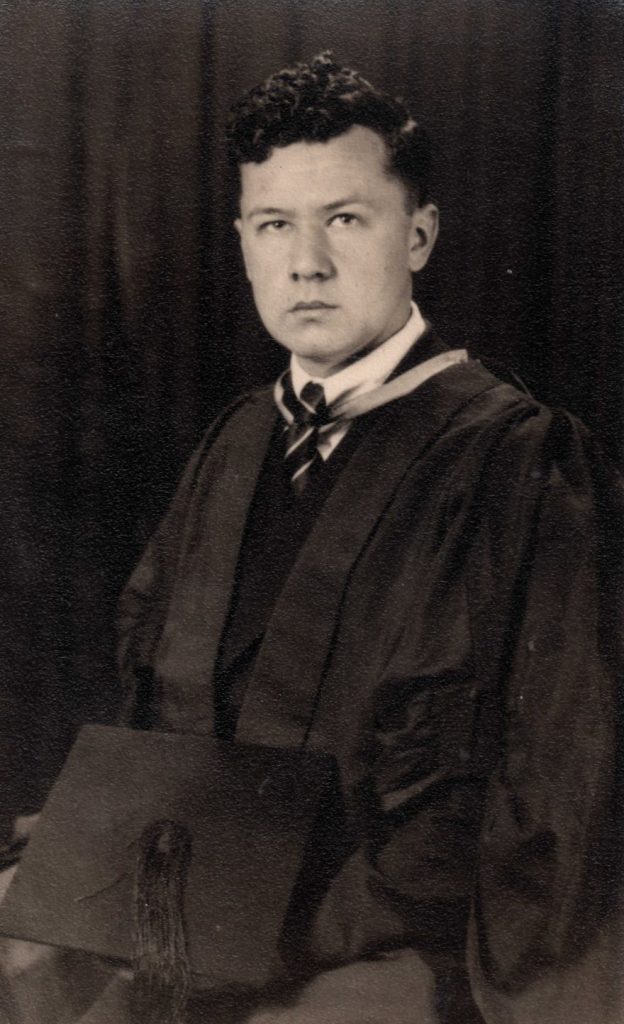
Some of the members of the Boys who were imprisoned in Ludwigslust-Wöbbelin
Dissolution & Liberation
There were two attempts to dissolve the camp. On 1 March some prisoners were marched out of the camp and loaded onto a freight train with open wagons but the train did not depart and the prisoners were forced to return to the camp. A second march then began towards Schwerin. More than 3,500 ill and weak prisoners remained behind. The members of the Boys were not on these marches.
The US Army liberated the Wöbbelin camp on 2 May 1945. The US Army then ordered the people who lived in Ludwigslust to visit the camp and bury the dead. When one prisoner heard the siren of an ambulance arriving, he thought it had come to help him, but it was in fact coming to the aid of a German visitor who had fainted.
Aftermath
The commandant was 35-year-old SS-Obersturmbannführer Paul Werner Hoppe who had been the commandant of the Stutthof concentration camp from 1942 until its evacuation in January 1945. After the war, Hoppe was briefly interned in a British prison camp, from where he fled to Sweden. After he returned to Germany in 1952, he was arrested and was sentenced to a nine- year prison term in 1957 for crimes he committed in Stutthof. Released in 1960, he died in 1974.
After the camp was liberated by the Americans on 2 May 1945, it was destroyed, so there is little to see here today. The site is located just off the motorway between Hamburg and Berlin.The first memorial was placed at the camp in 1960. The site was vandalised by right-wing extremists in 2002.
The visitors centre, the Teodor Körne Museum (Ludwigslusterstr. 2; free) hosts small exhibitions and events. It is just past the memorial and is signposted.

 About
About History
 Education
 Quilts
 FIlms
FIlms Photos
 News Media & Events
 Publications
 Donate