Members of the Boys were slave labourers in the Watenstadt labour camp, a subcamp of the Neuengamme concentration camp in Hamburg, Germany.
Neuengamme concentration camp was operated by Nazi Germany. The camp had 99 subcamps.
The Boys were teenage and child-Holocaust survivors, who were brought to the UK after the war for rest and rehabilitation.
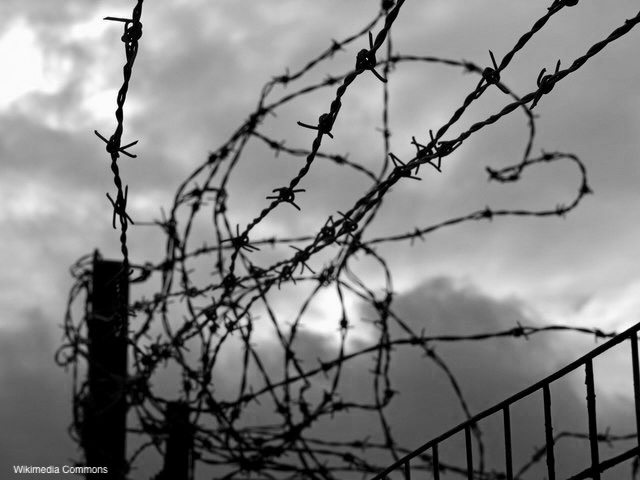
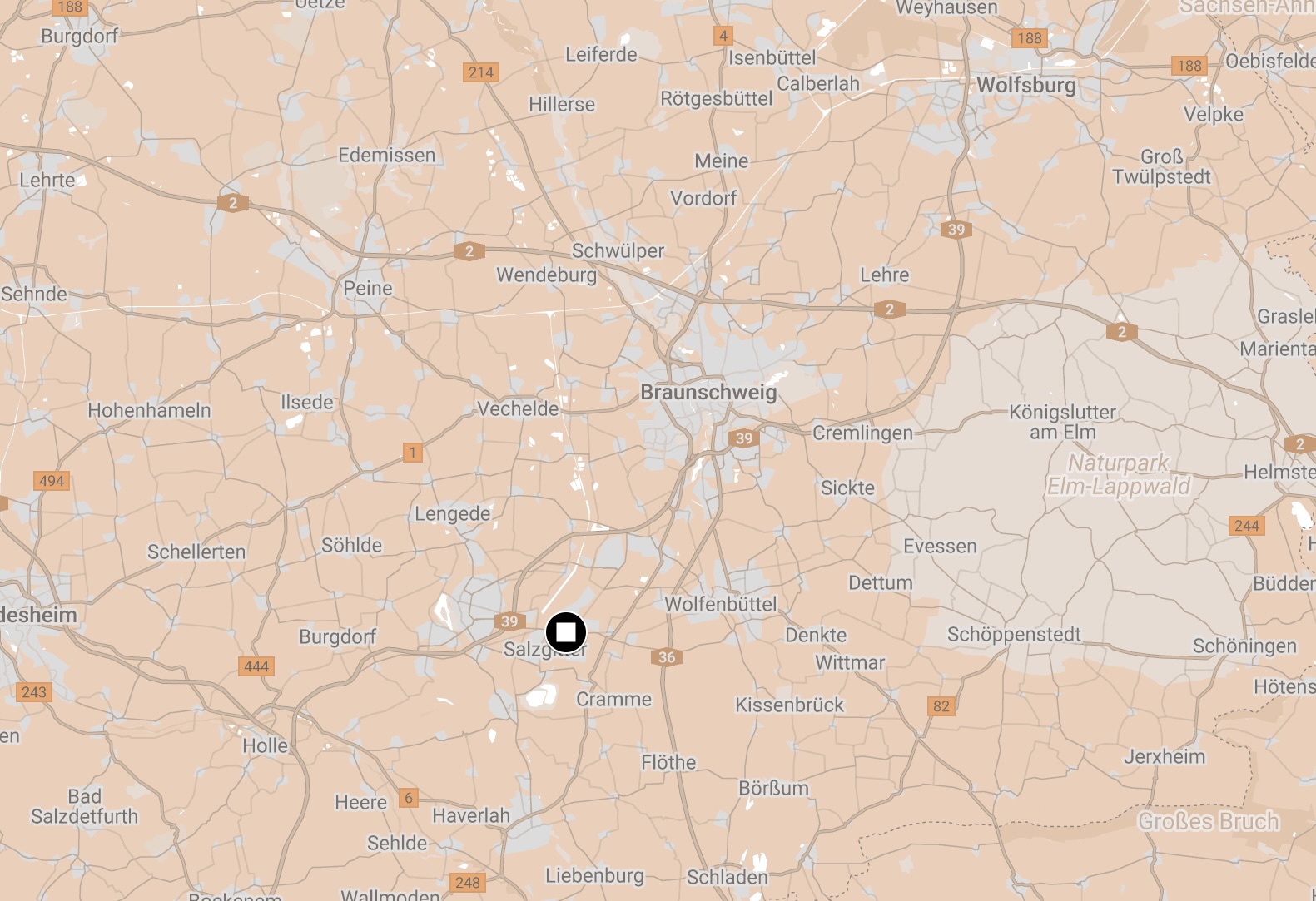
Watenstedt was a subcamp of the Neuengamme concentration camp. It was established in May 1944 to house concentration camp prisoners forced to work in the Braunschweig steel works. Members of the Boys were brought here from the steel works as the camp was liquidated in Braunschweig.
History
The factory at Watenstedt processed steel and was located close to the Braunschweig steel works in Germany. It was located opposite the village of Leinde and began operation in May 1944. At first the prisoners were just men, but the first transport of women arrived from the Ravensbrück concentration camp in July 1944
The largest groups of prisoners were French, Soviet, and Polish political prisoners.
At the beginning of 1945, the prisoner composition changed because, with the dissolution of the Braunschweig subcamps and a large number of Jewish prisoners were brought to the Watenstedt camp among them were members of the Boys.
Structure
The prisoners worked in the Braunschweig steelworks about 2km from the camp and walked to work. They produced grenade and shell casings. The prisoners were housed in a camp of huts which had previously been used to hold forced labourers.
The living conditions in the Watenstedt subcamp were similar to those in other subcamps. Clothing, hygienic conditions, and food were completely inadequate. The clothing for women was totally unsuitable.
Due to the lack of prisoner clothing, the women were given civilian clothes that were marked with paint. The work was extremely dangerous and there were many accidents.
In the spring of 1945, the vice president of the Swedish Red Cross, Graf Folke Bernadotte, and Reichsführer-SS Heinrich Himmler agreed that 5,000 Scandinavian prisoners could be moved to Sweden. They were to be collected in Watenstedt. Israel Gastfreud, later Paul Gast says that he and other members of the Boys had initially been selected for this transport but were removed.
Dissolution & Liberation
The SS began the dissolution of Watenstedt on 7 April 1945.
About 3,000 prisoners were evacuated by train. The women were taken to Malchow. One of the trains went to the Ravensbrück concentration camp. This included the members of the Boys. They were then taken to Lugwigslust-Wöbbelin

 About
About History
 Education
 Quilts
 FIlms
FIlms Photos
 News Media & Events
 Publications
 Donate