Members of the Boys were slave labourers in the Pionki labour camp in Poland.
The Pionki labour camp was set and run by Nazi Germany.
The Boys were teenage and child-Holocaust survivors, who were brought to the UK after the war for rest and rehabilitation.
History
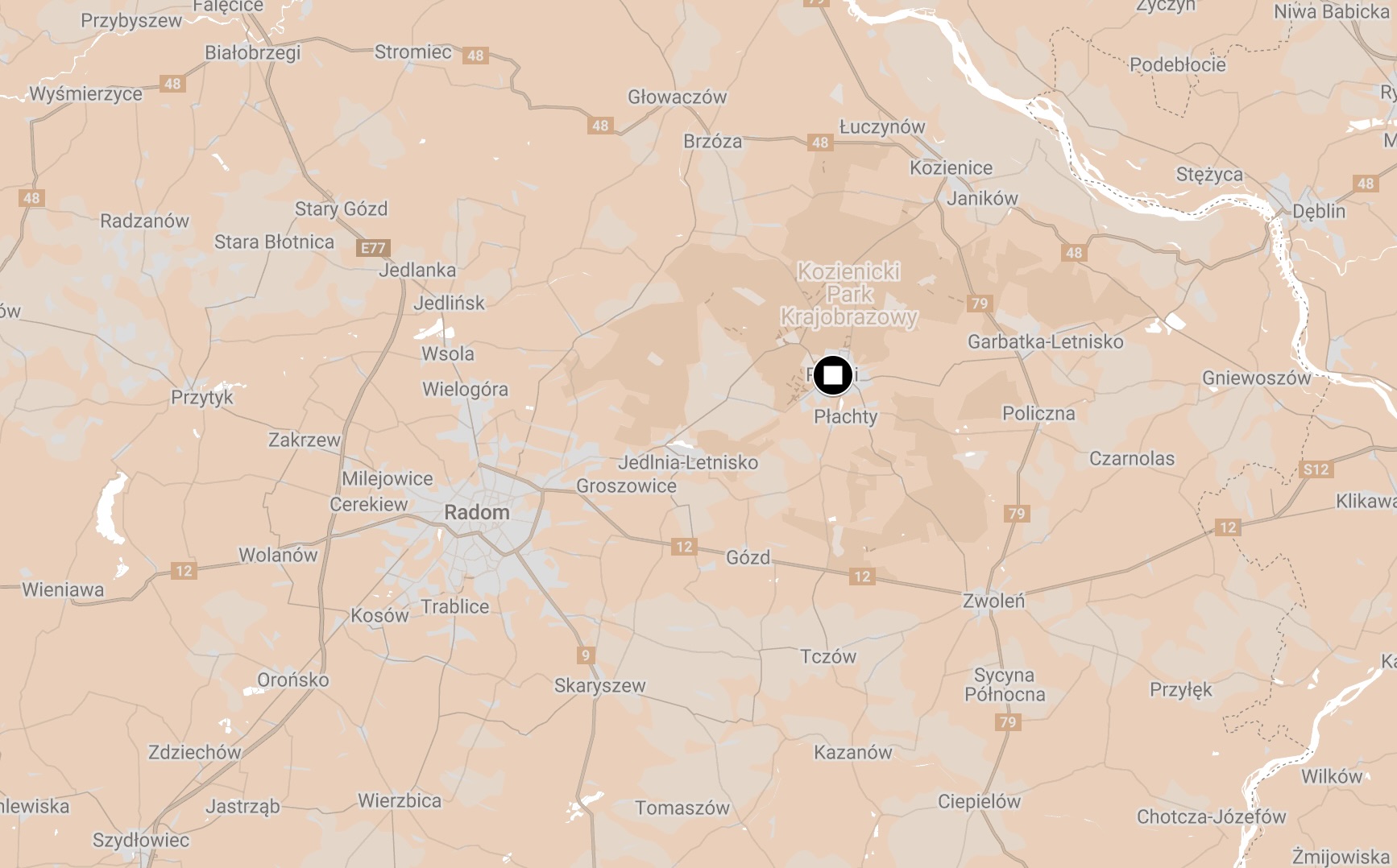
The labour camp in Pionki, a town in Radom County in central Poland was used to house forced labourers for the local chemical plant that produced explosives. Pionki is located about 20km east-northeast of Radom.
Jewish prisoners were brought here in late 1941, among them Moniek Goldberg and Salomon Trzebiner. They were among the small number to survive slave labour in Pionki.
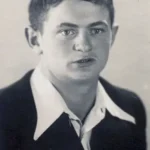
“I had a terrible time. I was always hungry. My clothes were in tatters. My boots had worn out and I wore wooden clogs.
The work was very hard. I worked in a power-generating plant. It was coal-fired and because there were so few of us we were only four workers to a shift.
An eight-hour shift could be sixteen hours depending on the whim of the Polish supervisor. They gave us 1.75 kilos of bread once a week, on Sunday. By Thursday, I had no bread left.”
Moniek Goldberg quoted in Martin Gilbert, The Boys: The Story of 732 Young Concentration Camp Survivors (Wiendenfeld & Nicholson, 1996).
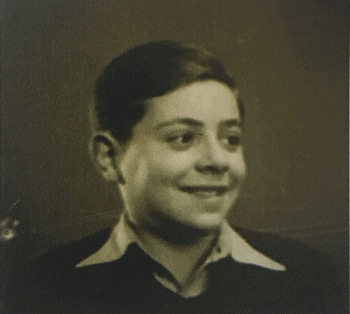
Goldberg was 13 years old when he was held in the camp
The camp was guarded by German and Ukrainian guards.
Approximately 200 labourers (men and women) from the liquidated Pionki ghetto were quartered in the factory’s barracks, where a labor camp was set up in August 1942.
The members of the Boys were among the small number of Jews who survived the camp.
 About
About History
 Education
 Quilts
 FIlms
FIlms Photos
 News Media & Events
 Publications
 Donate