Members of the Boys were slave labourers in the Sachsenhausen concentration camp.
Sachsenhausen concentration camp was operated by Nazi Germany. The camp had 70 subcamps.
The Boys were teenage and child-Holocaust survivors, who were brought to the UK after the war for rest and rehabilitation.
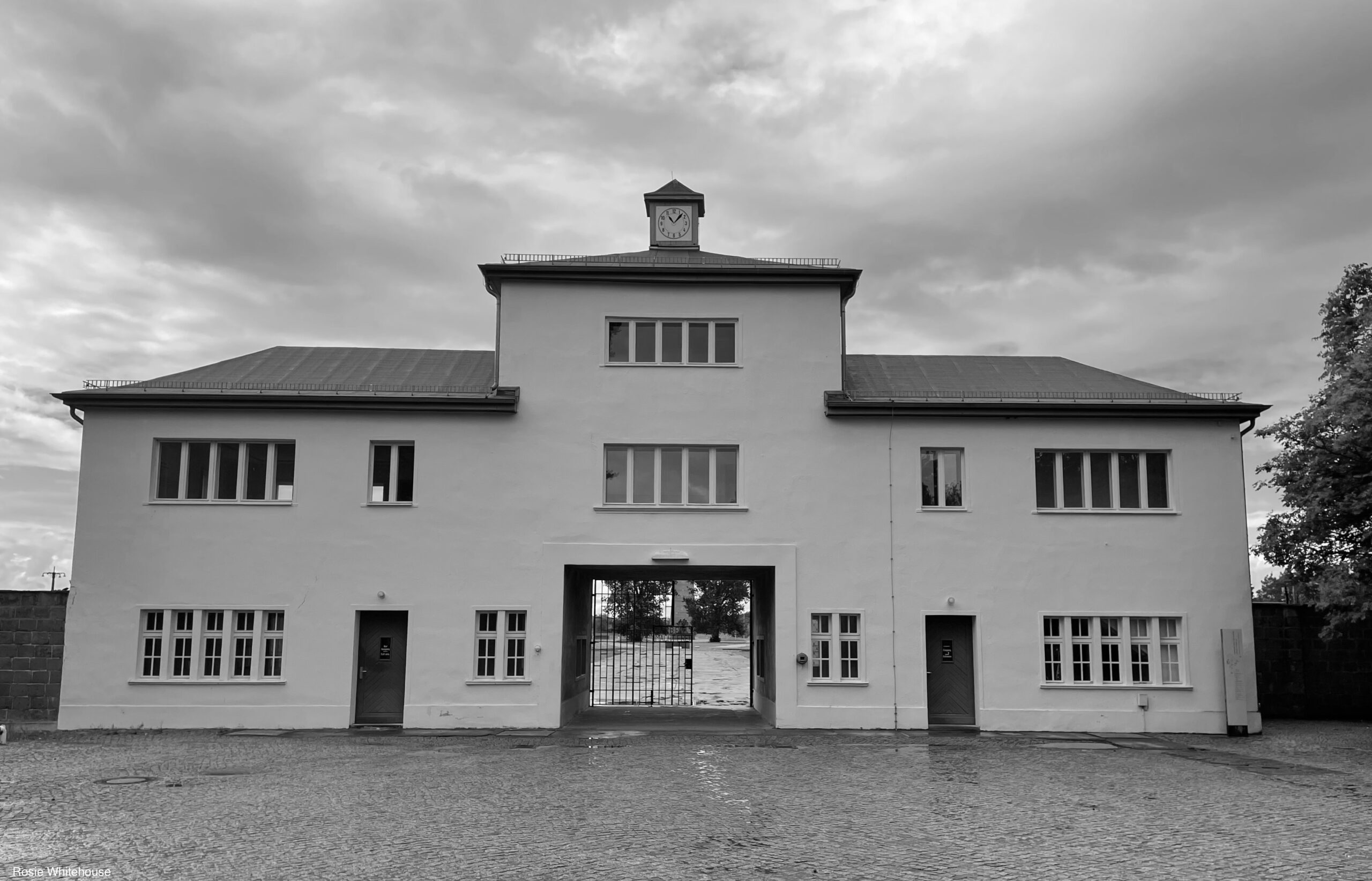
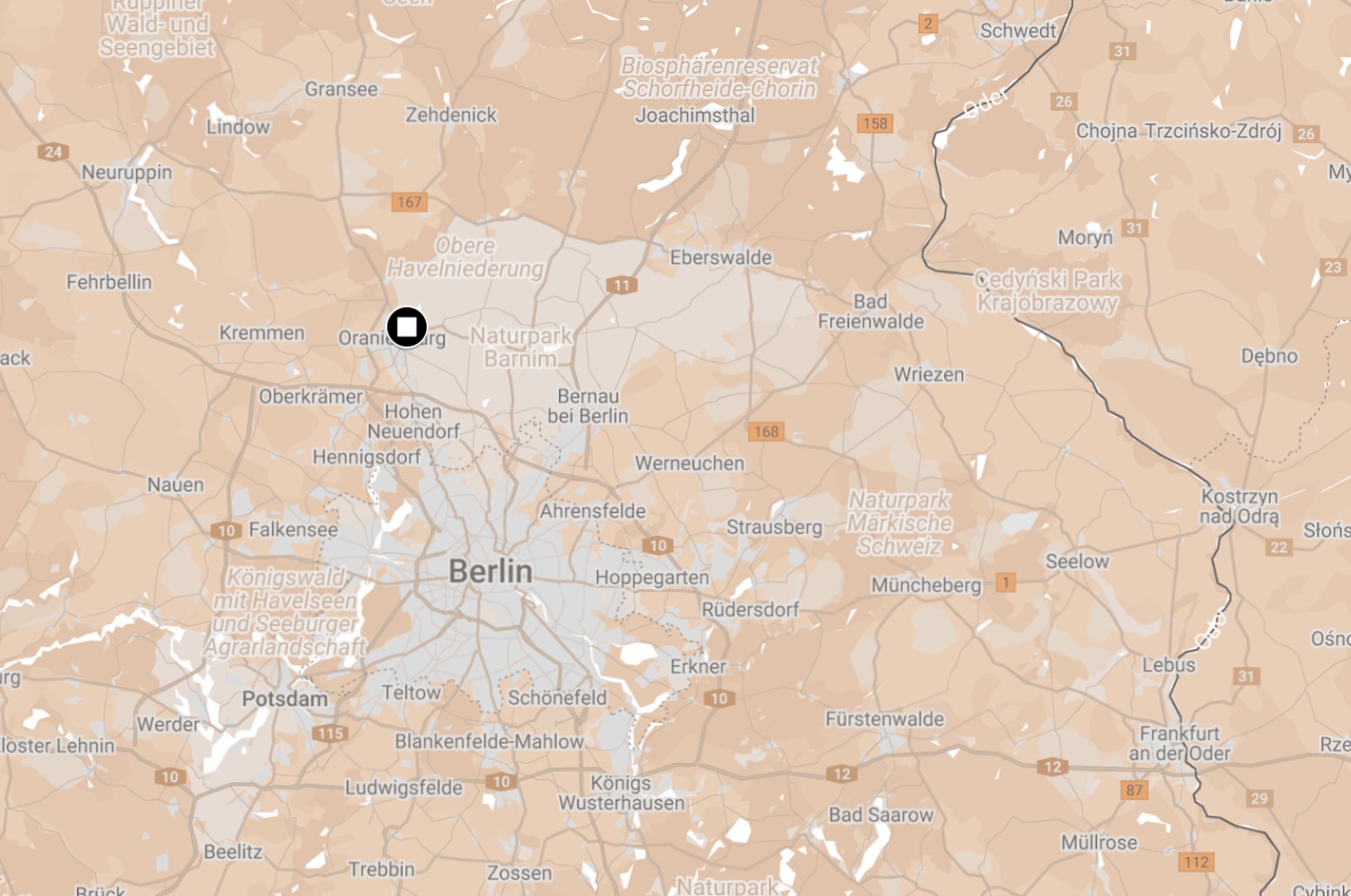
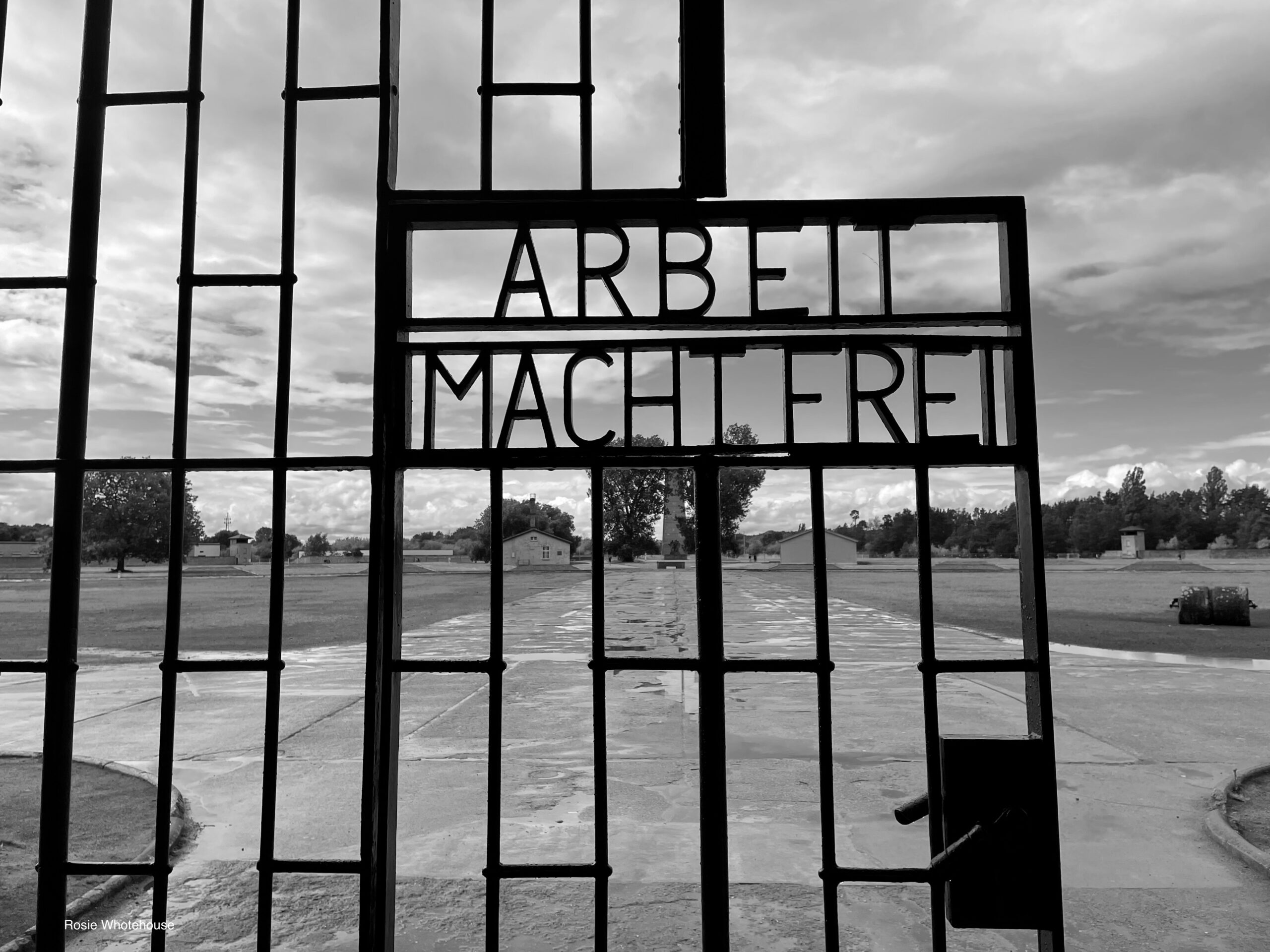
Sachsenhausen concentration camp was built in the town of Oranienburg 35km north of Berlin in 1936.
History
Throughout most of its lifetime the camp held political prisoners. After the Kristallnacht November 1938 pogrom 6,000 Jewish men were taken to Sachsenhausen among them fathers of members of the Boys.
Sachsenhausen was a labour camp, outfitted with several subcamps, a gas chamber, and a medical experimentation area. Prisoners were treated inhumanely, fed inadequately, and killed openly. Sachsenhausen became a training centre for members of the SS.
Executions were carried out at Sachsenhausen from its initiation. Methods of murder that were fast and efficient were developed in the camp and trials using poisoned gas were carried out in the camp and gas vans were developed.
The prisoners were also used as slave labourers in both the main camp and its subcamps. Members of the Boys were used as slave labourers in its subcamps.
Sachsenhausen was the site of Operation Bernhard one of the largest currency counterfeiting operations ever recorded. The Germans forced inmate artisans to produce forged American and British currency, as part of a plan to undermine the British and American economies.
At least 30,000 inmates died in Sachsenhausen.
Dissolution & Liberation
At the end of 1944, sick inmates were executed in the industrial yard. Death marches from camps being evacuated notably Auschwitz ended in Sachsenhausen. A number of the Boys endured a death march from Auschwitz to Sachsenhausen and from Sachsenhausen to Mauthausen.
With the advance of the Red Army in the spring of 1945, Sachsenhausen itself was prepared for evacuation. On 21 April, the camp’s SS staff ordered 33,000 inmates on a death march to the northwest. The camp was liberated by the Red Army on 22 April 1945.
Aftermath
The Soviet authorities used the camp as an NKVD camp. Today, Sachsenhausen is open to the public as a memorial.

 About
About History
 Education
 Quilts
 FIlms
FIlms Photos
 News Media & Events
 Publications
 Donate