Members of the Boys were slave labourers in the Gleiwitz labour camp, a subcamp of the Auschwitz concentration, extermination and labour camp complex.
The Auschwitz complex was operated by Nazi Germany in occupied Poland. The camp had 40 subcamps.
The Boys were child-Holocaust survivors, who were brought to the UK after the war for rest and rehabilitation.
History
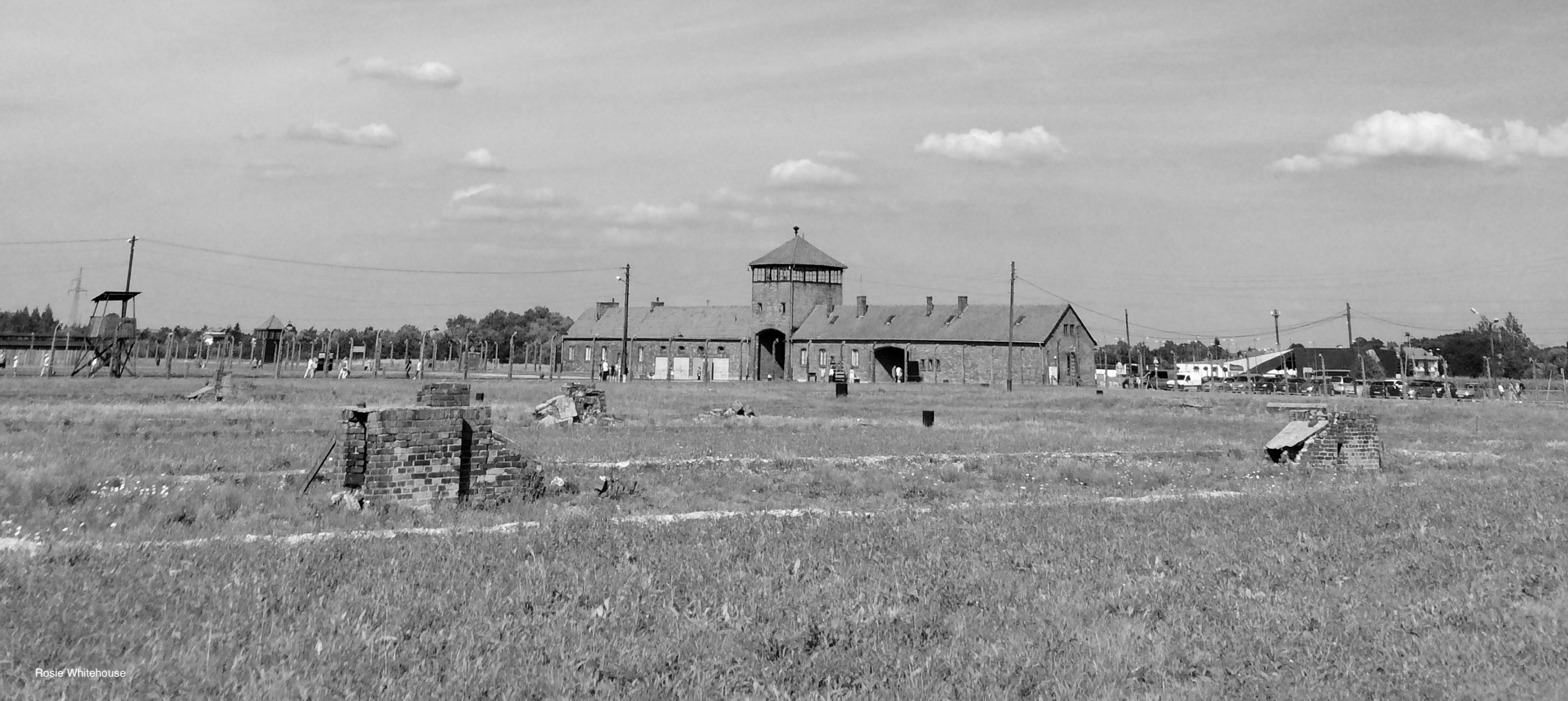
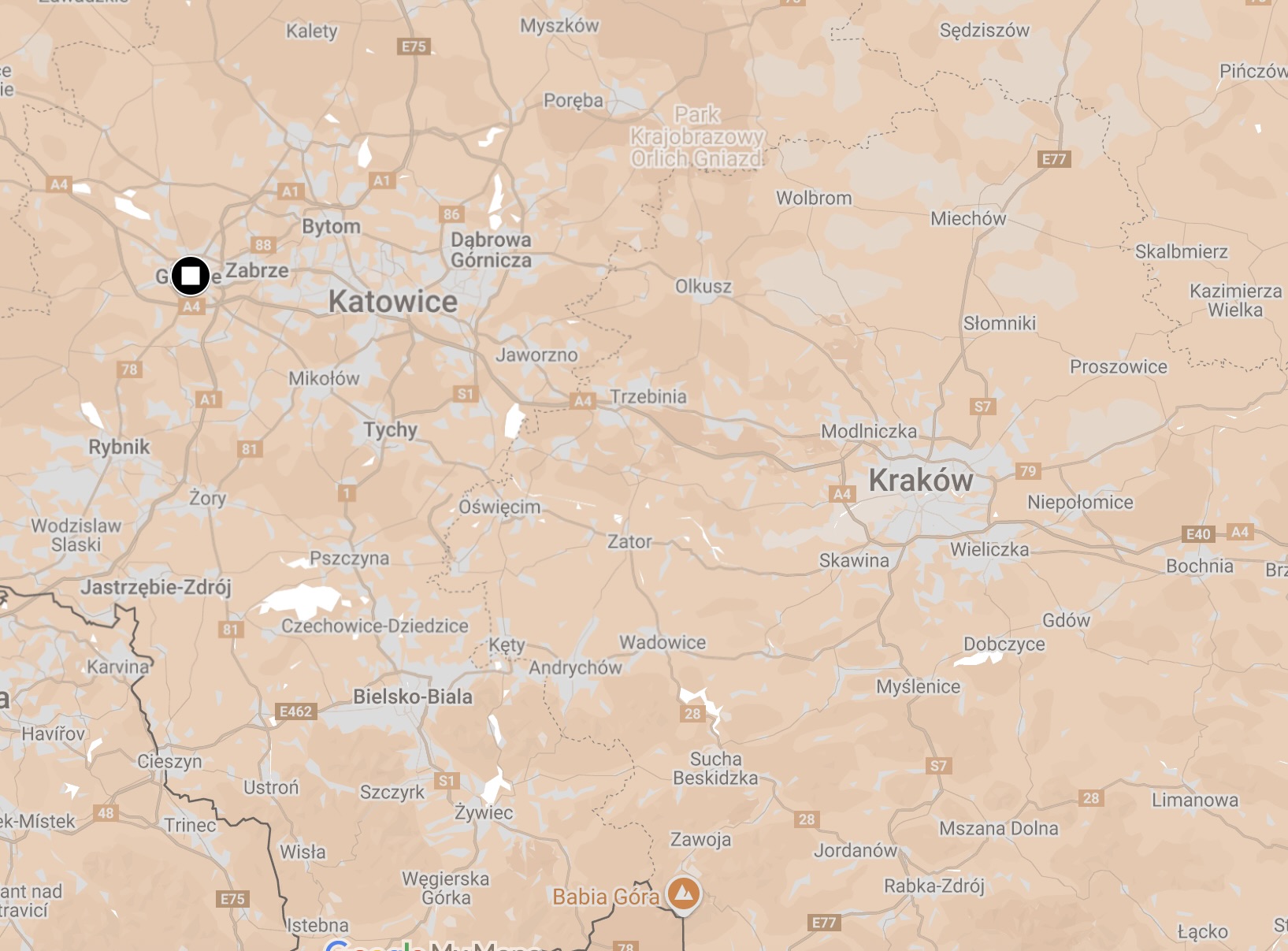
The camp was located 80km from Auschwitz, which was located in the occupied Polish city of Oświęcim.
The camp supplied slave labour for the factory run by Reichsbahnausbesserungswerkes. 90% of the prisoners were Jews who were forced to work in the steel works repairing railway rolling stock and tanks.
The region of Upper Silesia was a centre for heavy industry and had an extensive rail network. It was part of Germany before 1945 and is now Gliwice, in Poland.
Structure
The first prisoner transport was sent to the camp in March 1944. A dozen or so prisoners, mostly carpenters, arrived to prepare the subcamp for subsequent transports.
Gleiwitz was made up of four locations working in mining and industrial companies and railroad repair. The exact number of prisoners is not known.
Prisoners were mainly Polish Jews but also Jews from other countries including The Netherlands.
The only source providing the number of prisoners at the Gleiwitz I subcamp is a list made by the secret prisoner resistance movement organisation. Because of it, it is known that at the last roll call on January 17, 1945, there were 1,336 prisoners at the subcamp.
The subcamp’s first commandant was SS-Hauptscharführer Otto Moll, born on March 4, 1915, in Hohenschönenberg, a gardener by trade and the former chief of the crematoriums and gas chambers at Auschwitz II-Birkenau who had come to Auschwitz in 1941 from the Gusen subcamp at Mauthausen.
Dissolution
In January 1945 the prisoners considered by the Nazis to be fit to walk were marched out of the camp.
The camp also received death marches, on which there were members of the Boys that came from Auschwitz III-Monowitz and other Auschwitz subcamps, among them Fürstengrube and the Reise subcamp of Gross Rosen.
Aftermath
Otto Moll was sentenced to death at the Dachau trial on December 13, 1945, and later executed.
Memorialisation
The memorial to the subcamp Gleiwitz II is about 200m from the site of the actual sub camp. In 1979, a small monument was erected there with an inscription in Polish.

 About
About History
 Education
 Quilts
 FIlms
FIlms Photos
 News Media & Events
 Publications
 Donate