Members of the Boys were slave labourers in the Budy labour camp, a subcamp of the Auschwitz concentration, extermination and labour camp complex.
The Auschwitz complex was operated by Nazi Germany in occupied Poland. The camp had 40 subcamps.
The Boys were teenage and child-Holocaust survivors, who were brought to the UK after the war for rest and rehabilitation.
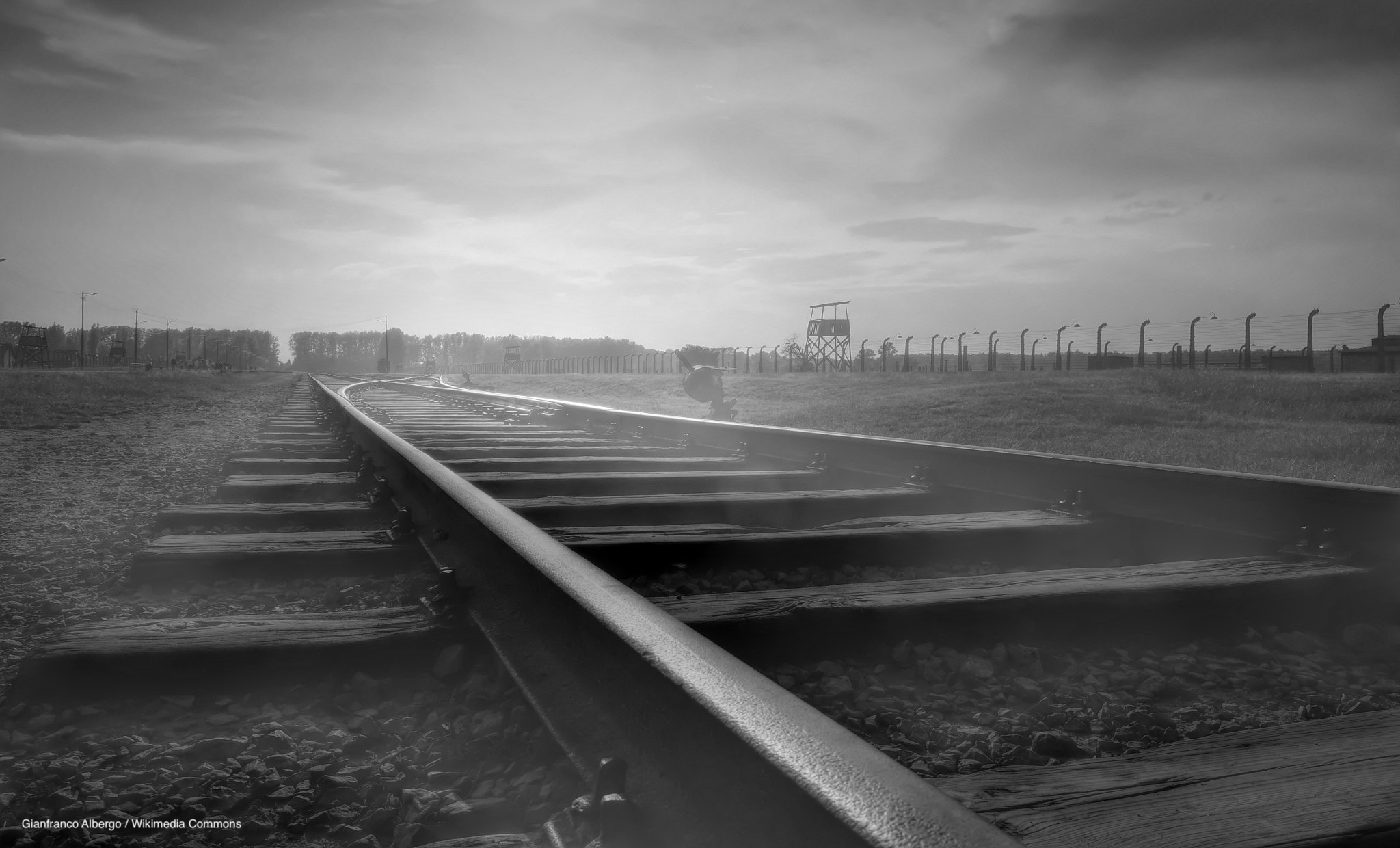
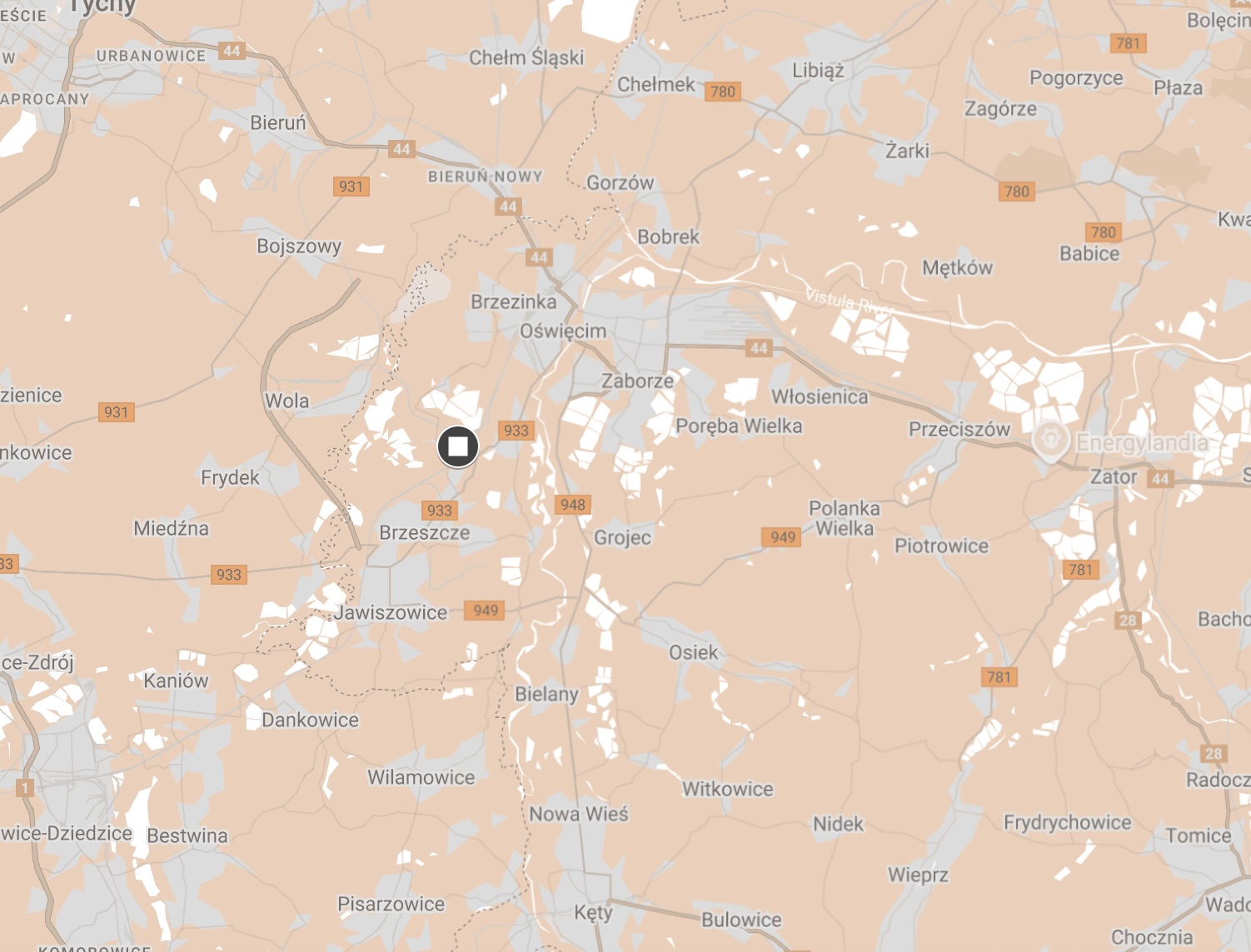
Budy was a slave labour camp of Auschwitz at a farm set up on agricultural land covering the localities of Budy, Bór, and, in part of Nazieleniec near Brzeszcze. It was 4km from the main camp.
History
The camp was located inside the Auschwitz Zone of Interest and the local Polish population had been expelled. In 1941, a men’s kommando that marched back and forth from Auschwitz I was already working at the farm. Since the walk took too long, a subcamp was set up in April 1942 and 40 prisoners billeted there.
There were a men’s camp, women’s camp, and the women’s penal company at the site. They held both Jewish and non-Jewish prisoners.
“Budy was mainly an agricultural camp. Cows, horses and pigs were bred there. I was chosen to look after the horses, feeding and grooming them and cleaning out their stables … After a while I was told to plough the fields, which was very hard work, following the horses all day long and given very little food to eat …
We were given sacks of fertilizer to use on the soil. I noticed that mixed in with the powder were small bones, and I was told that it was the ashes of thousands of people who had been burned in the crematoria at Birkenau …
Our life in Auschwitz was a rapid disintegration of mind and body; they dehumanised us completely. Starved and deprived of all human dignity, we quickly became used to the horrors we saw everyday. We were reminded daily about going up the chimney, but it soon lost all meaning as we just didn’t care any more. The SS did as they wanted with us. We were so tightly packed in our bunks that when I wanted to get up to go to the toilet I wasn’t able to turn, so I just wet the straw that I was lying on. Our bodies were eaten away by filth, infested by lice and we were starved and dying.”
Arek Hersch, A Detail in History (Quill, 2001).
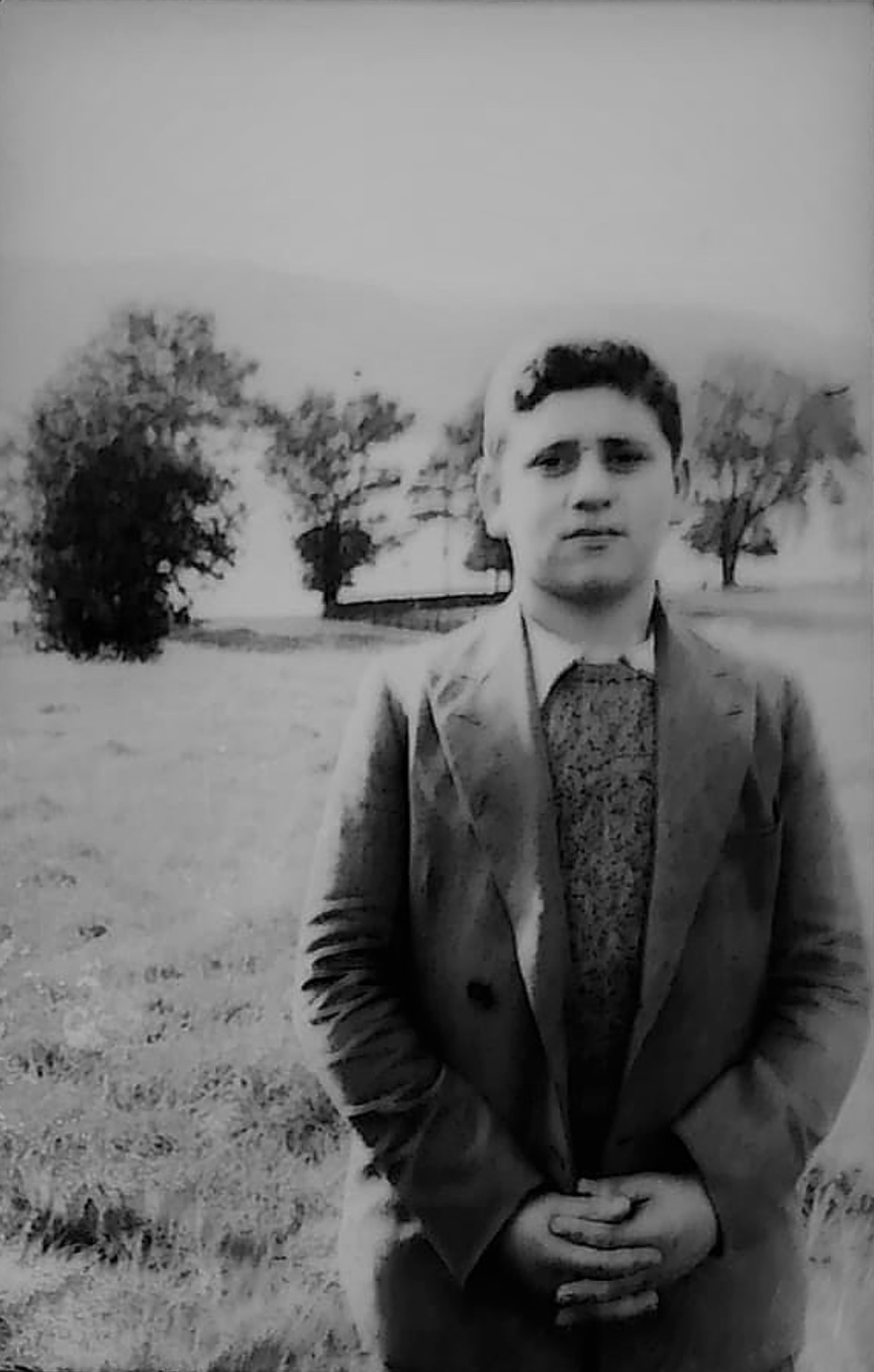
Hersch was 16 years old when he was in the Budy labour camp.
Structure
At the turn of 1942-1943, the sub-camp was expanded to a dozen or more barracks designated as barns, stables, livestock sheds, workshops, warehouses, and living space for prisoners. SS barracks, granary, pigsty, and rabbit pens were built outside the fence. The fencing was barbed wire hung on concrete posts.
SS-Oberscharführer Hermann Ettinger held the post of Lagerführer until he was succeeded by SS-Unterscharführer Bernhard Glaue.
“In the block where we were, there was a civilian German man, a political prisoner, who was in charge of the barracks. One day he sent us out to go and pick sprouts from the field. The snow was deep, knee height, and we didn’t have any proper shoes or any warm clothing, nothing, just what we could find, rags. All I had on my feet was straw wrapped around some rags. And we gathered these sprouts. That was the day before Christmas 1944. I visually remember this blockfûhrer told us to sit on the bunks and start singing ‘Silent Night’. These are the words I remember singing, ‘Heilige Nacht, rue Nacht, Alles rue, alles wach…’ And for this we got a ladle of soup, which consisted of water, and about two leaves of the sprouts. From then on, to this day, I’ve never touched sprouts because they always bring bad memories back to me.
Dissolution & Liberation
On 17 January 1945, at the last roll call, 313 prisoners stood to be counted. They were evacuated from the subcamp the following day. The prisoners from Budy, with the equipment from Budy on horse and carts, were marched to the Tatra mountains in Czechoslovakia.
 About
About History
 Education
 Quilts
 FIlms
FIlms Photos
 News Media & Events
 Publications
 Donate