Members of the Boys were held in Nazi labour and concentration camps and used as slave labourers.
From 1933-1945 Nazi Germany operated over 1,000 concentration camps and subcamps in its own territory and across German occupied Europe. Among them was the Gleiwitz subcamp of the Auschwitz concentration camp complex.
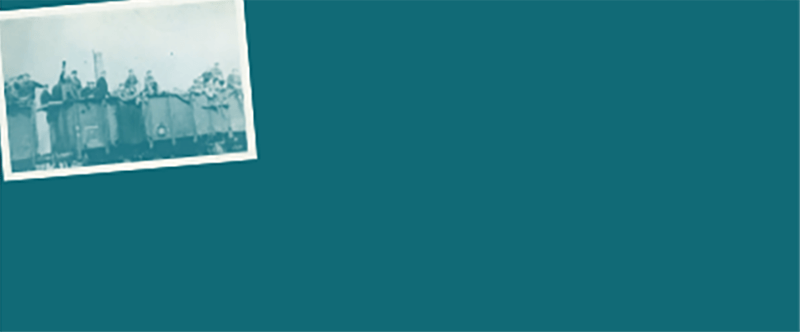
As the camps were dissolved thousands of people among them members of the Boys endured horrific evacuations from the camps on foot, in freight wagons and open top trains, as well as perilous journeys across the Baltic Sea.
The Boys were teenage and child-Holocaust survivors, who were brought to the UK after the war for rest and rehabilitation.
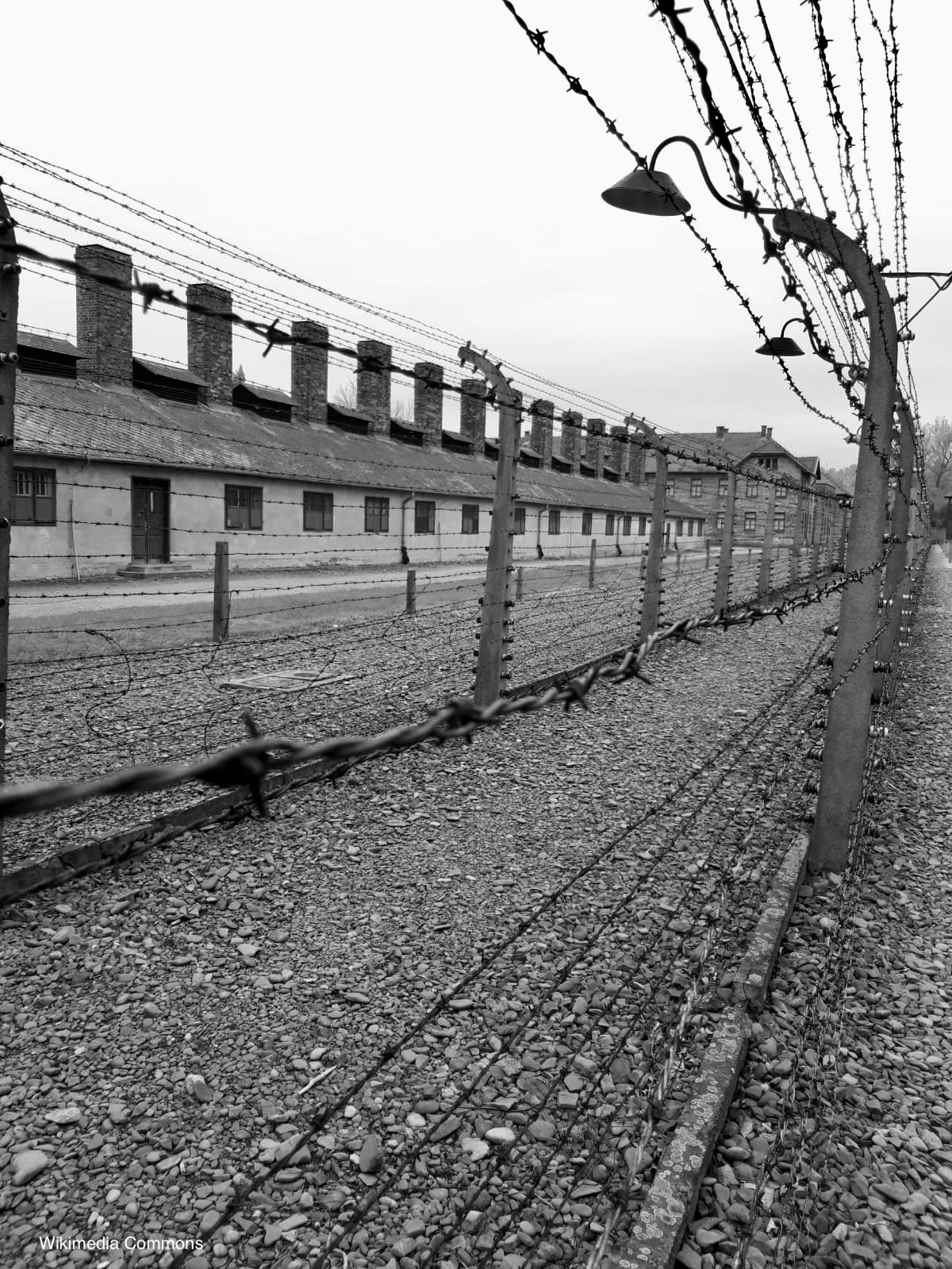
Gleiwitz was the destination for a number of death marches from the Auschwitz concentration camp complex, among them members of the Boys from Auschwitz III-Monowitz, Fürstengrube, Günthergrube and Neu-Dachs-Jaworzno.
“The wagons were full of snow which we had to clear with our bare hands before we could get on.
When the train started moving we were all exhausted and we could hardly stand. We travelled for two days without food or water. We kept alive by eating snow. Then the train stopped outside a camp called Gross Rosen. We waited there about 6 hours. The SS guards were told there was no room in the camp for us, so the train started off again …
We travelled all night. In the morning we were surrounded by dead bodies. We were ordered to throw them out into the snow. Then the Germans picked out some men from the train to dig ditches and to bury the corpses.
We travelled like this from Auschwitz until we arrived at Buchenwald concentration camp.”
The prisoners evacuated from Fürstengrube were among those transported by train to Mittelbau-Dora.
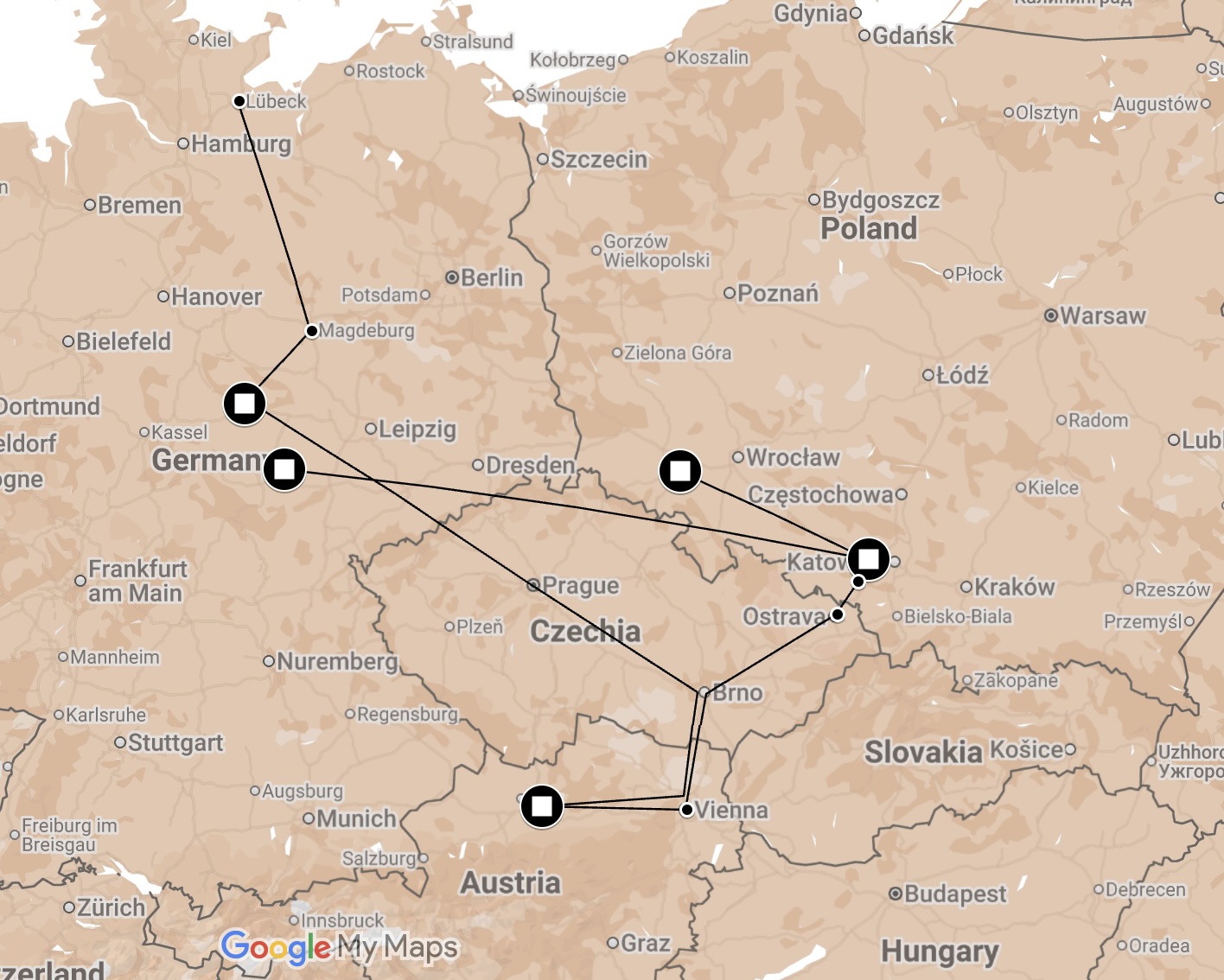
On 21 January 1945, prisoners, among them members of the Boys, were loaded onto a train bound for Mauthausen travelled through Rybnik, Moravská Ostrava to Vienna and then from Vienna to Linz. There was no food issued on the journey. The prisoners collected snow to eat and cracked the icicles off the side of the wagon. Some survivors, among them Sam Pivnik, witnessed cannibalism.
When the transport arrived in Mauthausen on 25 January 1945 it was rejected due to overcrowding and then diverted to the Mittelbau-Dora subcamp of Buchenwald. The train arrived on 28 January 1945. Out of 4,000 prisoners, only about 3,500 survived the seven-day trip.
Some prisoners were then moved on 6 April and death marched to Magdeburg were they were transported by freight barges to Lübeck where they were held on the Cap Arcona, which was sunk during Allied bombing.
“For those seven days we rattled through the Czech countryside, the trucks bouncing and swaying with no predictability at all, so we were thrown against the walls and each other. There was no food, no water except for the icicles we could crack from the rims of the trucks and the snow that fell, which we collected in a tin can, and there was no shelter … Food – it was all that mattered. Czechoslovakian civilians clustered at various bridges under which our train whistled, throwing bread at us. The SS guards, in wagons between the open trucks, swivelled their machine-guns upwards and scattered these Good Samaritans with their bullets; killing people who were just trying to feed us. They also turned their guns on us, Peppering anybody who caught the bread.”
A column of 541 prisoners after a few weeks of marching also arrived at the Mittelbau-Dora concentration camp, where part of their transport was refused on 15 March 1945. It is not known if any of the Boys were on this death march.
Other prisoners who arrived in the camp were then marched on to the subcamp of Blechammer and the Gross Rosen concentration camp. Those prisoners not considered fit enough to walk by the SS were shot. In Gross Rosen, they were loaded onto to death trains which were often open topped wagons and transported without food and water to camps deep in the Third Reich.
 About
About History
 Education
 Quilts
 FIlms
FIlms Photos
 News Media & Events
 Publications
 Donate