Members of the Boys were held in Nazi labour and concentration camps and used as slave labourers.
From 1933-1945 Nazi Germany operated over 1,000 concentration camps and subcamps in its own territory and across German occupied Europe. Among them was the Plawy subcamp of the Auschwitz concentration camp complex.
As the camps were dissolved thousands of people among them members of the Boys endured horrific evacuations from the camps on foot, in freight wagons and open top trains, as well as perilous journeys across the Baltic Sea.
The Boys were teenage and child-Holocaust survivors, who were brought to the UK after the war for rest and rehabilitation.
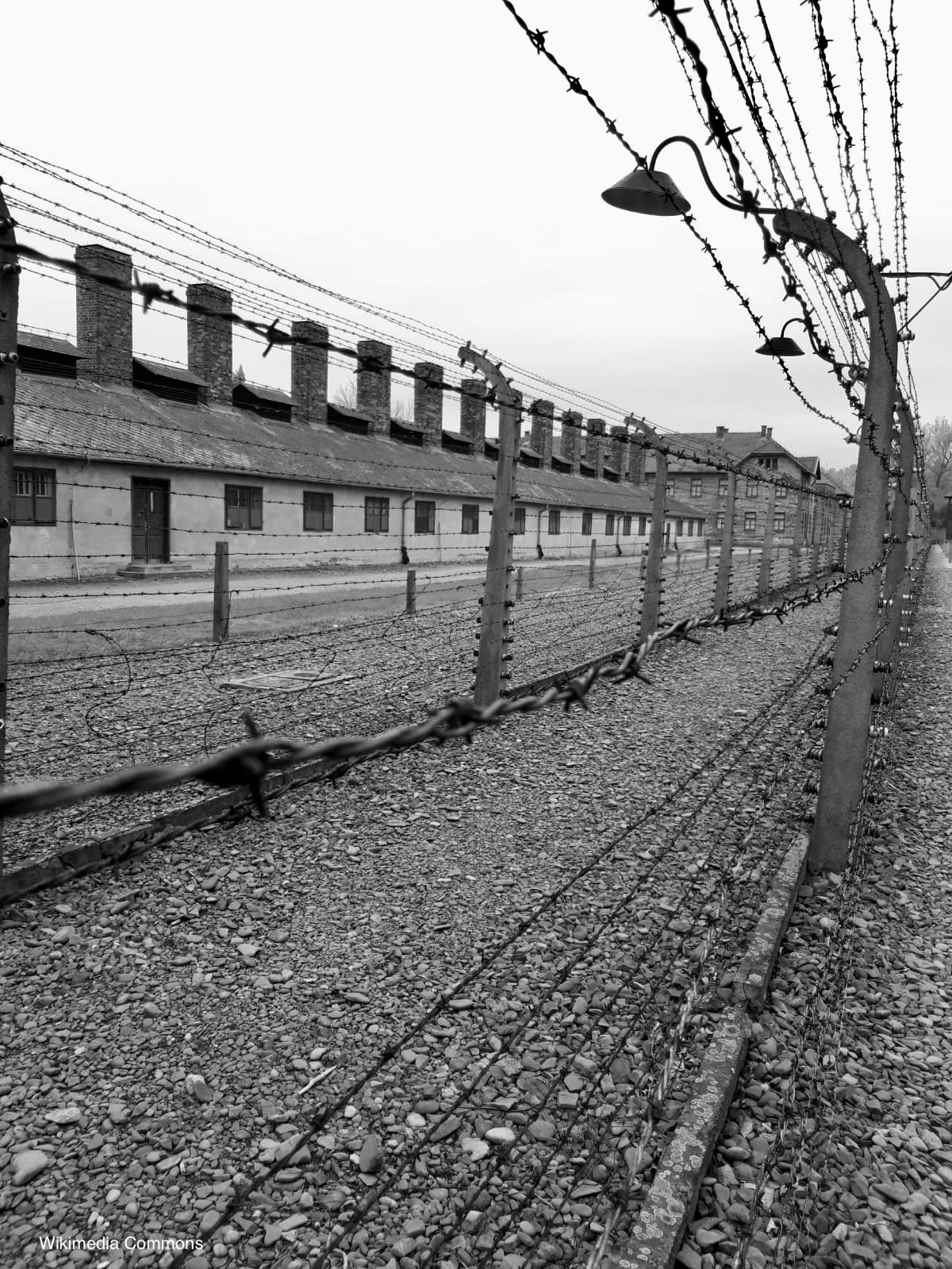
The members of the Boys in the Budy subcamp were transferred to the subcamp of Plawy on 6 January and joined the death march that set out from Plawy on 18 January 1945.
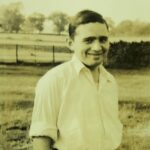
“One morning in January 1945 when we stood outside for the Appel we were told the camp was being evacuated and we would not be sent out to work anymore. We were not allowed to go back into the barrack but had to stand outside all day.
When it became dark we were ordered to start marching. We were surrounded by SS guards together with their vicious Alsatian dogs. They showed us no pity. It was bitterly cold. The snow was thick on the ground.
It was a silent shuffle of death to a destination that offered nothing but hopelessness. We were helpless. We were not soldiers in a war but innocent boys. Whoever couldn’t keep up with the others was shot on the spot. The roads were littered with dead bodies. Nobody wanted to be left behind. It was a pitiful sight to see boys crawling on their hands and knees trying to keep up with the others.”
Sender Riseman, To Hell and Back (1994). Rajzman was 18 years old when he endured the death march.
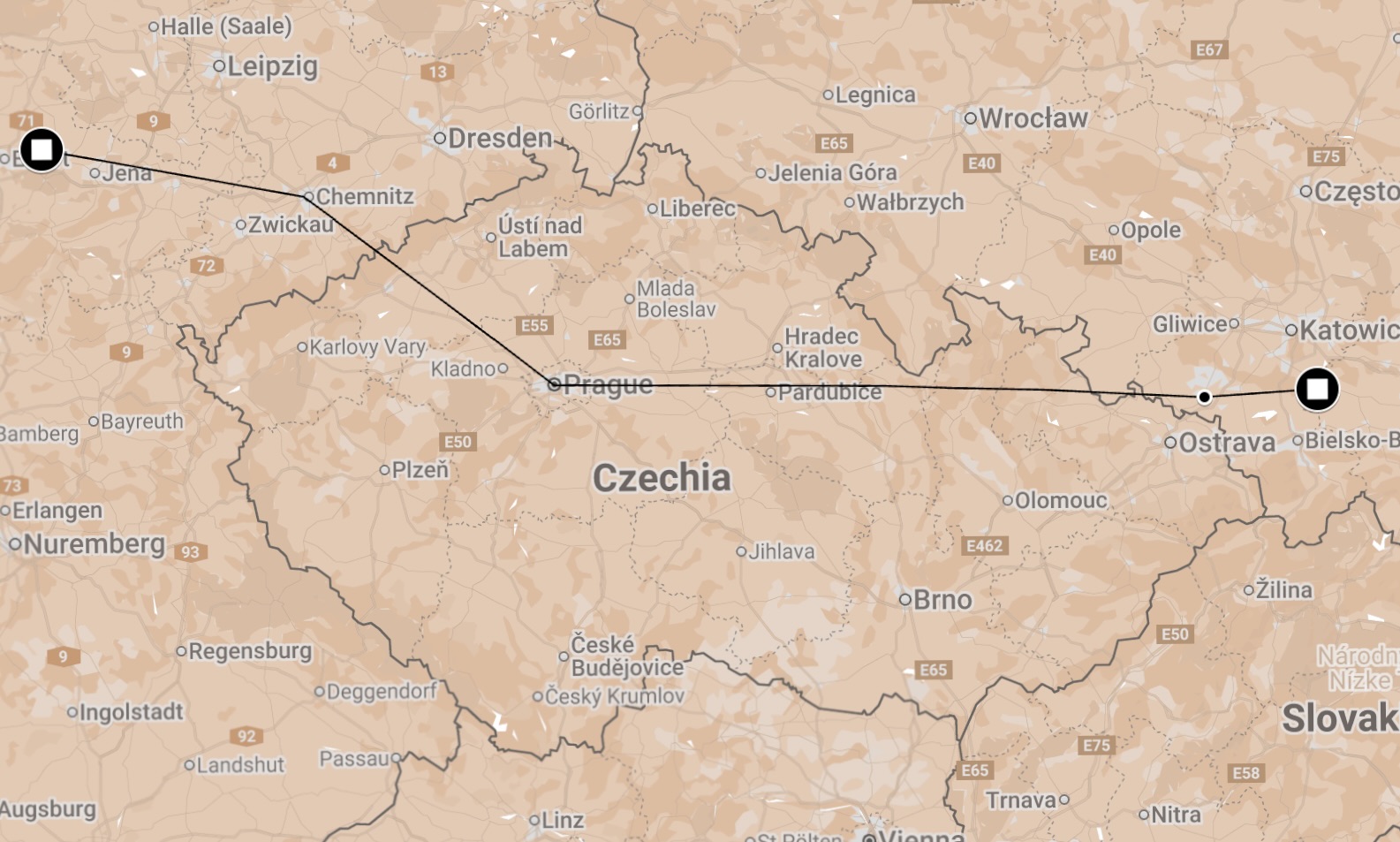
Route
The prisoners were marched with other prisoners from the main Auschwitz I and Auschwitz II-Birkenau camps to Wodzisław Śląski and then transported by rail to the Buchenwald concentration camp. No food was given out on the march. The march was the biggest of the death marches and included over 35,000 prisoners.
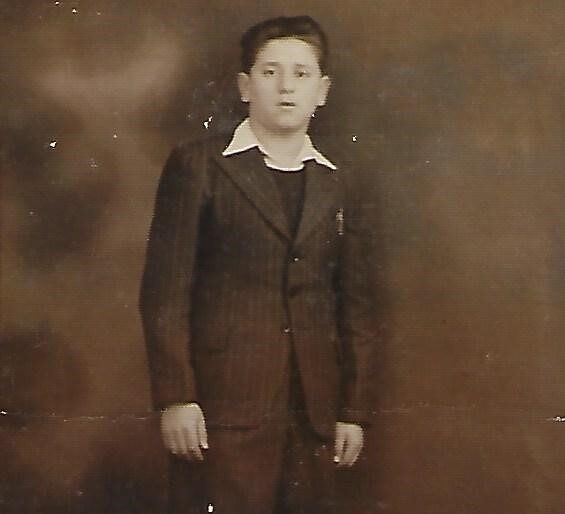
“The month was January, it was bitterly cold, everything was frozen. We marched in our thin striped suits; we had no coats and no provisions. I had on my Dutch clogs but no socks, and the wood chafed against my skin and bones … This was a very severe winter. We had no way of keeping warm except to continue to keep moving … I plodded on. I was almost falling from exhaustion, but knew there was no respite. At both sides of the road people lay dead, shot for not being able to walk any further, murdered when they were close to liberation. Those of us who could, kept on walking. We did not know where we were marching to, only that we were leaving Auschwitz behind.”

 About
About History
 Education
 Quilts
 FIlms
FIlms Photos
 News Media & Events
 Publications
 Donate