Members of the Boys were imprisoned in the Riga Ghetto.
The Riga Ghetto was one of a network of ghettos set up by Nazi Germany in which Jews were forced to live in occupied Latvia. As with other ghettos in Czechoslovakia, Lithuania and Poland, the Riga Ghetto was established to contain the region’s Jews and isolate them from the rest of the population until the Nazi leadership could decide on an answer to the so-called “Jewish Question.”
The Boys and their families spent years living in dire conditions. The ghettos were not designed for the vast numbers of people forced to find space to live within them. As a result, multiple families shared cramped and insanitary accommodation
The Boys were teenage and child-Holocaust survivors, who were brought to the UK after the war for rest and rehabilitation.
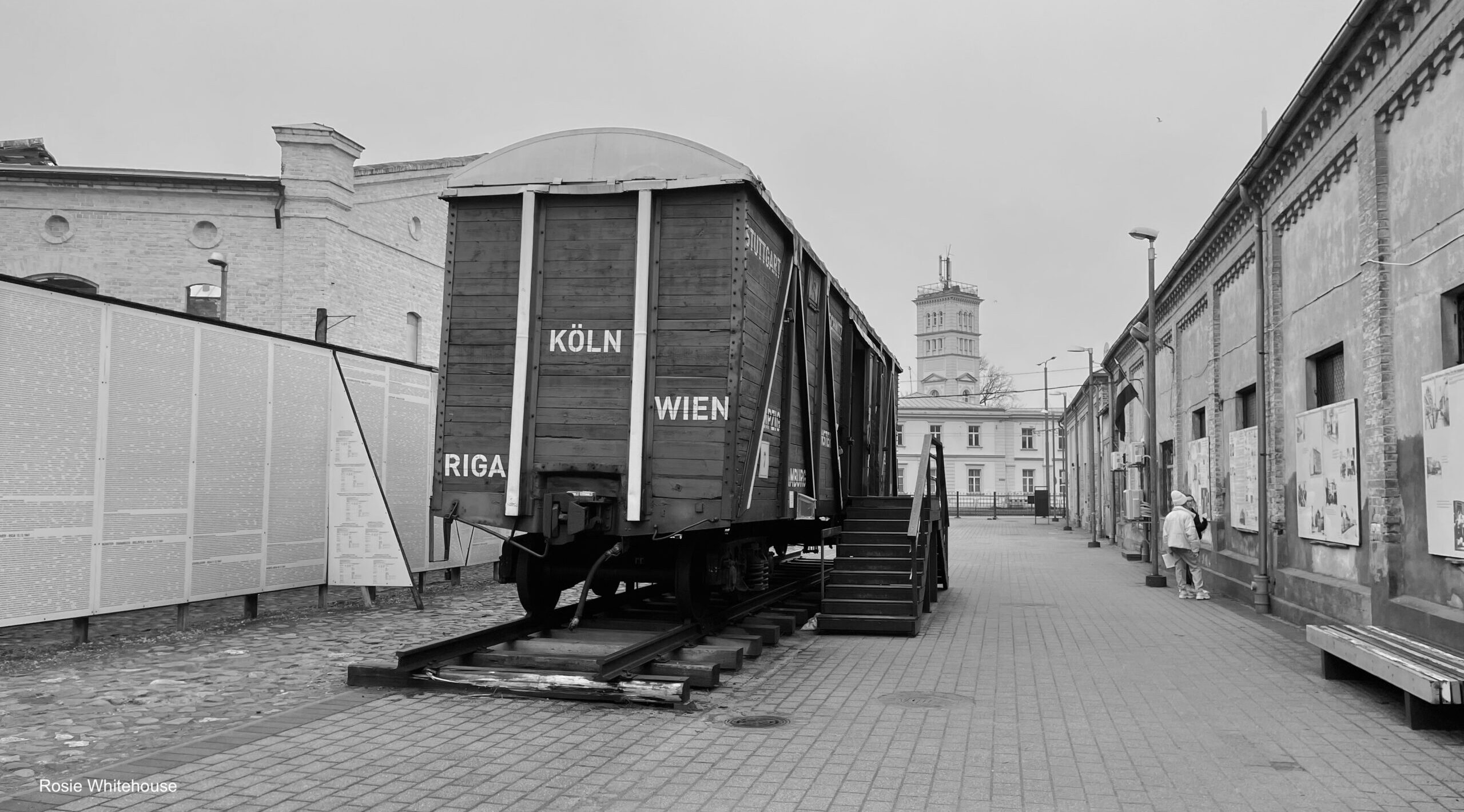
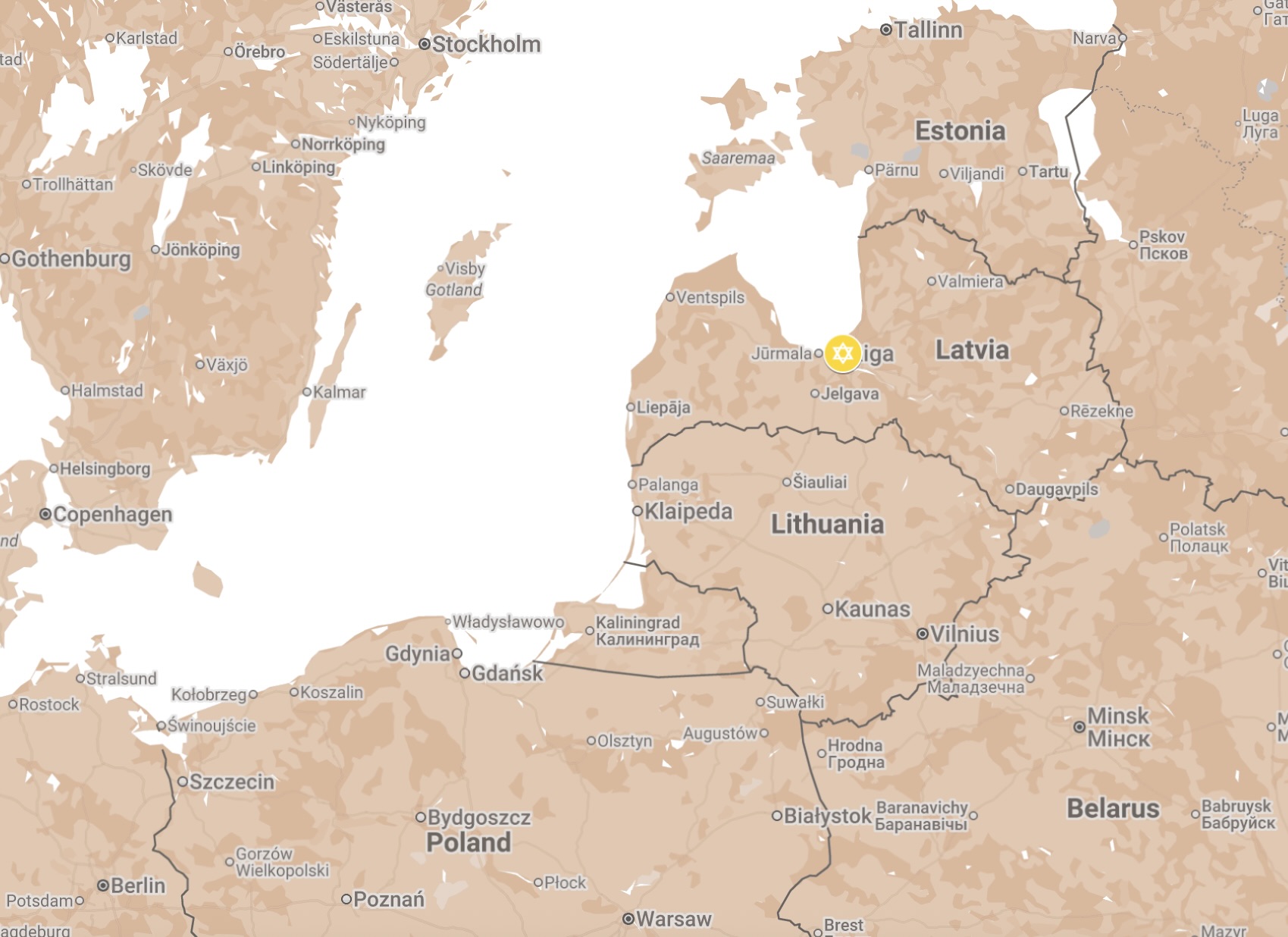
Riga is the capital of Latvia and its largest city.
Overview
On 21 July the Nazis began to concentrate Jews in a specific area of Riga. They were all registered with the Judenrat (Jewish Council) and on 23 October 1941 all Jews were ordered to move into the ghetto that was sealed on 25 October 1941.
The Riga Ghetto played an important role in the Holocaust. It was a key place in which the Nazis policies turned genocidal after, in September 1941, Hitler ordered that all Jews in the Third Reich were to be deported to occupied territory in the east. The original destination was to be the Minsk Ghetto but after protests from the Wehrmacht the decision was taken to deport them to Riga.
The First Mass Shooting
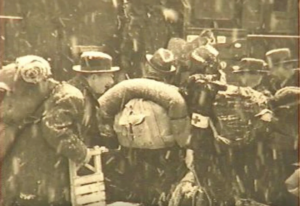
The ghetto was already overcrowded so to make room for the new arrivals on 30 November and 8-9 December 1941, the Nazis shot about 27,500 Jews from the ghetto at pre-dug pits in the nearby Rumbala Forest. The first transport from Berlin, who arrived on 30 November, were also shot in the massacre.
Layout
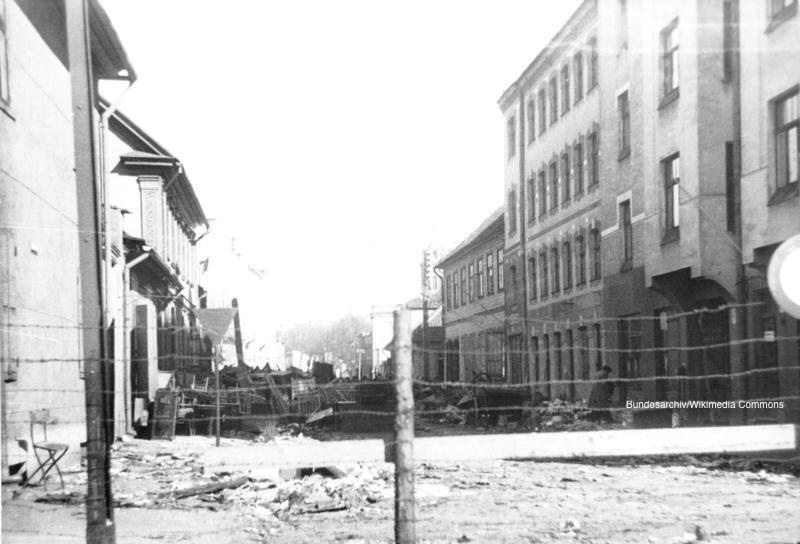
The Riga Ghetto was located in the suburb of Maskavas Forštate. The small area housed 30,000 Jews and was fenced in with barbed wire. Latvian guards patrolled the perimeter.
The ghetto was originally one large ghetto but after the mass shooting in the Rumbala Forest in 1941, the surviving Latvian Jews were concentrated in the Small Ghetto, which was divided into men’s and women’s sections. The rest of the ghetto was allocated to Jews deported from the Third Reich and was known as the German Ghetto. When the first transports arrived from Germany, they found the rooms they were allocated were covered in blood from executions carried out during the deportation and there were still corpses on the street and inside the buildings.
Access to and from the ghetto could only be made through the police yard. People exiting or entering the ghetto were searched here and often beaten.
The Boys in the Riga Ghetto
Three members of the Boys were deported with their families to the Riga Ghetto from Germany in the winter of 1941-42.
On 21 January 1942, Horst Weiler arrived in the Riga Ghetto with his father Moritz, mother Erna and older sister Johanna. His other sister Edith was not on the transport. All four survived in the ghetto until 1943 when they were moved to the Kaiserwald concentration camp in another suburb of Riga.
His father died in July 1944. His mother and sister were moved to the Stutthof concentration camp, where his mother died on 12 December 1944. What happened to his sister Johanna is not known.
Arthur Isaacsohn was deported with his mother from Berlin on a transport that left on 13 January 1942 carrying 1,037 people. He was also in the Kaiserwald concentration camp and when the ghetto was liquidated his mother was taken to Auschwitz II-Birkenau, where it is believed she was gassed.
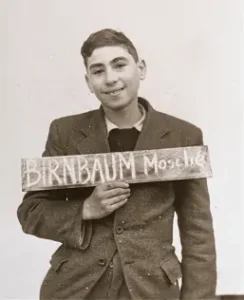
The Birnbaum family from Fulda were also victims of the Nazis. Moshe Birnbaum’s father had already been deported to Buchenwald in 1939 and died there in 1941. Birnbaum and his mother Frieda, his brother Salomon (b. 1933) and his sister Gustel (b.1934) were all deported to Riga on a transport vua Kassel that left on 8 December 1941. Gustel Birnbaum survived the war but died in July 1945. His mother and brother are believed to have died in Auschwitz.
Daily Life
The trains that brought the Jews from German were made up of third and second-class passenger wagons. The new arrivals were given no food and had to find their own accommodation. They were stripped of their valuables.
Between 15,000-18,000 Jews from the Third Reich were crammed into the ghetto. The housing problem in the ghetto was severe. Many houses had no electricity, plumbing, gas, or central heating to protect the residents from the freezing damp Baltic winter.
The German Jews organised themselves by their cities of origin. Each group had a representative on the Jewish Council. Schools were permitted until the age of 14 after which children joined labour battalions. There was no pay for work and ghetto inmates were given minimum rations.
There was, however, some element of cultural life and the occupants of the German ghetto held concerts, dances and put on plays.
Pregnancy was outlawed and many abortions were carried out in the ghetto. The few children born alive were murdered.
The Second Mass Shooting
In March 1942, the Nazi authorities in Riga decided the German ghetto was getting too crowded and organised two massacres of the German Jews. These massacres became known as the Dünamünde Action in which they killed about 3,800 people, mostly children, the elderly and the sick.
Liquidation
In the summer of 1943, The Germans set up a concentration camp in the Riga suburb of Kaiserwald, known in Latvian as Mežaparks. The first Jews were moved there in July 1943. From this time on the gradual dissolution of the ghetto in Riga began and was completed in November 1943.
Older people, children, people who cared for the surviving children, and the sick persons were transferred by train in November 1943 to Auschwitz II-Birkenau. It is believed that about 2,000 Jews were on the transport.
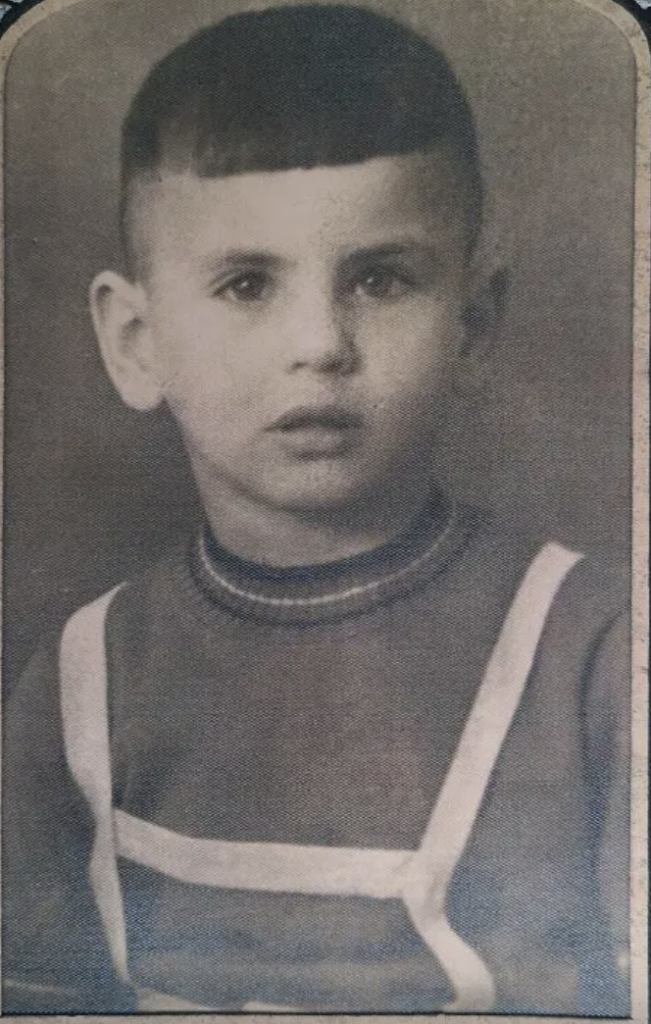
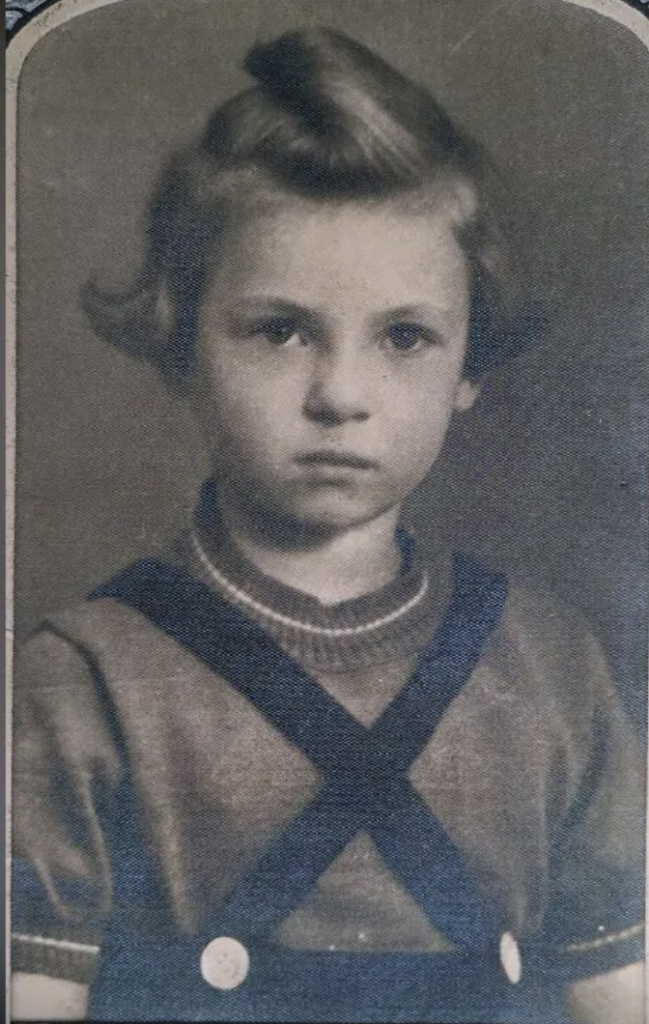
The brother and sister of Moshe Birnbaum, later one of the Boys, were taken to Auschwitz in November 1943.
Jewish Resistance
There is no record of a Jewish underground movement.
Memorialisation
There are memorials and a ghetto museum but the Holocaust has since Latvian independence been overshadowed by the Soviet occupation and the deportation of Latvians to Siberia.
 About
About History
 Education
 Quilts
 FIlms
FIlms Photos
 News Media & Events
 Publications
 Donate