Members of the Boys were imprisoned in the Rzeszów Ghetto.
The Rzeszów Ghetto was one of a network of ghettos set up by Nazi Germany in which Jews were forced to live in occupied Poland. As with other ghettos in Czechoslovakia, Latvia, Lithuania and Poland, the Rzeszów ghetto was established to contain the region’s Jews and isolate them from the rest of the population until the Nazi leadership could decide on an answer to the so-called “Jewish Question.”
The ghettos were the only place, besides labour camps, where Jews were allowed to exist by the Nazi occupation authorities.
The Boys and their families were forced to move from their homes and were held in ghettos in Nazi controlled Czechoslovakia, Latvia, Lithuania and Poland, where they spent years living in dire conditions. The ghettos were not designed for the vast numbers of people forced to find space to live within them. As a result, multiple families shared cramped and insanitary accommodation.
The Boys were teenage and child-Holocaust survivors, who were brought to the UK after the war for rest and rehabilitation.
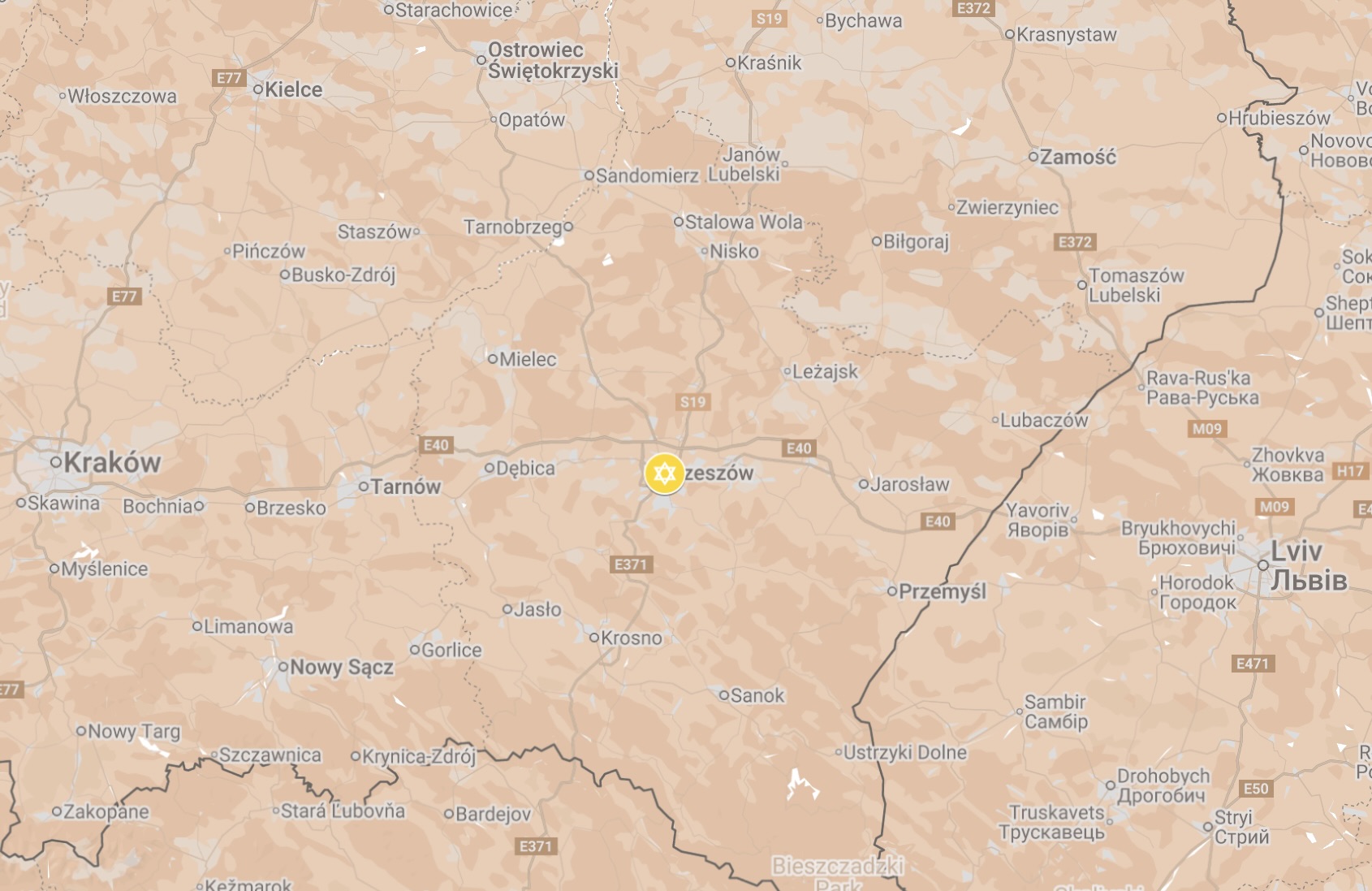
Rzeszów is 167km east of Kraków and today is close to the Ukrainian border.
Overview
Under the German occupation the city was renamed Reichshof and was part of the General Government.
As early as December 1939, Jews from territory in western Poland that had been annexed to the Third Reich were relocated to Rzeszów. Among them was Abraham Beil, a member of the Boys from Krosno.
The ghetto was established on 17 December 1941. At its height, in June 1942, it held 22,000-25,000 people. The Nazis intention was to isolate the Jewish population from the rest of the city.
Layout
The ghetto was enclosed in by a barbed wire fence and the gates were guarded by German police. The ghetto included the following streets: Gałęzowskiego, Słowackiego, Króla Kazimierza, Baldachówka, Szpitalna and Mickiewicza.
After the deportations of July 1942, the ghetto was reduced to the area between Baldachówka and Kaczmarska streets. Then in November 1942, the ghetto was divided into two parts: to the right and to the left of Baldachówka Street. The first part functioned as a labour camp, called ghetto A, where Jews with work permits lived. It was surrounded by barbed wire and lit with floodlights. Every morning, the residents of this part of the ghetto were called to a roll call. The beds were replaced with wooden bunks. Ghetto B was inhabited mainly by the families of workers. There were hospitals in both ghettos. In ghetto B there was a typhus epidemic which claimed the lives of many people.
Daily Life
Jews whose work was deemed essential to the German economy initially avoided deportation. They left the ghetto to work for the German air force and in military camps and factories.
The Judenrat (Jewish council) established a primary school in the ghetto, which operated until the first major deportation in July 1942. Training workshops were also organised to help acquire specialist skills and protect against deportation. There were training courses for electricians, carpenters, nurses and farmers
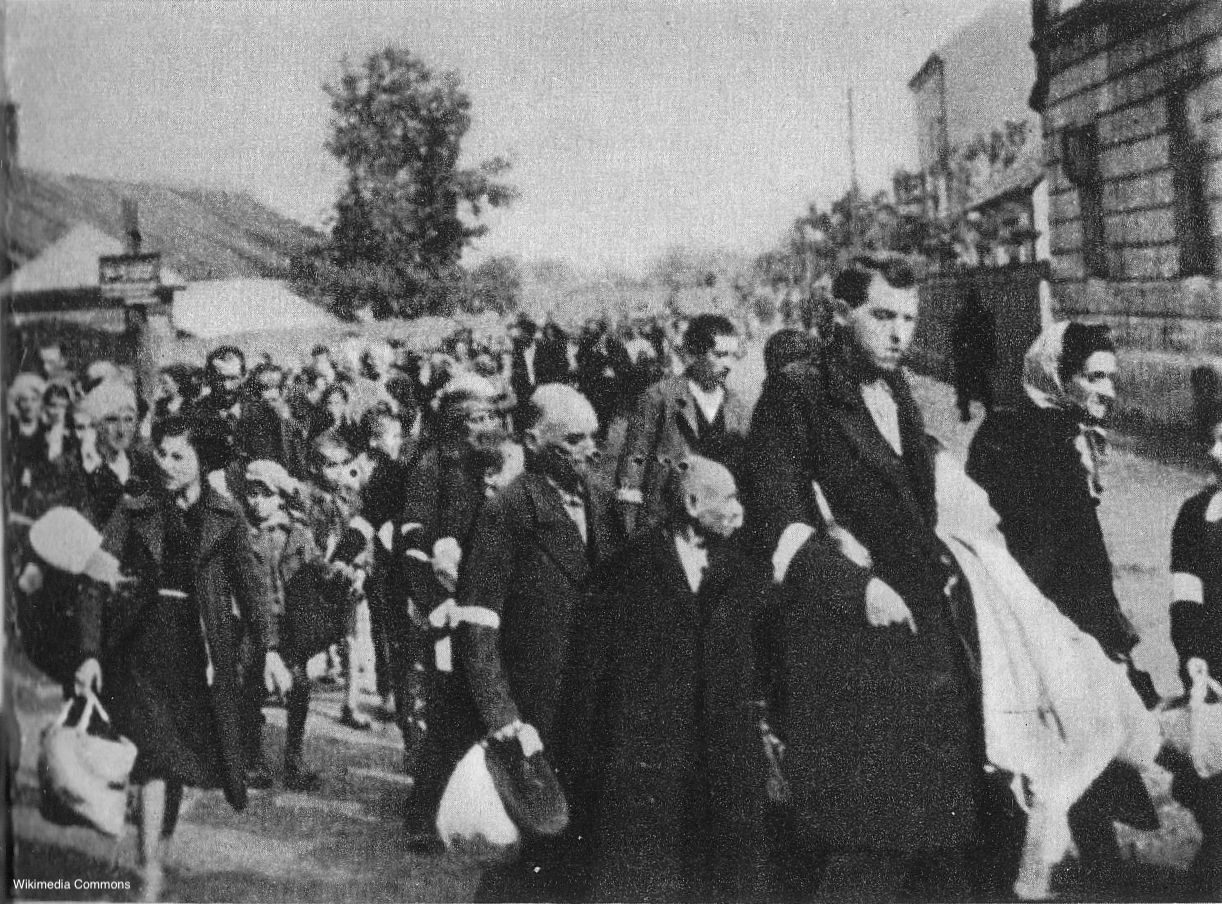
On 25–27 June 1942, 10,000–12,000 Jews were deported to Rzeszów from the surrounding towns and the number of ghetto inhabitants increased to 22,000–25,000 people. This led to significant overcrowding and many of the new arrivals were forced to sleep in the streets. The police and security services took control of the ghetto. In June or July 1942, a contribution of one million złoty was imposed on the Jewish community. As a result of its non-payment, some members of the Judenrat were murdered.
Posters in the city announced that any Poles who gave shelter to Jews would be shot.
Mass Shooting
Dozens of Jews were shot in January 1940. During the deportations of July 1942 over a 1,000 Jews were shot in the forest on the road between Rzeszów and Głogów Małopolski.
Deportations
In July 1942, the Judenrat was told that people unable to work should report to the Jewish cemetery with their personal belongings, including jewellery and enough provisions for a two-day journey. About 18,000-21,000 Jewish people were marched to the Staroniwa station from where they were sent to the Bełżec extermination camp 133km away. Those who could not keep up were shot.
On 7 August 1942, mothers with children were called to register for ‘light work’. Some women reported with children who were not theirs but when they showed up for registration, an SS unit surrounded them and then sent them to Bełżec extermination camp. A small group of women without children were sent to a labour camp in Pełkinie, near Jarosław.
On 15 November 1942, the Gestapo ordered everyone with a work permit to gather for a roll call. Many showed up with their children, believing that their work would also protect their families. During this operation, between 1,500 and 2,000 people were detained, mostly children, women, and the elderly. They were murdered in the forest on the road from Rzeszów to Głogów Małopolski. Others were sent to the extermination camp in Bełżec.
On December 15, 1942, another deportation took place, during which about 1,500 Jewish residents of ghetto A, among them 300 people from Krosno were sent to Bełżec extermination camp. This transport possibly included relatives of Abraham Beil. During the journey, about 200 people managed to jump out of the transport and return to ghetto A.
Both ghettos were liquidated in late August-early September 1943.
Jewish Resistance
Hashomer Hatzair organised a resistance movement in the ghetto and some of their members operated Jewish partisan groups in the forests, who obtained weapons from the Polish underground.
Aftermath
Between 2,500 and 3,000 Jews remained in the ghetto. Some, mostly young men were sent to the forced labour camp in Szebnie, while others were sent to the Auschwitz II-Birkenau concentration camp. About 450 people worked in the Rzeszów forced labour camp until the approach of the Red Army.
Rzeszów was also the scene of a post-war pogrom in 1945.
Memorialisation
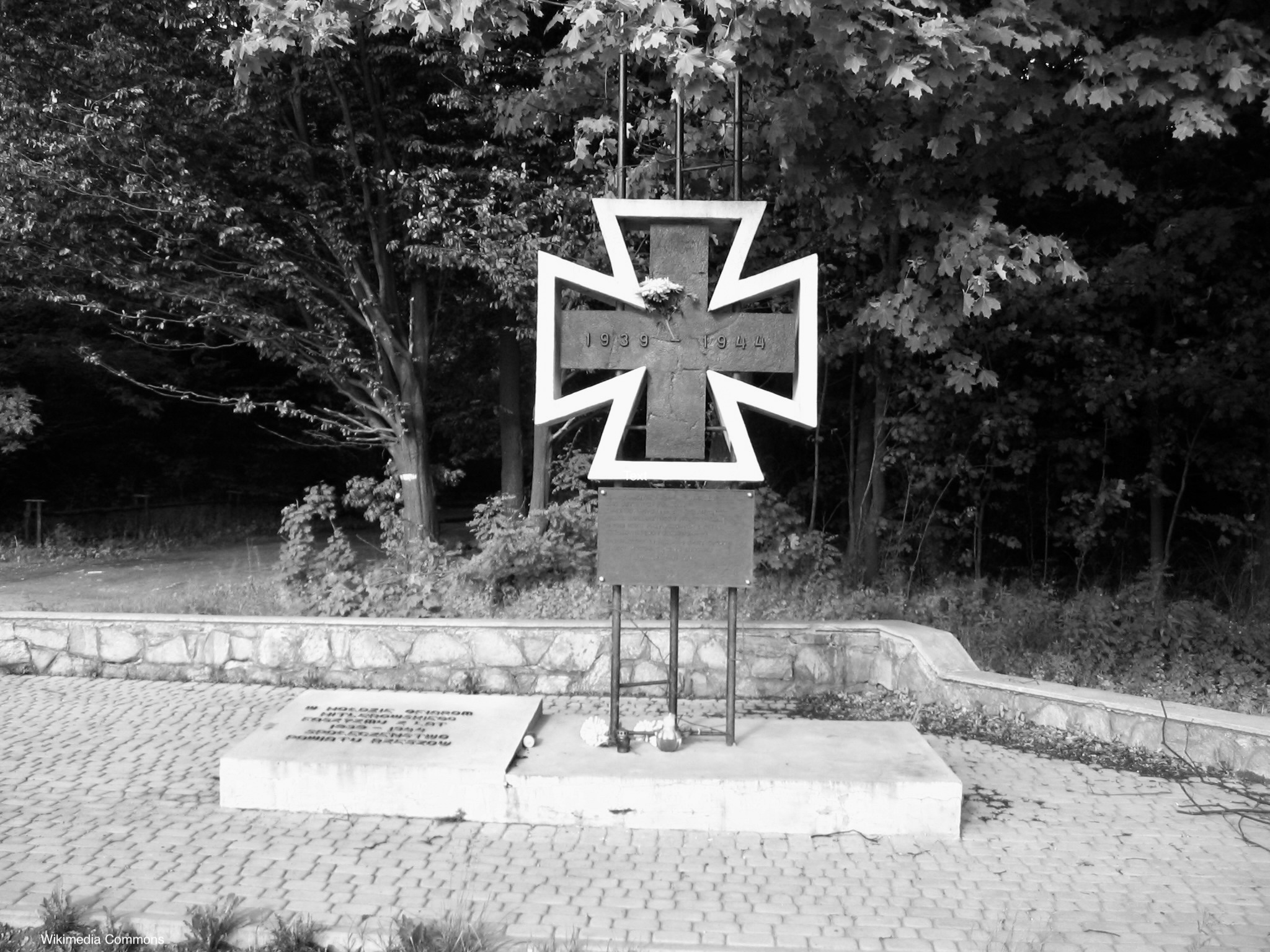
The Jewish community is remembered in a series of plaques. For more information on visiting the region click here.
 About
About History
 Education
 Quilts
 FIlms
FIlms Photos
 News Media & Events
 Publications
 Donate