Members of the Boys were imprisoned in the Satu-Mare Ghetto.
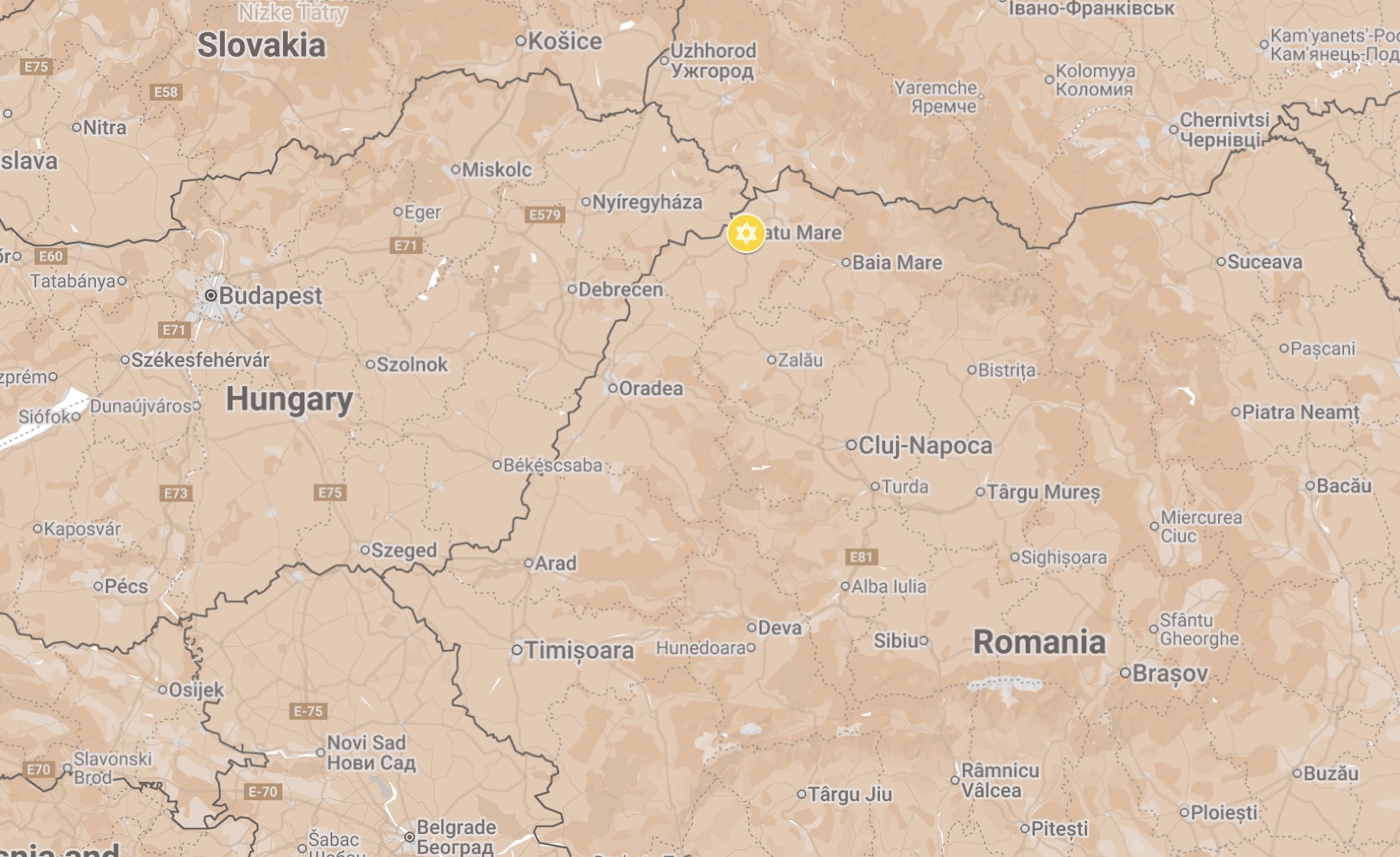
The Satu-Mare Ghetto was one of a network of ghettos set up by Nazi Germany in Hungary after it was invaded by German forces in March 1944. Satu-Mare Ghetto was in Northern Transylvania, which had been annexed by Hungary under the 1940 Second Vienna Award.
The Boys were teenage and child-Holocaust survivors, who were brought to the UK after the war for rest and rehabilitation.
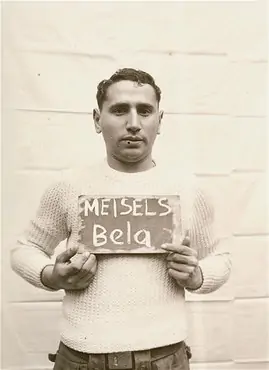
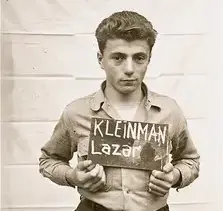
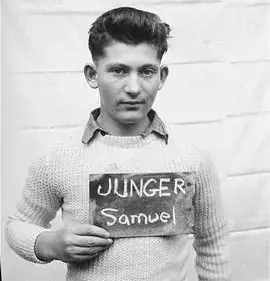
Three of the Boys held in the Satu-Mare Ghetto. These pictures were taken after liberation in the Kloster Indersdorf DP Camp.
Overview
Satu Mare was a centre of Hassidic Jewish life. Leslie Kleinman’s (one of the Boys) father was a rabbi and he came from a very religious family. To find out more about Satu-Mare and the Boys who grew up there click here.
Due to the large number of Jews living in the area, the initial ghettoisation involved three different locations that were quickly merged between 3-6 May 1944 into one ghetto in Satu-Mare. Local officials organised the establishment of the ghetto. It was the second largest ghetto in Northern Transylvania.
Ghettos in Hungary, and those areas of Czechoslovakia and Romania annexed to Hungary, functioned as transit camps prior to deportation to the Auschwitz concentration camp complex.
Layout
The ghetto was located in the town centre, which was largely inhabited by Jews. The centre of the ghetto was located on the current Strada Martirilor Deportați, Deported Martyrs Street, known as Báthory Street during the Hungarian occupation.
The Roundup
Kleinman remembered that they were given half an hour to leave their homes and that they were told they were going to work in Germany. He believed that this was the case.
The Kleinmans the walked 8km from their home in mountains. He had to carry his two-year-old brother and help his mother. His father had already been taken to Auschwitz II-Birkenau and Kleinman was the oldest of eight children.
As the Jews were violently rounded up from their homes they were searched. There were often stripped and internal body searches were made as valuables were confiscated. Any baggage weighing more than 50kg was forbidden, and only food, clothing and bedding were allowed.
Daily Life
Conditions in the ghetto were appalling and there was serious overcrowding. People lived 10-15 in a room. Many had to live in cellars, attics, stables and sheds.
The head of the ghetto was the Satu-Mare chief of police, and it was guarded by the local police. The guards were extremely violent.
Deportation
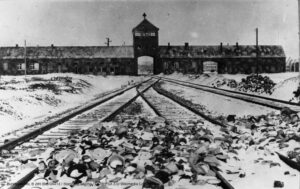
The deportations took place between 19 May-1 June 1944. Kleinman remembers that people on his transport were told that they were going to work in a vineyard.
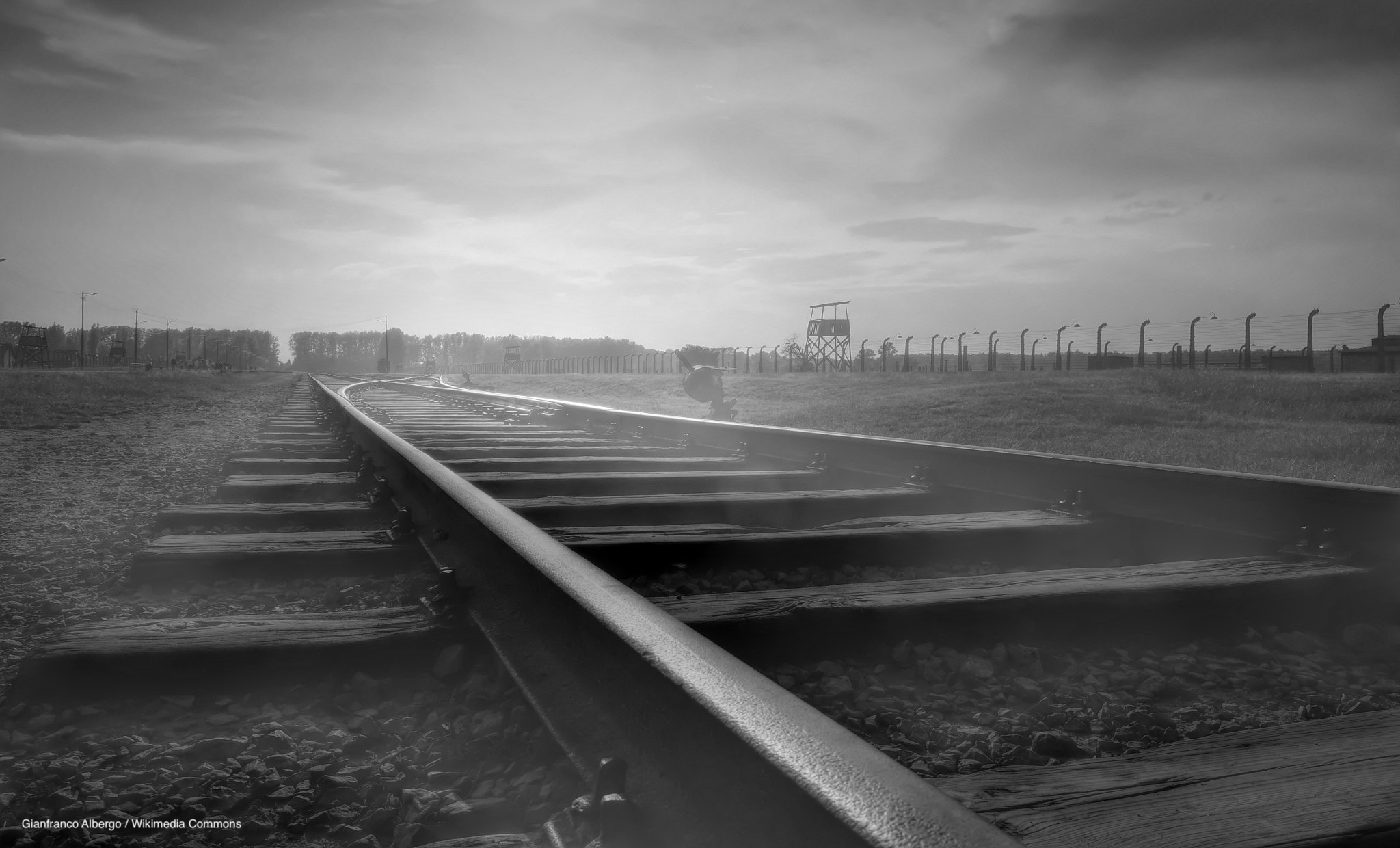
The six trains passed through the station in Košice in Slovakia carrying 18,863 people in total. The were bound for Auschwitz II-Birkenau over 470km away.
The journey took a week. Some 70-100 people were crammed into the freight wagons which were sealed and locked with chains. Hundreds died during the journey. Most of the Jews were gassed on arrival after a selection during which the members of the Boys were selected as slave labourers.
For information on visiting Satu-Mare click here.
 About
About History
 Education
 Quilts
 FIlms
FIlms Photos
 News Media & Events
 Publications
 Donate