After liberation, members of the Boys spent months living in displaced persons (DP) camps. Many of the Boys had been slave labourers in the Nazi concentration camp system.
DP camps were temporary housing established for displaced persons and former inmates of the Nazi concentration camps. The camps were set up in Germany, Austria and Italy after World War II by the Allied forces.
Members of the Boys were also cared for in children’s homes set up and run by UNRAA, charitable organisations and the surviving Jewish community, of which one was in Košice in Czechoslovakia.
The Boys were teenage and child-Holocaust survivors, who were brought to the UK after the war for rest and rehabilitation.
Overview
As the future members of the Boys emerged from hiding and returned to their hometowns, many found that the overwhelming majority of their families had not survived. In the search for safety, community, and a path forward, they gravitated to towns like Bratislava, Košice, and Prague. In these hubs, Jewish committees supported by the United Nations Relief and Rehabilitation Administration (UNRRA) and the American Joint Jewish Distribution Committee (JDC) were running children’s homes, providing food and shelter, and helping to rebuild Jewish communal life.
In Slovakia, the Central Association of Jewish Religious Communities coordinated support for survivors, also funded by the JDC. These organisations offered pocket money, accommodation, assistance in tracing relatives, and help finding employment.
Yossi Gerstein, one of the third group of the Boys, was liberated in Poland while a hidden child. He was then brought to Košice:
Background
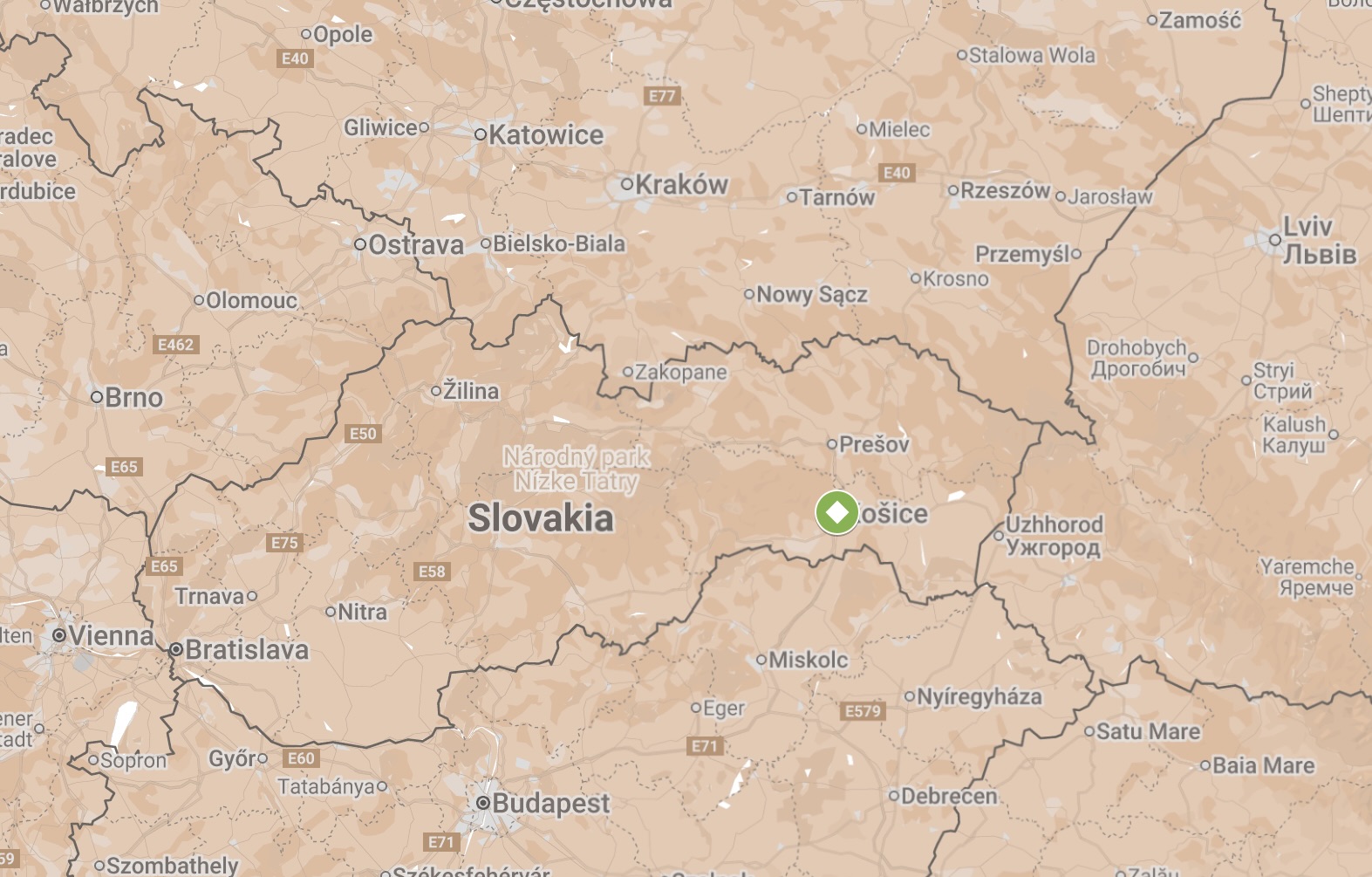
Košice (Kassa in Hungarian/Kaschau in German) was liberated on 19 January 1945 by Czechoslovak and Soviet forces. Until the liberation of Prague in May 1945, it was the seat of the new Czechoslovak government and all the countries principal organisations. Jewish groups across a broad spectrum of political and religious affiliations also made Košice their Slovak headquarters.
Until the German invasion of Slovakia in March 1944, Košcie had been a centre where Jewish refugees from Poland were helped by the local community, especially the youth groups, who helped to smuggle Jews into Hungary. Although the Jews of Košice had suffered terribly under the persecution of the Arrow Cross and the Nazis, Jewish life quickly revived after the liberation and the community united together.
Košice was an important point where survivors registered their names with Jewish agencies. These lists were then sent to organisations such as the International Red Cross, the World Jewish Congress, and the Jewish Agency to assist with tracing family members and coordinating emigration.
Daily Life
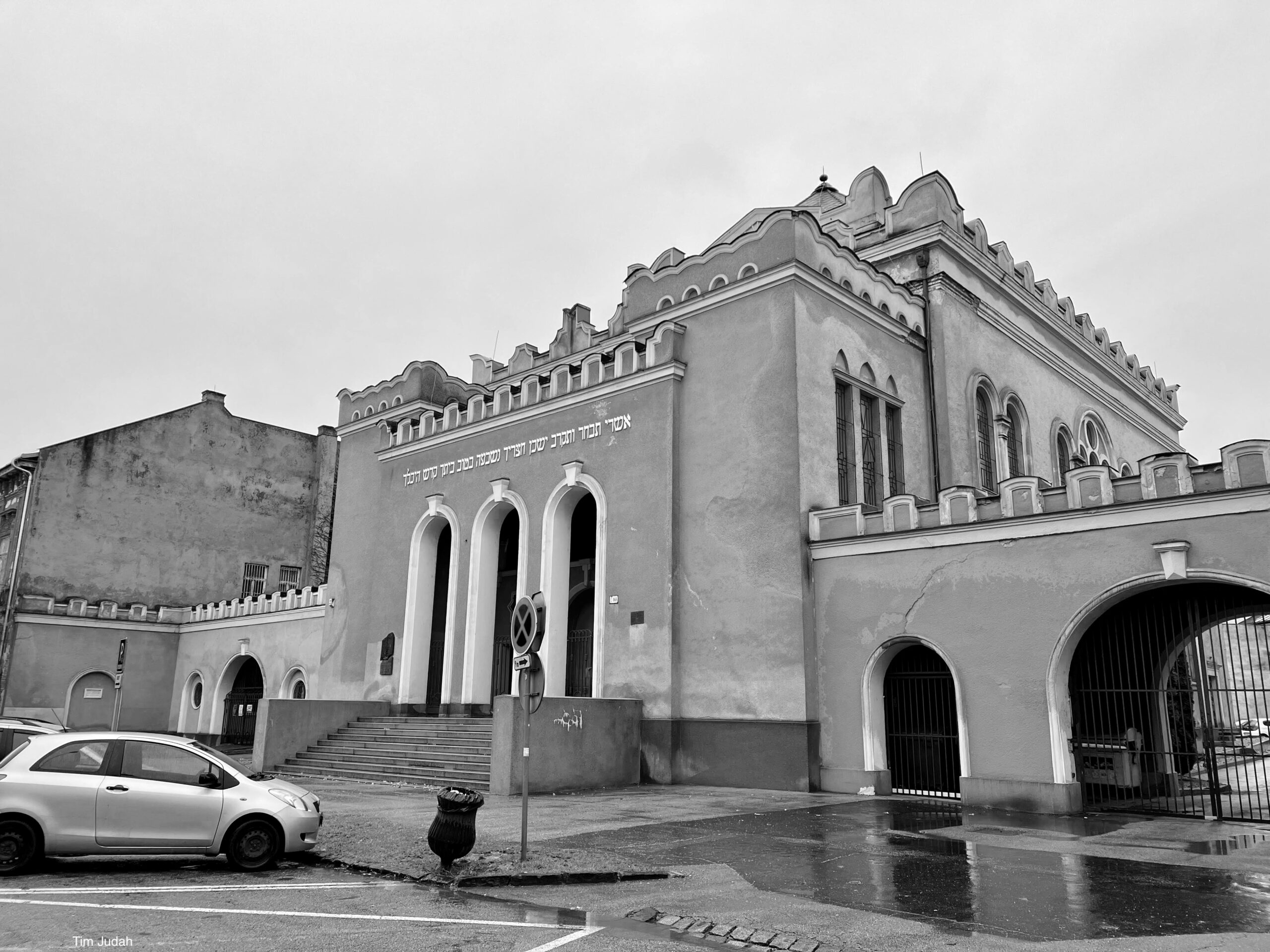
Jewish life in Košice after the war centred around Zvonárska Street, where the main synagogue and a children’s home were located. A new yeshiva (religious school) was established by survivors, and students were famously photographed there by Roman Vishniac in 1947. The religious organisation Agudas Israel was active in Košice and this was no doubt one of the reasons that Rabbi Schonfeld knew that there were religious orphans in the children’s home on Zvornarska Street.
Jewish life in Košice was lively and centred on Zionism, religious learning and commemorating the dead. The survivors reopened the synagogues and the children’s home. They also set up a soup kitchen and temporary hostel for the homeless and refugees who arrived in the city from Czechoslovak territories further to the east, which had been annexed to the Soviet Union. Memorial tablets dedicated to the Jews of Košice who were murdered in the Holocaust were placed in the cemetery and in the synagogue in Zvonarska Street.
The Boys in Košice
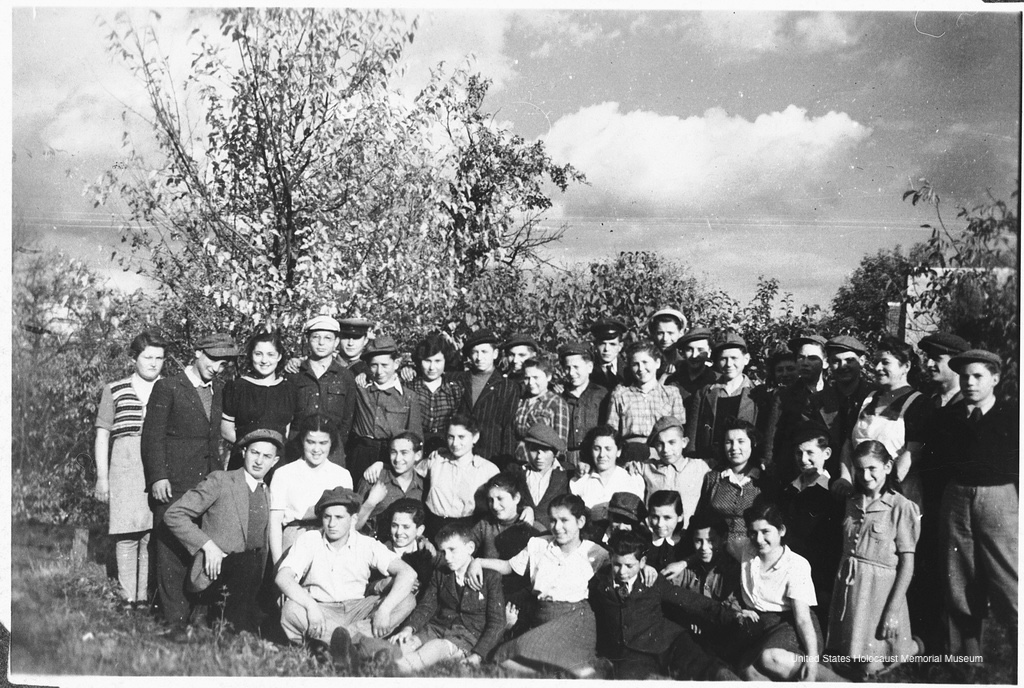
A number of the younger children in the third and fifth group of the Boys were taken to the children’s home in Košice. The city played a significant role in their experiences immediately after the liberation. Unfortunately, the paperwork relating to them kept by the American Joint Jewish Distribution Committee no longer exists.
Erwin Buncel spent time at a hachshara (Zionist training collective) in Košice, training for a new life in the Palestine Mandate. One of the heads of the collective was his uncle, Izidor Neugreshel. Buncel came to the UK with the third group of the Boys.
Some of the youngest survivors were brought out of Poland to Košice. Many had survived Auschwitz and were taken to Katowice, then Kraków, where they were joined by other orphans like Josef Gerstein, who had lived feral and then been a hidden child.
Antisemitic violence in Kraków meant that the children in the Jewish orphanage were moved to the Tatra mountains. When the children’s home there was also attacked by an antisemitic mob the children were taken over the mountains into Czechoslovakia. They were moved to Prague prior to evacuation to the UK.
The first Jewish High Holidays after the liberation were important stepping stones for the survivors. On Rosh Hashanah (Jewish New Year) 1945, prayers were held in the two synagogues and many people took part. These were emotional moments when children realised that they no longer had they families around them.
Life for the survivors, however, did not return to normal, as antisemitism was still rife in Slovakia. The first anti-Jewish riot in Slovakia after the Holocaust occurred in Košice on 2 May 1945. The new Czechoslovak government were also reluctant to help Jewish survivors who had declared their nationality as Jewish in the pre-war census. For many survivors, it seemed there was no future in post-war Czechoslovakia, so the emphasis became on emigration and starting a new life elsewhere.
Aftermath
In 1947, there were 2,542 Jews in Košice registered at the synagogue but there were many more survivors in the city. The foundation of the State of Israel in 1948, followed by the Communist coup in Czechoslovakia, led to mass emigration. Increasing repression of religious life under Communism prompted many of the remaining Jews to leave. As a result, the Jewish population of Košice declined rapidly over the following decades.
 About
About History
 Education
 Quilts
 FIlms
FIlms Photos
 News Media & Events
 Publications
 Donate