After liberation, members of the Boys spent months living in displaced persons (DP) camps. Many of the Boys had been slave labourers in the Nazi concentration camp system.
DP camps were temporary housing established for displaced persons and former inmates of the Nazi concentration camps. The camps were set up in Germany, Austria and Italy after World War II by the Allied forces. Föhrenwald-Wolfratshausen was one of these.
The Boys were teenage and child-Holocaust survivors, who were brought to the UK after the war for rest and rehabilitation.
Overview
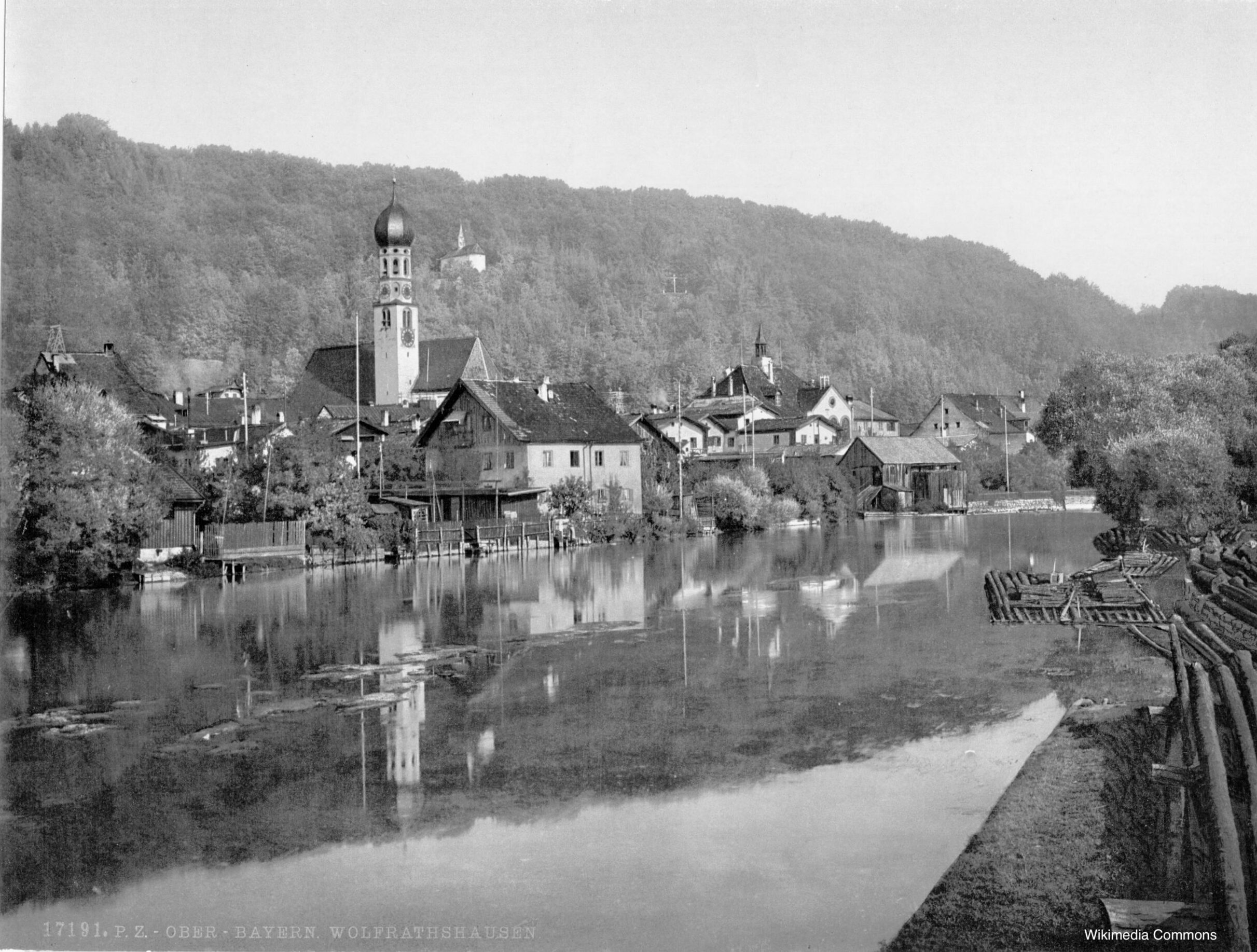
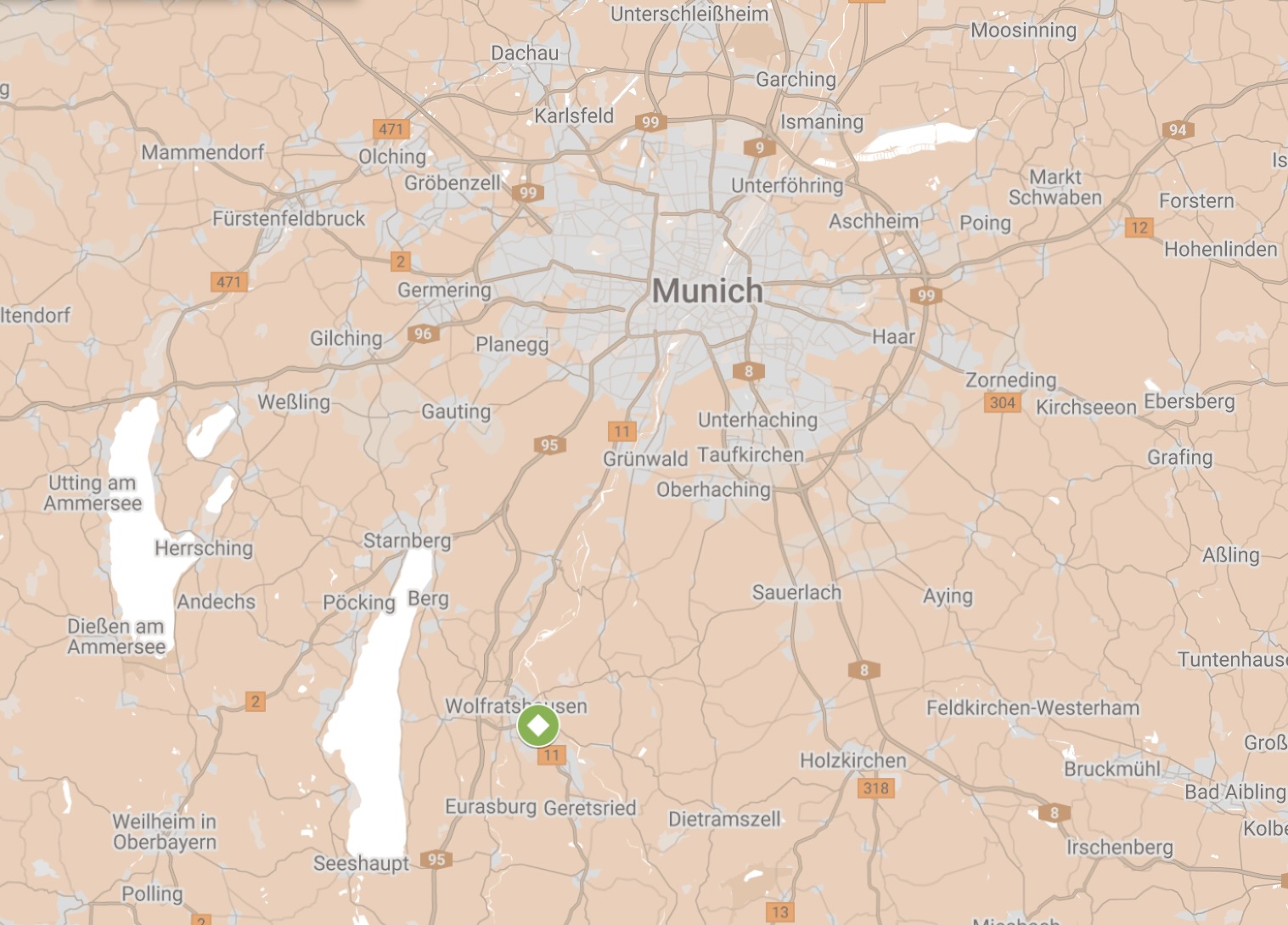
Föhrenwald was one of the largest displaced persons’ camps in Germany and located in the American occupied zone, 37km southwest of Munich. The camp opened in June 1945 and was run by the United Nations organisation, UNRAA (United Nations Relief and Rehabilitation Administration).
On 3 October 1945, Föhrenwald became an exclusively Jewish DP camp. It was at this point that the Boys who had been in the Feldafing DP camp arrived in Föhrenwald. Some had spent longer in the camp and had experienced the period in which it was also home to non-Jewish DPs from Poland, Yugoslavia, Hungary and the Baltic States. The majority of these DPs had been brought to Germany as forced labourers, but some had collaborated with the Nazis. Tensions occasionally arose between these groups, prompting the American authorities to designate Föhrenwald as a solely Jewish camp.
In the period that members of the Boys were in Föhrenwald, it was the third largest DP camp in southern Germany after Landsberg and Feldafing. It had a population at this time of about 4,000 people, many of whom had been transferred there from Feldafing and Landsberg.
Structure
Housing conditions in Föhrenwald were better than in other DP camps as the buildings were small, centrally heated homes that had been built in 1939 for employees and forced labourers at the nearby IG Farben factory. Unlike many DP camps that were converted from military barracks or former concentration camps, Föhrenwald offered a more domestic environment.
Streets in Föhrenwald were named after American states and individuals, but these have since been renamed.
“One day, there was much excitement in our camp as General Eisenhower paid us a visit. He gave a speech and told us how much he admired our fortitude. He thought we had shown at least as much courage as his soldiers had on the battlefield. We felt very proud and presented him with a picture by a survivor. He also told us that efforts were being made to make our lives more comfortable and that he was personally involved in this operation.
I heard about his speech afterwards, for I was in bed with a headache at the time. Later, as he inspected the bedrooms, he personally gave me a bar of chocolate … it had been six years since I had last had such a luxurious treat.”
Mala Kacenberg, formerly Mala Szorer, Mala’s Cat (Penguin, 2022).
Jewish Revival
The revival of Jewish life in Föhrenwald began before it became an exclusively Jewish DP camp. The care of young people centred on education both secular and religious as well as apprenticeships. Schools, synagogues, theatres, and libraries were established, helping to rebuild Jewish cultural and communal life.
There was a strong Zionist movement in the camps and many pre-war Jewish youth organisations were active. They ran summer camps and kibbutz agricultural training farms designed to prepare young people for life in Israel. Some survivors have said that the list of children that had been selected for transportation to UK was destroyed by Zionist activists who wanted them to go to the Palestine Mandate.
It was only after much negotiation with the Committee of the Liberated Jews of Bavaria, that it was finally agreed that those children who had been told they were leaving for Britain would be allowed to do so, but as Ivor Perl remembers, the lorries that took them out of the camp left in the middle of the night, just in case Zionist activists tried to stop them.
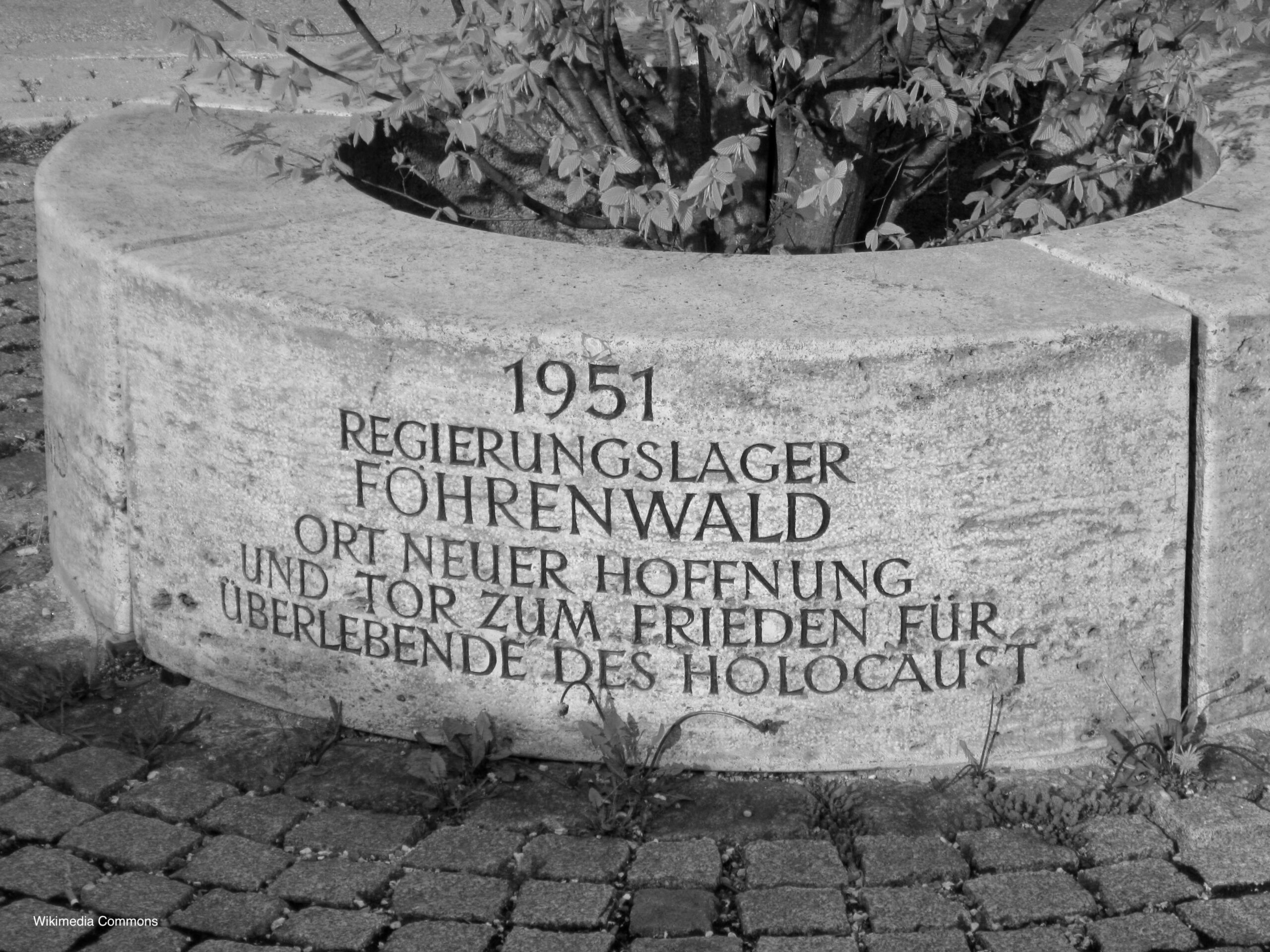
In 1951, the West German government took over administration of the camp, but the American Joint Jewish Distribution Committee maintained a presence there until 1954. The camp continued to function as a Jewish community well into the 1950s. It was the last DP camp to close in 1957.
Aftermath
Föhrenwald was renamed Waldram and is now a residential area of the city of Wolfratshausen. There is an information centre for visitors in the former camp mikveh (ritual bath), which explores the history of the camp.
 About
About History
 Education
 Quilts
 FIlms
FIlms Photos
 News Media & Events
 Publications
 Donate