After liberation, members of the Boys spent months living in displaced persons (DP) camps.
Many of the Boys had been slave labourers in the Nazi concentration camp system.
DP camps were temporary housing established for displaced persons and former inmates of the Nazi concentration camps. The camps were set up in Germany, Austria and Italy after World War II by the Allied forces.
Members of the Boys were also cared for in children’s homes set up and run by UNRAA, charitable organisations and the surviving Jewish community.
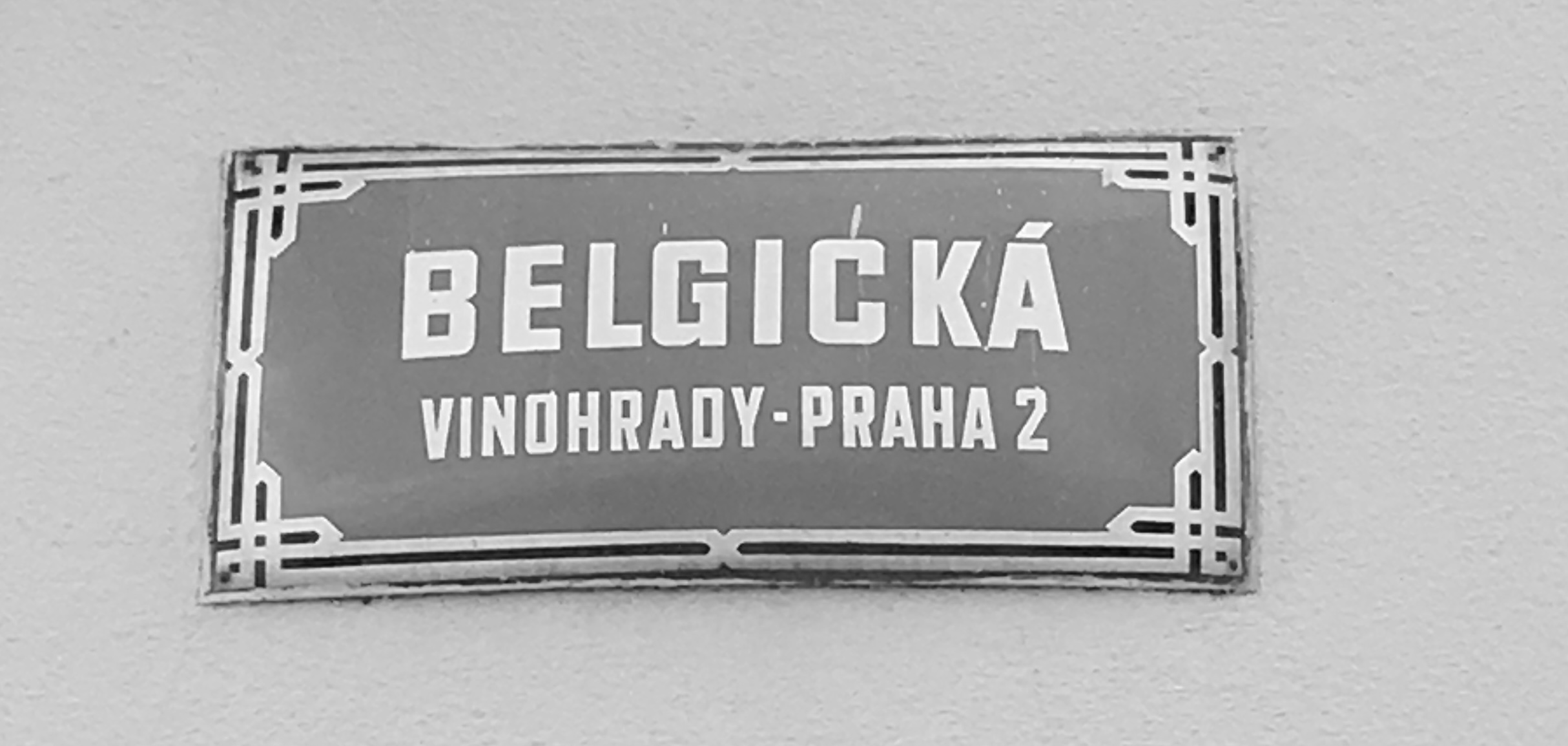
The Belgická Street Orphanage in Prague was one of these.
The Boys were teenage and child Holocaust survivors, who were brought to the UK after the war for rest and rehabilitation.
Overview
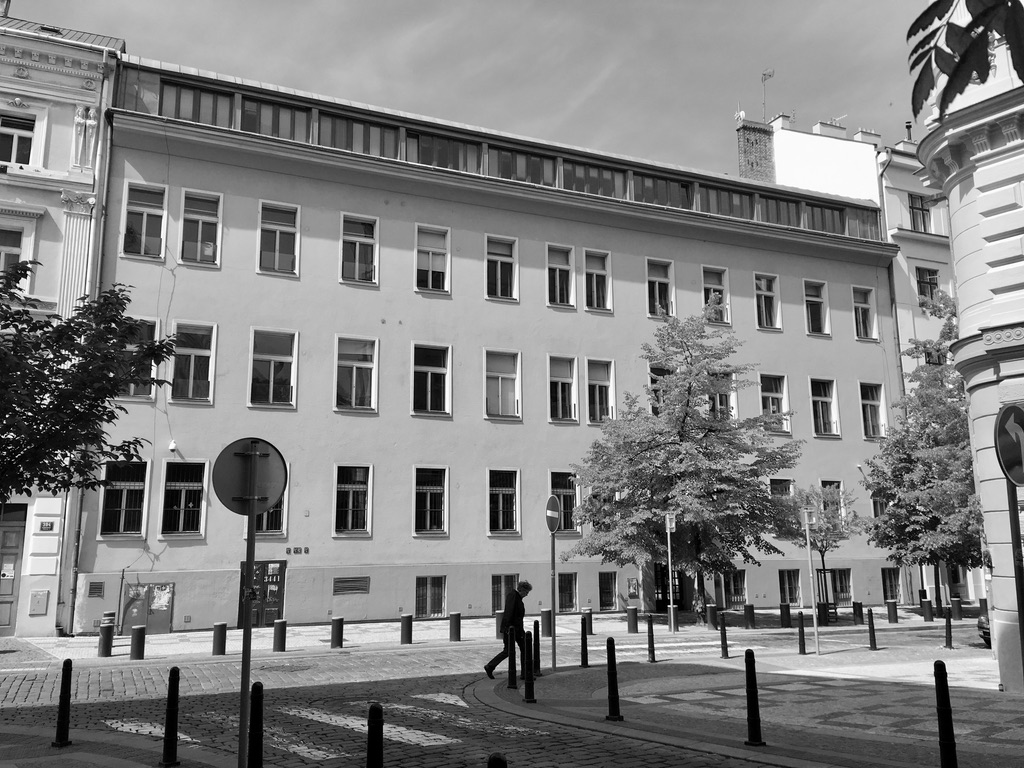
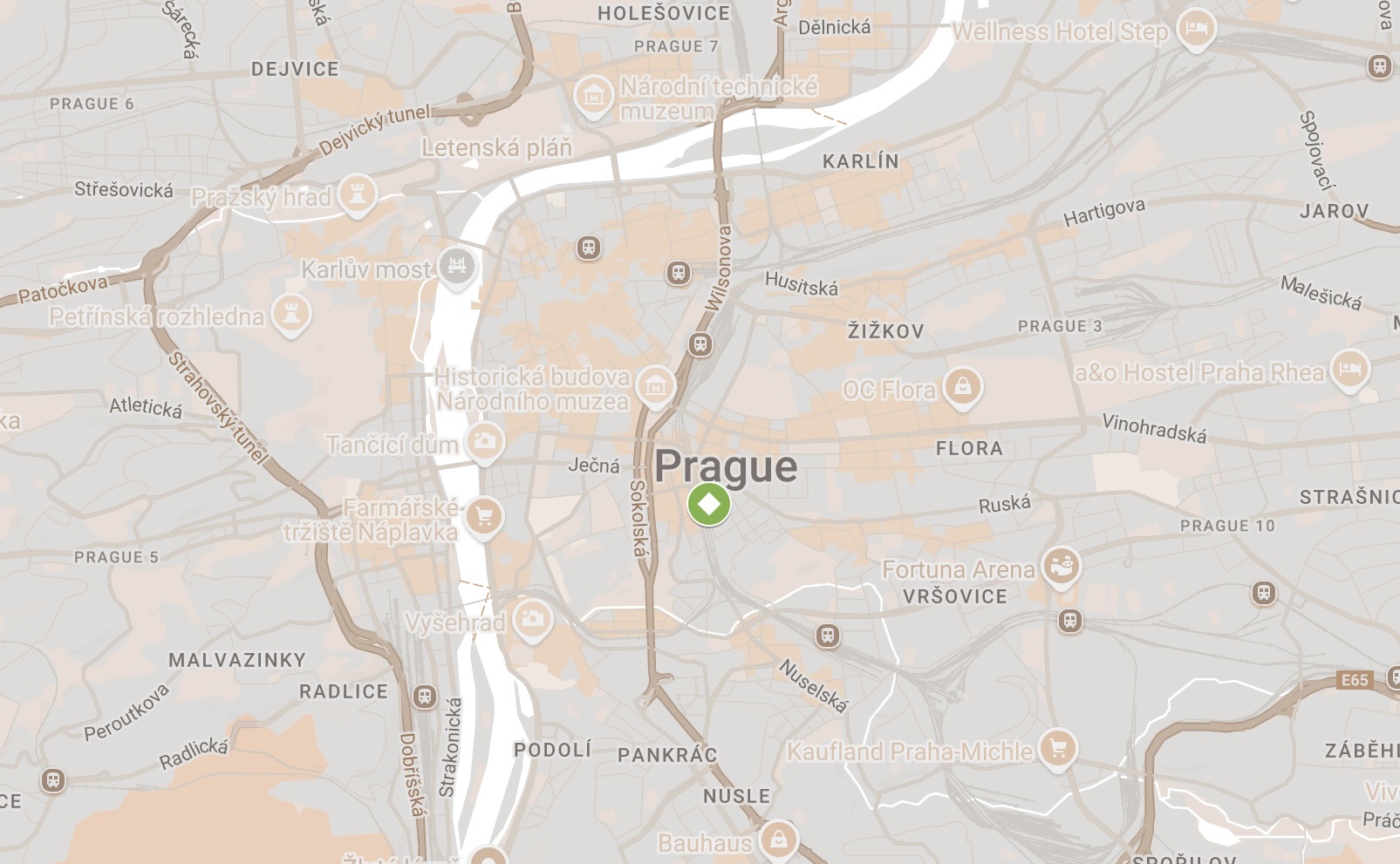
Over 500 members of the Boys passed through the doors of the Home for Jewish Orphans on Belgická Street, in the Vinogrady district of Prague.
The orphanage played a significant role in the majority of the Boys’ immediate post-war experiences.
Background
Belgická was originally established in 1898 as an orphanage for Jewish boys from across the Austro-Hungarian Empire.
Both Czech and German were spoken in the home, allowing boys from diverse backgrounds to communicate. Girls were cared for at a separate orphanage nearby.
Before World War II, Vinohrady was a thriving centre of Jewish life in Prague. The area was home to the city’s largest synagogue, which was later destroyed during a bombing raid. The orphanage was an integral part of this vibrant community.
Wartime
Following the Nazi occupation of Czechoslovakia, more and more Jewish children arrived at the orphanage. It also became a hub for underground education, as Jewish schooling was banned.
In 1940, the girls’ orphanage was relocated to Belgická Street, bringing both under one roof.
The Nazi authorities closed the orphanage in 1943, and it was then used by the German security services.
Between 1942 and 1944, 429 children from the orphanage were deported on 40 transports, mostly to the Theresienstadt Ghetto. Only 63 survived and returned.
It was at the orphanage that the children’s opera Brundibar or The Bumblebee was first performed in German- occupied Prague before the mass transportations of the Bohemian and Moravian Jews to the Theresienstadt Ghetto.
The musical score was then smuggled into the camp, where it was staged in the Magdeburg Barracks in September 1943. It was a performance that some of the younger members of the Boys, who spent years in Theresienstadt, may well have seen.
The opera became a symbol of hope in Theresienstadt.
Liberation
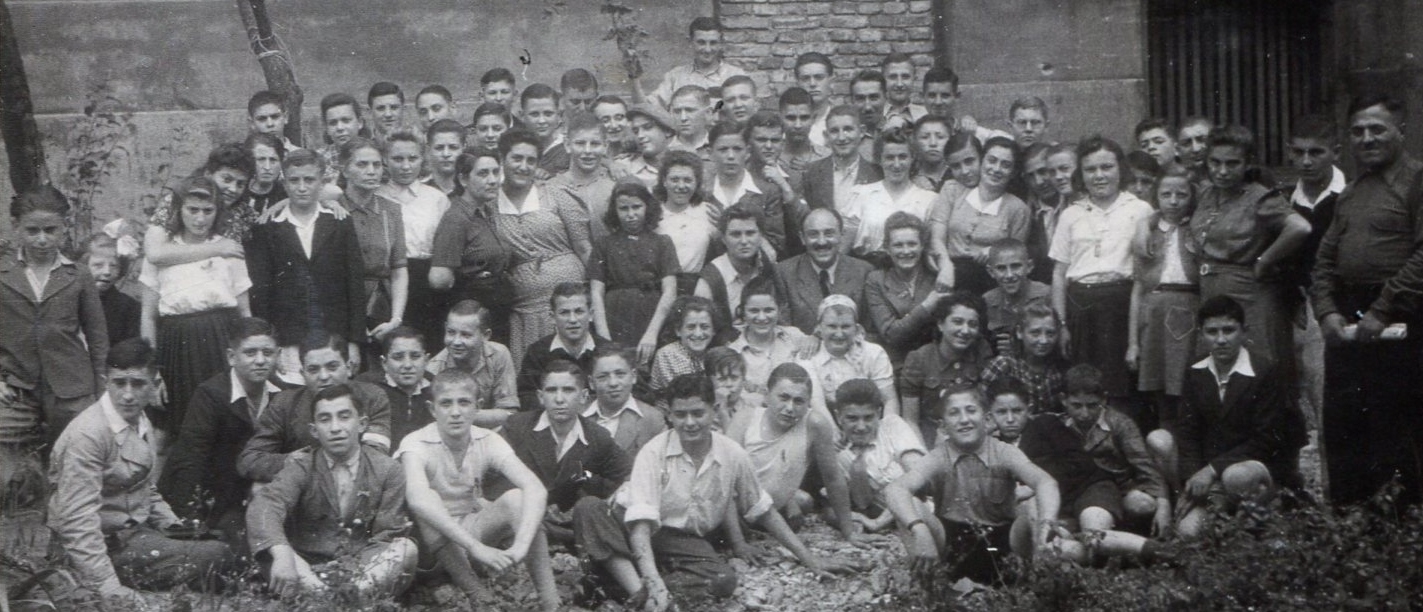
After the war, the Belgická orphanage was reopened as a shelter for Jewish children. Survivors were brought there from concentration camps, hiding places, and other temporary shelters.
Some of the Boys stayed briefly in August 1945, while others remained longer before being brought to the UK in waves between 1946 and 1948.
The Violinist
The orphanage was run by Halm Frantisek, the former lead violinist of the Prague Philharmonic Orchestra. He was at in his late fifties and wore thick rimmed glasses. He would entertain the children by playing the violin.
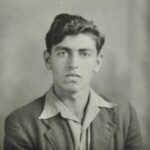
One of the Boys, David Herman, spent the first Yom Kippur after the liberation at the orphanage and remembered how Frantisek had “played one melancholic piece of music that made my lost childhood come rushing back to me. It was from the Kol Nidre service, and one of the most recognisable and holy songs of the Jewish faith.”
Herman’s father had sung it to his children.
“When Helm Frantisek played this sad, slow and soulful tune, it brought back overwhelming images from my childhood,” he recalled. “Halm Frantisek’s baleful violin was humbling to listen to and left me in floods of tears as painful memories of my family and our life together back home flashed through my mind.”
David Herman, David’s Story (Herman Press, 2016).
Daily Life and Rehabilitation
At full capacity, the orphanage could house around 70 children, with six boys typically sharing a room.
During the initial post-war period, when over 200 children were accommodated, extra camp beds were set up in classrooms.
The orphanage had a large dining room with several long tables, multiple kitchens and a library.
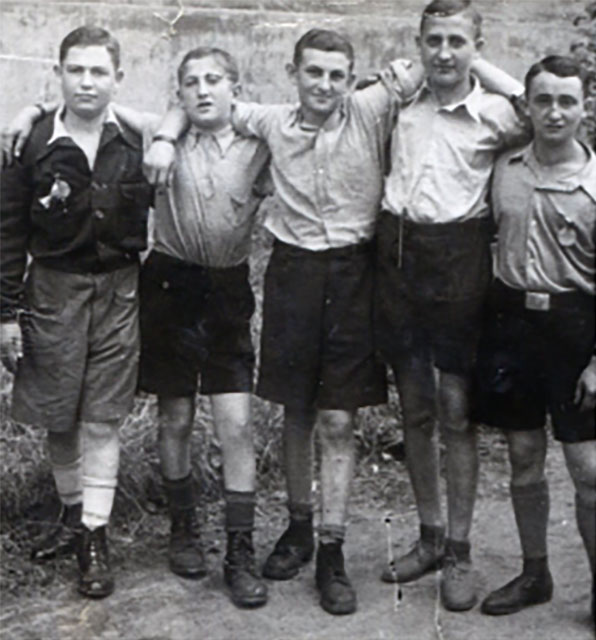
For those who spent longer in the orphanage, education played an important role in their rehabilitation, as it was crucial to help the young people to stand on their own feet and to return to a normal life post war.
Aftermath
From the end of war until 1950, 637 youngsters lived in the orphanage.
Under the post-war communist regime, the building was nationalised. It remained out of Jewish communal hands for decades.
Following the Velvet Revolution and the fall of communism in 1989, the building was eventually restored to the Jewish community.
Today, the historic site of the Belgická orphanage is home to the Lauder School, a Jewish educational institution supported by the Ronald S. Lauder Foundation.
 About
About History
 Education
 Quilts
 FIlms
FIlms Photos
 News Media & Events
 Publications
 Donate