Members Boys and their families were imprisoned in the Monor Ghetto.
Monor Ghetto was one of a network of ghettos set up by Nazi Germany after it invaded in Hungary in March 1944.
The Boys were teenage and child-Holocaust survivors, who were brought to the UK after the war for rest and rehabilitation.
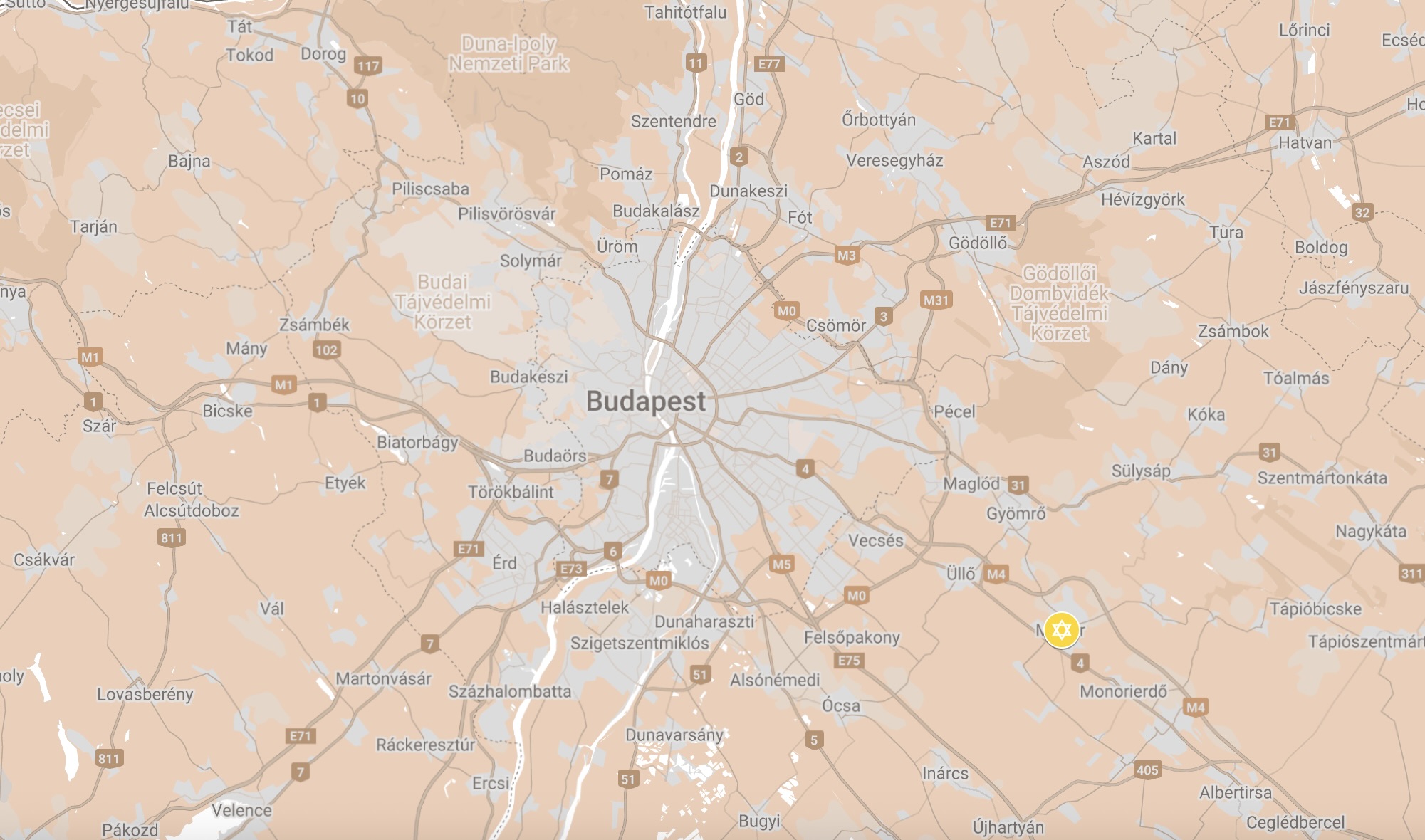
Monor is located 34km southeast of Budapest.
Overview
The Monor Ghetto was established in May 1944 following the German occupation of Hungary in March 1944.
The ghetto served as a transit site for Jews from Pest-Pilis-Solt-Kiskun County, including those from Cegléd, Kecskemét, Nagykőrös, and surrounding villages. At its peak, the ghetto held approximately 6,000 Jews.
Layout
The Monor Ghetto was a collection of temporary barracks set up at the Monor brickyard, near the railway station. The site was chosen by the Hungarian authorities because of its proximity to the railway, allowing for quick deportation. Hungarian gendarmerie guarded the area, ensuring that Jews remained confined.
Daily Life
Living conditions in the Monor Ghetto were extremely poor. The barracks were overcrowded, and most families were forced to sleep on the ground with little to no protection from the elements. Hygiene facilities were almost non-existent and disease spread rapidly.
The Hungarian authorities provided minimal food rations, and many people resorted to bartering their remaining possessions for food.
Deportations
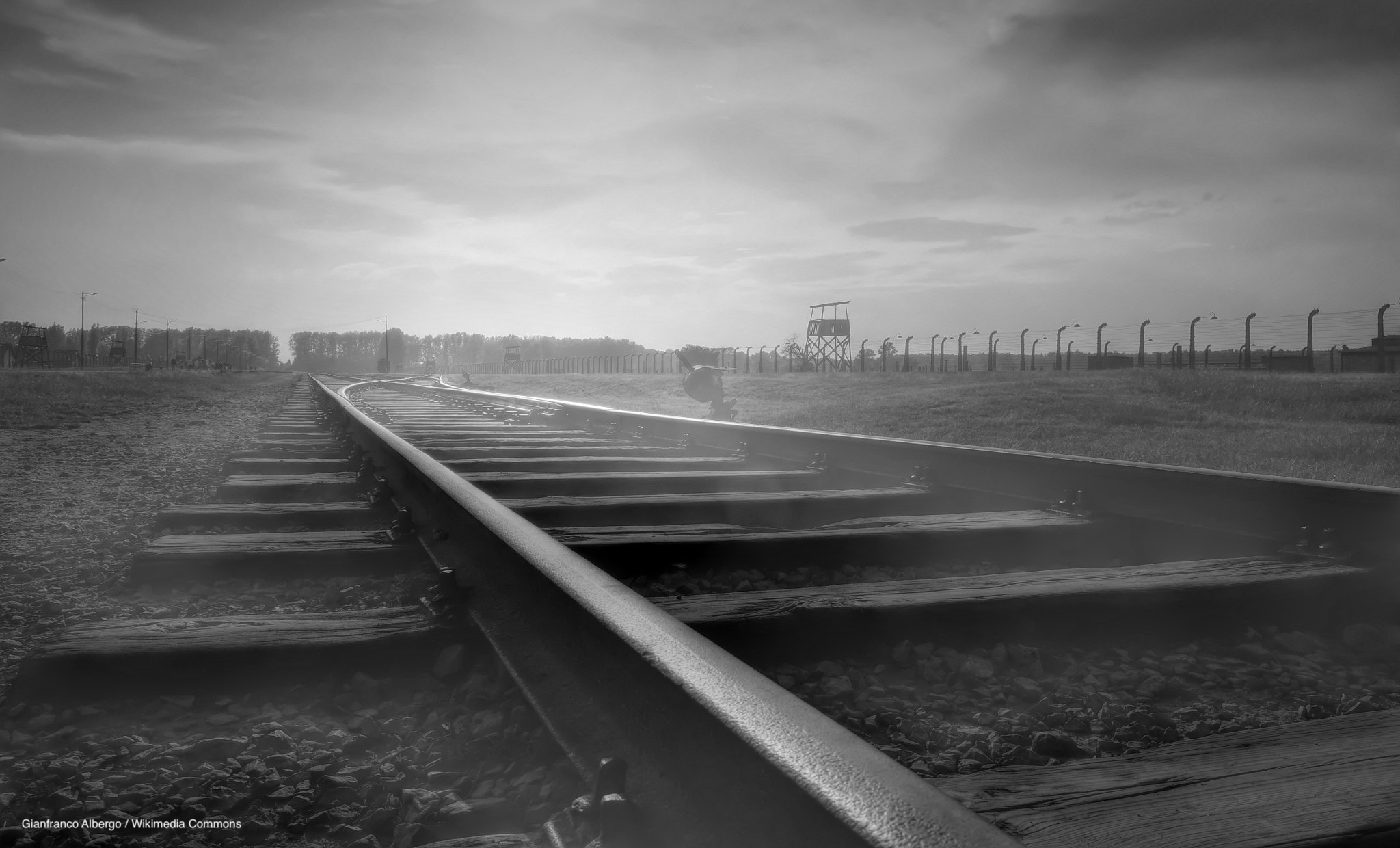
Deportations from the Monor Ghetto began in early June 1944. Over the course of two transports, the majority of the 6,000 Jewish adults and children were forced onto freight wagons bound for Auschwitz II-Birkenau concentration and extermination camp. The deportations were organised by the Hungarian gendarmerie and German SS.
On arrival at Auschwitz, most were Jews murdered in the gas chambers, while a small number of young and healthy individuals were selected for forced labour.
The barracks used to house the Jewish community were dismantled, and no trace of the ghetto remained.
Memorialisation
Today, the history of the Monor Ghetto is commemorated by memorial plaques in Monor and Budapest. The Hungarian Jewish Museum and Archives also contains records and personal testimonies from survivors. Periodic remembrance events are held by Jewish organisations and historians.
 About
About History
 Education
 Quilts
 FIlms
FIlms Photos
 News Media & Events
 Publications
 Donate