Members of the Boys were imprisoned in the Bielsko-Biała Ghetto.
The Bielsko-Biała Ghetto was one of a network of ghettos set up by Nazi Germany in which Jews were forced to live in occupied Poland. As with other ghettos in Czechoslovakia, Latvia, Lithuania and Poland, the Bielsko-Biała ghetto was established to contain the region’s Jews and isolate them from the rest of the population until Nazi leadership could decide on an answer to the so-called “Jewish Question.”
The Boys and their families spent years living in dire conditions. The ghettos were not designed for the vast numbers of people forced to find space to live within them. As a result, multiple families shared cramped and insanitary accommodation.
The Boys were teenage and child-Holocaust survivors, who were brought to the UK after the war for rest and rehabilitation.
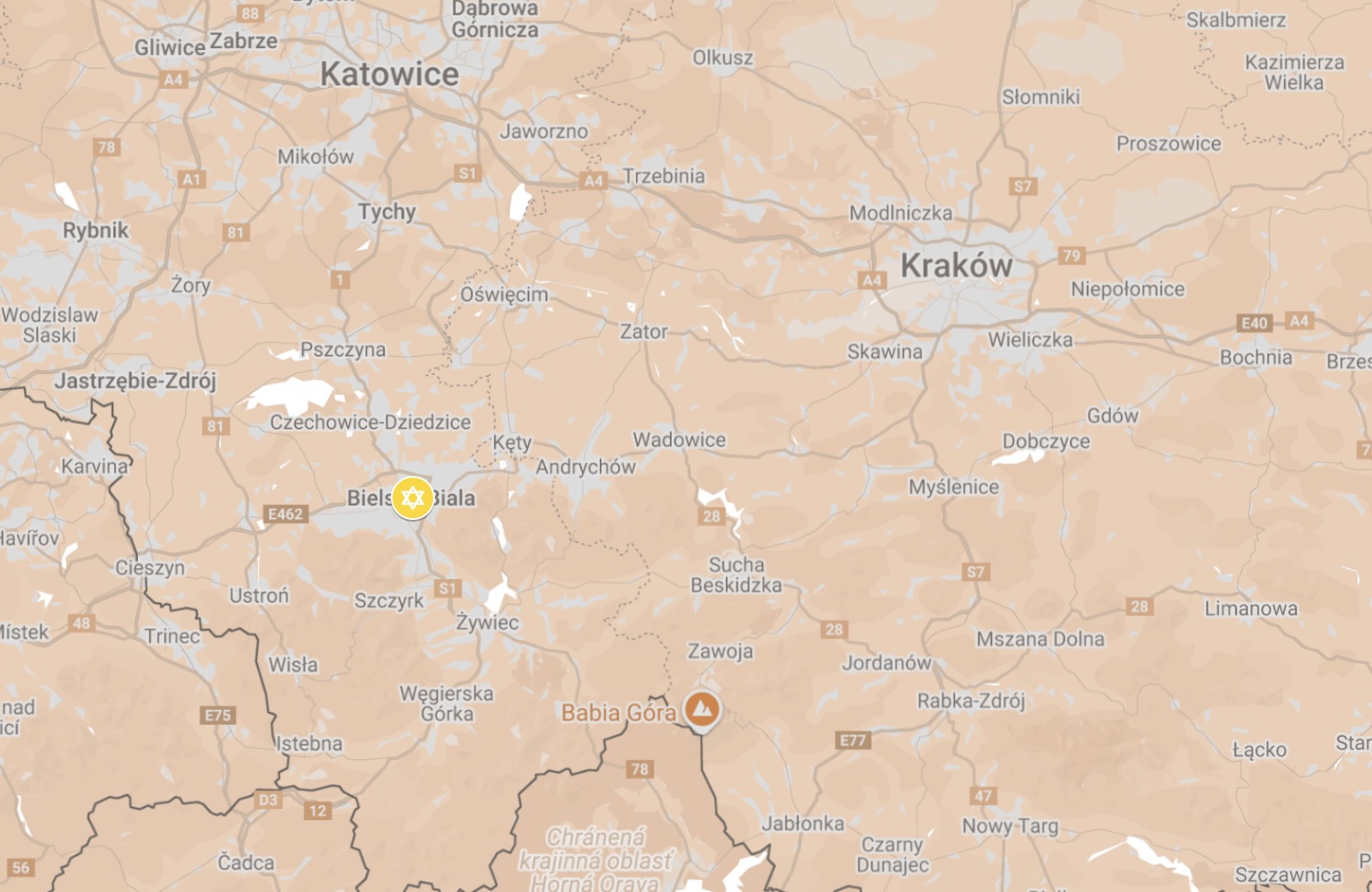
Bielsko-Biała, is a city in the Silesian Voivodeship, southern Poland. After the German invasion of Poland in September 1939, at least half of the Jews living in Bielsko-Biała fled. To find out more about the region and the Boys who grew up there click here.
In January 1940, the Jews who remained in the town were told to settle within a small designated area.
Layout
In August 1941, the Jews of Bielsko-Biała were imprisoned in a ghetto, in the Konfirunek in the area which is today’s Towarowa Street near the Wschód railway station. Although the ghetto was open and its inhabitants were not guarded, they could not leave it.
Daily Life
Every day, those with work permits were escorted out of the ghetto. There was a high death rate caused by food shortages, lack of heating and widespread disease.
Difficult conditions, lack of food and heating contributed to the deaths of many Jews living in the ghetto. Several dozen of the deceased were buried in the Jewish cemetery in Biała.
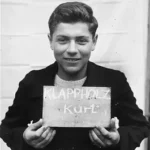
“We arrived at the station in Bielitz, which I knew quite well. There was a roll-call there, family by family. The younger people who were there, such as I, were asked to go to the left, the older people were asked to go the the courtyard. And after the war, when I met people in Israel who had heard something about this, I was told that those who were asked to go to the courtyard had their valuables taken from them. So I waited with the young, and with us there were also girls of my age and some of the girls were crying, and one asked if she could go and join her parents. By then there were Jewish militia from Sosnowiec with us, and the girl asked one of the militiamen whether she could rejoin her parents, and the Jewish militiaman said that she could, but he would not advise her to do so. Well! This was the first time I heard a remark of that kind, which after the war became much clearer to me than it was at the time.”
Kurt Klappholz quoted in Martin Gilbert, The Boys: The Story of 732 Young Concentration Camp Survivors (Weidenfeld & Nicholson, 1996). This was last last time 15 year old Klappholz saw his parents.
Liquidation
In June 1942 the ghetto was liquidated and the Jews were resettled to the central Silesian ghetto in Sosnowiec or deported to Auschwitz II-Birkenau concentration and extermination camp. They were one of the first Polish Jewish communities to be sent to the camp. About 20 Jews remained in the city, who were ordered to sort the Jewish property left in the ghetto. After completing the task in July, they were sent to the ghetto in Wadowice.
 About
About History
 Education
 Quilts
 FIlms
FIlms Photos
 News Media & Events
 Publications
 Donate