Members of the Boys were imprisoned in the Chmielnik Ghetto.
The Chmielnik Ghetto was one of a network of ghettos set up by Nazi Germany in which Jews were forced to live in occupied Poland. As with other ghettos in Czechoslovakia, Latvia, Lithuania and Poland, the Chmielnik ghetto was established to contain the region’s Jews and isolate them from the rest of the population until the Nazi leadership could decide on an answer to the so-called “Jewish Question.”
The Boys and their families spent years living in dire conditions. The ghettos were not designed for the vast numbers of people forced to find space to live within them. As a result, multiple families shared cramped and insanitary accommodation.
The Boys were teenage and child-Holocaust survivors, who were brought to the UK after the war for rest and rehabilitation.
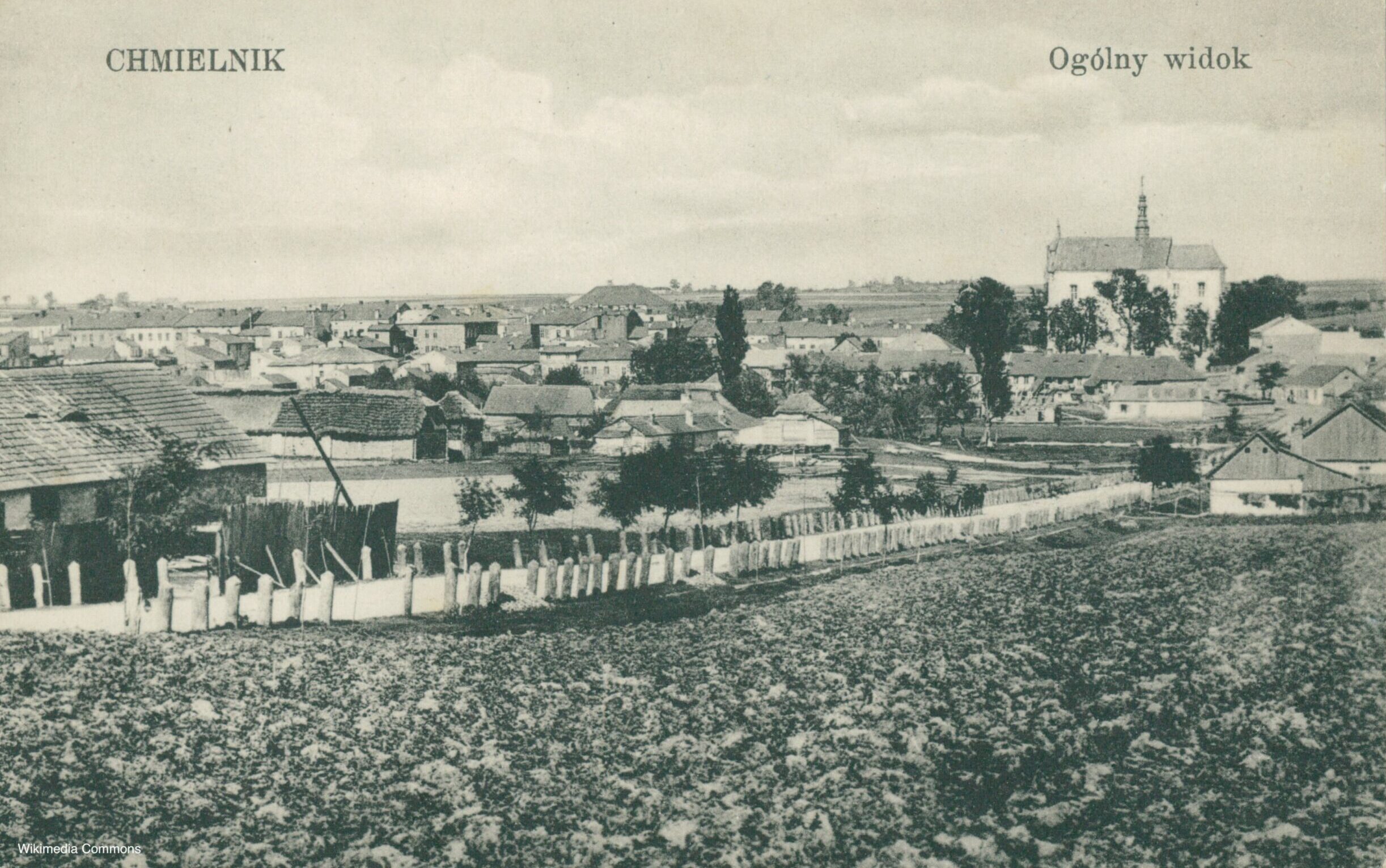
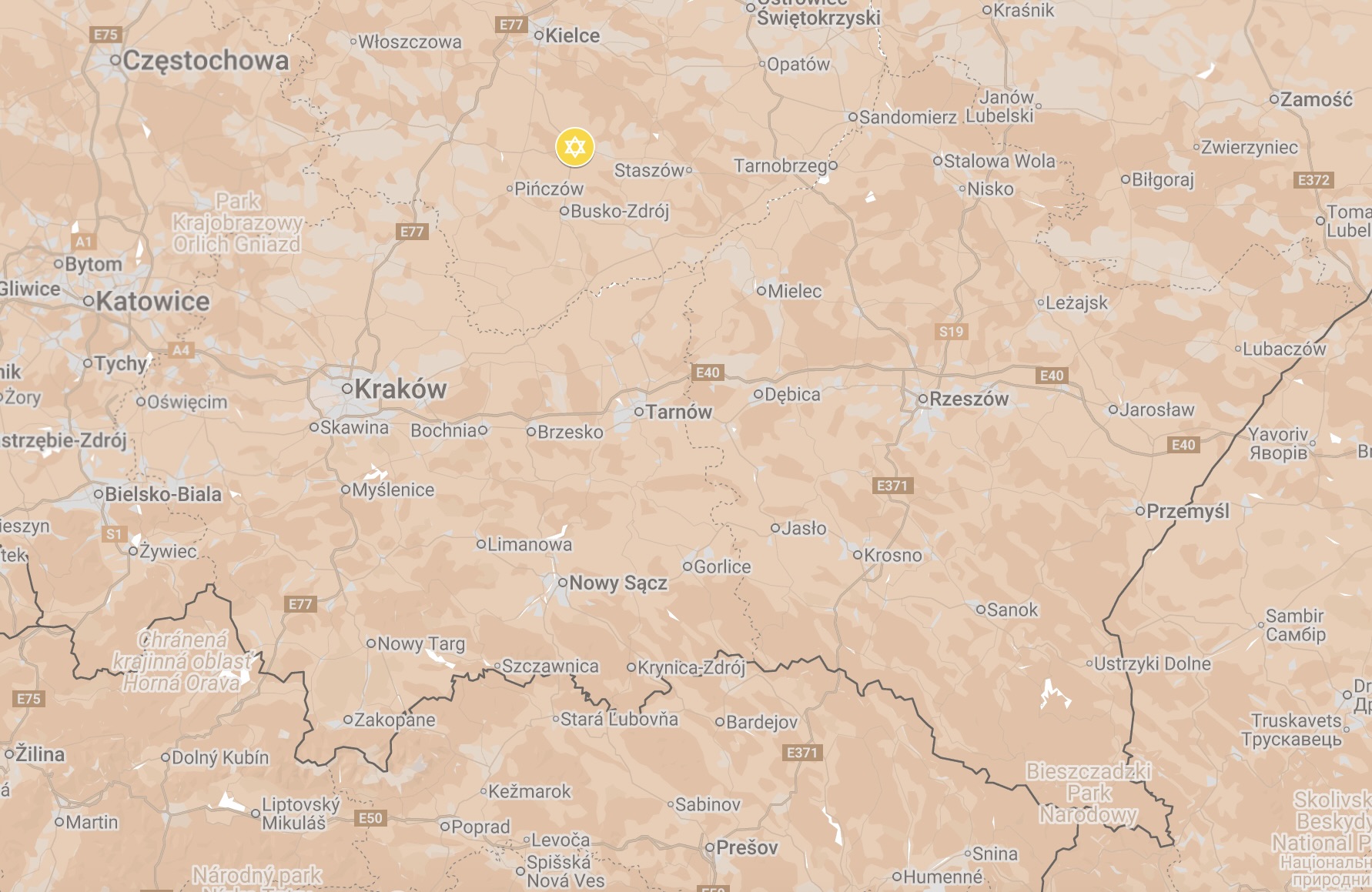
Chmielnik is a town in Kielce County, Świętokrzyskie Voivodeship, Poland. To Find out more about the region and the Boys who grew up there click here.
Prior to World War II, Chmielnik had nearly 10,000 Jews, comprising 80% of the town’s population. In early 1941, the Nazis established a ghetto in Chmielnik.
Layout
The ghetto covered the whole city except streets adjacent to the fields. It remained an open ghetto, but Jews were not allowed to leave it, except for those working outside. Transports of Jews from other towns led to overcrowding and worsening sanitary conditions, and consequently to a typhus epidemic.
Liquidation
On 1 October 1942, about 1,000 young Jewish men and women were deported to the forced labour camps in Skarżysko-Kamienna and Kielce-HASAG. On 6 October 1942, the ghetto was liquidated.
At exactly 8am on 5 October 1942, the Jews were gathered at the market outside the city and ordered to line up. Parents were to take their small children in their arms. The Germans ordered everyone to hand over their money, gold, jewellery, and all valuables. Special baskets were prepared for this purpose. This continued for several hours. Some Jews were ordered to strip naked and were searched. Many were shot. At 2pm in the afternoon, the selection began. Chaos ensued. In order to restore peace, the gendarmes began to beat people.
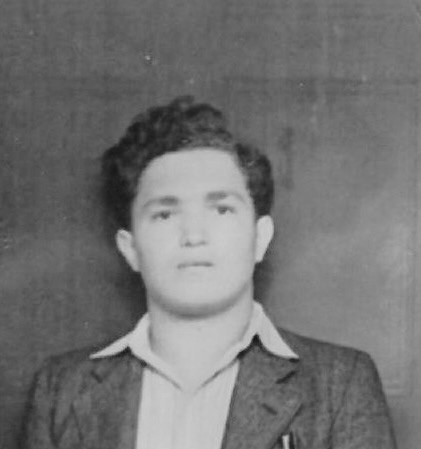
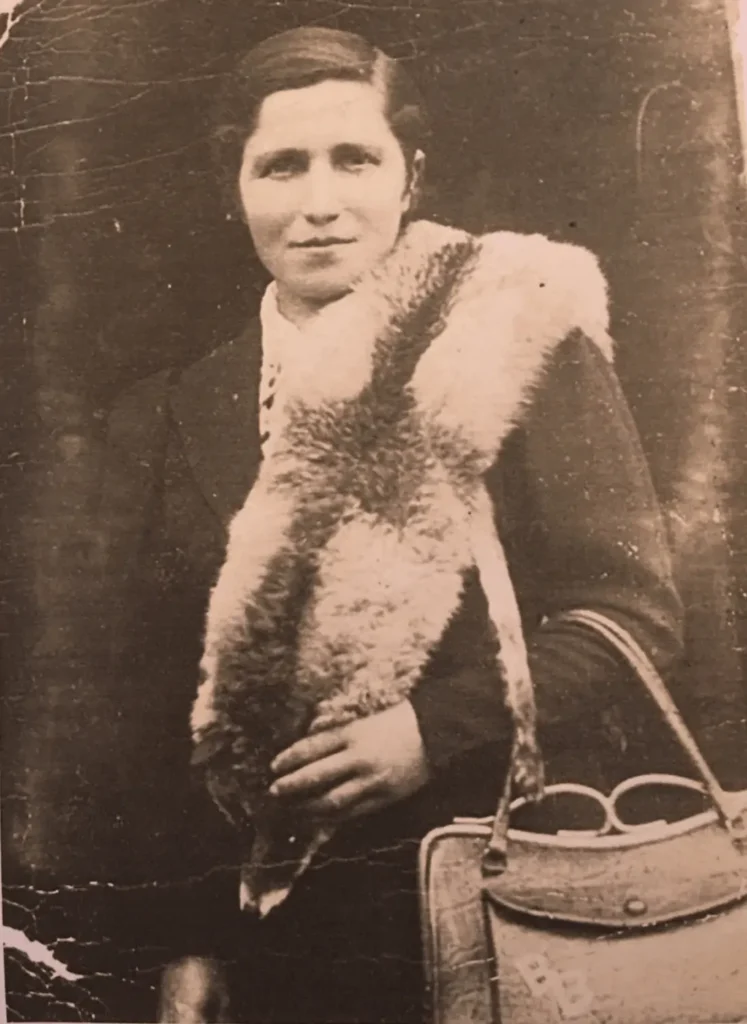
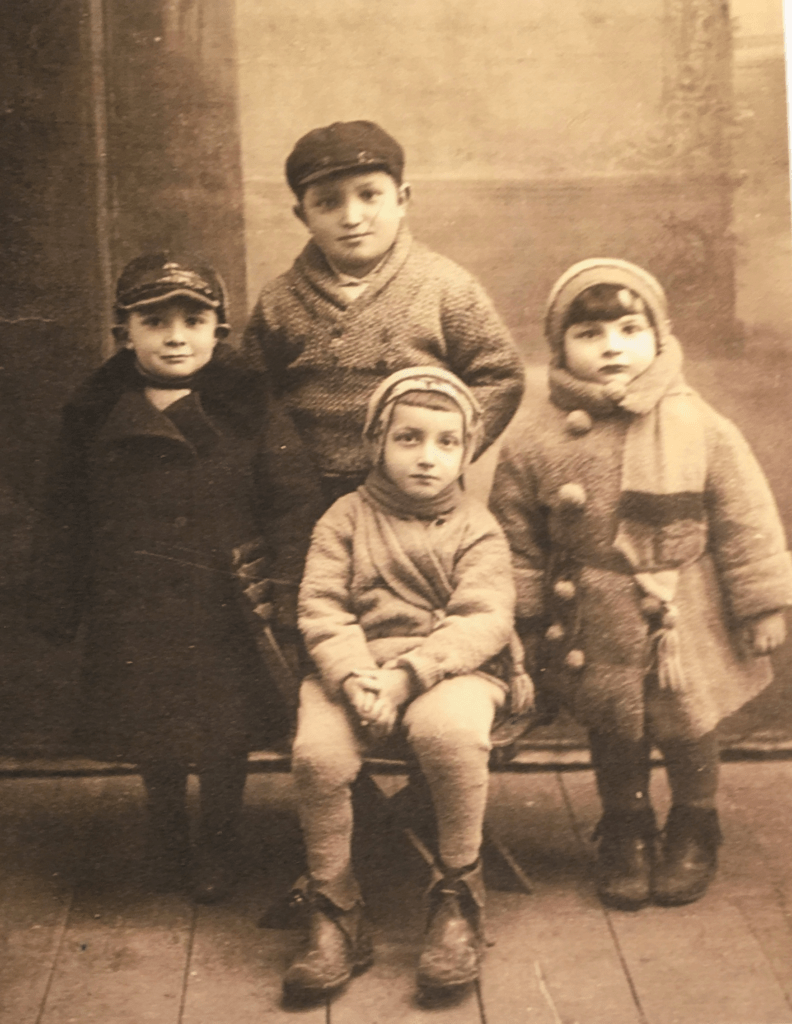
Sidney Baker was held in the Chemielnik Ghetto with his family. His mother and siblings were among those transported to the Treblinka extermination camp in 1942.
Those who were not selected for work were driven on foot to Chęciny, 45 km from the assembly point. Those who
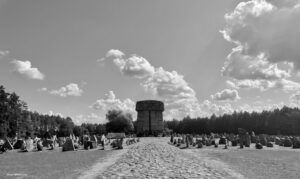
could not keep up were shot. Many bodies were left on the road. In Chęciny, the Jews were all crammed into freight cars and sent to the Treblinka extermination camp.
On the same day, German troops and an auxiliary unit murdered about 500 Jews, including Shmuel Zaltsman, the chairman of the Judenrat (Jewish council). Heniek Golde, one of the Boys, who had been brought from the ghetto in Płock was among those selected for slave labour.
Jewish Resistance
At the end of August 1942, information about the liquidation of the Kielce ghetto, as well as about the extermination camps in the Lublin district and the deportation of the inhabitants of the Warsaw Ghetto to the Treblinka extermination camp reached Chmielnik.
As a result, many of the Jews in Chmielnik tried to find shelter with the local Christians. Hundreds of people fled the city.
Contact was made with the Warsaw underground leaders and Chmielnik was twice visited by the resistance leader Mordecai Anielewicz, who came to help in the preparations for armed resistance. Because of the lack of arms, the underground could only show passive resistance, for which many were executed.
Aftermath
In Chmielnik, 72 Jews were selected to clean the former ghetto and bury the dead. Some of them were deported to Treblinka in November. Those in hiding who returned to the ghetto were also deported, some to the Kiece-HASAG labour camp. The final liquidation of the ghetto took place on 20 December 1942, when the last Jews from Chmielnik were deported to Sandomierz.
Memorialisation
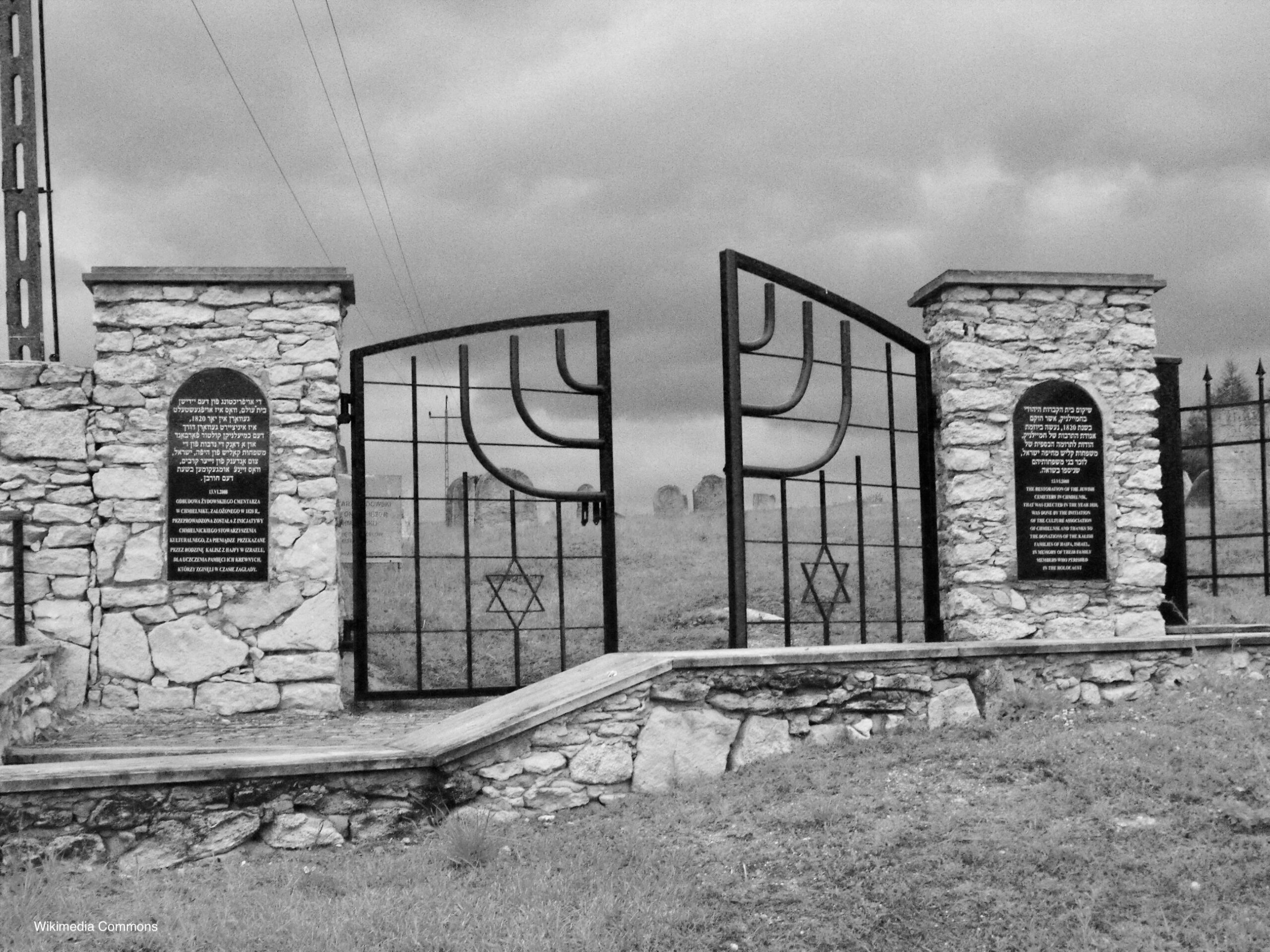
The synagogue has been renovated. It is now a memorial and museum.

 About
About History
 Education
 Quilts
 FIlms
FIlms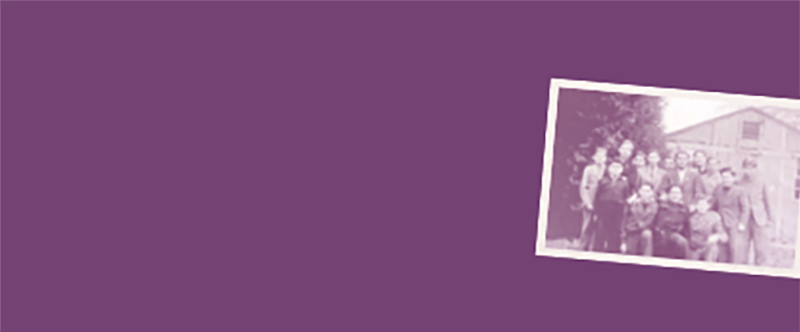 Photos
 News Media & Events
 Publications
 Donate