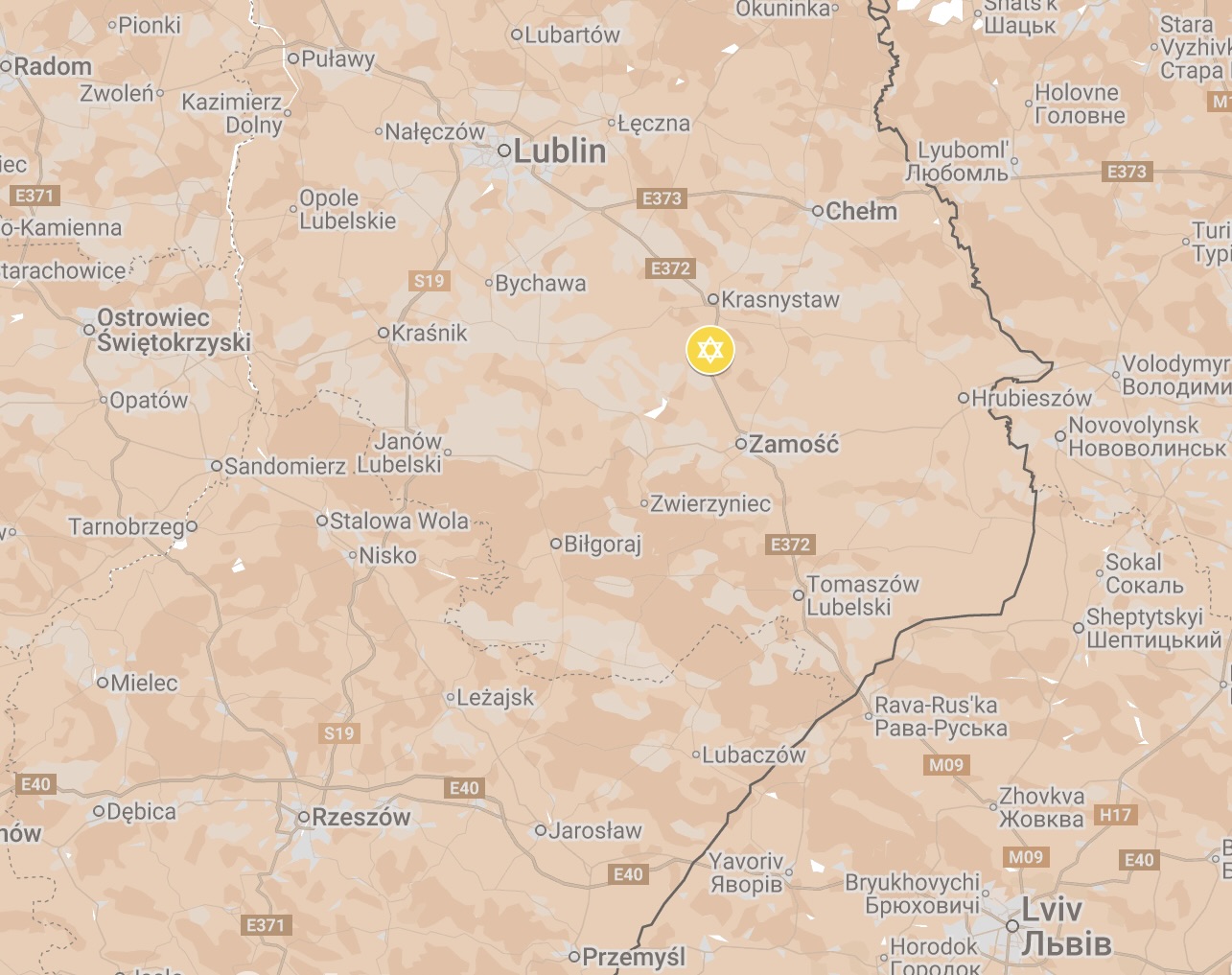
Members of the Boys were imprisoned in the Izbica Ghetto.
The Izbica Ghetto was one of a network of ghettos set up by Nazi Germany in which Jews were forced to live in occupied Poland. As with other ghettos in Czechoslovakia, Latvia, Lithuania and Poland, the Izbica Ghetto was established to contain the region’s Jews and isolate them from the rest of the population until the Nazi leadership could decide on an answer to the so-called “Jewish Question.”
The Boys and their families spent years living in dire conditions. The ghettos were not designed for the vast numbers of people forced to find space to live within them. As a result, multiple families shared cramped and insanitary accommodation.
The Boys were teenage and child-Holocaust survivors, who were brought to the UK after the war for rest and rehabilitation.
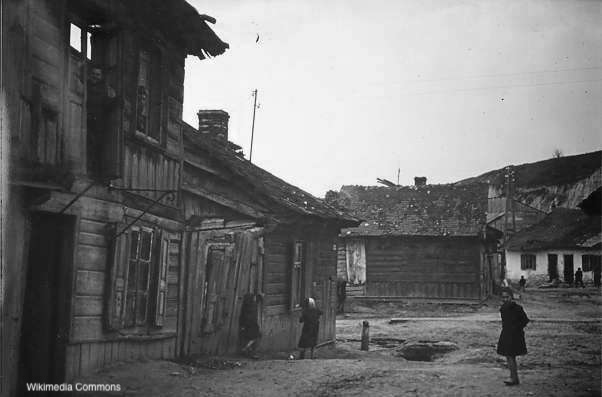
Izbica is 65km southeast of Lublin.
Overview
The ghetto was created in 1941, although the first transports of Jews from the German Reich started arriving there as early as 1940. Izbica was the largest transit ghetto in the Lublin reservation, with a death rate almost equal to that of the Warsaw Ghetto.
Between March and May 1942, approximately 12,000-15,000 Jews were deported to Izbica from across Europe.
Layout
The Jews who lived in Izbica were kept separate from the new arrivals. They were housed on the other side of the railway. The Jews deported from Germany and Austria were also differentiated from Polish Jews by the colour of the obligatory star of David – yellow for German and blue for the Polish Jews.
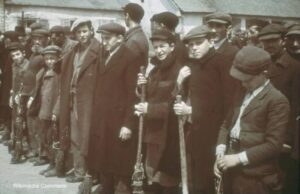
They were housed in a few wooden barracks which could accommodate about half of the prisoners. The rest were forced to subsist outside. Jews stayed in the barracks usually for no more than four days, with almost nothing to eat. Many victims succumbed to typhus due to poor sanitary conditions.
The Polish underground courier Jan Karski managed to record events in Izbica by entering the camp disguised as an Estonian guard. His evidence was brought out of occupied Poland and shown to the Allies by the Polish government-in-exile.
Deportations
Deportations were carried out in order to make space for the incoming transports, 2,200 local Jews were sent to the Bełżec death camp on 24 March 1942.
Mass Shootings
At the beginning November 1942, in a week of mass shooting, about 4,500 Jews were murdered in the Jewish cemetery.
Liquidation
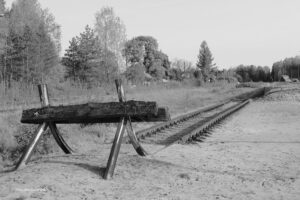
The ghetto was finally liquidated on 28 April 1943, when the remaining inhabitants were taken to the Sobibór extermination camp.
Memorialisation
There is a memorial in the former Jewish cemetery.
 About
About History
 Education
 Quilts
 FIlms
FIlms Photos
 News Media & Events
 Publications
 Donate