Members of the Boys were imprisoned in the Książ Wielki Ghetto.
The Książ Wielki Ghetto was one of a network of ghettos set up by Nazi Germany in which Jews were forced to live in occupied Poland. As with other ghettos in Czechoslovakia, Latvia, Lithuania and Poland, the Książ Wielki Ghetto was established to contain the region’s Jews and isolate them from the rest of the population until the Nazi leadership could decide on an answer to the so-called “Jewish Question.”
The Boys and their families spent years living in dire conditions. The ghettos were not designed for the vast numbers of people forced to find space to live within them. As a result, multiple families shared cramped and insanitary accommodation.
The Boys were teenage and child-Holocaust survivors, who were brought to the UK after the war for rest and rehabilitation.
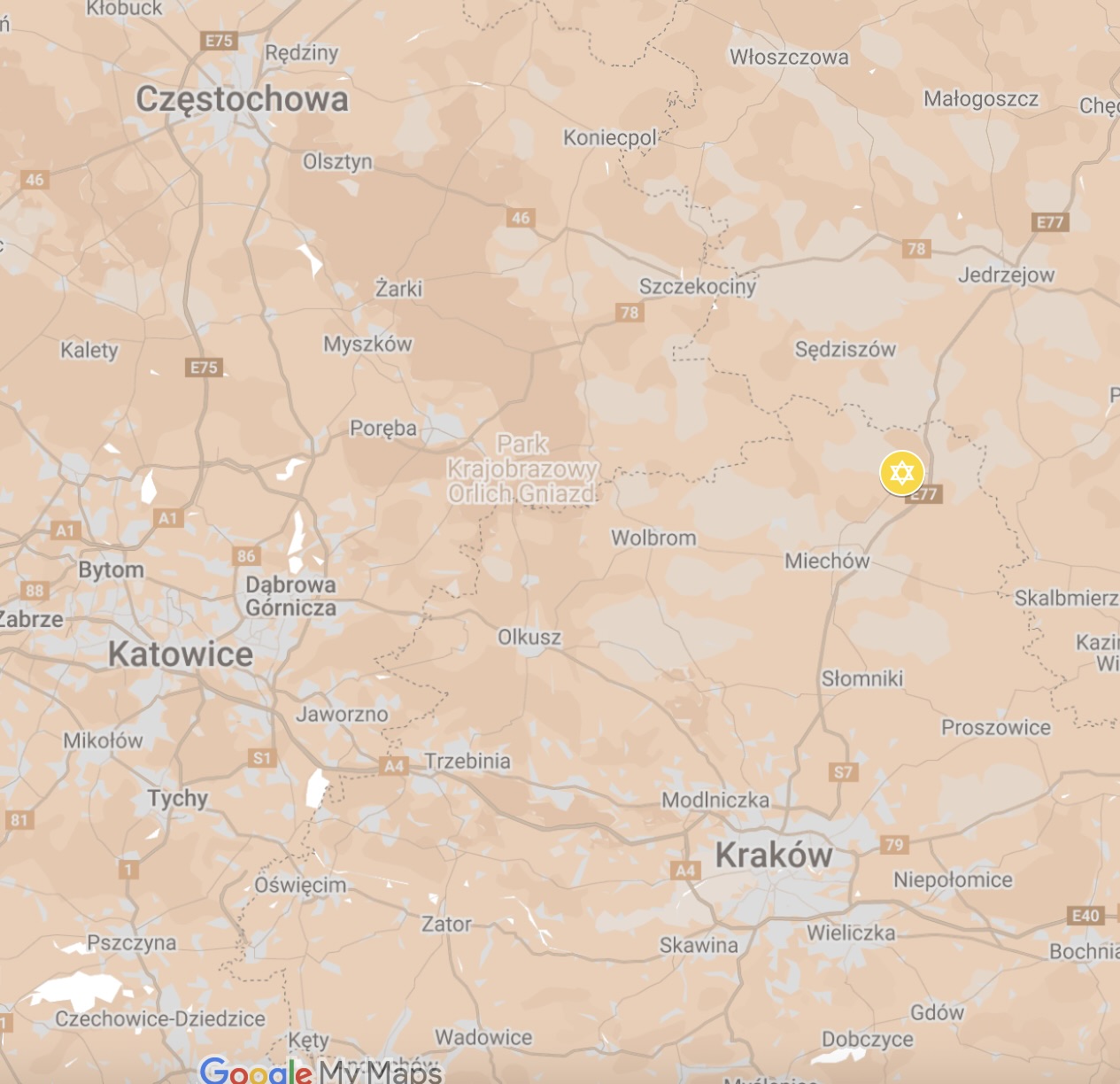
Little is known about the ghetto in Książ Wielki, which is a small town in southern Poland near Miechów.
The ghetto in Książ Wielki was established in 1941 and housed around 1,500 Jews.
On or around 15 August 1942, the Jews were rounded up and forced into the town square, where German and Ukrainian units conducted a selection.
The elderly and sick were shot on the spot or in nearby fields, while others were marched to the Miechów railway station.
The ghetto was liquidated on 29 August 1942.
The remaining population was deported primarily to the Bełżec extermination camp, where most were murdered on arrival.
A smaller number were temporarily held in the Proszowice Ghetto.
Some Jews went into hiding, among them Naftali Rosenweig, later a member of the Boys. Some of those caught were sent to Bełżec.
 About
About History
 Education
 Quilts
 FIlms
FIlms Photos
 News Media & Events
 Publications
 Donate