Members of the Boys were imprisoned in a network of ghettos by the Nazis across eastern Europe between 1939-45.
The Boys were teenage and child-Holocaust survivors, who were brought to the UK after the war for rest and rehabilitation.
The Boys and their families were forced to move from their homes and were held in ghettos in Nazi controlled Czechoslovakia, Latvia, Lithuania and Poland, where they spent years living in dire conditions. The ghettos were not designed for the vast numbers of people forced to find space to live within them. As a result, multiple families shared cramped and insanitary accommodation.
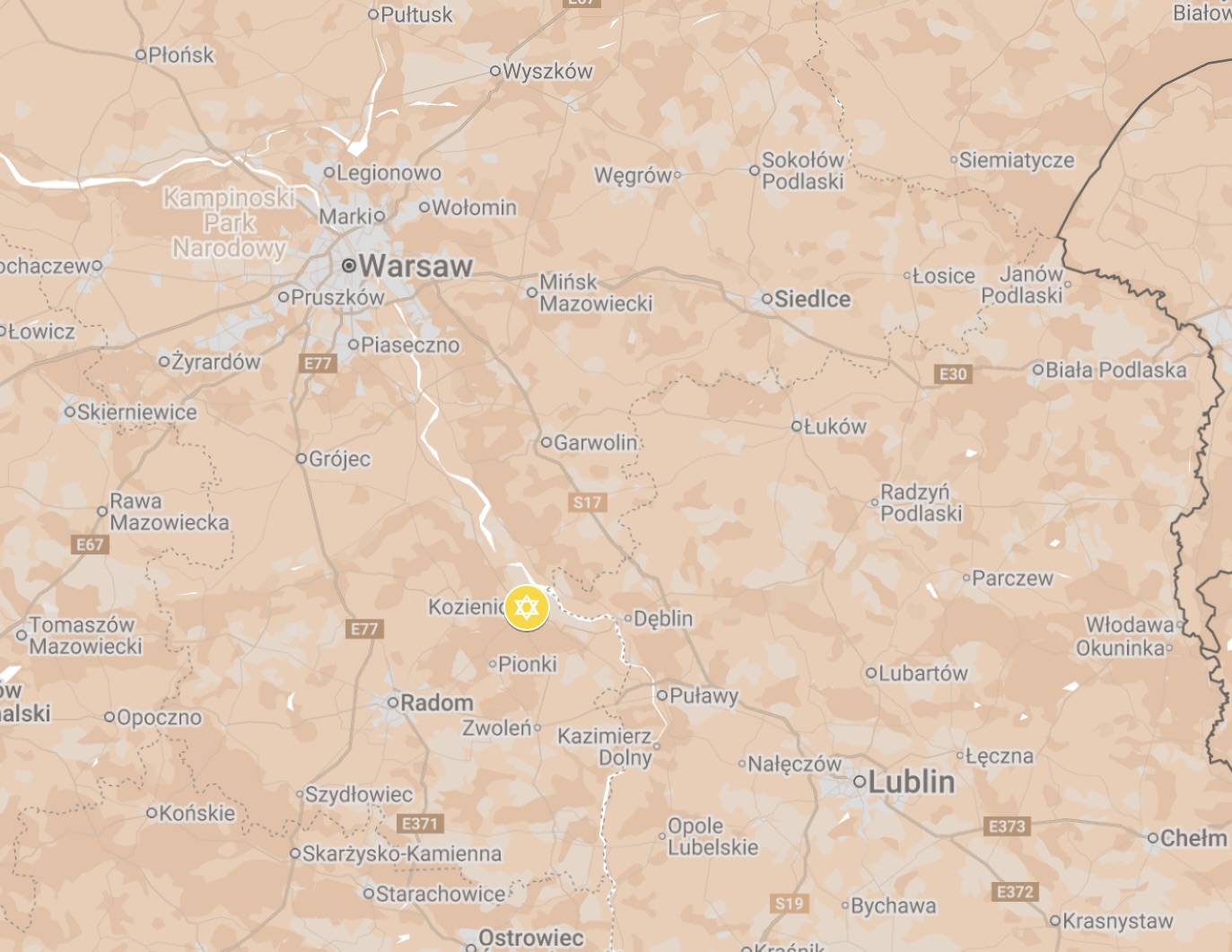
Kozienice is a town in eastern Poland.
Overview
The ghetto was established in Kozienice in December 1941 and was initially an open ghetto. The ghetto was sealed in May 1941. At its peak in August 1942, it held 8,000-13,000 Jewish people. The population swelled as Jews were brought into the ghetto from surrounding towns.
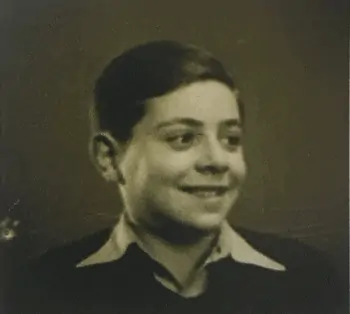
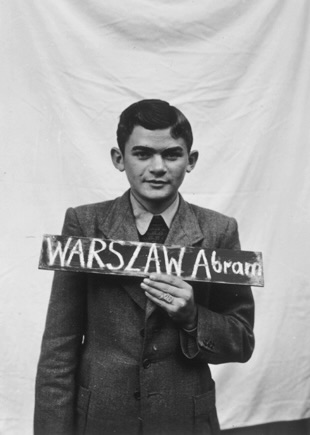
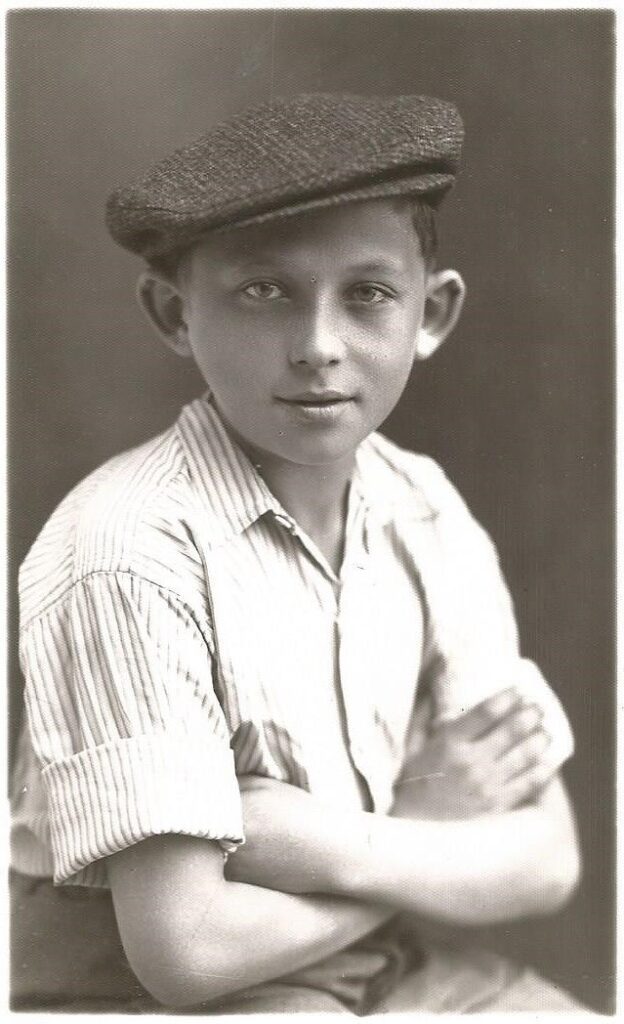
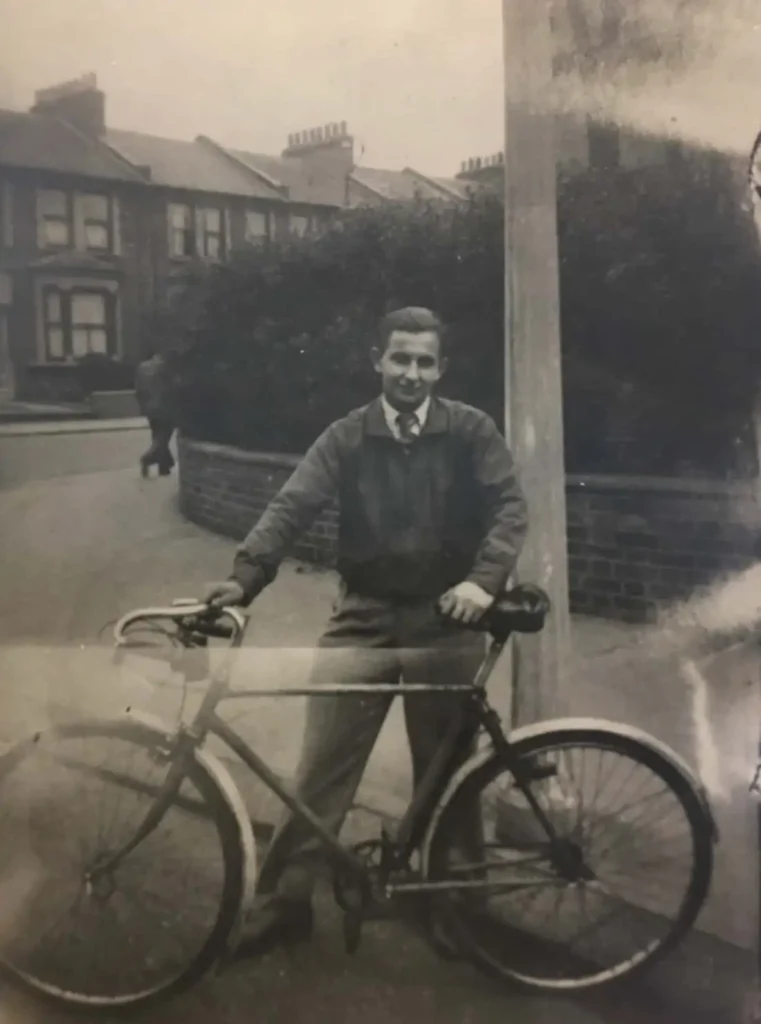
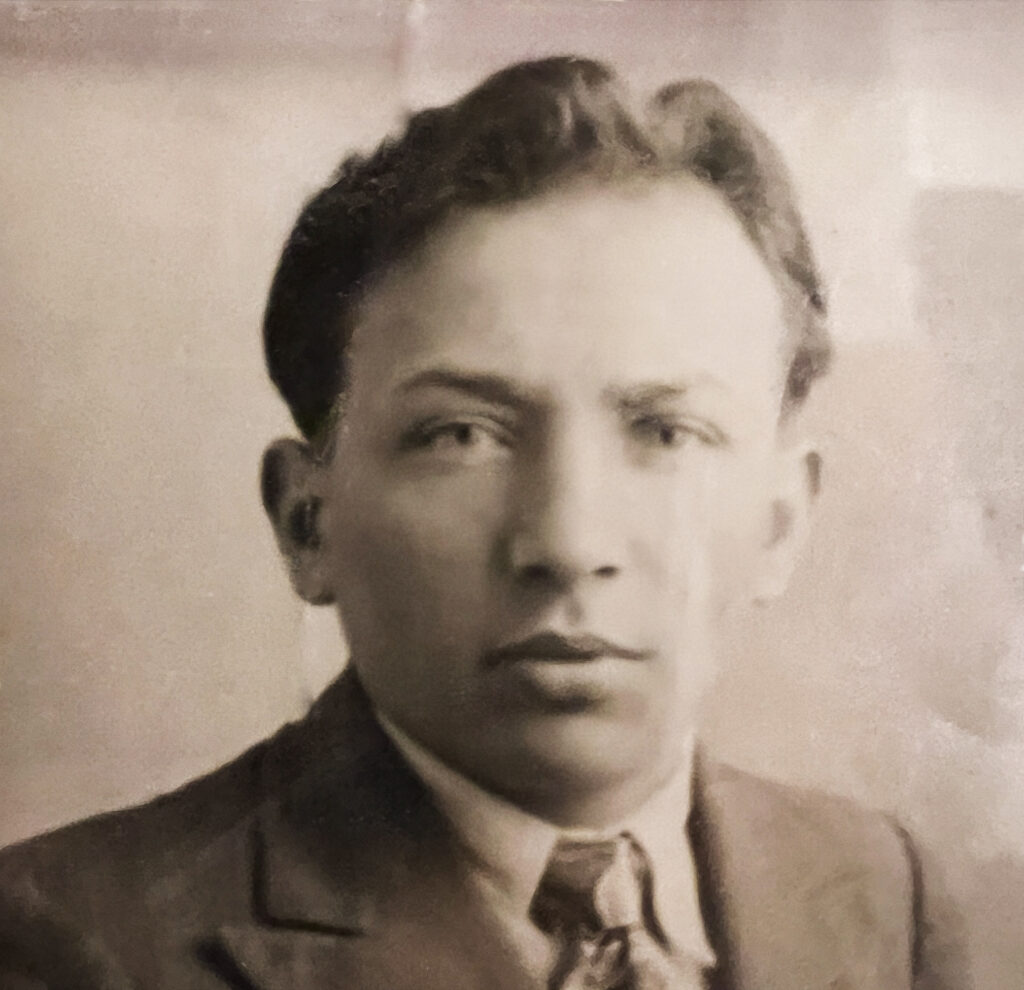
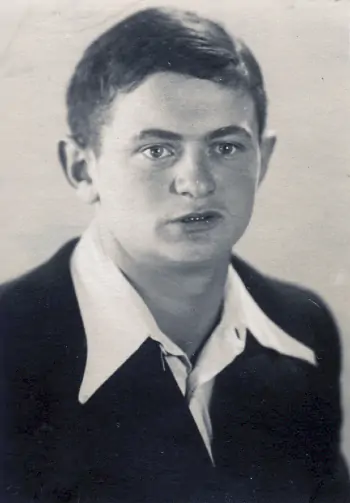
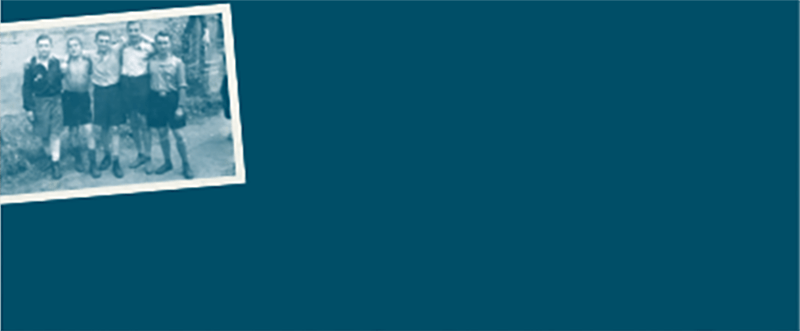
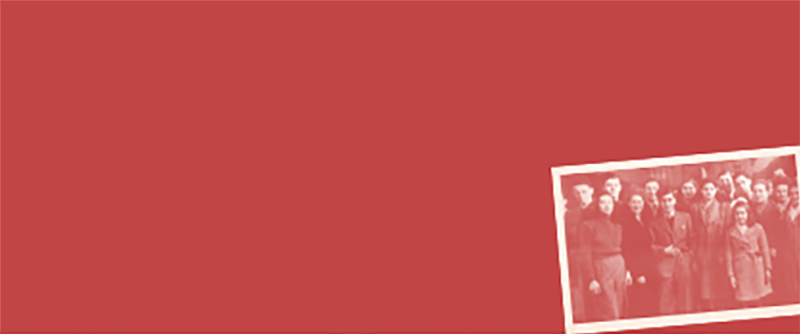
Some of the Boys held in the Kozienice Ghetto. The photographs were all taken after the liberation.
“The conditions in the Kozenice Ghetto were very difficult. The restrictions were very harsh; food was scarce, the possibilities to leave the Ghetto or return back were very, very dangerous, and the ’rounding-up’ of men to be sent to labour camps was taking place nearly everyday.”
Rotbaum, his brother and his father managed to sneak out of the ghetto to find food. He was was one one of these missions to find food when the ghetto was liquidated.
Josek Rotbaum, later Joseph Ribo, written testament 1995.
Liquidation
The liquidation of the ghetto took place on 27 September 1942. SS forces, gendarmerie and auxiliary units surrounded the ghetto area in the early morning hours. Jews were forced to gather on Targowa and Kościelna streets. They were allowed to take 15kg of luggage with them. Elderly people were loaded onto trucks. About 100 people, mostly sick or those who tried to escape, were shot on the spot.
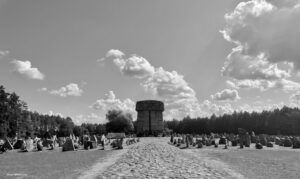
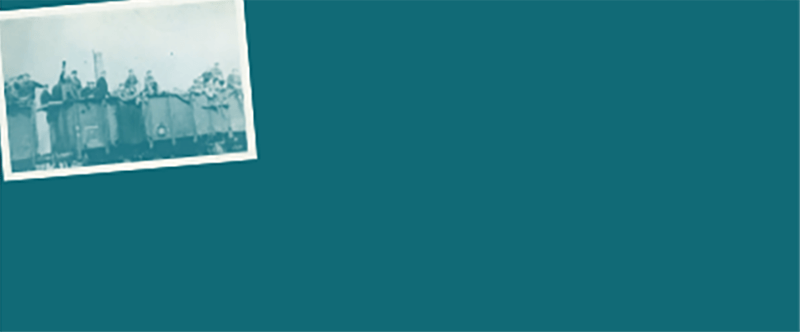
The Jews, lined up in columns, walked under escort to the railway station. There they were robbed of all their belongings. The first train to the Treblinka extermination camp set off in the afternoon, the second shortly afterwards. In total, 60 wagons were dispatched, each with 150 people. Between 9,000 to 13,000 Jewish people were sent to Treblinka to their deaths.
Aftermath
Several dozen men were left in the ghetto, who worked until December 1942 sorting the property of victims taken from the town. About 70 people from this group were then deported to the labour camp in Skarżysko-Kamienna. The stolen items of lesser value, such as bedding, furniture, shoes, were sold to Poles at auction. In the spring of 1943, many houses in which Jews had lived were demolished. The gravestones from the cemetery were used as pavement slabs in front of the Gestapo headquarters (the former rectory), and the cemetery area was razed to the ground.
In post-war Poland, several trials were held for crimes committed against the Jews of Kozienice.

 About
About History
 Education
 Quilts
 FIlms
FIlms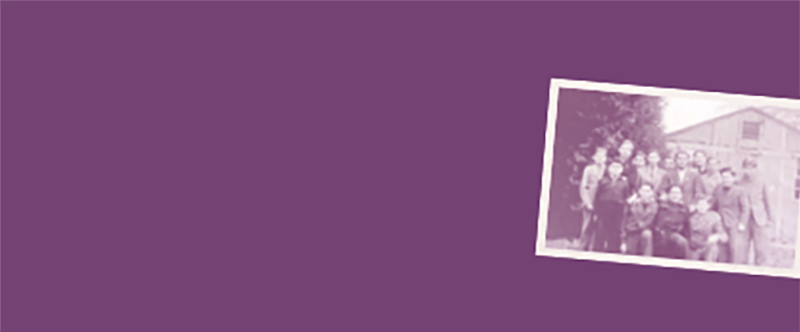 Photos
 News Media & Events
 Publications
 Donate