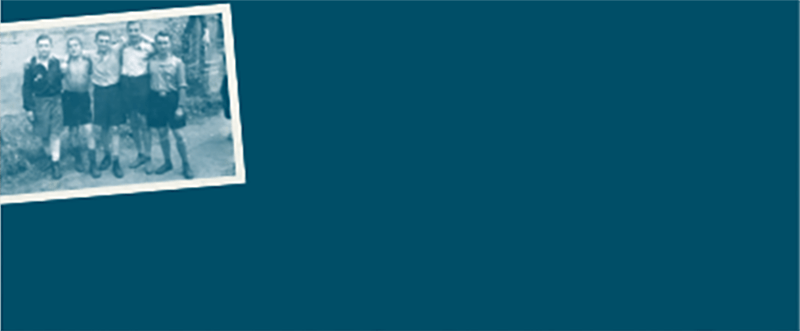
Members of the Boys were imprisoned in the Krosno Ghetto.
The Krosno Ghetto was one of a network of ghettos set up by Nazi Germany in which Jews were forced to live in occupied Poland. As with other ghettos in Czechoslovakia, Latvia, Lithuania and Poland, the Krosno ghetto was established to contain the region’s Jews and isolate them from the rest of the population until the Nazi leadership could decide on an answer to the so-called “Jewish Question.”
The Boys and their families spent years living in dire conditions. The ghettos were not designed for the vast numbers of people forced to find space to live within them. As a result, multiple families shared cramped and insanitary accommodation.
The Boys were teenage and child-Holocaust survivors, who were brought to the UK after the war for rest and rehabilitation.
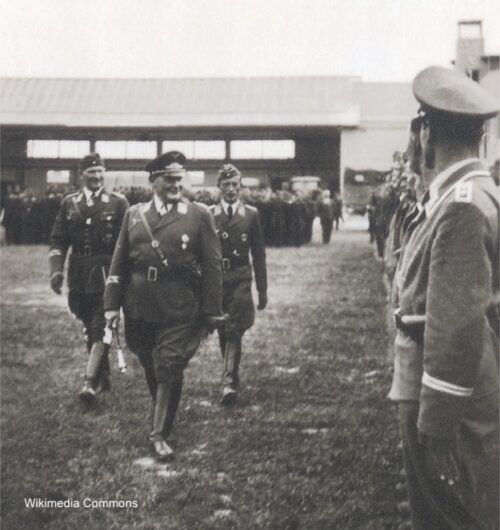
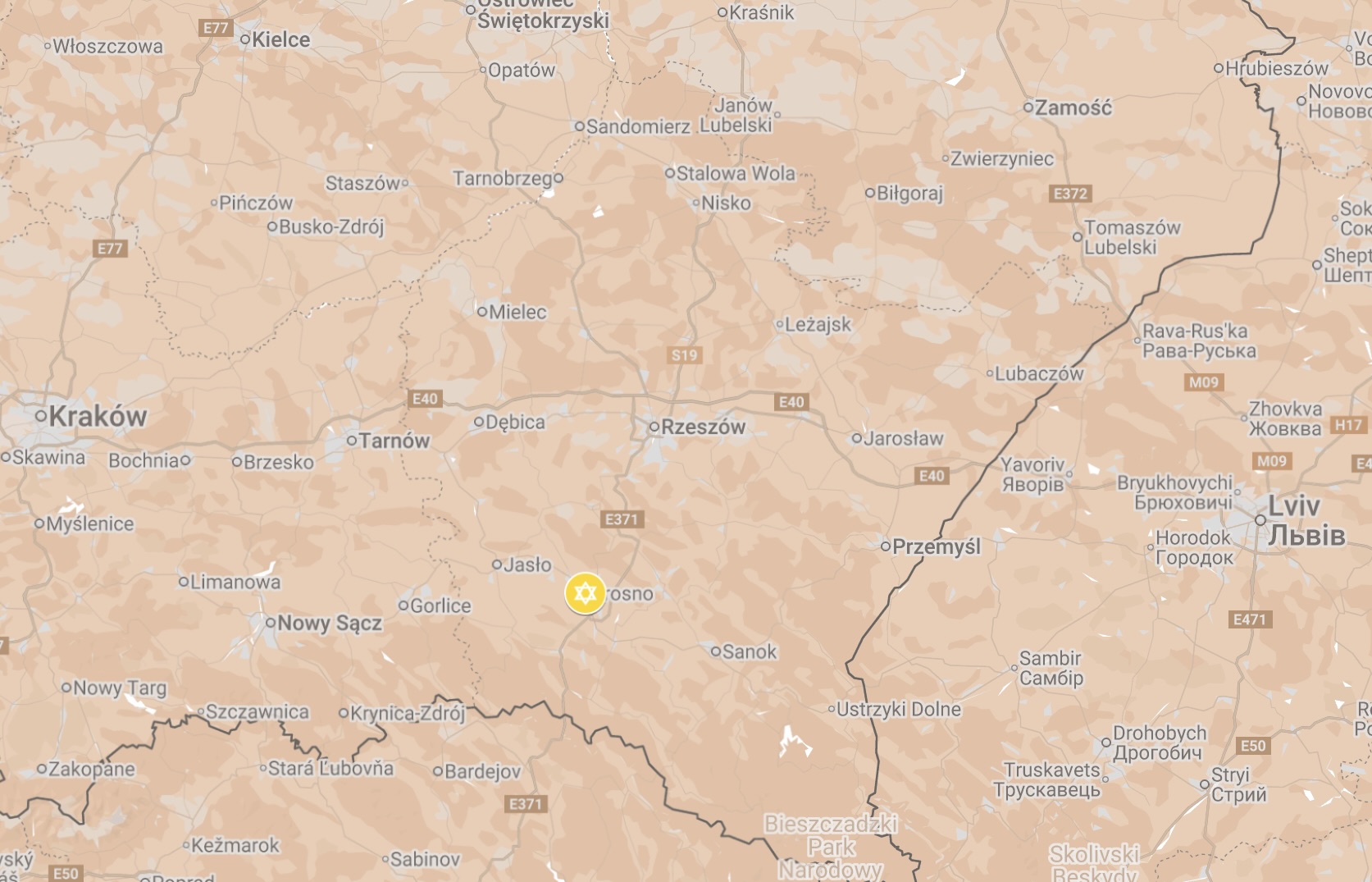
In May 1942, the Germans ordered the creation of a ghetto in Krosno in the Subcarpathian Voivodeship, in southeastern Poland.
The ghetto was to be located in four or five houses on Franciszkańska Street. Jews were allowed to exit the ghetto only with a permit.
Daily Life
The ghetto was extremely overcrowded and several families had to share a room. Food was short and disease spread rapidly.
Hiding Jews was very dangerous for both the Jew and the non–Jew. Some people saw an opportunity to make money and offered assistance only to denounce the family after they received the money. Still others built hiding places while some Jewish women tried to get so–called “Aryan’ papers to be able to volunteer for work in Germany.
From 28 August 1942 to 27 January 1944, the Luftwaffe, the German airforce, operated a forced labor camp in Krosno. After its liquidation, the people working in the camp were sent to Szebnia forced labour camp.
Deportations
The first deportation took place in early August on the Jewish holiday of Tisha B’Av. Jewish holidays were deliberately chosen by the Nazis for deportations and mass shootings. Jews were ordered to gather at Targowica Square, a large plaza used as the cattle market, located near the railway station on Koleiowa Street. The Nazis selected about 600 young women and men considered fit for work. 120 sick and weak were murdered in a nearby forest. The remaining 1,000 Jews were deported to the extermination camp in Bełżec. The Germans then began searching for Jewish fugitives in hiding.
Liquidation
The Krosno Ghetto was liquidated on 4 December 1942, the first day of the Jewish holiday of Hanukkah. Members of the Order Police, the Armed SS, along with Polish and Ukrainian police surrounded the city. About 300 people were ordered to gather on Franciszkańska Street. Twenty-five people were left behind, and all the rest were sent to the Rzeszów Ghetto. The area was also searched and those caught were murdered. People caught immediately after the ghetto liquidation were shot in the synagogue.
Memorialisation
Events are held to commemorate the Jews of Krosno.
 About
About History
 Education
 Quilts
 FIlms
FIlms Photos
 News Media & Events
 Publications
 Donate