Members of the Boys were imprisoned in a network of ghettos by the Nazis across eastern Europe between 1939-45.
The Boys were teenage and child-Holocaust survivors, who were brought to the UK after the war for rest and rehabilitation.
The Boys and their families spent years living in dire conditions. The ghettos were not designed for the vast numbers of people forced to find space to live within them. As a result, multiple families shared cramped and insanitary accommodation.
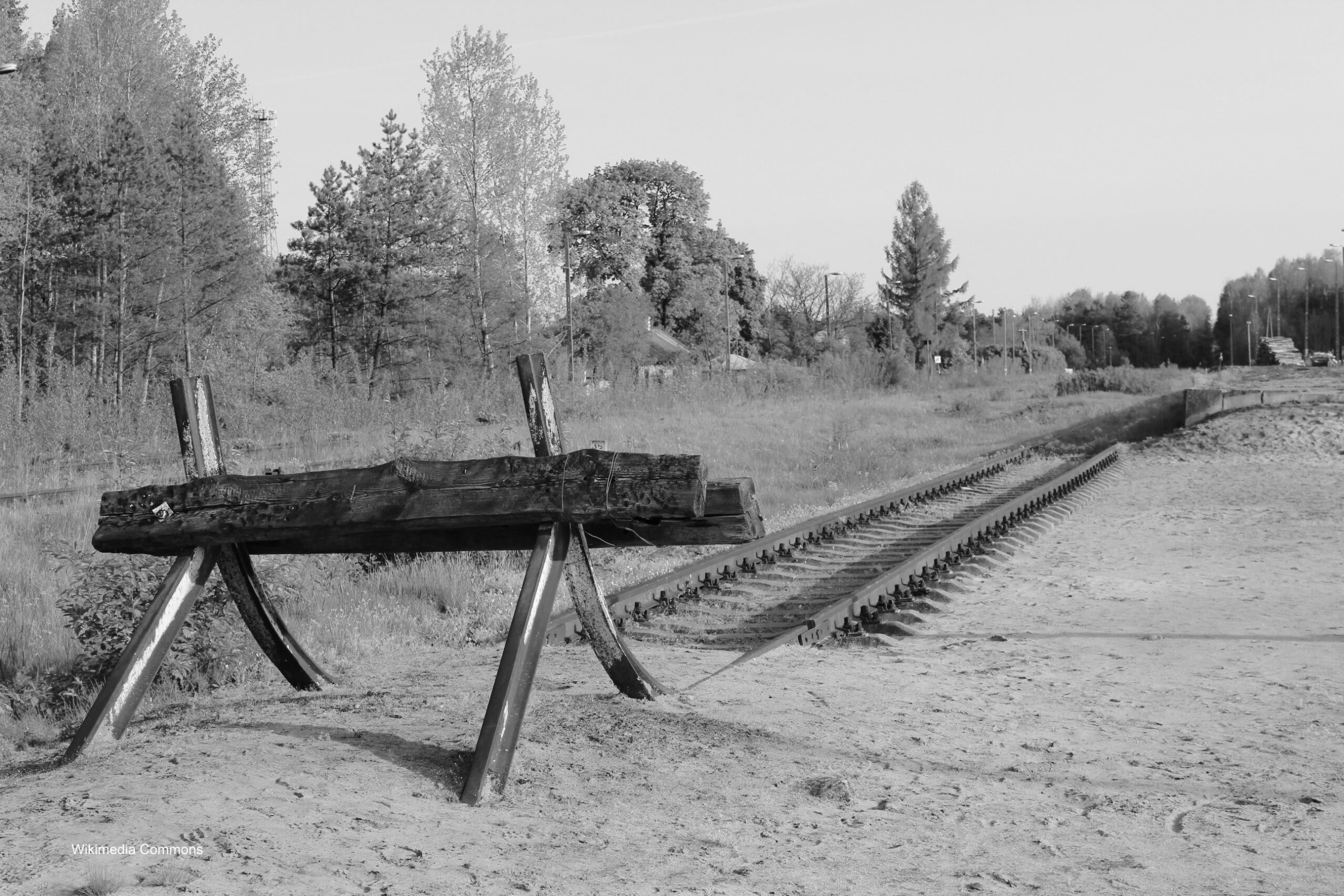
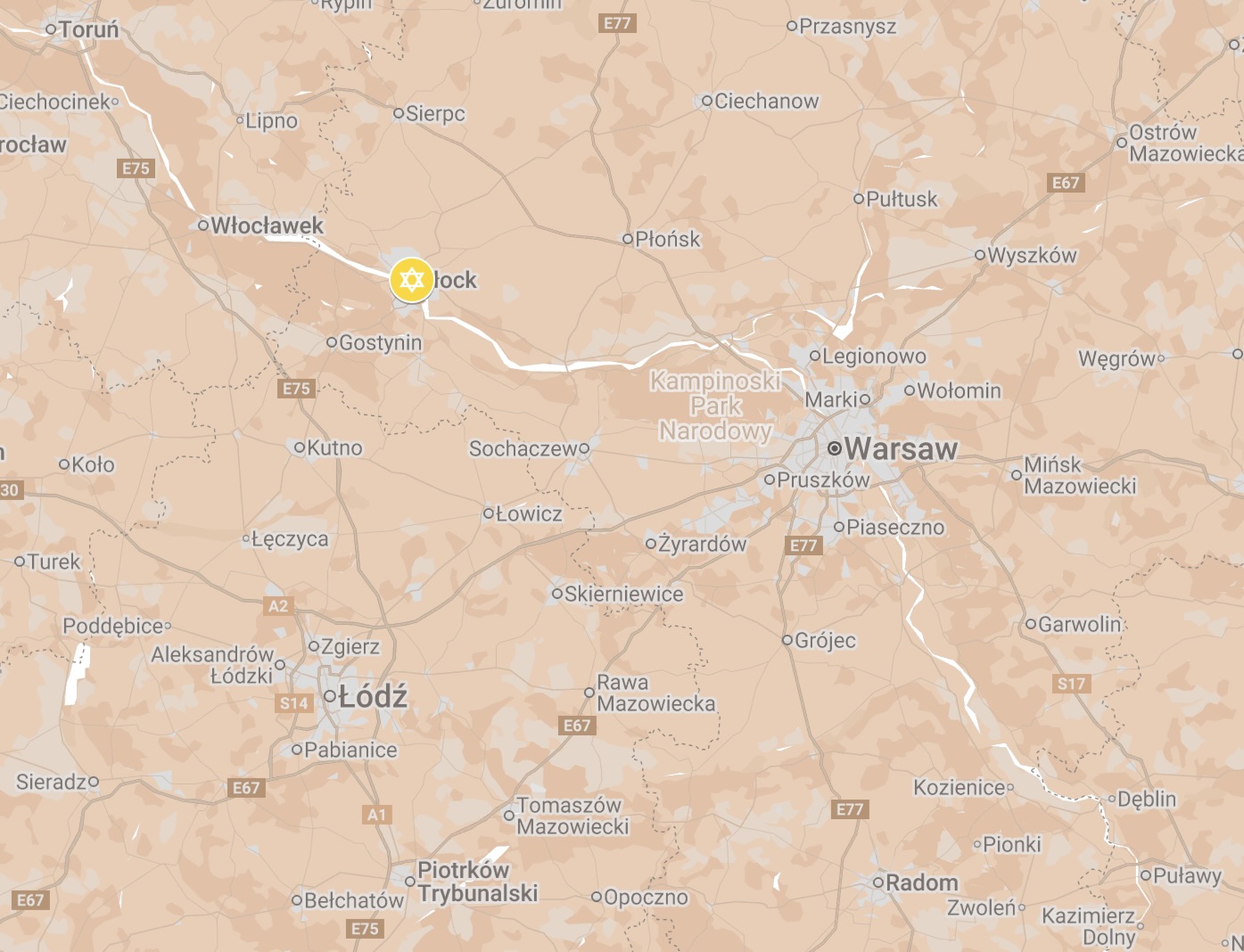
Płock is today a city in central Poland, on the Vistula river, in the Masovian Voivodeship. On the eve of World War II, around 10,000 Jews resided in Płock. To find out more about the region and the Boys who grew up there click here.
Overview
When Germany invaded Poland in September 1939, the city of Płock was annexed into the Third Reich. Persecution of the Jews began immediately. The Germans renamed the city Schröttersburg in 1941. A ghetto was set up in Płock in September 1940.
Layout
The ghetto was located on Synagogalna Street, Szeroka Street, and part of Bielska Street. Up to ten people shared each room. Medical supplies were inadequate and diseases spread rapidly.
The working conditions for the Jewish laborers were appalling. For example, those who worked for the Gendarmerie and the SS were abused and tortured, one group having swastikas carved into their backs.
Liquidation
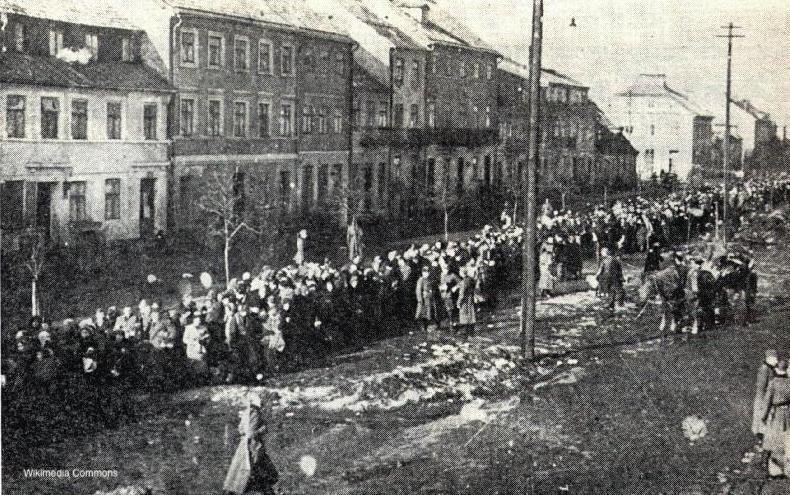
The ghetto was liquidated in February 1941. On the night of 20-21 February 1941, the SS and Schupo began carrying out an operation codenamed “Tempo”. The ghetto area was surrounded and the deportation of Jews from Płock began. In the morning of 21 February 1941, Jews were ordered to gather on Kwiatka Street and on the section between the old synagogue and Bielska Street. Sick and disabled people were killed on the spot.
In the afternoon, about 4,000 were transported by trucks to the labour camp in Działdowo. The last deportation took place on 1 March 1941. About 6,000 people were also deported to labour camps in Działdowo, Kielce, Radom and Skarżysko Kamienna.
Jewish Resistance
A number of Płock Jews were active members of resistance movements. Simcha Guterman fell during the Warsaw Uprising in August 1944. Tova Biatus was an active member of Ha-Shomer Ha-Za’ir in the underground movement near Chmielnik; he died in a clash with the Germans. Płock Jews also were instrumental in the Treblinka and Sobibór uprisings.
Aftermath & Memorialisation
By the war’s end, only 300 Jewish residents were known to have survived. Commemorative plaques in Płock and a monument at the site of the former synagogue honour the victims. For information on visiting Masovian Voivodeship click here.
 About
About History
 Education
 Quilts
 FIlms
FIlms Photos
 News Media & Events
 Publications
 Donate