Members of the Boys were imprisoned in a network of ghettos by the Nazis across eastern Europe between 1939-45.
The Boys and their families were forced to move from their homes and were held in ghettos in Nazi controlled Czechoslovakia, Latvia, Lithuania and Poland, where they spent years living in dire conditions. The ghettos were not designed for the vast numbers of people forced to find space to live within them. As a result, multiple families shared cramped and insanitary accommodation.
The Boys were teenage and child-Holocaust survivors, who were brought to the UK after the war for rest and rehabilitation.
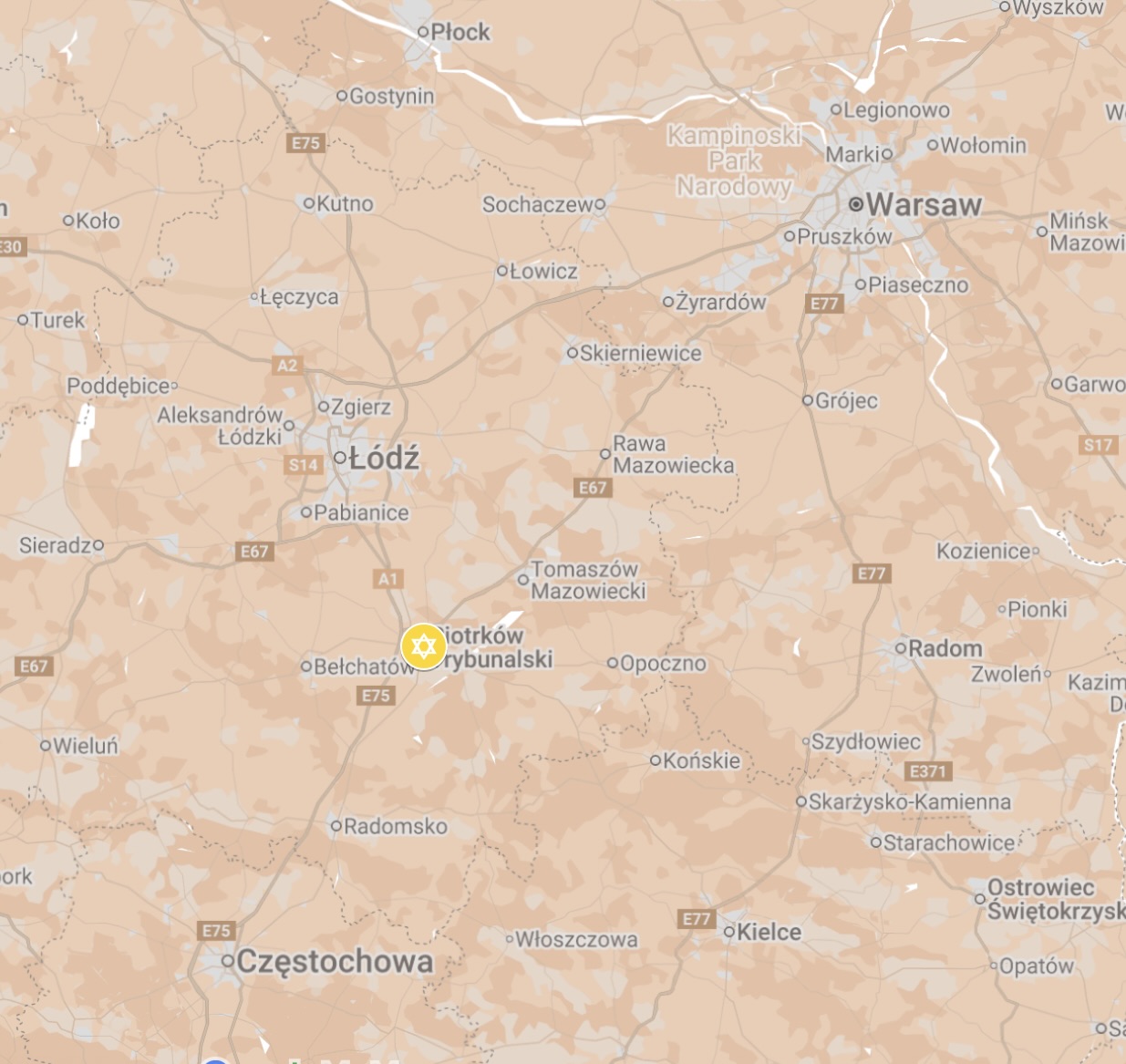
Piotrków Trybunalski, often simplified to Piotrków, is a city in central Poland. To find out more about Piotrków and the Boys who grew up there click here.
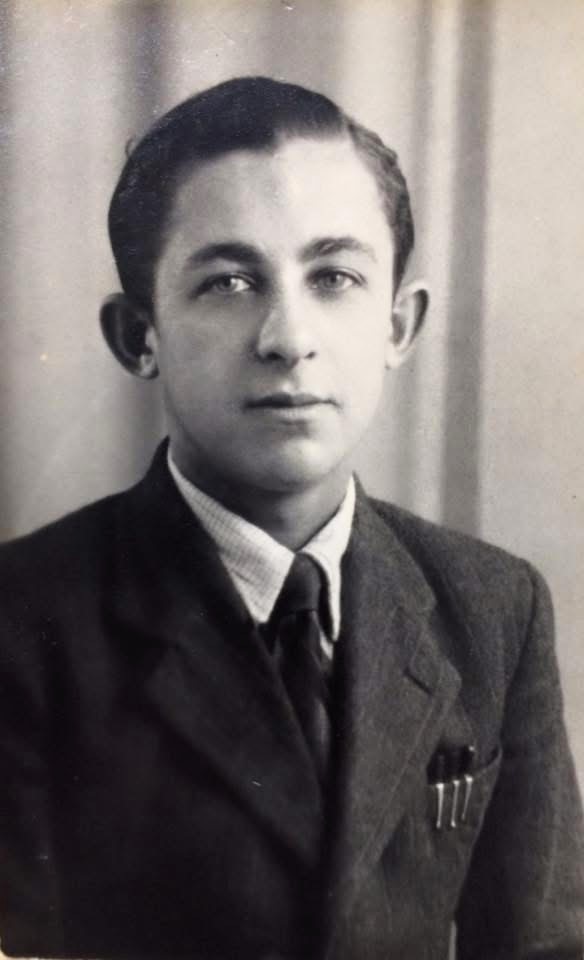
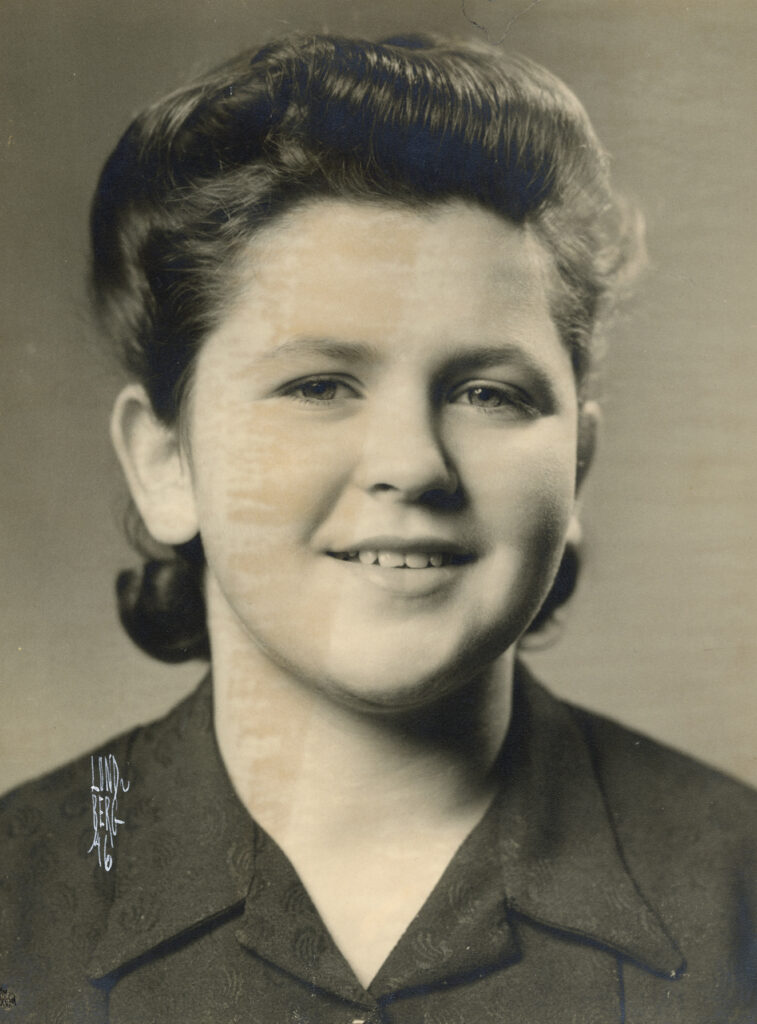
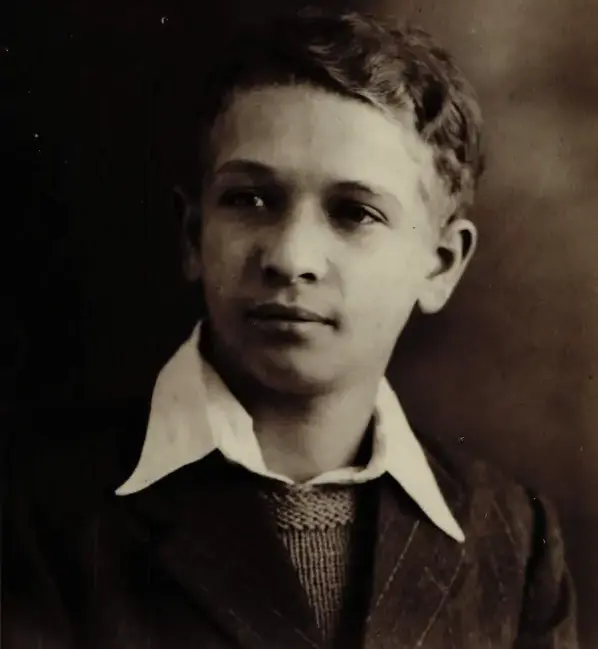
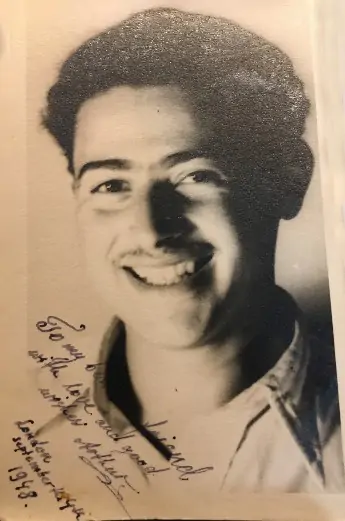
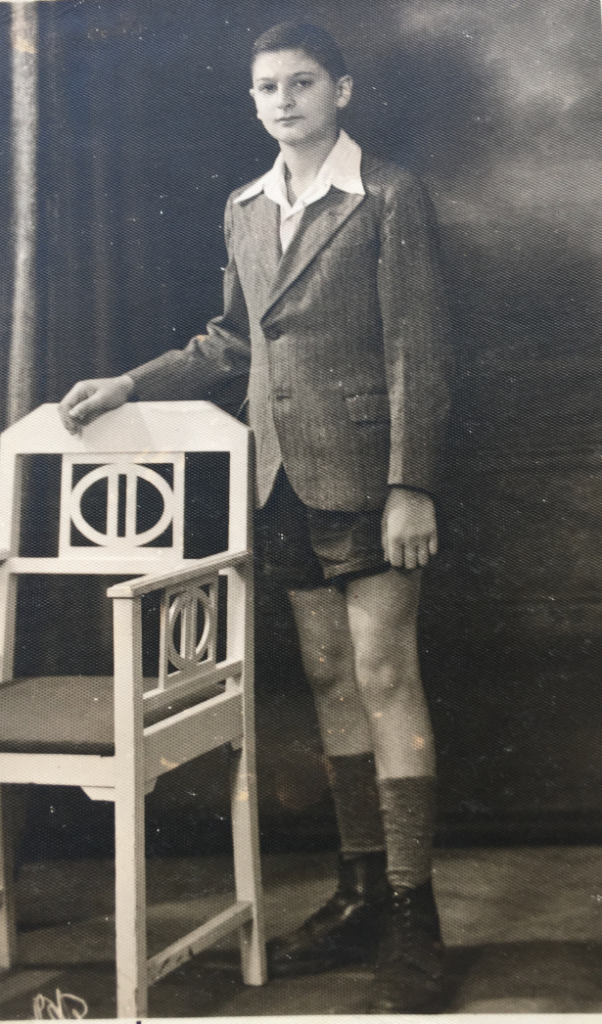
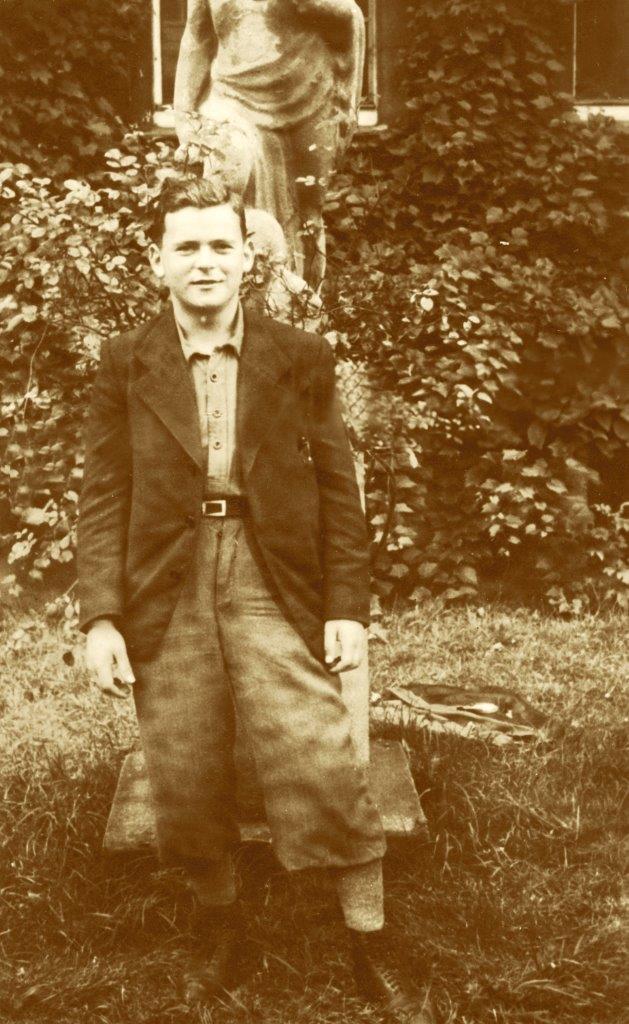
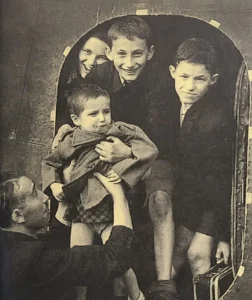
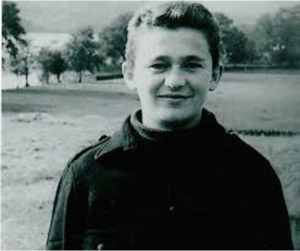
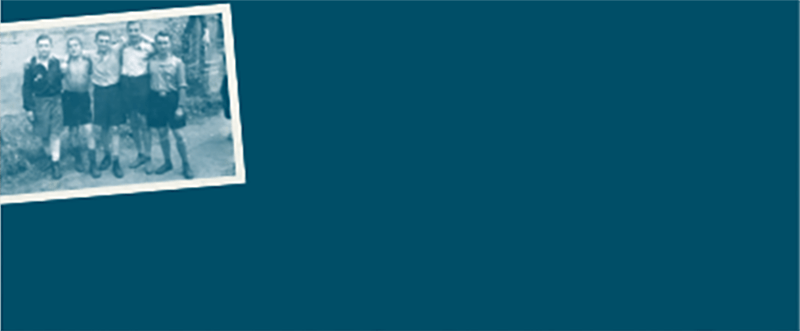
Some of the Boys who were imprisoned in the Piotrków Ghetto. The photographs were all taken after the liberation.
Overview
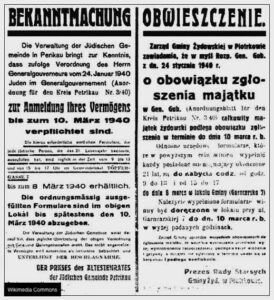
The Piotrków Ghetto was the first Jewish ghetto set up in Nazi-occupied Poland.
It operated from 8 October 1940-29 October 1942.
Approximately 25,000 Jews living in Piotrków and the surrounding villages were resettled to the Piotrków Ghetto.
This resulted in extreme over crowding especially when the ghetto boundaries were reduced in February 1942.
Layout
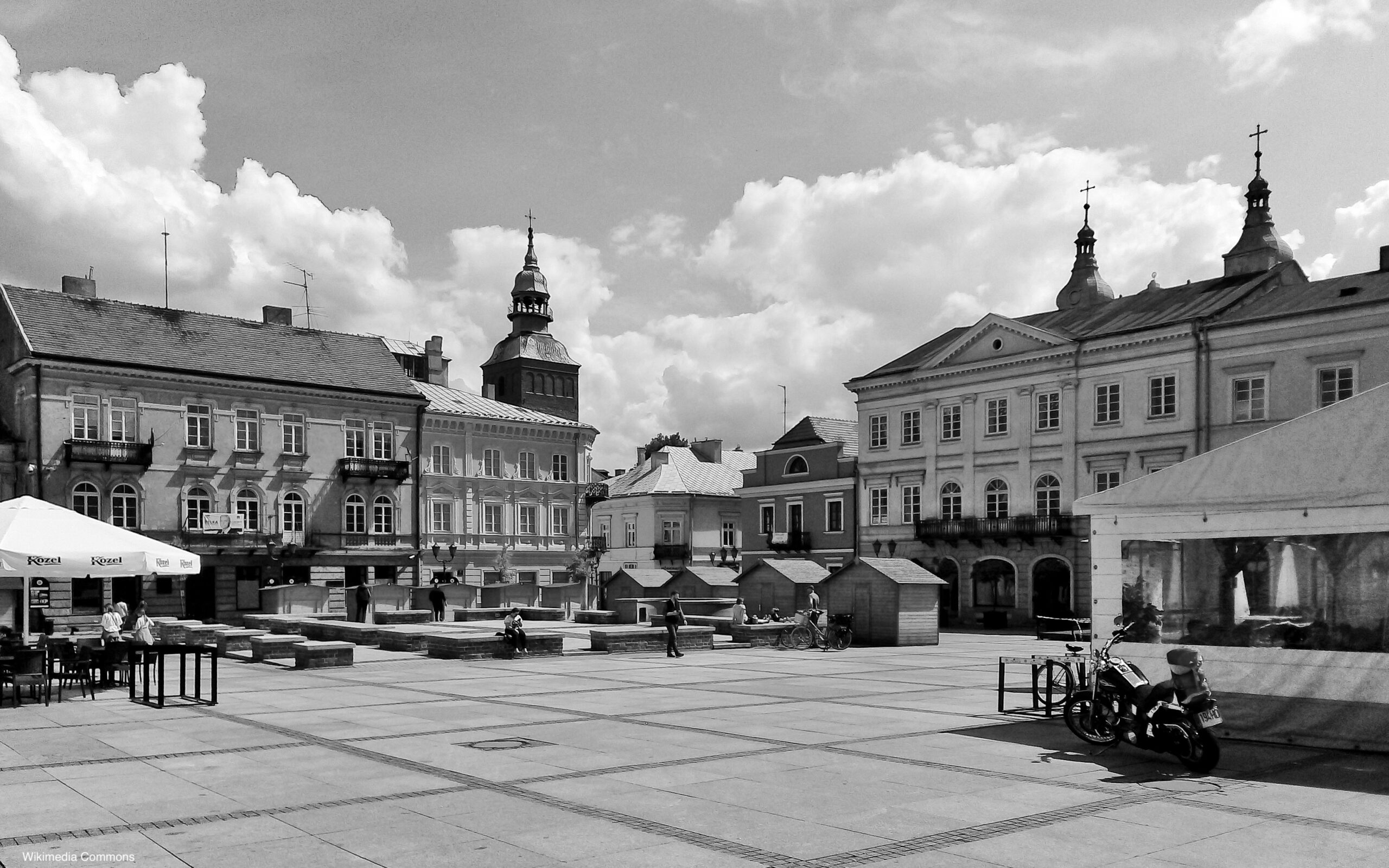
The area of the ghetto initially included the Old Town Square and the surrounding streets. It was an open ghetto. The boundaries of the Piotrków ghetto were marked only by blue boards measuring 40 × 60 cm with a black “skull” and a white inscription “Ghetto”, which were put up in November 1939.
“There would be no further education for me or for the other children in the Ghetto. For the next six years there would be no schooling. I could read and write in Polish, but that was it. In spite of the danger, some brave teachers set up some illegal schools and continued to teach.
Life in the Ghetto over time became much more difficult. We were only allowed to leave the Ghetto for two hours, and we had to be off the streets by five in the afternoon. When five o’clock came, the streets were deserted. I could see people rushing to be in their houses when five o’clock struck. Signs were posted everywhere prohibiting Jews from normal activities such a walking on sidewalks. Jews who were caught after that hour were shot. It seemed like there was one punishment – death.”
Sidney Finkel, Sevek and the Holocaust: The Boy who Refused to Die (2006).
Daily Life
Jewish life was severely curtailed. For children there was no schooling. Food was extremely scarce and disease soon spread in the overcrowded conditions.
Liquidation
Deportations began on 14 October 1942. By 21 October, the Germans had deported about 22,000 people to the extermination camps in Treblinka and Majdanek.
“In the summer of ’42 we began to hear that deportations were taking place in different parts of the General Government. There were all kinds of rumours. The official explanation was that the Jews were being resettled in the conquered Russian areas, but there were many who were talking about extermination camps. On October 14 early in the morning a general curfew was declared and we knew that the ghetto was going to be deported. An announcement was made that all those who worked in the factories outside the ghetto including Hortensia should leave their homes and meet outside the synagogue. I refused to leave my family, but my mother to me to go, I refused, and then she physically pushed me out of the house. Her last word to me were ‘at least let one of our family survive’. I still can’t get over the strength and courage it must have taken for her to push me out but she obviously had a premonition of what was going to happen.”
The ghetto prisoners were herded to the barracks square on Jerozolimska Street, where selections were made. Jews were formed into 1,000-person transports, which were taken to the extermination site in Treblinka. Those who failed to show up at the assembly point were killed on the spot. The sick in the hospital and all the children from the orphanage were also murdered. Witnesses to these events later reported that infants were burned in metal basins in front of the synagogue.
After the main action was over, the search for Jews who were still in hiding began. Those found were still gathered in the synagogue. On 19-20 November 1942, they were shot in the Raków forest.
Mala Tribuch describes the murder of her mother and younger sister in November 1942 after the family returned to the ghetto from being in hiding:
Aftermath
About 3,000 Jews remained alive. A small ghetto, which functioned like a labour camp was established. The Jews in the ghetto worked in the Horstensia Glass factory and the Bugaj timber yards. On 25 February 1943, 250 of them were taken to the ammunition factory in Skarżysko Kamienna.
Mala Tribich describes the liquidation of the small ghetto:
The labour camp was liquidated in December 1944 or January 1945, as the Red Army approached the city. The remaining Jews were taken to the Buchenwald concentration camp.
Memorialisation
There is a memorial in the Raków forest and the New Jewish Cemetery. The synagogue has been restored and is now the public library. To find out more about visiting Piotrków click here.
 About
About History
 Education
 Quilts
 FIlms
FIlms Photos
 News Media & Events
 Publications
 Donate