Members of the Boys were imprisoned in a network of ghettos by the Nazis across eastern Europe between 1939-45.
The Boys were teenage and child-Holocaust survivors, who were brought to the UK after the war for rest and rehabilitation.
The Boys and their families were forced to move from their homes and were held in ghettos in Nazi controlled Czechoslovakia, Latvia, Lithuania and Poland, where they spent years living in dire conditions. The ghettos were not designed for the vast numbers of people forced to find space to live within them. As a result, multiple families shared cramped and insanitary accommodation.
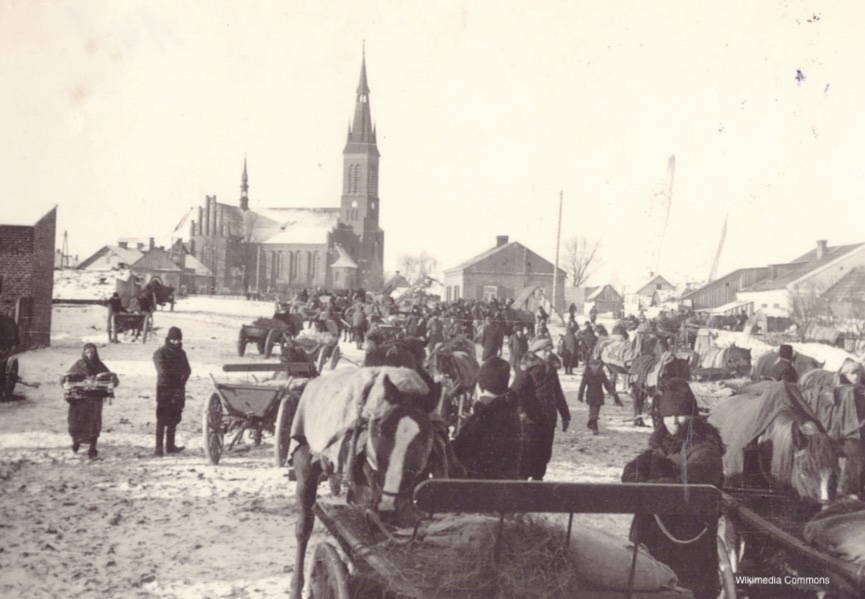
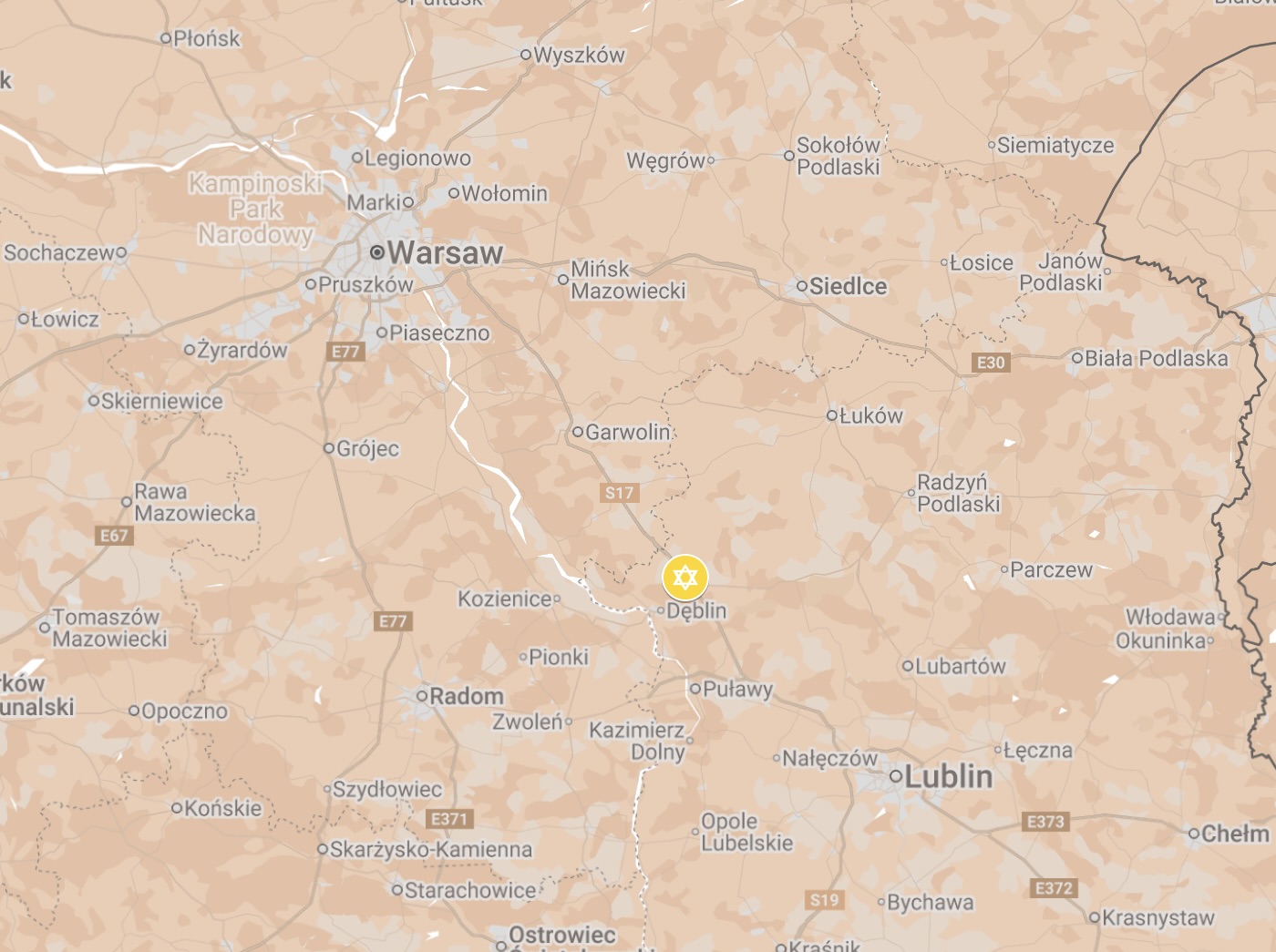
Ryki is a town in the Lublin Voivodeship in eastern Poland. To find out more about the region and the Boys who grew up there click here.
Overview
In January 1940, a Judenrat (Jewish council) was established. At the turn of October and December 1940, 399 displaced Jews from Mława and the surrounding area were also brought to the town. Some 880 Polish Army soldiers of Jewish origin were resettled in Ryki between December 1940 and March 1941.
The ghetto in Ryki was set up between January and March of 1942.
Layout
Ryki had been badly bombed during the German invasion and the ghetto was located in an area that had suffered the worst destruction – the old Jewish district surrounding the market square. A first it was an open ghetto but it was soon fenced in with barbed wire. The ghetto had a library, which served as a cultural centre.
Daily Life
Overcrowding combined with terrible sanitary conditions led to an epidemic of typhus in April 1941 and trachoma in August 1941.
The able bodied Jews in the ghetto were employed by local and German companies.
Liquidation
On the night of 6-7 May 1942, the SS arrived in Ryki and surrounded the ghetto. At dawn they were joined by Polish police. The Jews were ordered to gather in the market square and surrender all their valuables. Those who resisted were beaten or shot. Between 30-70 men were selected for slave labour.
The Jews were then forced to line up. The elderly and small children were loaded into carts and the group was forced to walk 13km to Dęblin, between 130 and 150 people were shot on the march.
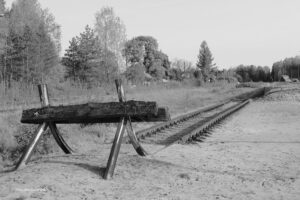
At the station in Dęblin, a further 200 Jewish young men who were selected for slave labour with the Luftwaffe. The remaining 1,500-2,466 Jews were deported to the Sobibór extermination camp, and 80 people taken to the Majdanek concentration camp.
Jews working in the Stawy labour camp during the liquidation were sent to the Sobibór extermination camp on 8 May.
Aftermath
On July 22, 1944, the day the Red Army liberated Lublin, prisoners from the labor camp in Dęblin, including the Jews working there, were transferred to Częstochowa.
Between 50 and 70 Jews from Ryki survived the war.
Memorialisation
In nearby Zalesie there is a monument in honour of 11 Ryki Jews who were murdered during the war and escapees from the local ghetto. The information board at the site of the former Jewish cemetery has been damaged several times. To find out about visiting the region click here.
 About
About History
 Education
 Quilts
 FIlms
FIlms Photos
 News Media & Events
 Publications
 Donate