Members of the Boys were imprisoned in the Huszt Ghetto.
The Huszt Ghetto was one of a network of ghettos set up by Nazi Germany after Germany invaded Hungary in March 1944.
The Boys were teenage and child-Holocaust survivors, who were brought to the UK after the war for rest and rehabilitation.
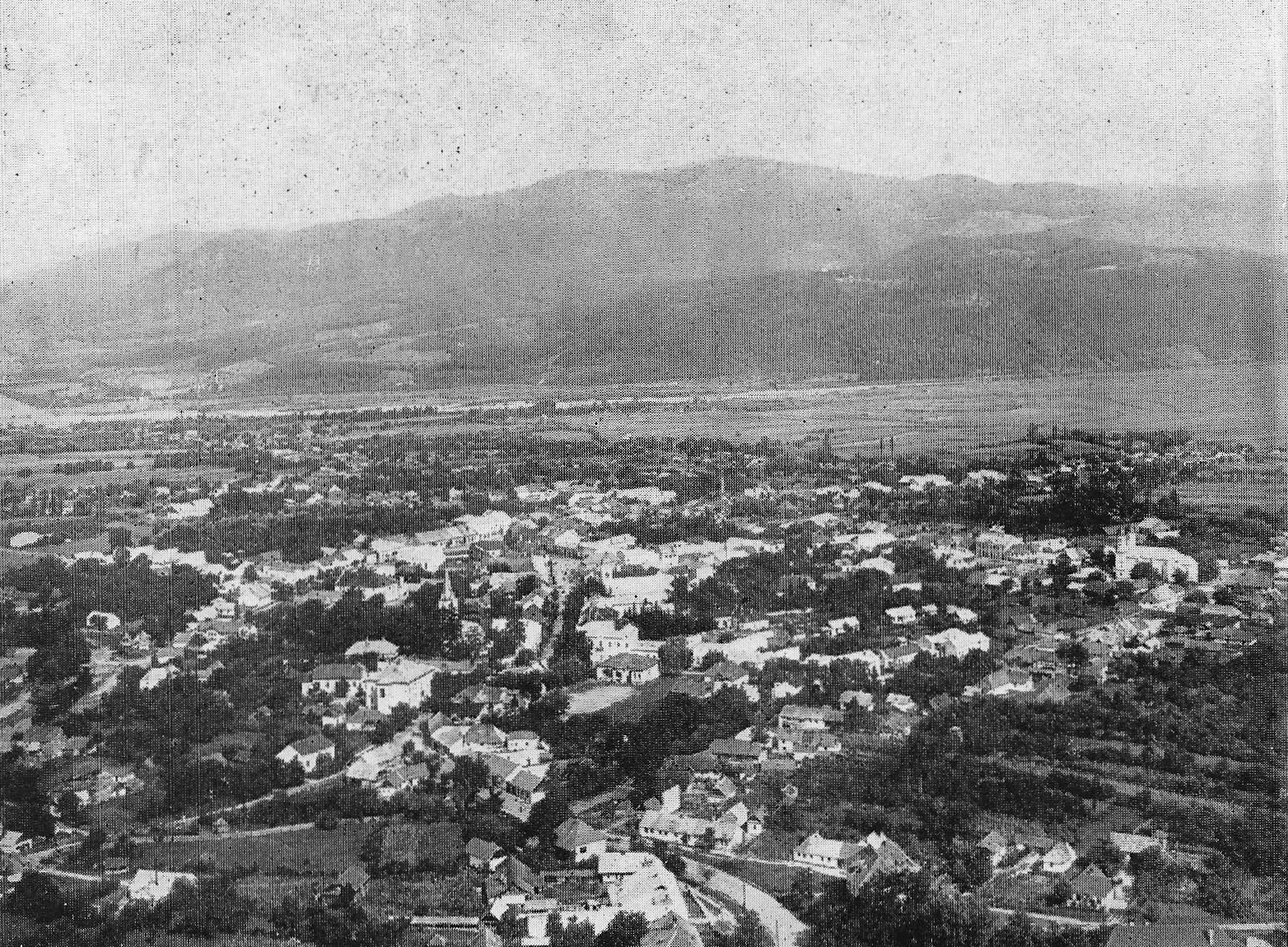
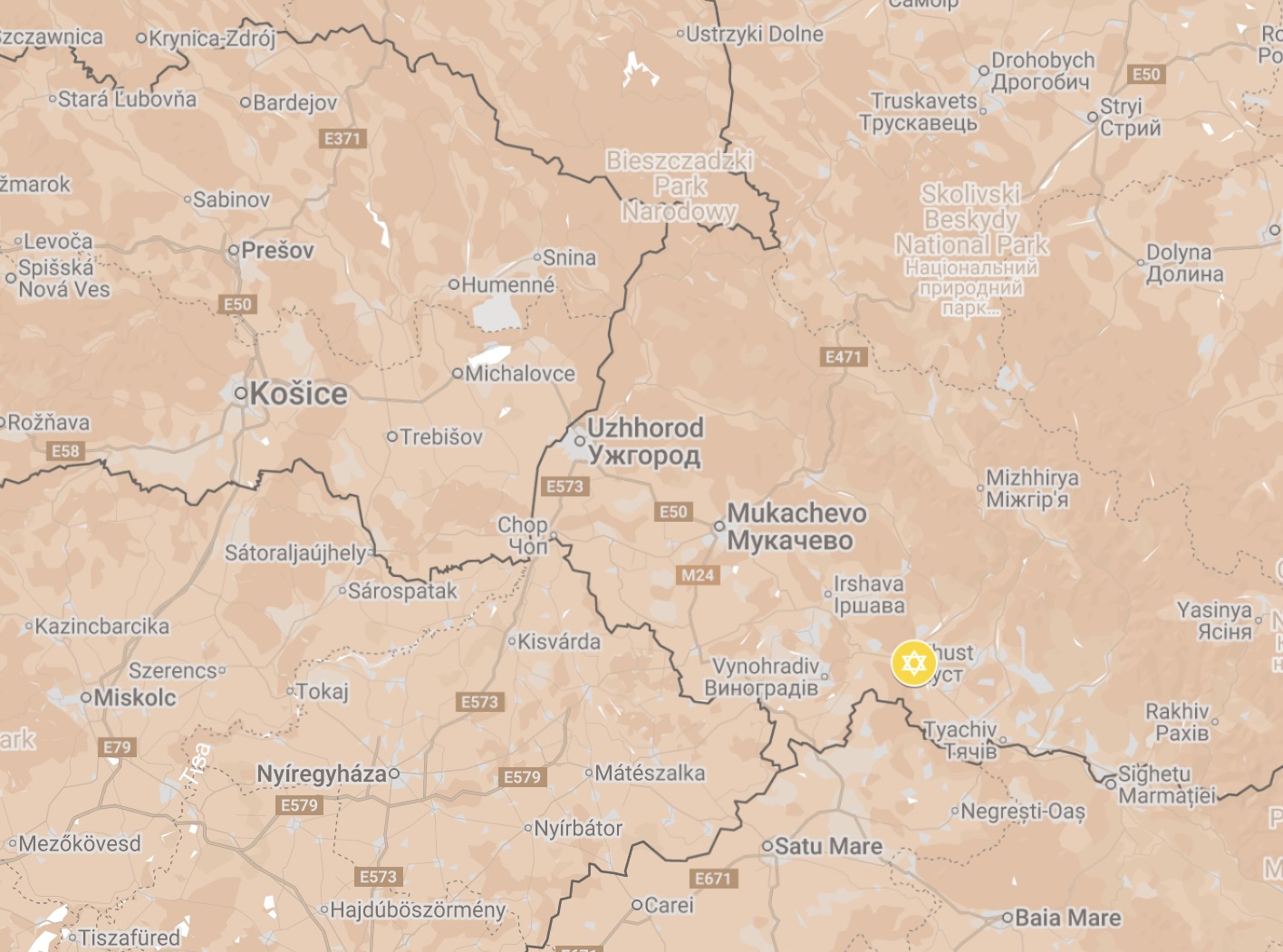
Chust, now Khust in Ukraine, is in the Carpathian Mountains, which had been annexed by Hungary from Czechoslovakia under the First Vienna Award in 1938. It was then known by its Hungarian name of Huszt. To find out more about Chust and the Boys who grew up there click here.
Overview
In March 1944, Germany occupied Hungary, leading to the swift and systematic ghettoisation of the Jewish population. The Huszt Ghetto was established in April 1944. The ghetto served as a holding area for Jews from Huszt and the surrounding towns and villages. Within weeks of its creation, deportations to Auschwitz II-Birkenau extermination and concentration camp began.
Layout
The Huszt Ghetto was set up in the Jewish quarter and surrounding areas. Jews were forced from their homes and crammed into overcrowded, unhygienic living spaces. The ghetto was heavily guarded, and all prisoners were required to wear yellow stars for identification. Like many other Hungarian ghettos, Huszt was seen as a temporary measure before deportation, rather than a long-term containment area like the ghettos in Poland. Because of this, conditions deteriorated rapidly due to lack of food, sanitation, and medical supplies.
Daily Life
Families were crammed into overcrowded rooms, and food rations were meagre. Disease spread rapidly, and there was little access to medical care. The Hungarian authorities controlled the ghetto and imposed strict curfews and restrictions on movement.
Liquidation & Deportation
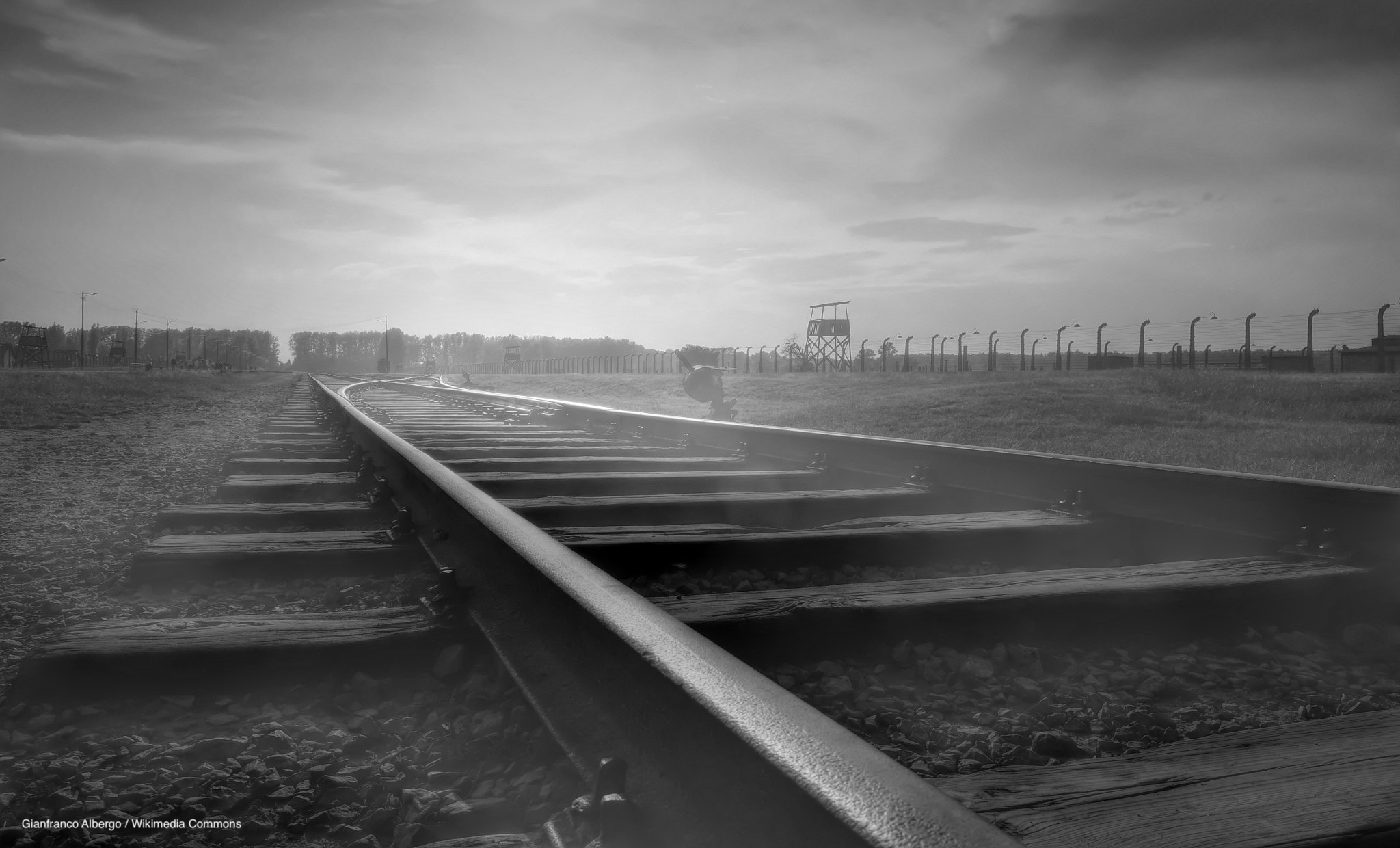
The liquidation of the Huszt Ghetto began in late May 1944 with deportations to Auschwitz II-Birkenau which were organised by the Hungarian authorities, collaborating with the Nazis. On arrival at Auschwitz, most were immediately murdered in the gas chambers and a minority was selected for forced labour.
Aftermath
Few Jews from Huszt survived the Holocaust. After the war, a small number of survivors returned, but the Jewish community was never re-established. Many survivors emigrated to Israel, the United States, or other countries.
Memorialisation
Today, memorial plaques and monuments commemorate the Jewish community of Huszt. To find out more about visiting Khust click here.
 About
About History
 Education
 Quilts
 FIlms
FIlms Photos
 News Media & Events
 Publications
 Donate