Members of the Boys were held in Nazi labour and concentration camps and used as slave labourers.
From 1933-1945 Nazi Germany operated over 1,000 concentration camps and subcamps in its own territory and across German occupied Europe. Among them was the HASAG Sclieben-Berga labour camp, a subcamp of the Buchenwald concentration camp in Germany.
As the camps were dissolved thousands of people, among them members of the Boys, endured horrific evacuations from the camps on foot, in freight wagons and open top trains, as well as perilous journeys across the Baltic Sea.
The Boys were teenage and child-Holocaust survivors, who were brought to the UK after the war for rest and rehabilitation.
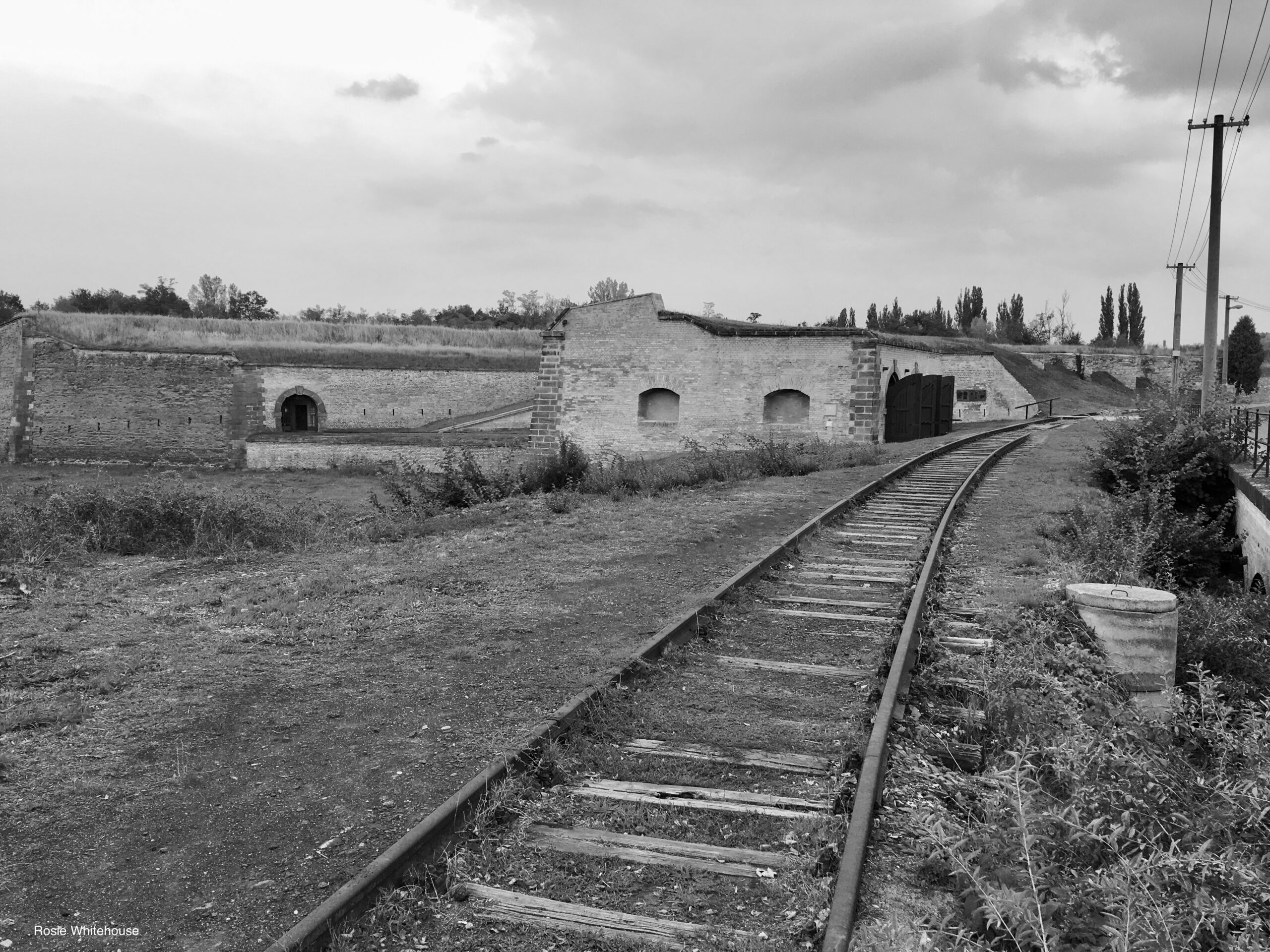
There are conflicting accounts regarding the evacuation of the camp. Around 9 April 1945, the SS began to evacuate the men’s camp in stages.
They transported most of the prisoners to Theresienstadt in two train convoys.
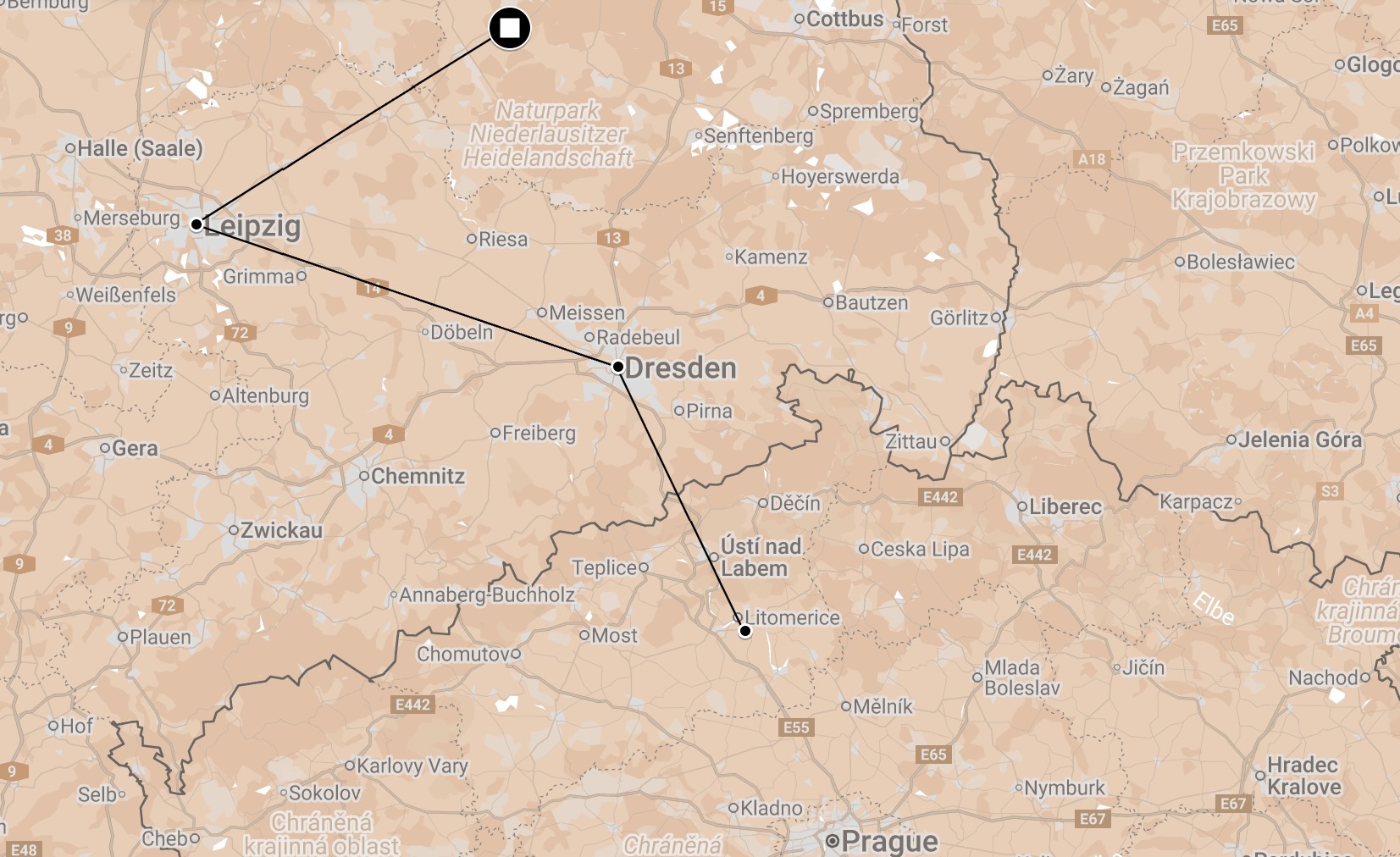
Route
The first train passed through Leipzig and Dresden, while the other convoy went through Bautzen. Both were headed for the Theresienstadt Ghetto carrying 700 prisoners each.
Two hundred prisoners had to leave the second train in Bautzen to work in the subcamp of the Gross-Rosen concentration camp. From there, the SS later forced them to continue on foot. The survivors were liberated in May near Nixdorf, present-day Mikulášovice in the Czech Republic.
About 1,100 survived the transport.
It is believed that members of the Boys were on the first train.
Ben Helfgott recalled that in his wagon:
“We had two older SS men and they were reasonably nice. They took half the wagon to themselves, but let a few boys go on their side. When we stopped on the Czech side of the border they went to the local farmers with two prisoners and brought back some food from the farm. One of the SS men came from Berlin. He gave me his address in Berlin. He said, ‘When the war is over, come to visit me in Charlottenstrasse.”
Ben Helfgott quoted in Martin Gilbert, The Boys: The Story of 732 Young Concentration Camp Survivors (Wiedenfeld & Nicholson, 1996).
The journey on the first train took two weeks and there was virtually no food. The train stopped frequently in the sidings.
The train passed through Dresden which had been almost totally destroyed in the Allied bombing raids. Jan Goldberger remembers the joy he felt when he saw the devastation.
The Schlieben-Berga camp was liberated by the Red Army on 21 April 1945.

 About
About History
 Education
 Quilts
 FIlms
FIlms Photos
 News Media & Events
 Publications
 Donate