Members of the Boys were held in Nazi labour and concentration camps and used as slave labourers.
From 1933-1945 Nazi Germany operated over 1,000 concentration camps and subcamps in its own territory and across German occupied Europe. Among them was the Dresden-Zschachwitz labour camp, a subcamp Flossenbürg concentration camp.
As the camps were dissolved thousands of people, among them members of the Boys, endured horrific evacuations from the camps on foot, in freight wagons and open top trains, as well as perilous journeys across the Baltic Sea.
The Boys were teenage and child-Holocaust survivors, who were brought to the UK after the war for rest and rehabilitation.
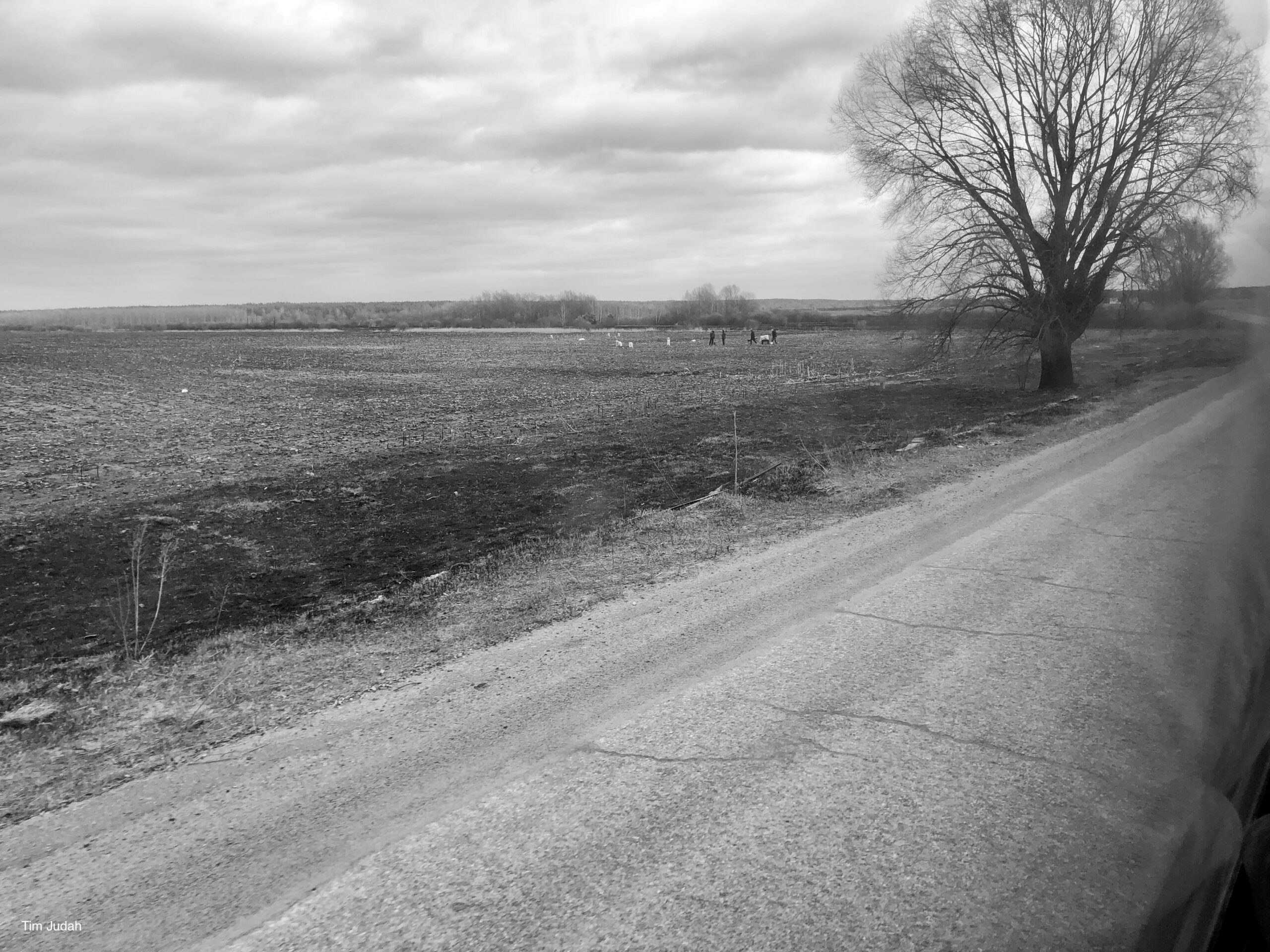
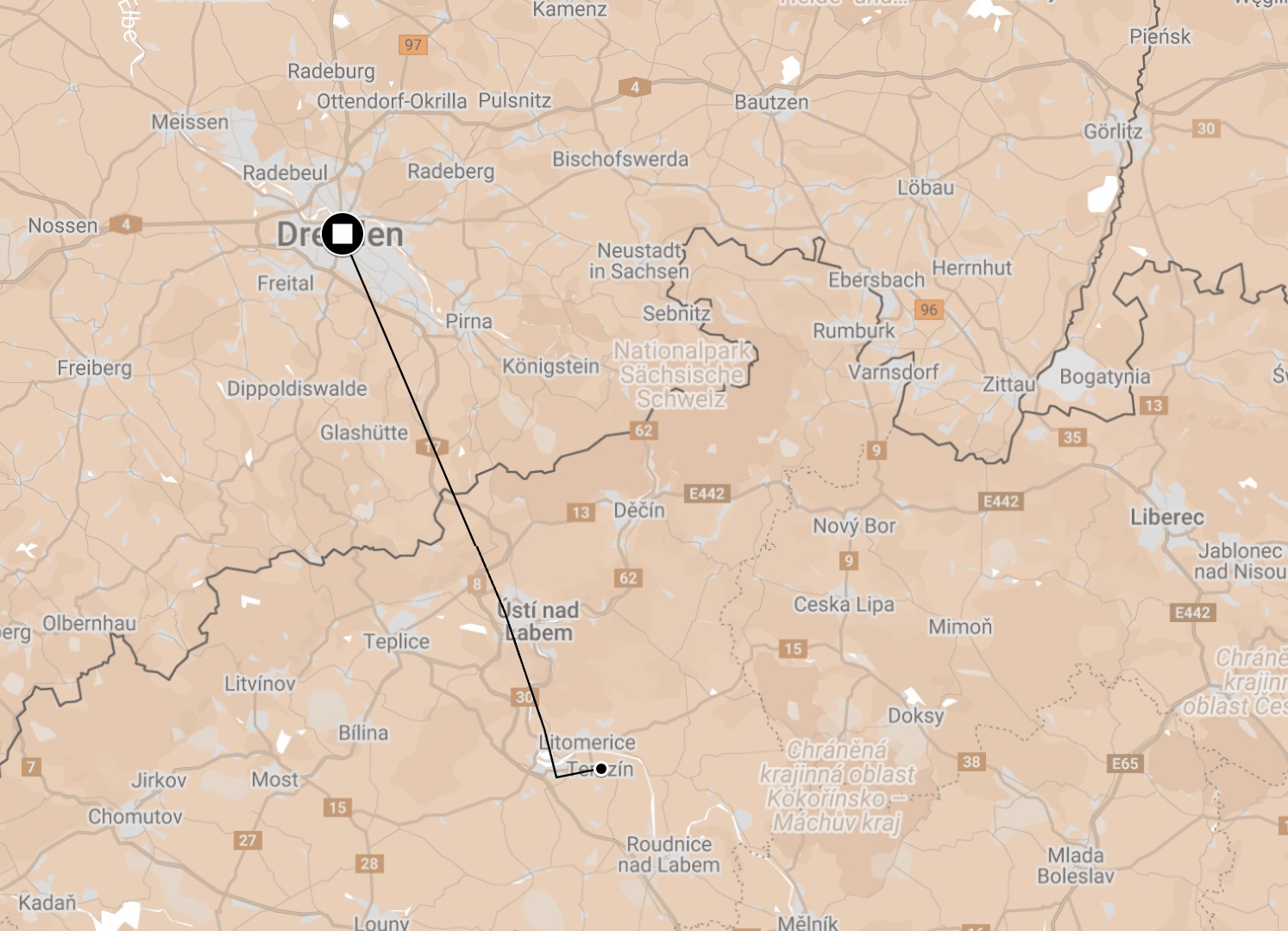
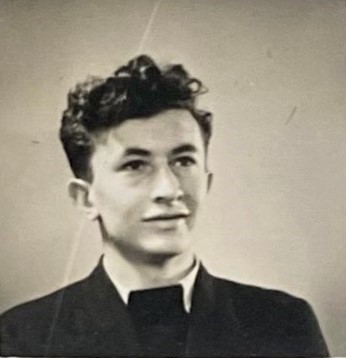
The Dresden-Zschachwitz camp was disbanded at the end of April. The prisoners capable of walking, among them were Max Schindler and his brother Alfred, were forced to march to the Leitmeritz concentration camp and then on to the Thereseinstadt Ghetto where they were liberated. The boys supported their father who died not long after the liberation.
“We are 300-350 men marching through the forest, into Czechoslovakia. The march takes a few weeks but feels more like year, and is ghastly for our group. We march on one side of the river watching bombs explode on the other side. With snow on the ground, all of us are freezing, as we climb up into the mountains. I can’t feel my toes and try to walk with my hands tucked into my armpits. We get very little to eat, and we are all starving. We march through several towns as people stand by the side of the road and silently watch. We are told not to speak to townspeople or accept anything from them, or else we will be shot. Not one person offers us anything.”
Max Schindler, Two Who Survived: Keeping Hope Alive While Surviving the Holocaust (MRS, 2020).
Schindler and his brother Alfred were among 80 of the men to survive the death march. Schindler was 15 years old and his brother just 13.
The remaining prisoners were transported by train in the direction of Bohemia.

 About
About History
 Education
 Quilts
 FIlms
FIlms Photos
 News Media & Events
 Publications
 Donate