Members of the Boys were held in Nazi labour and concentration camps and used as slave labourers.
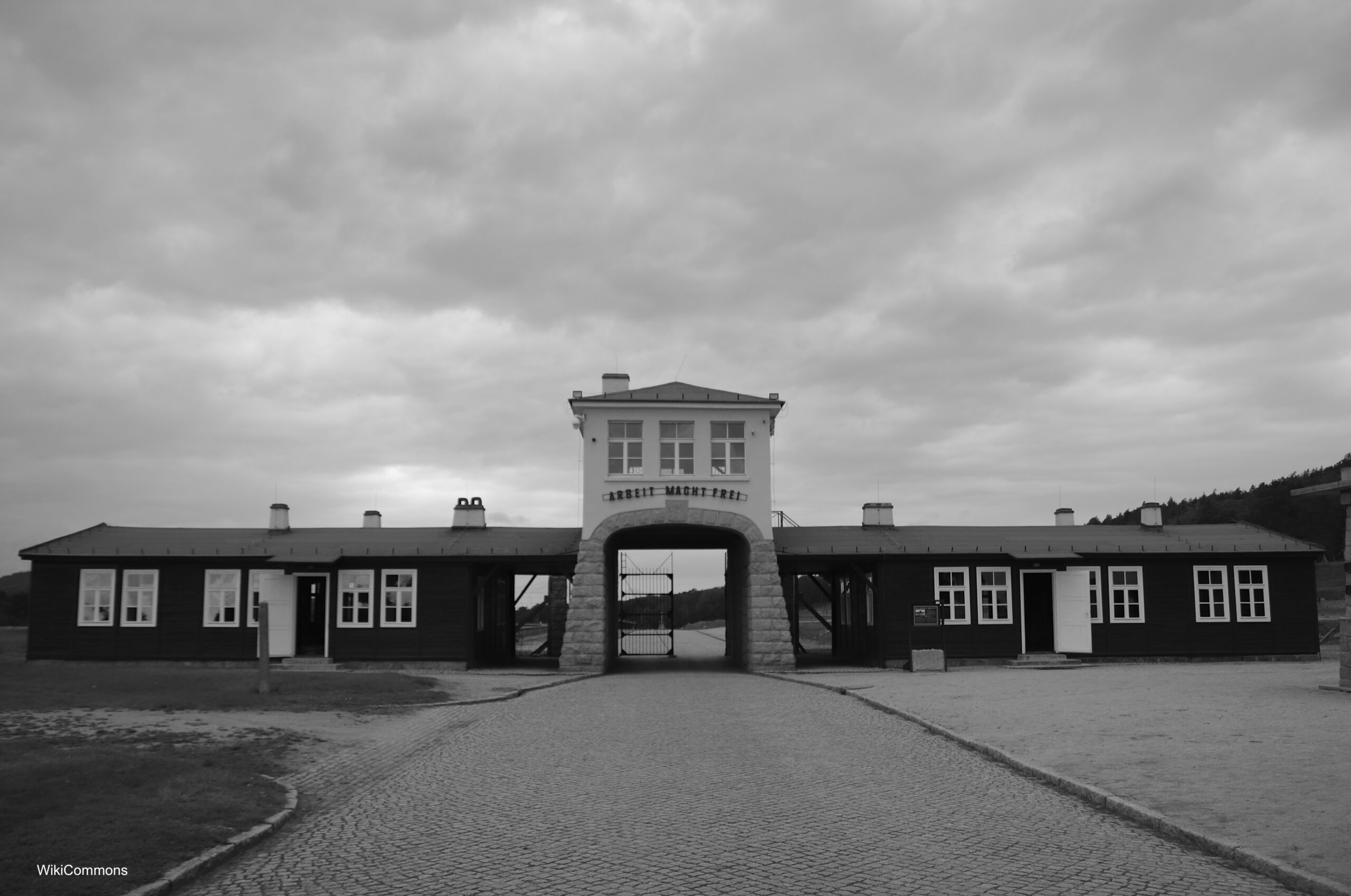
From 1933-1945 Nazi Germany operated over 1,000 concentration camps and subcamps in its own territory and across German occupied Europe. Among them was the Fünfteichen labour camp, a subcamp of the Gross Rosen concentration camp.
As the camps were dissolved thousands of people, among them members of the Boys, endured horrific evacuations from the camps on foot, in freight wagons and open top trains, as well as perilous journeys across the Baltic Sea.
The Boys were teenage and child-Holocaust survivors, who were brought to the UK after the war for rest and rehabilitation.
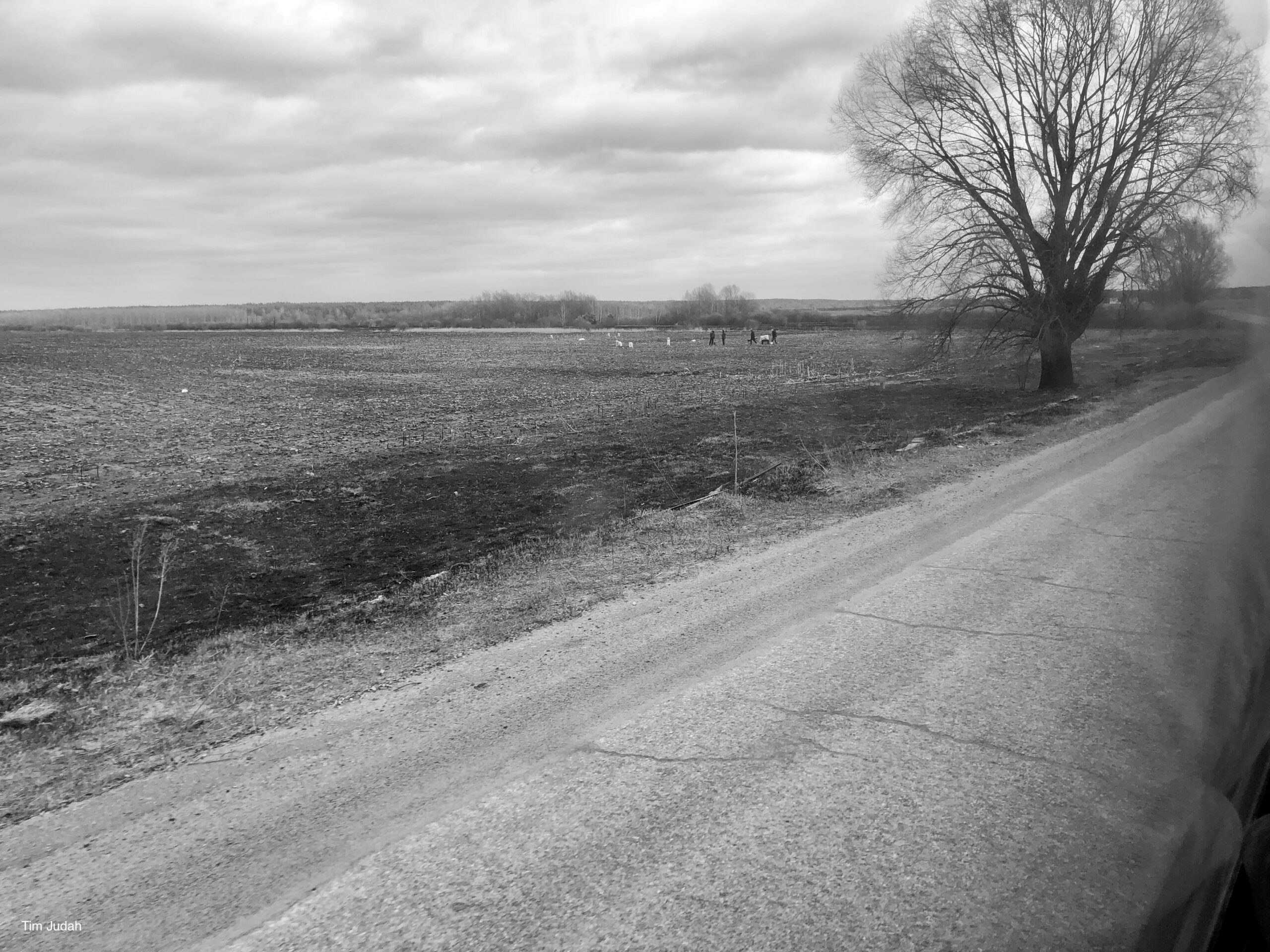
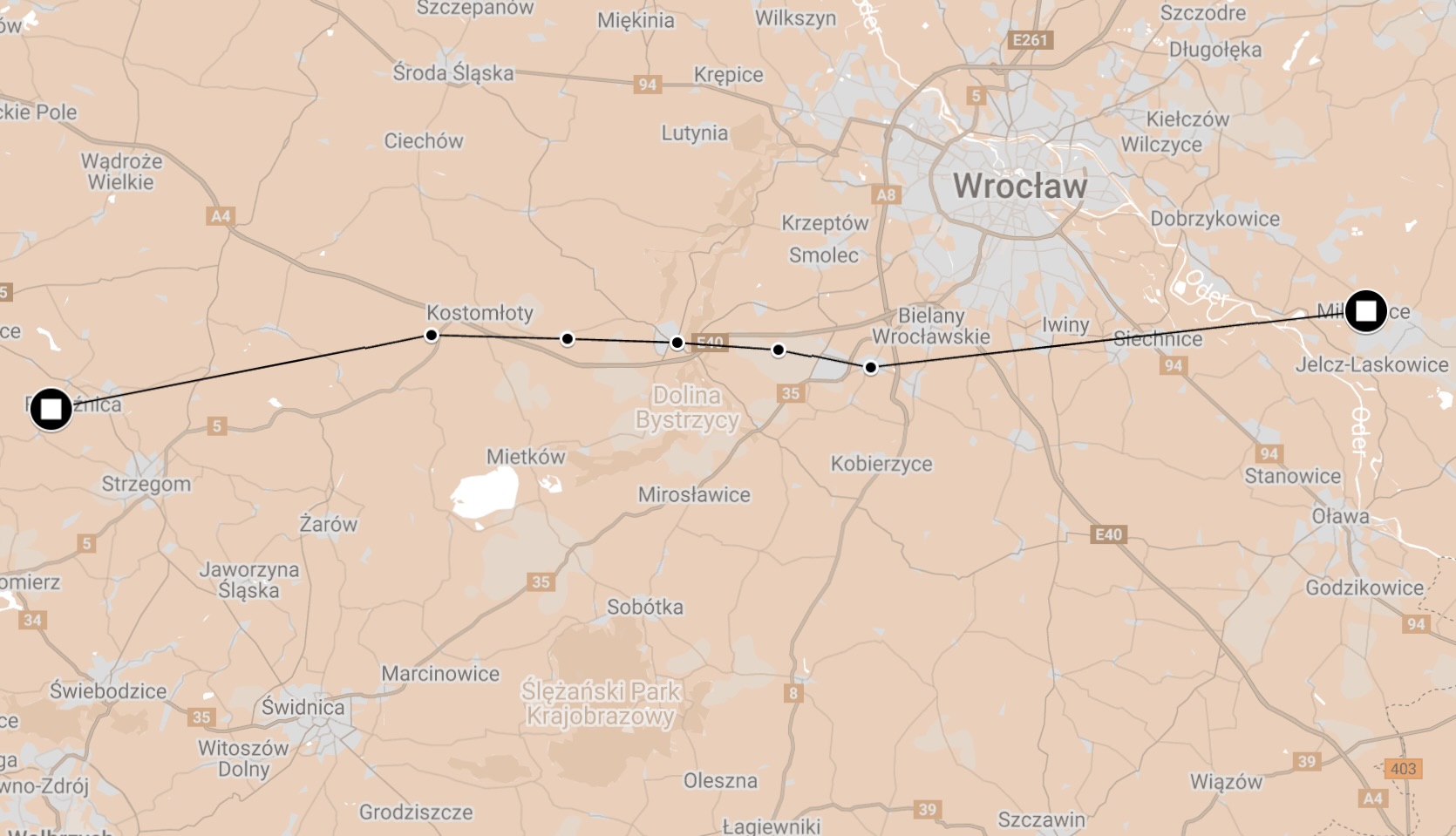
The Fünfteichen subcamp was located in what was then Germany but is now Miłoszyce near Wrocław in Poland. The evacuation of Fünfteichen started on 21 January 1945.
Route
Approximately 6,000 prisoners were marched out of the camp, surrounded by SS men. In freezing temperatures, the prisoners walked along dirt roads for four days to Gross Rosen.
At stopovers in the villages of Tyniec Mały (Tinz), Strzeganowice (Fuchshübel), Kąty Wrocławskie (Kant), Piotrowice (Groß Peterwitz), and Wichrów, numerous prisoners were murdered, and the exhausted were often buried alive. In total, about 1,000 people died during the death march.
Aftermath
The prisoners stayed at the main camp for a few days, before they were then assigned to various evacuation trains, mostly with open-topped wagons, and taken into the Reich to the concentration camps of Buchenwald, Flossenbürg, Dachau, Mittelbau-Dora, and primarily Mauthausen.

 About
About History
 Education
 Quilts
 FIlms
FIlms Photos
 News Media & Events
 Publications
 Donate