Members of the Boys were held in Nazi labour and concentration camps and used as slave labourers.
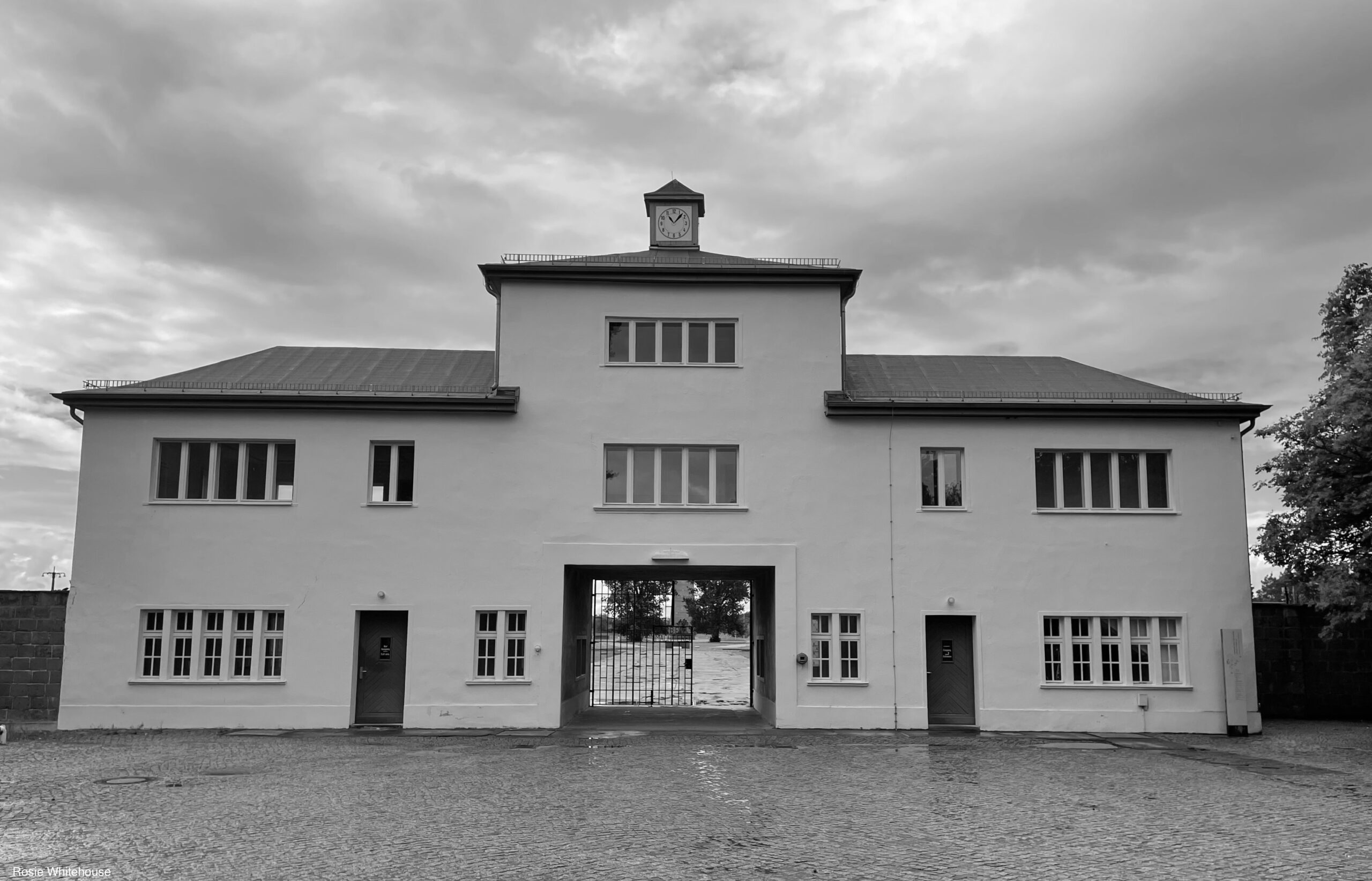
From 1933-1945 Nazi Germany operated over 1,000 concentration camps and subcamps in its own territory and across German occupied Europe. Among them was the Sachsenhausen concentration camp.
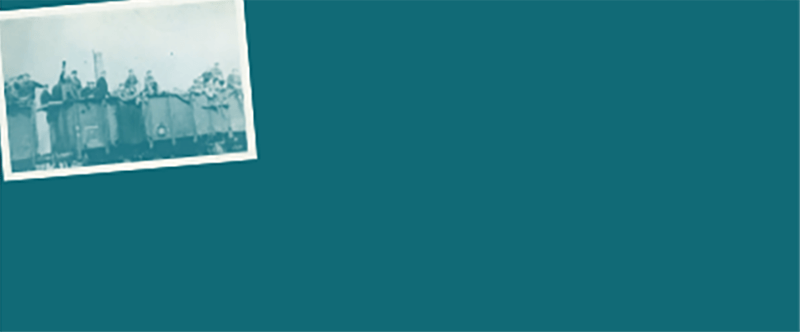
As the camps were dissolved thousands of people, among them members of the Boys, endured horrific evacuations from the camps on foot, in freight wagons and open top trains, as well as perilous journeys across the Baltic Sea.
The Boys were teenage and child-Holocaust survivors, who were brought to the UK after the war for rest and rehabilitation.
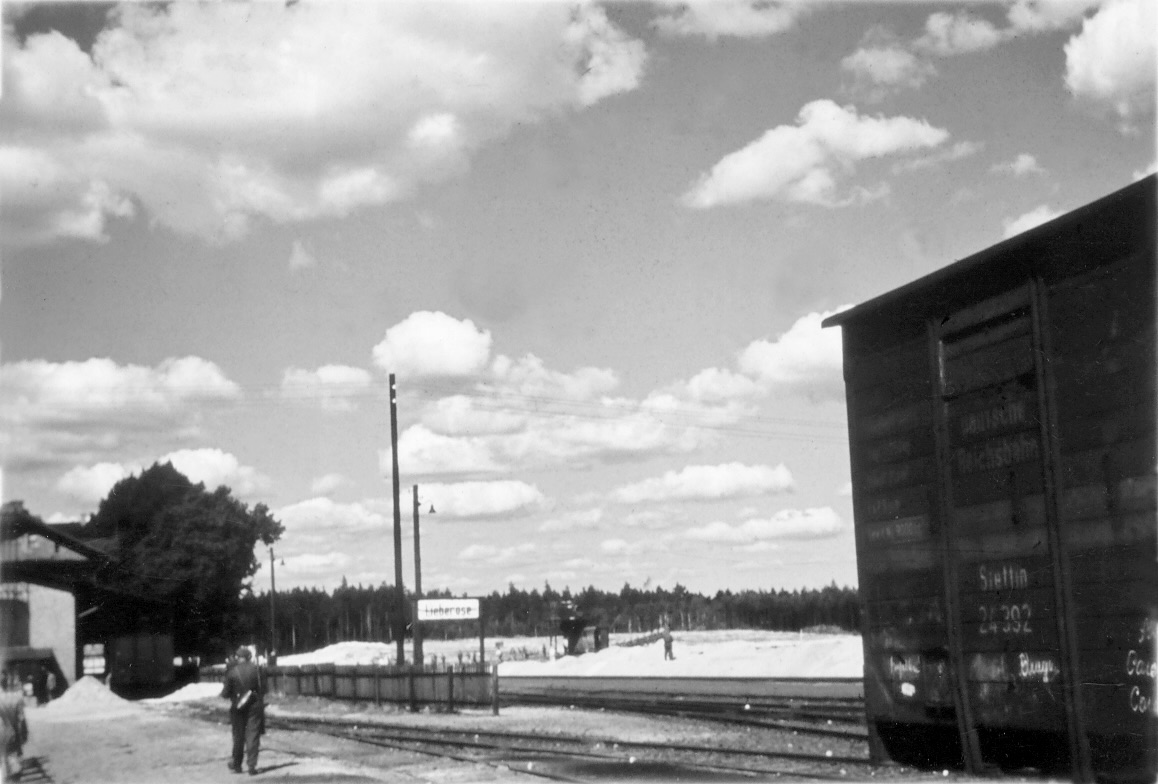
When the camp was shut down in early February 1945, 1,342 prisoners, who were too weak to be sent on the death march to Sachsenhausen were shot.
Route
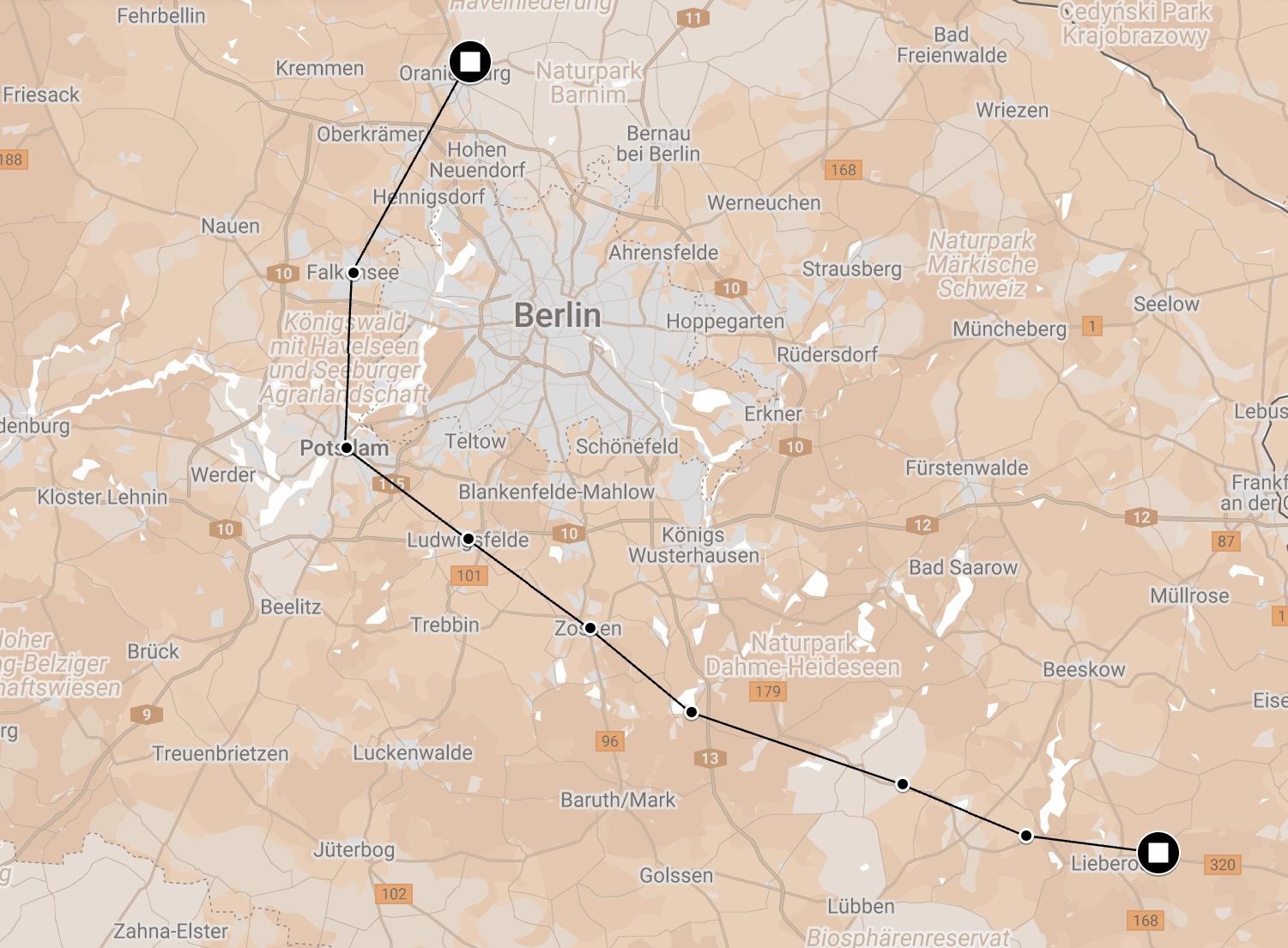
The march led through Goyatz, Kuschkow, Teupitz, Zossen, Ludwigsfelde, Potsdam, and Falkensee, where prisoners spent the night either in open fields, barns, stables, or abandoned camps and barracks buildings.
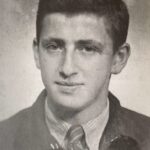
“This march was dreadful. Snow, mud. And when dusk came, turn left or turn right, walk into the nearest field, get down. In the morning, get up, except for those who could not get up, the we would move forward, wait a while, hear the shots and move on.
We went first to Falkensee and then we marched right through Berlin into Sachsenhausen, which is where I worked, most astonishingly loading forges British banknotes on to lorries.”
Hugo Gryn, with Naomi Gryn, Chasing Shadows (Penguin, 2001).
Most of the Jewish prisoners were then taken from Sachsenhausen to the Mauthausen concentration camp in Austria, but some were also moved to Bergen-Belsen, Neuengamme, Flossenbürg, and Dachau.
 About
About History
 Education
 Quilts
 FIlms
FIlms Photos
 News Media & Events
 Publications
 Donate