Members of the Boys were held in Nazi labour and concentration camps and used as slave labourers.
From 1933-1945 Nazi Germany operated over 1,000 concentration camps and subcamps in its own territory and across German occupied Europe. Among them was the Barth subcamp of the Ravensbrück concentration camp.
As the camps were dissolved thousands of people, among them members of the Boys, endured horrific evacuations from the camps on foot, in freight wagons and open top trains, as well as perilous journeys across the Baltic Sea.
The Boys were teenage and child-Holocaust survivors, who were brought to the UK after the war for rest and rehabilitation.
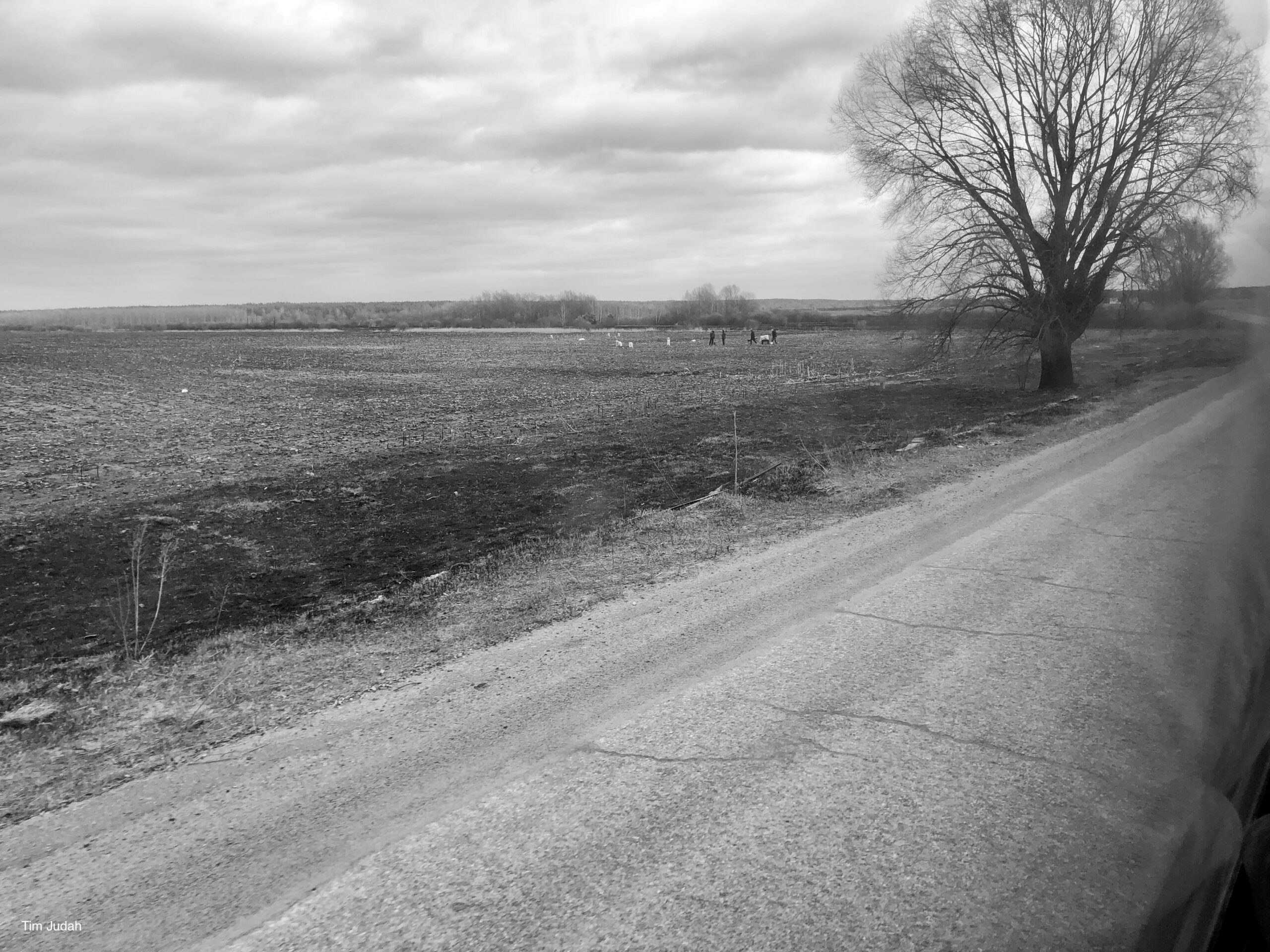
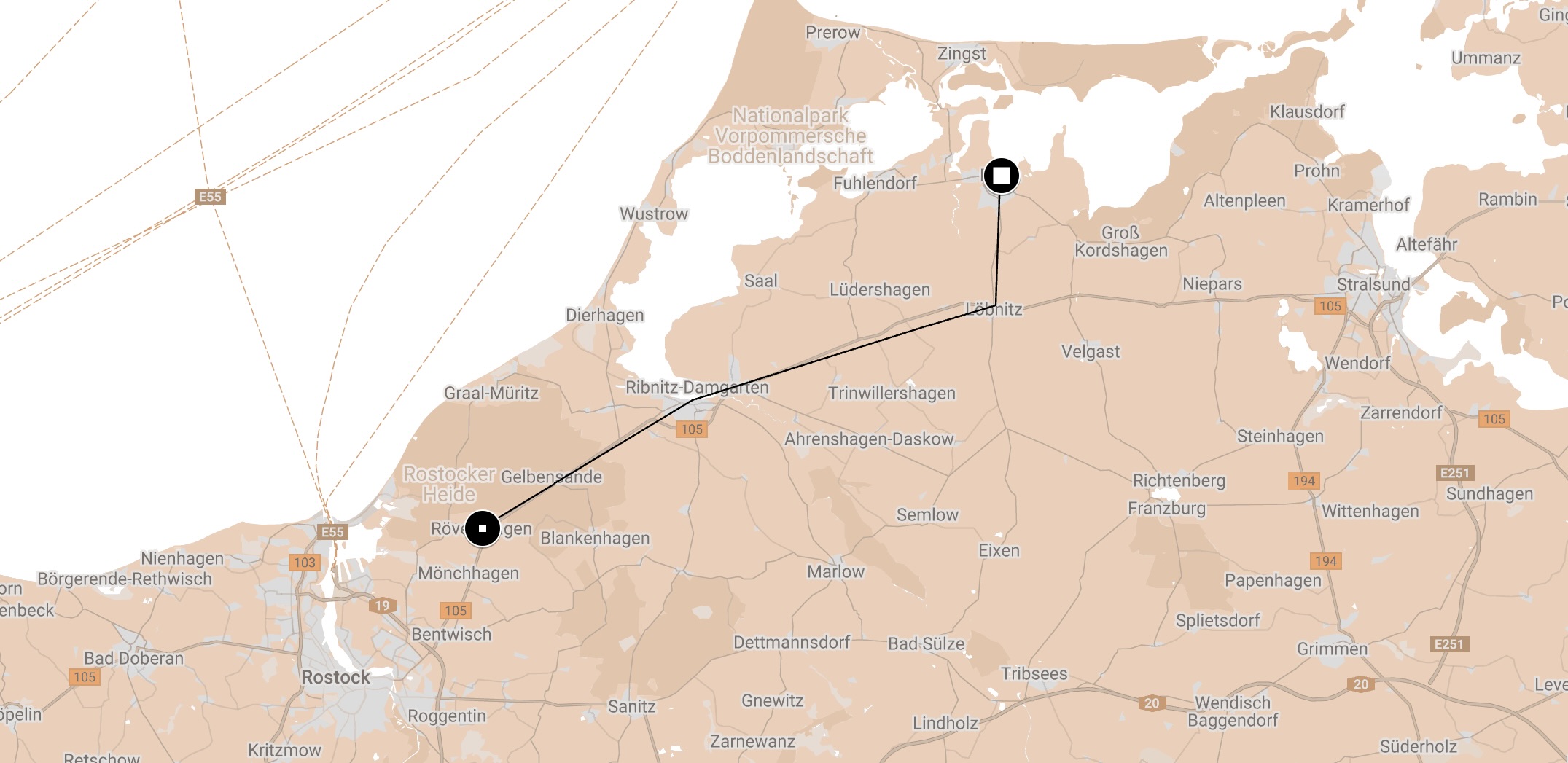
On 30 April 1945 at 9pm in the evening, the prisoners who were strong enough were sent on a death march towards Rostok. Among them was Davis Eckstein, one of the Boys. The male prisoners left the camp first in three columns and the women followed.
The already exhausted and sick prisoners were forced by the SS to walk all night. If they could no longer keep up with the pace, they were shot and left lying on the side of the road. Nevertheless, some prisoners managed to escape under cover of night.
“We were told to get into those rows of five and start leaving the camp. Out! A we left the camp everybody got a loaf of bread … we started going and going out of the camp. A lot of us decided they could not make it and stayed in the camp. They were too weak, too sick and as we were marching into the night forming again those rows of five. I remember hearing some whoosh. Some of us just leaving and running away into the woods and nobody was shooting but it was too dangerous. But there were always those that dared.”
The march continued for two days and three nights. Five kilometres before Rostok retreating German soldiers on bicycles warned the SS guards that the Russians had taken the city.
“They took all their machine guns and rifles and smashed them on the highway … and we were left without the SS … Just like magic!”
There is no reliable information on the number of prisoners who died or were murdered during the death march.
When the male prisoners reached Rövershagen, about 7km from Rostock, the following day, the SS guards fled. Part of the female column was released in Altheide near Gelbensande because the SS guards there also fled.

 About
About History
 Education
 Quilts
 FIlms
FIlms Photos
 News Media & Events
 Publications
 Donate