Members of the Boys were held in Nazi labour and concentration camps and used as slave labourers.
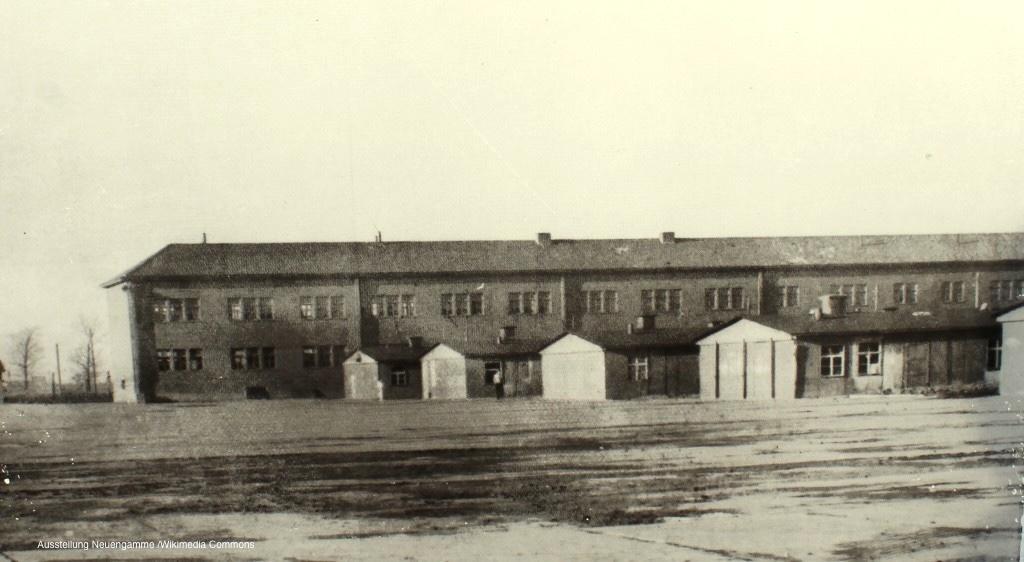
From 1933-1945 Nazi Germany operated over 1,000 concentration camps and subcamps in its own territory and across German occupied Europe. Among them was the Neuengamme concentration camp.
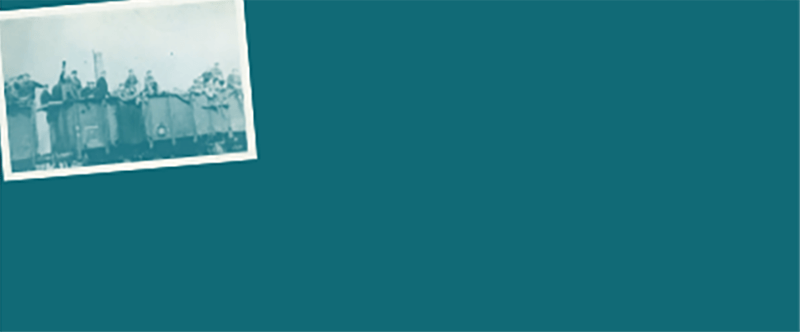
As the camps were dissolved thousands of people, among them members of the Boys, endured horrific evacuations from the camps on foot, in freight wagons and open top trains, as well as perilous journeys across the Baltic Sea.
The Boys were teenage and child-Holocaust survivors, who were brought to the UK after the war for rest and rehabilitation.
The White Buses
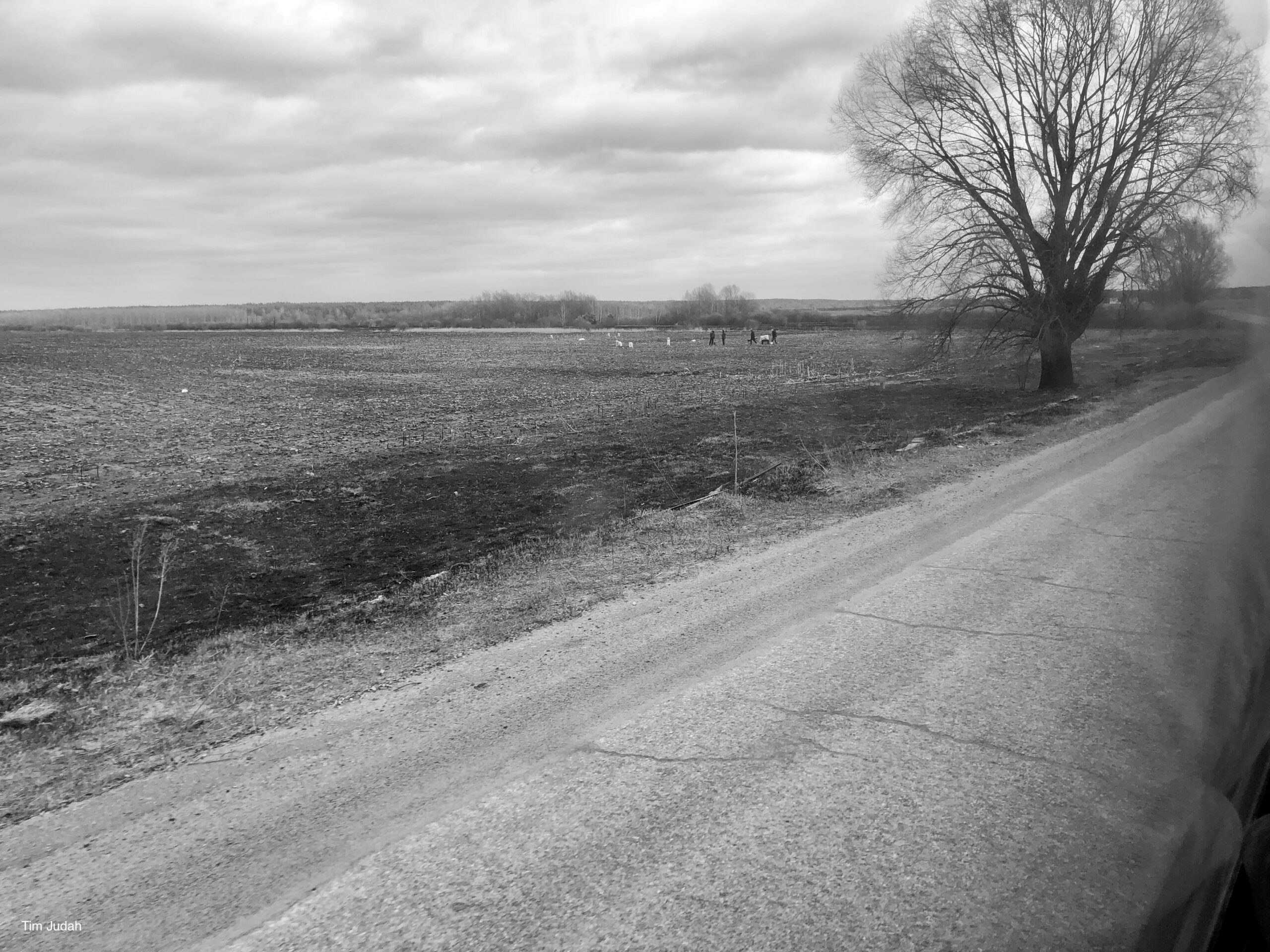
In mid-March 1945, all Danish and Norwegian prisoners in Germany were collected in Neuengamme concentration camp. More than 4,000 prisoners were handed over to the Swedish Red Cross. They were taken out of the camp on white buses on 20 April 1945.
Evacuation
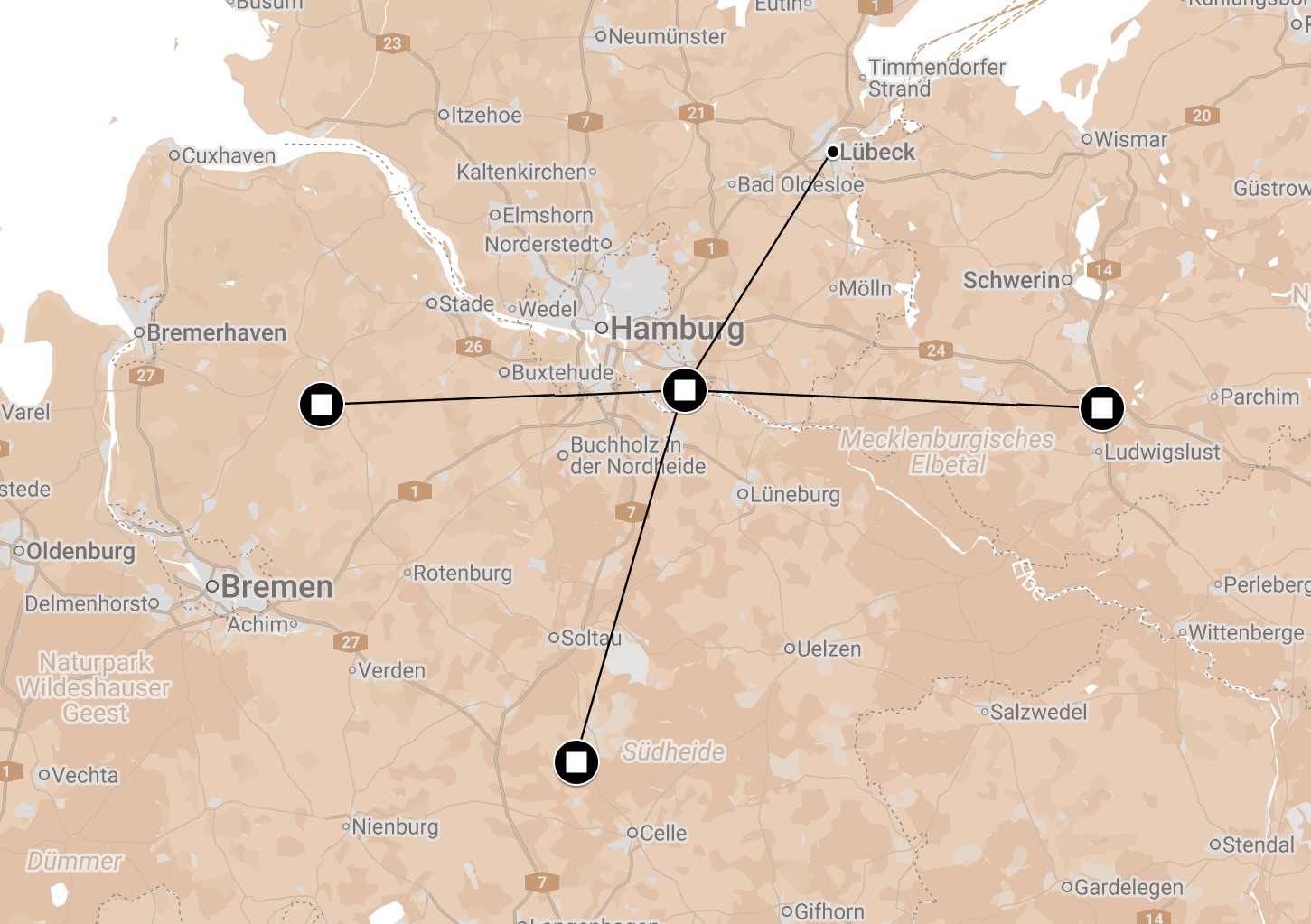
At the same time, the main camp was evacuated by death march and death train. Over 20,000 prisoners were moved to collection camps like Lugwiglust-Wöbbelin, Sandbostel and Bergen-Belsen, where they were simply left to die. The SS then destroyed any evidence of their crimes.
When the collection camps became overcrowded, the Nazi party district leader in Hamburg, Karl Kaufmann, seized three ships, including the Cap Arcona, and loaded more than 9,000 prisoners onto them. Crammed in the ships’ holds, many died of hunger, thirst and disease. During a British air raid on 3 May 1945, meant to prevent German troops from retreating across the Baltic Sea, the ships Cap Arcona and Thielbek were hit and caught fire. 6,600 prisoners died in the fire, drowned or were shot while trying to reach safety. Only around 450 people survived.
One of the Boys, Sam Pivnik, was on the Cap Ancona when it was bombed by the RAF in the Bay of Lübeck. He had already endured a death march from the Auschwitz subcamp of Fürstengrube, a death train to Mauthausen and Mittelbau-Dora and evacuation by barge from Magdeburg to Lübeck:
“The ship lurched violently with an almighty bang and I went sprawling, along with anybody else we had been on their feet.
I was on all fours now heart pounding with fear, but with an overriding sense of confusion. What the hell was going on? There was a second lurch and crash and this time the windows blew in, showering us all with flying glass. We were under attack …
What followed was the worst sound I’ve ever heard. It rumbled and boomed away from somewhere below us and it took me a while to realise what it was. It was the sound of thousands of men screaming in terror, echoing and re-echoing up stairways and through corridors.”
Sam Pivnik Survivor: Auschwitz, the Death March and My Fight for Freedom (St Martin’s Press, 2012).
 About
About History
 Education
 Quilts
 FIlms
FIlms Photos
 News Media & Events
 Publications
 Donate