Members of the Boys were held in Nazi labour and concentration camps and used as slave labourers.
From 1933-1945 Nazi Germany operated over 1,000 concentration camps and subcamps in its own territory and across German occupied Europe. Among them was the Ravensbrück concentration camp.
As the camps were dissolved thousands of people, among them members of the Boys, endured horrific evacuations from the camps on foot, in freight wagons and open top trains, as well as perilous journeys across the Baltic Sea.
The Boys were teenage and child-Holocaust survivors, who were brought to the UK after the war for rest and rehabilitation.
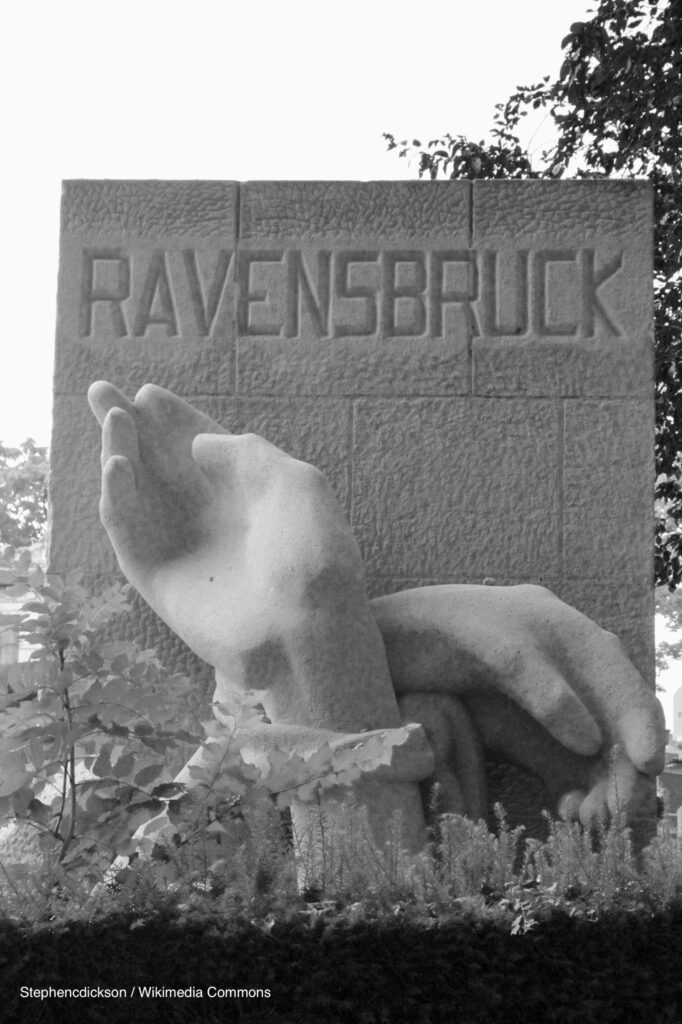
In January 1945, there were 45,000 female prisoners and 5,000 men in the main camp and its satellites. About 11,000 prisoners from Auschwitz and other camps arrived in February.
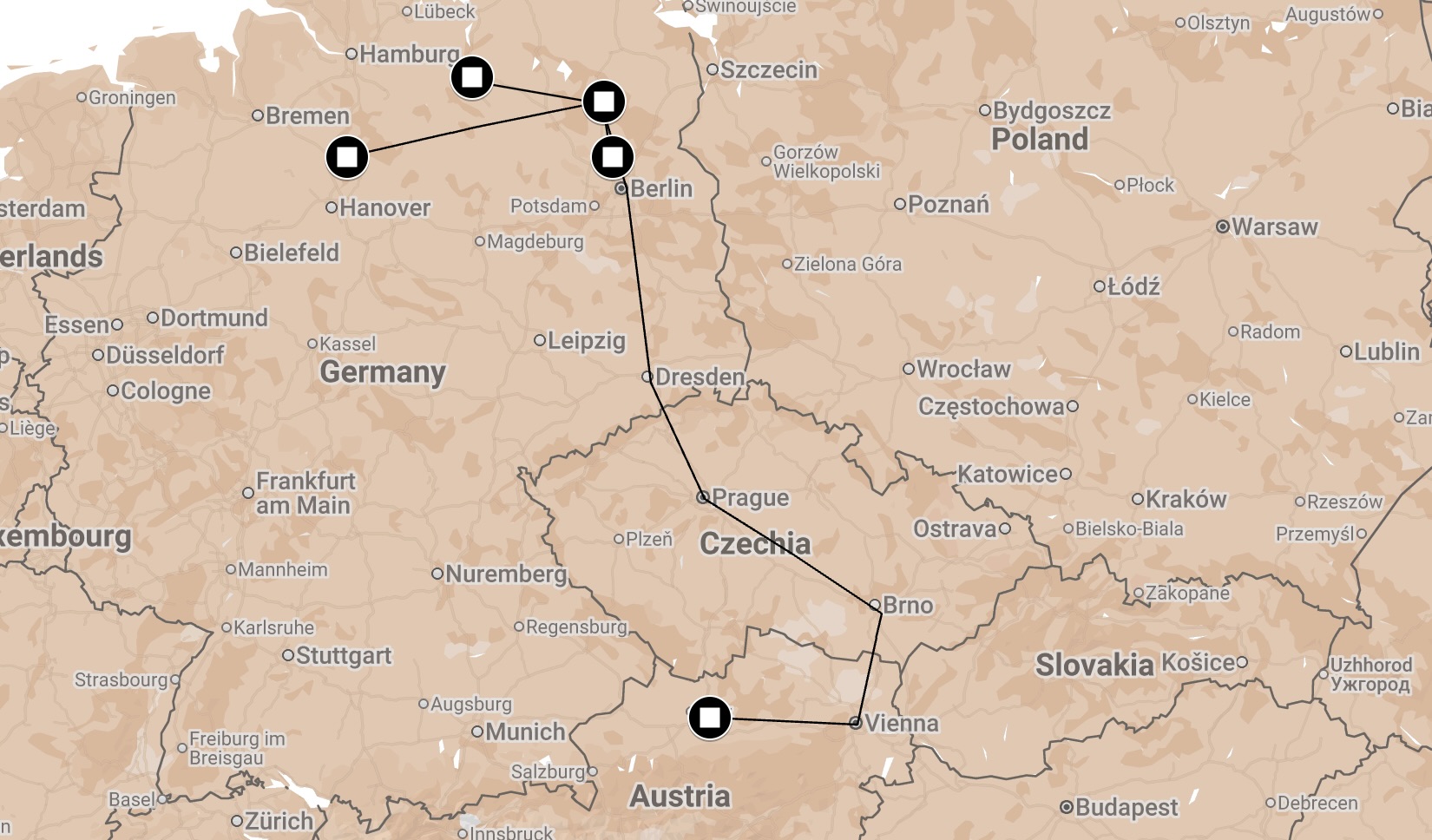
The last transport from Auschwitz consisted of over 2,000 women who were evacuated from there at the end of January. The transport went from Auschwitz to Gross Rosen, then to Ravensbrück where it was rejected and the women marched to Sachsenhausen only to be forced back to Ravensbrück. The women covered 300km in two weeks in the freezing winter conditions.
In late March the SS began to transfer prisoners out of the camp. About 5,600 inmates were moved to Bergen-Belsen, Mauthausen and Sachsenhausen. Among those moved to Bergen Belsen were a number of the members of the Boys. Other Boys who had been slave labourers in Braunschweig transited through the camp during the evacuation of the Neuengamme subcamps and were taken to the Lugwiglust-Wöbbelin camp.
Some 2,500 ethnic Germans were released and 500 women from Scandinavia were handed over to the Danish and Swedish Red Cross. Those members of the Boys from Braunschweig were originally intended to be included in the transport to Sweden.
Members of the Boys held in Ravensbrück were moved to Bergen-Belsen.
On 27 April all those they considered capable of walking were forcibly marched out of the camp on a death march. The column of 24,000 prisoners set off in a northerly direction. The column was liberated by the Red Army. Witnesses record that many of the surviving prisoners were raped by Soviet troops.

 About
About History
 Education
 Quilts
 FIlms
FIlms Photos
 News Media & Events
 Publications
 Donate