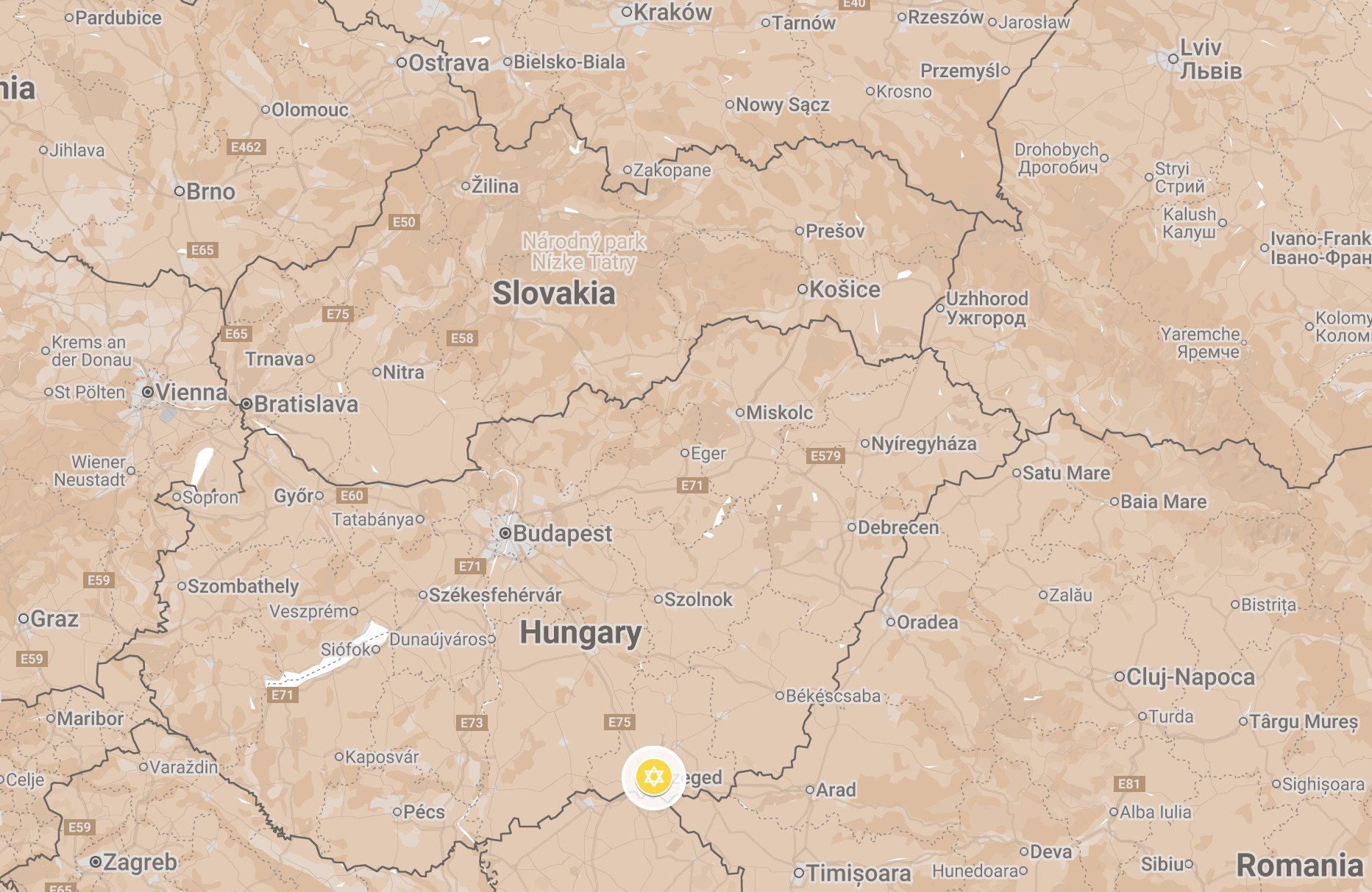
Members of the Boys were imprisoned in the Szeged Ghetto.
The Szeged Ghetto was one of a network of ghettos set up by Nazi Germany in Hungary after it was invaded by German forces in March 1944.
The Boys were teenage and child-Holocaust survivors, who were brought to the UK after the war for rest and rehabilitation.
Overview
There were 4,161 Jews living in Szeged in 1941.
After the German occupation of Hungary on 19 March 1944, the Jews were confined to a ghetto with the Jews from surrounding villages.
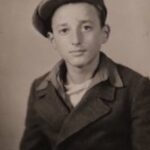
Ivor Perl, lived in Makó, about 30km from Szeged. He was taken to the ghetto when he was 11 years old:
“Our nearest large ghetto was Szeged, and we were held there in a disused brick factory before being taken to our next destination, which was to be literally hell on earth. The ghetto in Szeged was dreadful; with thousands of people there already, it was difficult to find any shelter to sleep that night. It rained all night and most of us got soaked. To complete the agony, there was a mental health facility with violent inmates next door.
We had been in Szeged for a few days when it was announced that the first transport to the new resettlement would be leaving in the morning. We could hardly wait for the morning to come, as we thought anywhere would be better than this place. Little did we know that Szeged was heaven compared to what awaited us.”
Ivor Perl, Chicken Soup Under the Tree: A Journey to Hell and Back (Lemon Soul, 2023).
Deportation
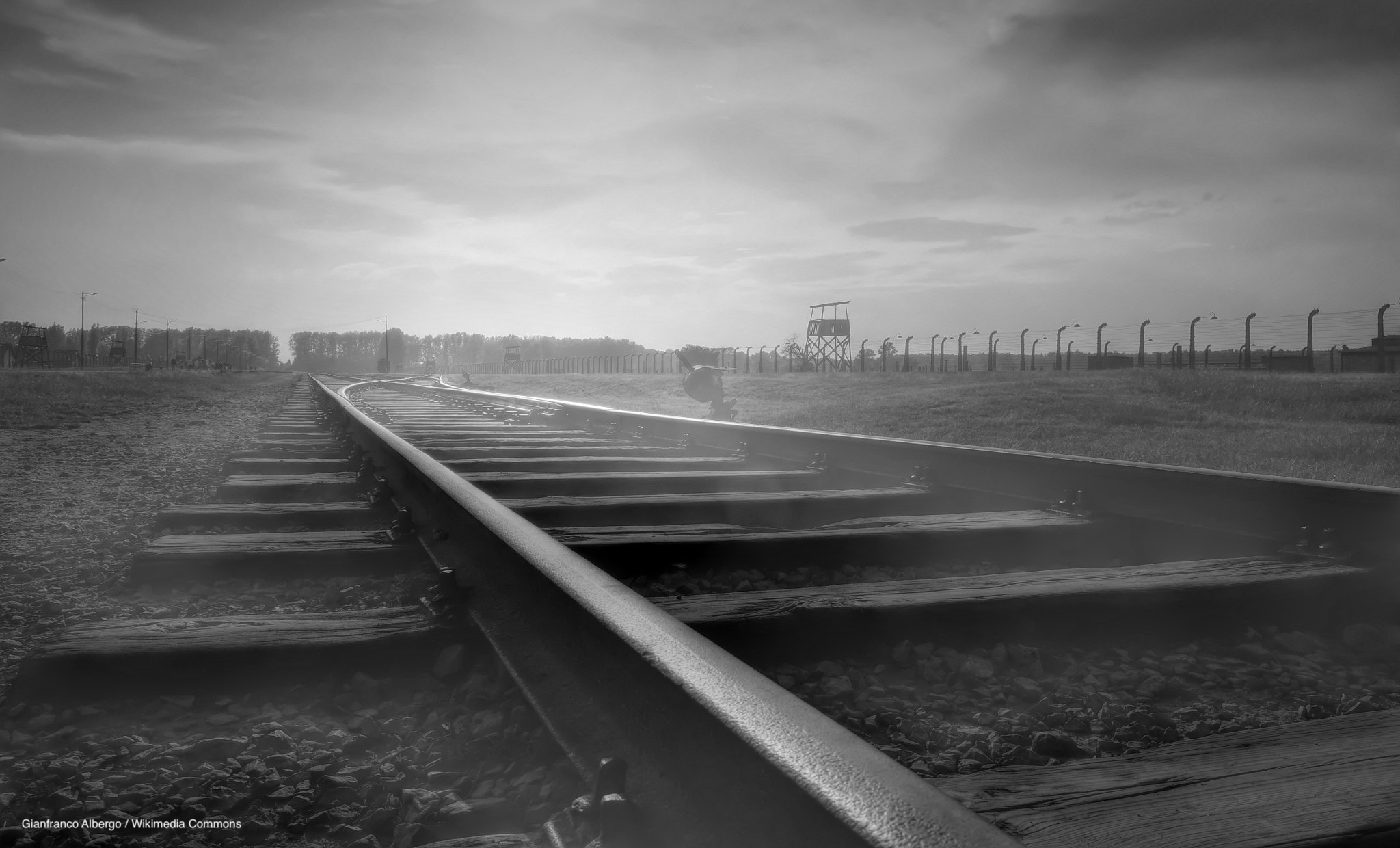
On 25, 27 and 28 June 1944, the Szeged Ghetto was liquidated.
Three trains, containing approximately 8,500 people, departed from Szeged. The first train went to Auschwitz where most of the people were murdered. The second train was separated, with half going to Auschwitz and a half ending at the Strasshof labour camp outside of Vienna. The third train also went to Strasshof.
The list of those Jews who lived in Szeged itself who were deported survived the war and can be seen on the United States Holocaust Memorial Museum website. It does not include the names of Jews from the surrounding villages.
Memorialisation
Today, the history of Szeged’s Jewish community is honoured by memorial plaques, a Holocaust memorial at the site of the former ghetto, and the city’s restored synagogue — one of the largest in Hungary.
 About
About History
 Education
 Quilts
 FIlms
FIlms Photos
 News Media & Events
 Publications
 Donate